
Imagine you are a nurse who is caring for HIV patients. Providing exceptional care to these individuals is vital, as it can greatly impact their well-being and quality of life. In this article, you will discover five essential nursing considerations that will help you better understand and meet the unique needs of HIV patients. From medication management to emotional support, these strategies will empower you to provide the best possible care for those living with HIV. So, let’s dive in and explore these crucial considerations together.
1. Infection control
Infection control is a critical aspect of nursing care for HIV patients. By implementing appropriate infection control measures, you can protect yourself, other healthcare providers, and the patient from potential transmission of the virus.
1.1 Standard precautions
Standard precautions are the foundation of infection control and should be followed at all times when providing care to HIV patients. These precautions include hand hygiene, proper use of personal protective equipment (PPE) such as gloves and masks, safe handling and disposal of sharps, and respiratory hygiene. By adhering to standard precautions, you can minimize the risk of transmission of not only HIV but also other infectious agents.
1.2 Isolation precautions
In certain situations, additional precautions known as isolation precautions may be necessary for HIV patients. This is particularly true if the patient has opportunistic infections or a low CD4 count, indicating a compromised immune system. Isolation precautions may include measures such as airborne precautions for patients with tuberculosis or contact precautions for patients with specific infections. It is essential to follow the guidelines provided by your healthcare facility to prevent the spread of infections and promote patient safety.
1.3 Hand hygiene
Proper hand hygiene is a simple yet effective way to prevent the transmission of pathogens, including HIV. Always remember to wash your hands thoroughly with soap and water or use an alcohol-based hand sanitizer before and after each patient contact. Pay careful attention to the areas between the fingers, the back of the hands, and under the nails. Hand hygiene is vital to reduce the risk of cross-contamination and maintain patient safety.
2. Medication management
Medication management plays a crucial role in the care of HIV patients. Antiretroviral therapy (ART) is the cornerstone of HIV treatment, and as a nurse, you will be responsible for ensuring that patients adhere to their medication regimen.
2.1 Antiretroviral therapy (ART)
Antiretroviral therapy, or ART, involves the use of a combination of drugs to suppress the replication of the HIV virus and slow down the progression of the disease. As a nurse, you will play a vital role in educating patients about the importance of ART, ensuring they understand their medication regimen, and addressing any concerns they may have. It is crucial to monitor patients for any side effects or adverse reactions to the medication and report them promptly to the healthcare team. By promoting adherence to ART, you can help patients achieve viral suppression and improve their overall health outcomes.
2.2 Drug interactions and side effects
HIV patients often take multiple medications to manage their health. It is essential to be aware of potential drug interactions and side effects. Some medications may interact with antiretroviral drugs, reducing their effectiveness or causing adverse effects. As a nurse, you should closely monitor patients for any signs of drug interactions or side effects and promptly report them to the healthcare team. Timely intervention can minimize complications and ensure the patient receives effective treatment.
2.3 Adherence to medication regimen
Adherence to the prescribed medication regimen is crucial for the success of HIV treatment. As a nurse, you can play a significant role in promoting adherence by educating patients about the importance of taking their medications as prescribed and addressing any barriers they may face. This may include providing reminders, helping patients develop strategies to incorporate medication into their daily routine, and offering support and encouragement. Regular monitoring and follow-up can also help identify and address any challenges to adherence, improving patient outcomes.
3. Psychological support
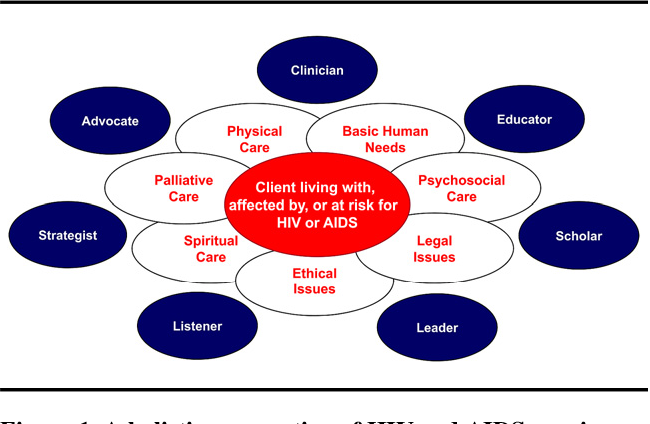
Psychological support is vital for HIV patients, as they often face stigma, discrimination, and mental health challenges. As a nurse, you can provide empathetic and compassionate care to address their psychological needs.
3.1 Addressing stigma and discrimination
Stigma and discrimination surrounding HIV can have a profound impact on patients’ emotional well-being. It is essential to create a safe and non-judgmental environment for patients to discuss their fears and concerns. By actively working to reduce stigma and discrimination, you can help empower patients and improve their overall quality of life.
3.2 Psychosocial counseling
Psychosocial counseling can be extremely beneficial for HIV patients who may experience anxiety, depression, or other mental health issues. As a nurse, you can provide a listening ear, offer emotional support, and refer patients to appropriate counseling services. With your compassionate approach, you can help patients navigate the emotional challenges of living with HIV and develop coping mechanisms to enhance their psychological well-being.
3.3 Mental health assessment and care
Regular mental health assessments are vital for HIV patients to identify any underlying mental health issues or changes in their emotional well-being. As a nurse, you can conduct these assessments and collaborate with the healthcare team to develop a comprehensive care plan. This may include medication management, counseling referrals, and encouraging the patient to engage in self-care activities that promote mental well-being. By addressing mental health needs, you can contribute to holistic care and enhance the overall health outcomes of HIV patients.
4. Education and empowerment
Education and empowerment are key aspects of nursing care for HIV patients. By providing comprehensive HIV education, promoting prevention strategies, and encouraging self-care, you can empower patients to take an active role in managing their health.
4.1 Comprehensive HIV education
Providing comprehensive HIV education is essential to help patients understand their condition, modes of transmission, and ways to prevent further spread of the virus. As a nurse, you can educate patients about safe practices, including the use of condoms, harm reduction strategies for substance use, and the importance of regular testing. By equipping patients with knowledge, you enable them to make informed decisions and actively participate in their own care.
4.2 Prevention strategies and safe practices
Promoting prevention strategies and safe practices is crucial in the care of HIV patients. This includes providing information about needle exchange programs, safe sex practices, and the importance of regular testing for HIV and other sexually transmitted infections. By reinforcing these messages, you can empower patients to protect themselves and prevent the transmission of the virus.
4.3 Encouraging self-care and self-management
Encouraging self-care and self-management is essential for HIV patients to enhance their overall well-being. As a nurse, you can provide education about healthy lifestyle choices, such as proper nutrition, regular exercise, and stress management. Additionally, you can support patients in developing self-management skills, including medication adherence, symptom monitoring, and recognizing warning signs of complications. By empowering patients to take control of their health, you can promote their autonomy and improve health outcomes.
5. Coordinating interdisciplinary care
Coordinating interdisciplinary care is crucial in optimizing the health outcomes of HIV patients. As a nurse, you play a key role in facilitating communication and collaboration among the healthcare team.
5.1 Collaboration with the healthcare team
Collaboration with the healthcare team is essential to ensure comprehensive and coordinated care for HIV patients. This includes regular communication with physicians, pharmacists, social workers, and other members of the interdisciplinary team. By actively participating in team meetings, sharing information, and advocating for your patients, you can contribute to integrated and patient-centered care.
5.2 Facilitating referrals and consultations
Facilitating referrals and consultations is an important aspect of nursing care for HIV patients. This may involve coordinating appointments with specialists, such as infectious disease physicians or mental health professionals, to address specific healthcare needs. By actively managing referrals and ensuring timely follow-up, you can help patients access the appropriate resources and expertise necessary for their care.
5.3 Care coordination and case management
As a nurse, you may be involved in care coordination and case management for HIV patients. This may include developing and implementing care plans, monitoring patient progress, and assisting with the navigation of healthcare services. By taking a holistic approach to patient care, you can ensure continuity, minimize gaps in care, and achieve optimal health outcomes for HIV patients.
In conclusion, nursing considerations for HIV patients encompass infection control, medication management, psychological support, education, empowerment, and coordinating interdisciplinary care. By addressing these essential aspects of care with a friendly and compassionate approach, nurses can contribute significantly to the well-being and overall quality of life of HIV patients.