
You’re dealing with the discomfort of neck pain, and as a patient, it’s important to know what nursing considerations and management strategies can help relieve your symptoms. In this article, we will explore six essential nursing considerations that can assist in your journey to recovery. From assessing your pain levels to providing appropriate education and support, these considerations aim to improve your overall well-being and ensure an effective and comprehensive care plan. So let’s dive into these valuable insights and empower you with the knowledge and support you need on your path to neck pain relief.
Understanding Neck Pain
Neck pain is a common complaint that many individuals experience at some point in their lives. It can range from a mild annoyance to severe discomfort that affects daily activities. Understanding the causes and types of neck pain is crucial in providing effective care and support for patients.
Common causes of neck pain
Neck pain can be caused by various factors, including muscle strain, poor posture, injury, and underlying medical conditions. It is often associated with activities that strain the neck muscles, such as prolonged sitting at a desk, repetitive motions, and carrying heavy loads. Other common causes include whiplash from car accidents, herniated discs, and osteoarthritis.
Different types of neck pain
Neck pain can manifest in different ways, depending on the underlying cause. Muscle strains and tension often result in localized pain, stiffness, and difficulty moving the neck. Pinched nerves, herniated discs, and arthritis can lead to radiating pain that extends to the shoulders, arms, and even the fingers. Some individuals may also experience headaches and dizziness alongside neck pain.
Impact of neck pain on daily activities
Neck pain can significantly impact an individual’s ability to carry out their daily activities. It can hinder mobility, making it challenging to turn the head, drive, or engage in physical activities. Neck pain can also affect sleep patterns, as finding a comfortable sleeping position may be difficult. In some cases, individuals may experience difficulty concentrating or completing tasks due to the discomfort and distractions caused by neck pain.
Assessment
When caring for a patient with neck pain, a comprehensive assessment is essential to gather relevant information and determine the most appropriate interventions.
Thorough history taking
Taking a thorough history is vital in understanding the patient’s neck pain and its underlying causes. Nurses should inquire about the onset and duration of the pain, any triggering factors, and previous episodes. Gathering information about the patient’s medical history, lifestyle, and occupation can help identify potential risk factors and contributing factors to the neck pain.
Physical examination
A physical examination allows nurses to assess the patient’s neck pain and associated symptoms. Evaluating range of motion, strength, and reflexes can provide insights into potential nerve involvement or musculoskeletal issues. It is crucial to assess for any signs of inflammation, swelling, or deformities. Palpating the neck and related areas can help identify tender points or trigger points.
Use of pain scales for assessment
Pain scales, such as the numeric rating scale or visual analog scale, are valuable tools in assessing the intensity and quality of neck pain. Having patients rate their pain on a scale from 0 to 10 or using a visual representation can provide quantifiable data for monitoring progress and evaluating the effectiveness of interventions. Nurses should regularly assess pain levels before and after interventions to ensure adequate pain management.
Collaborative Care
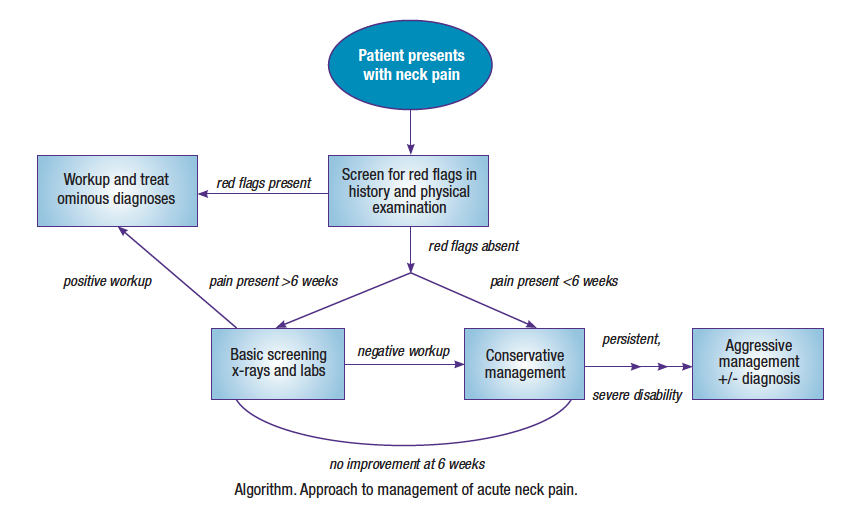
Neck pain often requires a multidisciplinary approach for comprehensive and effective management. Collaboration between different healthcare professionals can ensure a holistic approach to care.
Multidisciplinary approach
Collaboration among healthcare professionals, including nurses, physicians, physical therapists, and specialists, is essential in addressing all aspects of neck pain. Each professional brings their expertise to the table, resulting in a comprehensive care plan tailored to the patient’s needs. By working together, they can focus on pain management, functional improvement, and addressing any underlying conditions contributing to the neck pain.
Working with physical therapists
Physical therapists play a vital role in the management of neck pain. They can provide targeted exercises and interventions to improve range of motion, strength, and flexibility in the neck and surrounding muscles. Nurses should coordinate with physical therapists to ensure that the patient’s goals and treatment plan align. Regular communication and updates on the patient’s progress are crucial to provide optimal care.
Referral to specialists
In some cases, neck pain may require specialized care beyond the scope of nursing or physical therapy. Referring patients to specialists, such as orthopedic surgeons, neurologists, or pain management specialists, may be necessary for further evaluation and treatment. Nurses should collaborate with the healthcare team to determine the appropriate timing and need for specialist referrals.
Pain Management
Managing neck pain effectively is crucial to improve the patient’s quality of life and facilitate their recovery. A combination of medication and non-pharmacological interventions can provide relief.
Medication options for pain relief
Medications, such as nonsteroidal anti-inflammatory drugs (NSAIDs), muscle relaxants, and analgesics, may be prescribed to alleviate pain and reduce inflammation. However, it is important for healthcare professionals to carefully assess the patient’s medical history, allergies, and potential interactions before prescribing any medications. Monitoring for side effects and regularly reviewing the effectiveness of the medication is also essential.
Non-pharmacological interventions
Non-pharmacological interventions can complement medication in managing neck pain. Heat and cold therapy can provide temporary relief by reducing muscle tension and inflammation. Physical therapy modalities, such as ultrasound or electrical stimulation, can help improve blood flow, promote healing, and relieve pain. Relaxation techniques, such as deep breathing exercises and mindfulness, can also assist in reducing stress and tension.
Importance of regular pain assessments
Pain is subjective, and its intensity may vary over time. Regular pain assessments ensure that the patient’s pain levels are monitored and addressed promptly. Nurses should establish an open line of communication with the patient, encouraging them to report any changes in pain intensity or quality. Adjustments in the pain management plan can be made based on the assessment results to ensure maximum comfort for the patient.
Mobility and Positioning
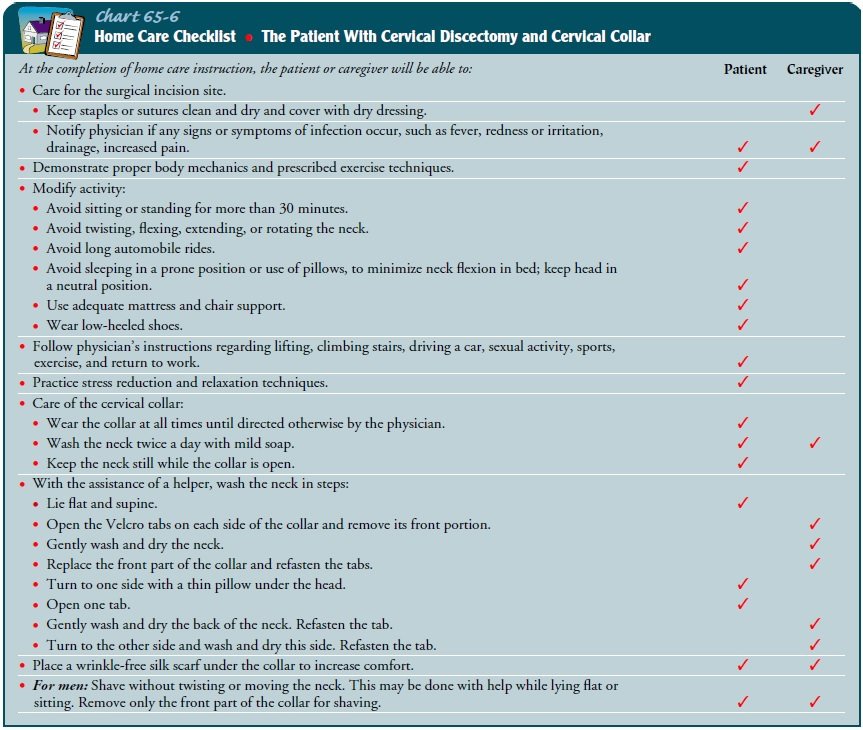
Proper mobility and positioning are essential aspects of managing neck pain. Nurses can provide guidance and support to promote optimum body alignment and reduce pain.
Promoting optimal body alignment
Encouraging patients to maintain proper body alignment can alleviate strain on the neck muscles and help reduce pain. Nurses can teach patients about proper posture during various activities, such as sitting, standing, and lifting. Emphasizing the importance of maintaining a straight spine and avoiding slouching can help reduce the risk of exacerbating neck pain.
Educating patients about proper posture
Providing education on proper posture is crucial for long-term management of neck pain. Nurses should teach patients about the correct alignment of the head, neck, and spine during daily activities. Emphasizing the importance of avoiding excessive forward head posture and keeping the shoulders relaxed can help prevent further strain on the neck muscles.
Assistance with transfers and ambulation
Assistance with transfers and ambulation is essential for patients with severe neck pain or limited mobility. Nurses should ensure that proper transfer techniques are utilized to minimize strain on the neck and surrounding areas. Providing assistive devices, such as canes or walkers, can improve stability and reduce the risk of falls.
Patient Education
Empowering patients with knowledge about their condition and self-management strategies is crucial in promoting their active participation in their own care.
Explanation of diagnosis and treatment options
Patients need a clear understanding of their diagnosis and the potential causes of their neck pain. Nurses should take the time to explain the results of assessments, imaging studies, and diagnostic tests in a language that the patient can understand. Providing information about available treatment options, including medication, physical therapy, and lifestyle modifications, allows patients to make informed decisions about their care.
Teaching self-management strategies
Equipping patients with self-management strategies is essential to promote independence and long-term success in managing neck pain. Nurses should educate patients on self-care techniques, such as stretching exercises, relaxation techniques, and ergonomic adjustments. Teaching the importance of regular breaks during prolonged activities and maintaining a healthy lifestyle can also contribute to better pain management.
Providing resources for additional support
Neck pain can have a significant impact on an individual’s physical and emotional well-being. Nurses can provide patients with resources, such as support group information or educational materials, to help them cope with the emotional and psychological implications of their condition. Knowing that they are not alone and having access to support can make a significant difference in the patient’s overall well-being.
Psychosocial Support
Addressing the emotional impact of neck pain is crucial in providing holistic care. Nurses should assess and support patients’ psychosocial well-being throughout their treatment journey.
Addressing emotional impact of neck pain
Neck pain can cause emotional distress, frustration, and even depression in some individuals. It is essential for nurses to create a safe and supportive environment where patients can express their emotions and concerns. Offering active listening, empathy, and reassurance can help patients cope with the emotional impact of their condition.
Encouraging participation in support groups
Support groups can be a valuable source of emotional support and information for individuals with neck pain. Nurses should encourage patients to participate in support groups or connect with others who are going through similar experiences. Support groups provide an opportunity for patients to share their experiences, ask questions, and learn coping strategies from others who have faced similar challenges.
Identifying coping mechanisms
Coping mechanisms play a crucial role in helping patients manage the emotional stress associated with neck pain. Nurses should work with patients to identify healthy coping strategies, such as mindfulness, deep breathing exercises, or engaging in enjoyable activities. Encouraging patients to practice self-care and engage in activities that bring them joy can help improve their overall well-being.
Prevention and Health Promotion
Promoting preventive measures and healthy habits is essential in reducing the risk of neck pain and maintaining overall musculoskeletal health.
Promoting proper ergonomics
Educating individuals about proper ergonomics is key in preventing neck pain caused by poor posture and repetitive strain. Nurses should provide guidance on maintaining proper body alignment while sitting, standing, and engaging in various activities. Emphasizing the importance of ergonomic workstations and correct lifting techniques can help individuals minimize the risk of developing neck pain.
Educating on neck injury prevention
Educating individuals on neck injury prevention is crucial, especially for those involved in activities that pose a higher risk, such as sports or manual labor. Nurses should educate patients about the importance of wearing protective gear, using proper equipment, and employing safe techniques during physical activities. Providing information on injury prevention exercises and warm-up routines can also help individuals reduce the risk of neck injuries.
Encouraging regular exercise and stretching
Regular exercise and stretching are essential for maintaining the overall health and flexibility of the musculoskeletal system, including the neck. Nurses should encourage patients to engage in regular physical activity that targets the neck and surrounding muscles. Simple stretching exercises, such as neck rotations and side-to-side movements, can help improve mobility and reduce the risk of developing neck pain.

Safety Considerations
Ensuring the safety of patients with neck pain is paramount. Nurses should implement appropriate safety measures to minimize the risk of adverse events.
Assessing fall risk and implementing preventative measures
Patients with neck pain may experience limitations in mobility and balance, increasing their risk of falls. Nurses should assess the patient’s fall risk and implement appropriate measures to prevent falls, such as ensuring a clutter-free environment, providing assistive devices, and supervised ambulation when necessary. Regularly reassessing the patient’s condition and involving physical therapists can help determine the most effective fall prevention strategies.
Monitoring for adverse effects of medications
Adverse effects can occur with medications used to manage neck pain. Nurses should monitor patients closely for any side effects, such as gastrointestinal disturbances, drowsiness, or allergic reactions. Providing education on potential side effects and encouraging patients to report any unusual symptoms promptly is essential for timely intervention.
Implementing appropriate infection control measures
Infection control measures are crucial in maintaining a safe healthcare environment for patients with neck pain. Nurses should adhere to proper hand hygiene, utilize personal protective equipment when necessary, and follow established infection control protocols. Regularly disinfecting surfaces and equipment can help prevent the spread of infections and ensure patient safety.
Importance of Communication
Effective communication is key in providing optimal care and support for patients with neck pain. Nurses should prioritize open dialogue and active listening to ensure patients’ needs and concerns are addressed.
Active listening to patient concerns
Actively listening to patient concerns is vital in building rapport and understanding their needs. Nurses should create a safe space where patients feel comfortable sharing their experiences, fears, and questions. Taking the time to listen attentively and validate the patient’s emotions and concerns fosters trust and demonstrates empathy.
Effective communication with healthcare team
Collaboration among healthcare professionals is essential for providing comprehensive care to patients with neck pain. Nurses should actively communicate with the healthcare team, sharing relevant information, and seeking input from other professionals. Effective communication ensures that all aspects of the patient’s care are addressed and that interventions are coordinated and aligned with the patient’s goals.
Promoting open dialogue with patients
Encouraging open dialogue with patients is crucial in involving them in their care and decision-making process. Nurses should provide opportunities for patients to ask questions, seek clarification, and voice their preferences. Engaging in shared decision-making empowers patients and allows them to actively participate in developing their treatment plan.
In conclusion, caring for patients with neck pain requires a comprehensive approach that addresses the physical, emotional, and psychosocial aspects of their condition. By understanding the underlying causes and types of neck pain, performing thorough assessments, and implementing collaborative care, nurses can provide effective pain management, promote mobility and positioning, and educate patients on self-management strategies. Additionally, addressing the emotional impact, promoting prevention and health promotion, ensuring safety, and fostering open communication contribute to holistic care for patients experiencing neck pain.