
Inflammation is a natural response of your body to injury or infection, serving as a protective mechanism that helps to heal tissues and fend off harmful pathogens. However, when inflammation becomes chronic, it can lead to a host of health issues, including heart disease, diabetes, and autoimmune disorders. You may not realize it, but the foods you consume, your stress levels, and even your lifestyle choices can significantly influence the inflammatory processes in your body.
Understanding this complex interplay is crucial for maintaining optimal health and well-being. Chronic inflammation often manifests in subtle ways, such as fatigue, joint pain, or digestive issues. You might find yourself feeling sluggish or experiencing discomfort without understanding the underlying cause.
This persistent state of inflammation can be detrimental, as it not only affects your physical health but can also impact your mental well-being. By recognizing the signs of inflammation and its potential consequences, you can take proactive steps to mitigate its effects and promote a healthier lifestyle.
Key Takeaways
- Inflammation is a natural response of the body to injury or infection, but chronic inflammation can lead to various health issues.
- Anti-inflammatory herbs can help reduce inflammation and provide numerous health benefits, such as improved joint health and reduced risk of chronic diseases.
- Different anti-inflammatory herbs have varying levels of effectiveness, with some being more potent than others in reducing inflammation.
- Turmeric is a powerful anti-inflammatory herb due to its high concentration of curcumin, which has been shown to have strong anti-inflammatory properties.
- Ginger is another potent anti-inflammatory herb that has been used for centuries in traditional medicine to reduce inflammation and alleviate pain.
The Benefits of Using Anti-inflammatory Herbs
Incorporating anti-inflammatory herbs into your diet can be a powerful strategy for combating chronic inflammation. These natural remedies have been used for centuries in various cultures for their healing properties. You may find that herbs like turmeric, ginger, and boswellia not only enhance the flavor of your meals but also provide significant health benefits.
By harnessing the power of these herbs, you can support your body’s natural healing processes and reduce the risk of inflammation-related diseases. One of the most appealing aspects of using anti-inflammatory herbs is their versatility. You can easily add them to your daily routine, whether through cooking, teas, or supplements.
This accessibility allows you to take charge of your health in a way that feels both enjoyable and sustainable. As you explore different herbs, you may discover new flavors and culinary experiences that enrich your diet while simultaneously promoting better health.
Comparing the Effectiveness of Various Anti-inflammatory Herbs

When it comes to anti-inflammatory herbs, not all are created equal. Each herb possesses unique compounds that contribute to its effectiveness in reducing inflammation. For instance, turmeric contains curcumin, a potent anti-inflammatory agent that has garnered significant attention in recent years.
On the other hand, ginger is rich in gingerols and shogaols, which also exhibit strong anti-inflammatory properties. As you delve into the world of herbal remedies, it’s essential to compare these options to determine which ones align best with your health goals. In addition to turmeric and ginger, other herbs like boswellia and green tea offer their own distinct benefits.
Boswellia serrata, for example, has been shown to inhibit inflammatory pathways in the body, making it a popular choice for those suffering from arthritis or chronic pain. Green tea, rich in polyphenols, provides antioxidant benefits that can further combat inflammation. By understanding the strengths and weaknesses of each herb, you can make informed decisions about which ones to incorporate into your daily routine.
Examining the Potency of Turmeric as an Anti-inflammatory Herb
Turmeric has gained widespread recognition as a powerful anti-inflammatory herb, largely due to its active compound, curcumin. Research has demonstrated that curcumin can effectively reduce markers of inflammation in the body, making it a valuable addition to your health regimen. You might consider incorporating turmeric into your meals or taking it as a supplement to harness its full potential.
The vibrant yellow spice not only adds color and flavor to dishes but also serves as a natural remedy for various ailments. However, it’s important to note that curcumin is not easily absorbed by the body on its own. To enhance its bioavailability, you may want to combine turmeric with black pepper, which contains piperine—a compound that significantly increases curcumin absorption.
This simple addition can make a substantial difference in how effectively your body utilizes this potent herb. By understanding how to maximize turmeric’s benefits, you can better support your body’s fight against inflammation.
Exploring the Power of Ginger as an Anti-inflammatory Herb
Ginger is another remarkable anti-inflammatory herb that has been celebrated for its medicinal properties for centuries. Its active compounds, gingerols and shogaols, have been shown to inhibit inflammatory responses in the body effectively. You might find that incorporating ginger into your diet not only adds a zesty kick to your meals but also provides relief from various inflammatory conditions such as arthritis or muscle soreness.
In addition to its anti-inflammatory effects, ginger is known for its ability to aid digestion and alleviate nausea. Whether you enjoy it fresh in smoothies, steeped in tea, or as a spice in savory dishes, ginger offers a multitude of health benefits that extend beyond inflammation reduction. By embracing this versatile herb, you can enhance both your culinary experiences and overall well-being.
Investigating the Strength of Boswellia as an Anti-inflammatory Herb
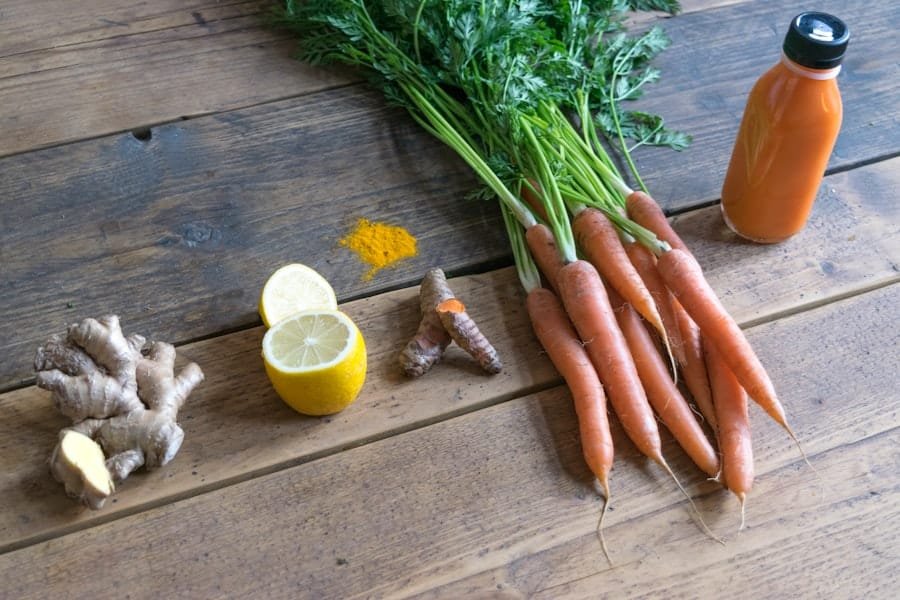
Boswellia serrata, commonly known as frankincense, is an ancient herb that has gained attention for its potent anti-inflammatory properties. Research indicates that boswellia can inhibit the production of pro-inflammatory enzymes and cytokines in the body, making it particularly beneficial for individuals suffering from chronic inflammatory conditions such as osteoarthritis or inflammatory bowel disease. If you’re seeking a natural remedy for persistent pain or inflammation, boswellia may be worth considering.
You might find boswellia available in various forms, including capsules or topical applications. Its unique ability to target inflammation at the cellular level sets it apart from other herbs. As you explore boswellia’s potential benefits, you may discover that it complements other anti-inflammatory strategies you’re already employing, creating a holistic approach to managing inflammation and promoting overall health.
Assessing the Efficacy of Green Tea as an Anti-inflammatory Herb
Green tea is often lauded for its numerous health benefits, with its anti-inflammatory properties being among the most significant. Rich in polyphenols—particularly epigallocatechin gallate (EGCG)—green tea has been shown to reduce inflammation and oxidative stress in the body. You may find that incorporating green tea into your daily routine not only provides a refreshing beverage option but also supports your overall health by combating chronic inflammation.
In addition to its anti-inflammatory effects, green tea is known for its potential to enhance metabolism and promote weight loss. This dual benefit makes it an appealing choice for those looking to improve their health while managing inflammation. Whether enjoyed hot or cold, green tea offers a simple yet effective way to incorporate anti-inflammatory properties into your lifestyle.
Choosing the Right Anti-inflammatory Herb for Your Health Needs
With so many anti-inflammatory herbs available, choosing the right one for your specific health needs can feel overwhelming. It’s essential to consider factors such as your individual health conditions, dietary preferences, and lifestyle when making this decision. You might start by assessing which symptoms you wish to address—whether it’s joint pain, digestive issues, or general inflammation—and then explore which herbs align best with those goals.
Consulting with a healthcare professional can also provide valuable insights into which anti-inflammatory herbs may be most beneficial for you. They can help guide you through potential interactions with medications or other treatments you may be undergoing. By taking a thoughtful approach to selecting anti-inflammatory herbs, you can create a personalized plan that supports your health journey and empowers you to take control of your well-being.
In conclusion, understanding inflammation and its impact on health is crucial for making informed choices about your well-being. By exploring the benefits of various anti-inflammatory herbs like turmeric, ginger, boswellia, and green tea, you can harness their unique properties to combat chronic inflammation effectively. As you navigate this journey toward better health, remember that each herb offers distinct advantages—so take the time to discover which ones resonate with you and align with your health goals.
FAQs
What is an anti-inflammatory herb?
An anti-inflammatory herb is a plant-based substance that has been shown to reduce inflammation in the body. Inflammation is the body’s natural response to injury or infection, but chronic inflammation can contribute to various health conditions such as arthritis, heart disease, and cancer.
What are some common anti-inflammatory herbs?
Some common anti-inflammatory herbs include turmeric, ginger, cinnamon, garlic, and green tea. These herbs contain compounds that have been shown to have anti-inflammatory properties and may help reduce inflammation in the body.
What is the strongest anti-inflammatory herb?
Turmeric is often considered one of the strongest anti-inflammatory herbs due to its high concentration of curcumin, a compound with powerful anti-inflammatory effects. Studies have shown that curcumin can help reduce inflammation and may be beneficial for conditions such as arthritis and inflammatory bowel disease.
How can anti-inflammatory herbs be used?
Anti-inflammatory herbs can be used in various forms, including fresh or dried herbs for cooking, as supplements in capsule or powder form, or as herbal teas. They can also be used topically in creams or ointments for localized inflammation.
Are there any potential side effects of using anti-inflammatory herbs?
While anti-inflammatory herbs are generally considered safe for most people, some individuals may experience side effects such as digestive upset or allergic reactions. It’s important to consult with a healthcare professional before using anti-inflammatory herbs, especially if you have any underlying health conditions or are taking medications.