
- You’re facing the prospect of radiation treatment for your acoustic neuroma, and it’s understandable if your mind is a whirlwind of questions. As your Listicle Content Architect (LCA), my goal is to demystify this complex topic and equip you with the knowledge you need to navigate this journey with confidence. This listicle is designed to break down the essentials of radiation therapy for acoustic neuroma in a way that’s clear, comprehensive, and empowering. Let’s dive in.
You’ve likely heard the term “acoustic neuroma,” but to truly understand your treatment options, a quick refresher on what it is and its potential impact is crucial. This understanding forms the bedrock upon which your treatment decisions will be built.
What Exactly is an Acoustic Neuroma?
You’re dealing with a non-cancerous tumor that arises from the Schwann cells – the cells that cover the nerves responsible for hearing and balance. These nerves run from your inner ear to your brain. When one of these tumors grows, it presses on these nerves, leading to a range of symptoms.
The Nerve Involvement: Hearing and Balance
The most common symptoms stem from pressure on the vestibulocochlear nerve. This nerve has two crucial branches:
- Cochlear nerve: Responsible for transmitting sound information to your brain, hence the potential for hearing loss.
- Vestibular nerve: Controls your sense of balance. Pressure here can lead to dizziness and unsteadiness.
Other Nerves That Can Be Affected
While the primary focus is on the vestibulocochlear nerve, as the tumor grows, it can also impinge on nearby cranial nerves, notably the facial nerve.
- Facial nerve (Cranial Nerve VII): This nerve controls facial expressions and sensation. Compression can lead to weakness or paralysis on one side of your face.
- Trigeminal nerve (Cranial Nerve V): Responsible for sensation in your face and motor functions like chewing. Though less common, involvement here can cause facial numbness or pain.
Why Does It Grow, and When Do We Intervene?
The exact cause of acoustic neuromas, also known as vestibular schwannomas, remains largely unknown. In most cases, they develop sporadically, meaning they aren’t inherited. However, in rare instances, they can be part of a genetic disorder called neurofibromatosis type 2 (NF2).
The “Watchful Waiting” Approach
For many, the journey begins with “watchful waiting.” You might have a small tumor that isn’t causing significant symptoms. In such cases, your healthcare team will likely recommend regular MRI scans to monitor its growth rate. This approach is chosen because acoustic neuromas typically grow very slowly.
When Treatment Becomes Necessary
Intervention is usually recommended when:
- The tumor is causing noticeable and bothersome symptoms (e.g., significant hearing loss, tinnitus, imbalance, facial weakness).
- The tumor is large and carries a higher risk of future complications due to pressure on surrounding structures.
- You have bilateral acoustic neuromas (tumors on both sides), which is often associated with NF2 and requires a more proactive management strategy.
- Your age and overall health make it a suitable option compared to surgery.
Exploring the Different Types of Radiation Treatment for Acoustic Neuroma
Now that you understand what you’re dealing with, let’s explore the primary methods of radiation therapy that are specifically employed for acoustic neuromas. These techniques are designed to target the tumor with precision while minimizing damage to surrounding healthy tissues.
Stereotactic Radiosurgery (SRS)
This is often the first-line radiation treatment considered for acoustic neuromas. SRS is a highly focused form of radiation therapy that delivers a precise, high dose of radiation to the tumor in a single treatment session.
How SRS Works: Precision Targeting
The “stereotactic” part refers to the system of precise three-dimensional targeting used. You’ll likely undergo a detailed imaging session where an MRI or CT scan outlines the exact location and size of the tumor. A specialized head frame or mask is then fitted to your head to ensure absolute immobility during the treatment. This fixation is critical for the accuracy of the radiation delivery.
The Gamma Knife Approach
One of the most well-known forms of SRS is the Gamma Knife. It uses a large number of low-energy gamma rays from cobalt-60 sources, all converging on the tumor from different angles. This convergence creates a very high radiation dose at the tumor site while keeping the dose to surrounding healthy tissue relatively low.
The Linear Accelerator (LINAC) Approach
Another method utilizes a linear accelerator (LINAC) to deliver radiation. Unlike the Gamma Knife, a LINAC machine moves around your head to deliver radiation beams from multiple angles. This approach is often referred to as stereotactic radiotherapy or stereotactic conformal radiotherapy, depending on the technology used.
Benefits of SRS
- Minimally Invasive: No surgical incision is required.
- Single Treatment Session: This means less disruption to your daily life.
- High Precision: Excellent at targeting the tumor while sparing nearby critical structures.
- Effective Tumor Control: High rates of achieving tumor shrinkage or halting growth.
Potential Side Effects of SRS
While generally well-tolerated, some side effects can occur, though they are often temporary:
- Fatigue: Mild tiredness is common in the days and weeks following treatment.
- Headache: Some individuals experience a headache that can be managed with over-the-counter pain relievers.
- Scalp Irritation: Less common, but some localised scalp tenderness might occur.
- Nerve Dysfunction: This is the most significant potential side effect, particularly affecting hearing, balance, and facial nerve function. These can manifest weeks to months or even years after treatment.
Fractionated Stereotactic Radiotherapy (FSRT)
In cases where the tumor is larger, closer to critical structures, or if SRS is not deemed the most suitable option, your treatment team might opt for fractionated stereotactic radiotherapy (FSRT). This approach involves delivering radiation in multiple smaller doses over several treatment sessions, typically spread out over a few weeks.
Why Fractionation is Used
The rationale behind FSRT is to reduce the risk of damage to surrounding healthy tissues. By dividing the total radiation dose into smaller daily fractions, healthy cells have more time to repair themselves between treatments. This allows for a higher cumulative dose to the tumor over time.
The Treatment Process for FSRT
Similar to SRS, FSRT uses precise targeting systems. You will likely wear a custom-fitted mask or thermoplastic shell to ensure your head remains perfectly still during each session.
Daily Treatments
You will visit the radiation oncology center every weekday (or as prescribed) for a period of usually 3 to 5 weeks. Each session typically lasts between 15 to 30 minutes.
Imaging Guidance
Image guidance systems are used at each session to verify the precise positioning of the tumor and ensure the radiation beams are accurately delivered.
Benefits of FSRT
- Reduced Risk of Side Effects: Particularly for nerves and surrounding brain tissue.
- Suitable for Larger Tumors: Can be an option when SRS might carry too high a risk of complications.
- Good Tumor Control: Still a highly effective method for managing acoustic neuromas.
Potential Side Effects of FSRT
Side effects are generally less acute than with SRS but can still occur:
- Fatigue: This is a common side effect, often cumulative over the course of treatment.
- Skin Reaction: Mild redness or irritation on the treated area of the scalp might occur.
- Hair Loss: Localised hair thinning or loss in the area where radiation was delivered is possible.
- Nerve Dysfunction: Similar to SRS, there’s still a risk of impact on hearing, balance, and facial nerve function, though the risk profile might be shifted due to fractionation.
Intensity-Modulated Radiation Therapy (IMRT)
While less commonly the primary modality for acoustic neuromas compared to SRS and FSRT, Intensity-Modulated Radiation Therapy (IMRT) can be considered in specific complex cases. IMRT is an advanced form of external beam radiation that allows for more precise shaping of radiation beams to a tumor’s irregular shape.
The Mechanics of IMRT
IMRT delivers radiation at varying intensities across the treatment field. This means that the radiation dose can be escalated in the tumor while being significantly reduced in the surrounding sensitive organs.
Advanced Beam Modulation
Advanced technology within the linear accelerator allows the machine to move and modulate the intensity of the radiation beam as it’s delivered. This creates a highly customized radiation dose distribution.
When IMRT Might Be Considered
- Tumors in Close Proximity to Critical Structures: When acoustic neuromas are unusually close to the brainstem or optic nerves, IMRT can offer superior dose sparing.
- Recurrent Tumors: If you’ve had previous radiation and the tumor has regrown, IMRT might be an option for re-treatment.
- Complex Tumor Shapes: For irregularly shaped tumors, IMRT allows for better conformity of the radiation plan.
Benefits of IMRT
- Superior Dose Conformity: Excellent at sculpting the radiation dose to match the tumor.
- Maximum Sparing of Organs at Risk: Crucial for preserving function.
Potential Side Effects of IMRT
The side effects of IMRT are similar to FSRT and depend on the area treated and the total dose:
- Fatigue: Can be significant.
- Skin Irritation: Depending on the area targeted.
- Hair Loss: Localised.
- Nerve Damage: Although IMRT aims to minimize this, the risk remains.
The Treatment Planning Process: Precision is Paramount

You might be wondering how your doctors decide on the exact radiation plan. The development of your radiation treatment plan is a meticulous and highly collaborative process involving a team of specialists. It’s designed to maximize the effectiveness of the treatment while minimizing any potential harm.
The Multidisciplinary Team
Your treatment plan will be developed by a team of experts, each bringing their unique skills to the table:
- Radiation Oncologist: The physician who oversees your radiation therapy, makes treatment decisions, and monitors your progress.
- Medical Physicist: Responsible for the technical aspects of radiation delivery, ensuring the equipment is calibrated correctly and that the prescribed dose is precisely delivered.
- Dosimetrist: Works with the radiation oncologist and physicist to calculate and design the optimal radiation dose distribution for your tumor.
- Radiation Therapists: The professionals who will operate the radiation equipment and deliver your daily treatments.
- Neurosurgeon/ENT Specialist: Your initial diagnosing physician and a crucial part of the team for understanding the tumor’s anatomy and your overall health status.
Imaging for Planning
Accurate imaging is the cornerstone of effective radiation planning. You’ll undergo a series of scans to precisely define the tumor and its surrounding anatomy.
MRI Scans: The Gold Standard
Magnetic Resonance Imaging (MRI) is the preferred imaging modality for acoustic neuromas.
Detailed Anatomical Visualization
MRIs provide highly detailed cross-sectional images of the brain and inner ear, allowing for precise outlining of the tumor’s boundaries.
Contrast Agents
Often, a contrast agent (gadolinium) is injected intravenously. This helps to make the tumor more visible on the MRI scan, providing clearer delineation.
CT Scans for Immobilization Devices
Sometimes, Computed Tomography (CT) scans are also used, especially in conjunction with the immobilization device (head frame or mask) that you’ll wear during treatment. This helps to correlate the MRI images with the positioning device.
Defining the Treatment Volume
Once the imaging is complete, the team will meticulously delineate specific areas in the planning software.
The Gross Tumor Volume (GTV)
This is the visible tumor as seen on the imaging scans.
The Clinical Target Volume (CTV)
This encompasses the GTV plus a small margin to account for microscopic tumor cells that might extend beyond what’s visible. For acoustic neuromas, this margin is often carefully considered to avoid unnecessary radiation to healthy tissue.
The Planning Target Volume (PTV)
This is the CTV plus an additional margin to account for uncertainties in patient setup and normal organ movement during treatment.
Critical Structures to Protect
A significant part of the planning process involves identifying and protecting nearby “organs at risk.” For acoustic neuromas, these are particularly important:
- Brainstem: The vital control center for many bodily functions.
- Cochlea: Responsible for hearing.
- Inner Ear/Vestibular System: Relates to balance.
- Optic Nerves and Chiasm: Crucial for vision.
- Normal Brain Tissue: Minimizing radiation to healthy brain parenchyma is always a priority.
The Radiation Plan Itself
Your radiation oncologist, physicist, and dosimetrist will work together to create a treatment plan that specifies:
- Radiation Dose: The total amount of radiation to be delivered.
- Number of Fractions: The number of treatment sessions.
- Beam Angles and Energies: The precise angles and types of radiation beams to be used.
- Dose Distribution: How the radiation dose will be distributed across the tumor and surrounding tissues.
This entire process ensures that the radiation is delivered as accurately and effectively as possible.
What to Expect During and After Radiation Treatment
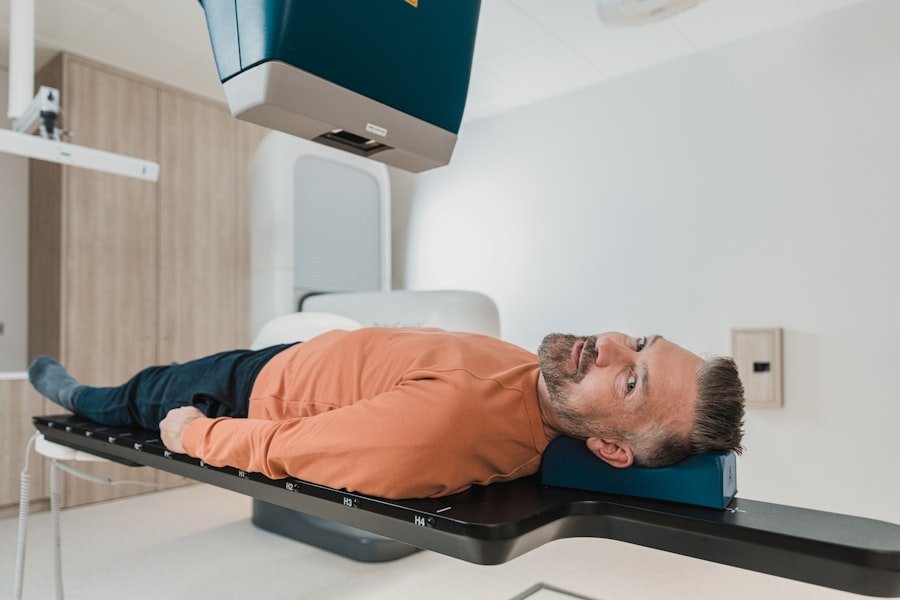
Understanding the practicalities of undergoing radiation treatment, from the appointment itself to the recovery period, is essential to alleviate anxiety and prepare you for what lies ahead.
During Your Radiation Sessions
Your experience during each radiation session will depend on the type of therapy you’re receiving, but generally, it involves a structured and precise process.
The Treatment Room Experience
- Immobilization: You will lie on a treatment couch. If you underwent stereotactic radiosurgery (SRS) with a head frame, this will be secured. For fractionated therapies, you’ll likely wear a custom-fitted thermoplastic mask that molds to your face and head, holding you still.
- Positioning: Trained radiation therapists will carefully position you on the couch, using lasers and imaging to ensure you’re in the exact spot planned.
- The Machine: The radiation therapy machine (Gamma Knife, LINAC, etc.) will be positioned around you.
- Delivering the Radiation: The machine will deliver small beams of radiation. You will not feel anything during the treatment – no pain, no sensation.
- Communication: You will be able to communicate with the therapists through an intercom. They will be monitoring you throughout the entire session.
- Duration: A single SRS session might take about an hour from start to finish (including setup). FSRT sessions are typically shorter, around 15-30 minutes each.
What You Won’t Experience
- Pain: Radiation therapy itself is painless.
- Radioactivity: You will not be radioactive after your treatment, and you can be around others, including children and pregnant women.
Potential Side Effects and Management
Side effects of radiation for acoustic neuroma can vary greatly from person to person, depending on the dose, the area treated, and individual sensitivity. It’s important to remember that many side effects are temporary.
Immediate and Short-Term Side Effects
These typically appear within days to weeks of treatment.
- Fatigue: This is one of the most common side effects. It can range from mild tiredness to significant exhaustion. Pacing yourself, prioritizing rest, and staying hydrated are crucial.
- Headache: Mild headaches can occur, usually manageable with over-the-counter pain relievers.
- Scalp Irritation/Redness: Some skin reaction in the treatment area might occur, similar to a mild sunburn. Your medical team can provide recommendations for soothing lotions or creams.
- Nausea: Less common with modern techniques, but if it occurs, anti-nausea medications can be prescribed.
Long-Term Side Effects
These can emerge weeks, months, or even years after treatment. This is where careful monitoring is paramount.
- Hearing Loss: This is a significant concern, as the cochlea is sensitive to radiation. The risk and severity depend on the dose and proximity of the tumor to the cochlea. Your doctor will monitor your hearing with regular audiology tests.
- Tinnitus: A ringing or buzzing in the ear can persist or develop.
- Balance Problems (Vertigo/Dizziness): Damage to the vestibular nerve can lead to ongoing balance issues. Physical therapy might be recommended.
- Facial Weakness/Numbness: Damage to the facial nerve can cause a range of symptoms, from subtle weakness to more noticeable facial drooping.
- Cerebellar Edema: In some cases, swelling in the cerebellum can occur, leading to new or worsening coordination problems or dizziness. This is usually treatable with steroids.
- Radiation Necrosis: This is a rare but serious complication where the radiated tissue dies. It can occur months or years after treatment and may require further medical intervention.
The Importance of Follow-Up Care
Your journey doesn’t end when radiation treatment is complete. Rigorous follow-up is essential for monitoring the tumor’s response and managing any potential side effects.
Regular MRI Scans
You will have regular MRI scans, often every 6-12 months initially, to check if the tumor has stopped growing or has shrunk. The frequency of these scans will be determined by your doctor.
Audiology and Vestibular Assessments
Regular hearing tests (audiograms) and balance assessments are crucial for detecting early changes and intervening if necessary.
Neurological Examinations
Your doctor will perform regular neurological exams to check for any changes in facial nerve function, sensation, or other neurological signs.
Open Communication with Your Healthcare Team
It is vital to maintain open and honest communication with your radiation oncologist and the rest of your medical team. Report any new or worsening symptoms promptly. Early detection and management are key to a positive outcome.
Weighing Radiation Therapy Against Other Treatment Options
| Treatment Type | Success Rate | Side Effects |
|---|---|---|
| Stereotactic Radiosurgery (SRS) | 90% | Temporary hair loss, fatigue |
| Intensity-Modulated Radiation Therapy (IMRT) | 85% | Fatigue, skin irritation |
| Proton Therapy | 95% | Fatigue, nausea |
Understanding radiation therapy for an acoustic neuroma is crucial, but so is understanding how it fits into the broader landscape of treatment options. Your decision-making process is informed by comparing and contrasting these approaches, considering your individual circumstances.
Surgery: The Traditional Approach
Surgery has historically been the primary treatment for acoustic neuromas. It involves surgically removing the tumor.
Types of Surgical Approaches
- Retrosigmoid Approach: The most common approach, accessing the tumor through an incision behind the ear.
- Translabyrinthine Approach: Involves removing part of the mastoid bone and inner ear to reach the tumor. This approach typically results in permanent hearing loss in the operated ear.
- Middle Fossa Approach: Accesses the tumor from above the ear, often used for smaller tumors located near the internal auditory canal.
Pros of Surgery
- Immediate Tumor Removal: Can provide immediate relief from pressure symptoms.
- Pathological Confirmation: Allows for direct examination of the tumor tissue.
- Potential for Tumor Recurrence Reduction (if fully removed): If the tumor is completely excised, the risk of recurrence from that specific tumor is eliminated.
Cons of Surgery
- Invasive Nature: Requires general anesthesia and a hospital stay.
- Risk of Complications: Potential for hearing loss, facial nerve damage, cerebrospinal fluid leak, infection, and meningitis.
- Recovery Time: Can involve several weeks to months for full recovery.
The “Watchful Waiting” Strategy
As mentioned earlier, for small, asymptomatic tumors, watchful waiting is a valid option.
Pros of Watchful Waiting
- Avoids Treatment Risks: No immediate side effects or complications from radiation or surgery.
- Preserves Function: Allows for continued preservation of hearing and facial nerve function as long as the tumor isn’t pressing on them.
- Allows for Spontaneous Regression (rare): Although extremely uncommon, some small tumors may not grow.
Cons of Watchful Waiting
- Tumor Growth: The primary risk is the tumor continuing to grow, potentially leading to more significant symptoms or making future treatment more challenging.
- Missed Opportunity for Earlier Intervention: If the tumor grows substantially, it might necessitate more aggressive or complex treatment later.
- Anxiety: The constant monitoring and uncertainty can be a source of anxiety for some individuals.
Comparing Radiation Therapy to Other Options
When you weigh radiation against surgery and watchful waiting, several factors come into play:
Radiation Therapy vs. Surgery
- Minimally Invasive: Radiation is far less invasive than surgery, with no surgical incision or hospital stay required.
- Lower Risk of Certain Complications: While radiation has its own set of potential side effects, the immediate risks associated with major surgery (like infection or CSF leak) are generally lower. However, the risk of hearing loss and facial nerve issues can be comparable or even higher with radiation depending on the specific treatment and tumor characteristics.
- Treatment Goal: Surgery aims to remove the tumor, while radiation aims to stop its growth or shrink it.
- Recovery: Radiation typically involves less downtime than surgical recovery.
Radiation Therapy vs. Watchful Waiting
- Proactive Management: Radiation is a proactive approach to control tumor growth, whereas watchful waiting is reactive.
- Risk of Side Effects: Radiation inherently carries risks of side effects, which can manifest immediately or long-term. Watchful waiting avoids these risks.
- Tumor Size and Symptoms: Radiation is generally considered when symptoms are present or the tumor is large enough to warrant intervention, while watchful waiting is for smaller, asymptomatic tumors.
Your medical team will present these options, and your personal preferences, tumor characteristics (size, location, growth rate), age, and overall health will guide the ultimate decision on the best course of action for you.
Preparing for Your Radiation Treatment Journey
Embarking on radiation treatment for an acoustic neuroma is a significant step, and thorough preparation can make the process less daunting and more manageable. This involves practical, emotional, and logistical considerations.
Pre-Treatment Consultations and Education
Before your first radiation session, you will have several important appointments.
Meeting Your Radiation Oncology Team
You’ll meet your radiation oncologist, medical physicist, and radiation therapists. Don’t hesitate to ask questions – this is your time to get all the information you need.
- Understanding the Plan: Ensure you understand the specifics of your treatment plan, including the number of sessions, the expected duration of each session, and the purpose of any immobilization devices.
- Potential Side Effects: Discuss potential side effects in detail, understand what to watch for, and how they will be managed.
- Emergency Contacts: Know who to contact if you experience an urgent issue or severe side effect.
Imaging and Simulation
As discussed, you’ll undergo detailed imaging to create your treatment plan. A “simulation” session might involve creating your custom mask or fitting your head frame if used.
Practical Preparation
Consider the logistical aspects of managing your treatment schedule.
Transportation
Plan how you will get to and from your radiation appointments. If you’re traveling daily for several weeks, consider the cost and feasibility of gas, parking, or public transport.
Work and Daily Life
Discuss with your employer about taking time off for appointments. For FSRT, you might be able to work during treatment, but fatigue can impact your ability to do so. For SRS, the single session might mean taking just one or two days off.
Nutrition and Hydration
Maintaining good nutrition and staying well-hydrated are crucial for supporting your body through treatment. Your medical team can provide specific dietary recommendations.
- Balanced Diet: Focus on whole foods, lean proteins, fruits, and vegetables.
- Hydration: Drink plenty of water throughout the day, especially on treatment days.
Rest and Activity
Pacing yourself is key.
- Prioritize Rest: Listen to your body and get adequate sleep. Naps can be beneficial for managing fatigue.
- Gentle Exercise: Light physical activity, such as walking, can help combat fatigue and improve overall well-being. Avoid strenuous activities that might exacerbate fatigue or cause injury.
Emotional and Mental Preparation
The emotional toll of a cancer diagnosis and treatment can be significant.
Building a Support System
Lean on your friends and family for emotional and practical support. Don’t be afraid to ask for help with errands, meals, or simply companionship.
Coping Strategies
Explore coping mechanisms that work for you:
- Mindfulness and Meditation: These practices can help manage anxiety and stress.
- Journaling: Writing down your thoughts and feelings can be a helpful outlet.
- Connecting with Others: Support groups, online forums, or talking to a therapist can provide valuable connections and shared experiences.
Realistic Expectations
Understand that treatment is a process with ups and downs. There might be days when you feel better than others. Setting realistic expectations can help you navigate the journey with more resilience.
By addressing these aspects in advance, you can approach your radiation treatment for acoustic neuroma with greater confidence, knowing that you are well-prepared for the physical, emotional, and logistical demands.
FAQs
What is acoustic neuroma?
Acoustic neuroma, also known as vestibular schwannoma, is a non-cancerous tumor that develops on the main nerve leading from the inner ear to the brain.
What is radiation treatment for acoustic neuroma?
Radiation treatment for acoustic neuroma involves using high-energy radiation to target and destroy the tumor cells, while minimizing damage to surrounding healthy tissue.
What are the types of radiation treatment for acoustic neuroma?
The main types of radiation treatment for acoustic neuroma include stereotactic radiosurgery (SRS) and fractionated stereotactic radiotherapy (FSRT).
What are the potential side effects of radiation treatment for acoustic neuroma?
Potential side effects of radiation treatment for acoustic neuroma may include fatigue, headache, nausea, and temporary worsening of symptoms. Long-term side effects can include hearing loss and damage to nearby nerves.
What are the success rates of radiation treatment for acoustic neuroma?
The success rates of radiation treatment for acoustic neuroma vary, but studies have shown that it can effectively control tumor growth in the majority of patients, with low rates of serious complications.