
- ## Understanding Acoustic Neuroma Treatment: A Balancing Act of Risk and Reward
You’ve received a diagnosis of acoustic neuroma, and naturally, your mind immediately turns to treatment options. As the Listicle Content Architect, my goal is to equip you with clear, comprehensive information, helping you navigate the complexities involved. Acoustic neuromas, while typically benign, can cause significant symptoms, and treatment is often pursued to preserve quality of life and prevent further neurological deficits. However, like any medical intervention, treatments for acoustic neuroma carry inherent risks. This listicle delves into those risks, dissecting them with the clarity and detail you deserve. Understanding these potential downsides empowers you to have informed discussions with your medical team and make the best decisions for your health journey. It’s about finding that delicate balance between the potential benefits of intervention and the potential drawbacks, ensuring you’re fully prepared for what lies ahead.
The Pillars of Acoustic Neuroma Treatment: A Quick Overview
Before we dive into the risks, it’s crucial to understand what we’re treating and the primary approaches. Acoustic neuroma, also known as vestibular schwannoma, is a tumor that develops on the balance and hearing nerve (vestibulocochlear nerve) leading from your inner ear to your brain. Symptoms can include hearing loss, tinnitus (ringing in the ear), dizziness, and balance problems. The main treatment modalities generally fall into three categories:
Watchful Waiting (Active Surveillance)
This approach involves regular monitoring of the tumor’s growth and your symptoms without immediate intervention. It’s often considered for smaller tumors, those with slow growth, or when the risks of treatment are deemed higher than the risks of the tumor itself.
Surgery
Surgical removal of the acoustic neuroma is a common treatment. The goal is to remove as much of the tumor as safely possible. The surgical approach can vary depending on the size and location of the tumor.
Radiation Therapy
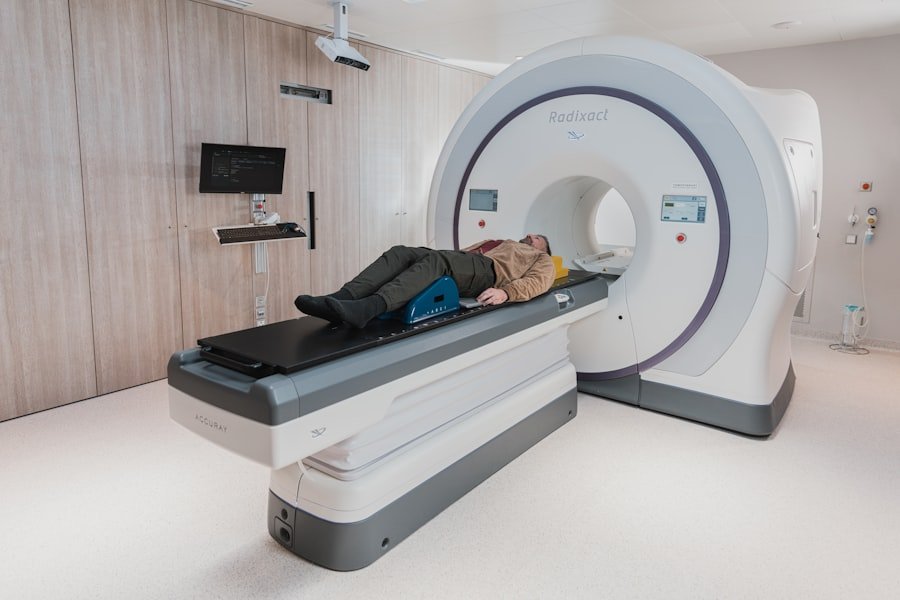
This involves using focused beams of radiation to shrink or control the growth of the tumor. It’s a non-invasive option that can be a primary treatment or an alternative when surgery is not ideal.
Why Discussing Risks is Paramount
You might be wondering why we’re focusing so heavily on risks when you’re likely more concerned with the potential benefits. The answer is simple: informed consent and proactive management. By thoroughly understanding the potential complications associated with each treatment, you can better engage in shared decision-making with your healthcare providers. This deep dive allows you to:
- Set Realistic Expectations: Knowing what could happen helps you prepare mentally and emotionally.
- Identify Critical Questions: Armed with knowledge, you can ask the precise questions that matter most to you.
- Understand Potential Side Effects: Recognizing these allows you to be vigilant for any developing issues post-treatment.
- Facilitate Proactive Management: Early identification of side effects often leads to better outcomes.
This listicle is your guide. We will break down the risks systematically, providing you with a comprehensive understanding that forms the bedrock of your treatment journey.
- ## Surgical Risks: Navigating the Operating Room and Beyond
Surgery for acoustic neuroma is a significant undertaking, and while advancements have made it safer, it’s essential to acknowledge the potential complications. The risks associated with surgery can be broadly categorized into immediate post-operative issues and longer-term consequences. Your surgeon will discuss these in detail, tailoring the information to your specific situation, tumor characteristics, and the chosen surgical approach.
Immediate Post-Operative Concerns
These are complications that can arise in the days and weeks following surgery.
Infection
Anytime the body’s protective barrier (skin) is breached, there’s a risk of infection. For acoustic neuroma surgery, this could involve the surgical incision site itself or, more rarely, deeper infections within the brain or meninges (the membranes surrounding the brain).
Signs and Symptoms to Watch For
- Increased redness, warmth, or swelling at the incision site.
- Drainage from the incision, especially if it’s discolored or has a foul odor.
- Fever, chills, or general malaise (feeling unwell).
- New or worsening headache, neck stiffness, or sensitivity to light.
Prevention and Management
Strict sterile techniques during surgery are paramount for prevention. Post-operatively, diligent wound care and, in some cases, prophylactic antibiotics are employed. If an infection develops, it typically requires prompt treatment with antibiotics, and in severe cases, further surgery might be necessary.
Bleeding (Hemorrhage)
Bleeding can occur within the surgical cavity or in surrounding brain tissue. This can be a significant complication, potentially leading to increased pressure on the brain and neurological deficits.
Intraoperative vs. Postoperative Bleeding
- Intraoperative bleeding occurs during the surgery itself and is managed by the surgical team at that time.
- Postoperative bleeding can manifest hours or days after the procedure.
Potential Consequences of Bleeding
- Development of a hematoma (a collection of blood).
- Increased intracranial pressure (pressure inside the skull).
- Neurological deficits (weakness, numbness, speech difficulties, etc.).
- The need for further surgery to evacuate the blood clot.
Monitoring and Intervention
Patients are closely monitored for signs of bleeding, including changes in neurological status and, often, through imaging scans like CT or MRI. Prompt identification and, if necessary, surgical intervention are critical.
Cerebrospinal Fluid (CSF) Leak
The brain and spinal cord are bathed in cerebrospinal fluid. During surgery, there’s a risk of inadvertently creating a leak in the dura mater, the tough outer membrane surrounding the brain. This can lead to CSF escaping, often through the surgical incision or even the nose or ear (in cases of transmastoid approaches).
Manifestations of a CSF Leak
- A clear, watery discharge from the nose or ear.
- A persistent, severe headache that worsens when upright and improves when lying down (orthostatic headache).
- Sometimes, a post-nasal drip sensation due to fluid dripping down the back of the throat.
Management Strategies
Conservative measures might include bed rest and avoiding straining. If the leak persists, it may require surgical repair, often involving a lumbar drain to reduce CSF pressure or direct surgical closure of the dural defect.
Longer-Term Surgical Sequelae
These are potential issues that may persist or develop months or even years after surgery.
Hearing Loss
This is a very common risk, especially in attempts to preserve the facial nerve. Depending on the size of the tumor and the extent of surgery, you may experience a significant reduction or complete loss of hearing in the affected ear.
Factors Influencing Hearing Preservation
- Tumor size: Smaller tumors generally have a better chance of hearing preservation.
- Facial nerve preservation: Sometimes, the approach to preserve the facial nerve might compromise the hearing nerve.
- Duration of symptoms: Longer-standing symptoms can indicate more advanced tumor involvement and potential damage to the hearing nerve.
Management of Hearing Loss
If hearing loss occurs, options may include hearing aids, cochlear implants (in cases of profound loss), or assistive listening devices.
Facial Nerve Injury (Palsy)
The facial nerve controls the muscles of facial expression. Injury to this nerve during surgery can lead to temporary or permanent weakness or paralysis of the face.
Degrees of Facial Nerve Injury
- Partial weakness: Some movement remains, but it’s reduced.
- Complete paralysis: No movement on the affected side of the face.
Consequences of Facial Palsy
- Difficulty closing the eye.
- Drooping of the mouth, leading to problems with eating and drinking.
- Changes in facial appearance.
- Speech impediments.
- Dryness of the eye due to impaired blinking.
Recovery and Rehabilitation
While some recovery of facial nerve function is possible, it can be slow and incomplete. Physical therapy, eye care, and in some cases, reconstructive surgery may be recommended.
Balance and Dizziness Issues
The vestibular nerve, which is affected by the acoustic neuroma, is crucial for balance. Surgery on or near this nerve can exacerbate existing balance problems or lead to new ones.
Types of Balance Disturbances
- Vertigo: A spinning sensation.
- Disequilibrium: A feeling of unsteadiness.
- Impaired proprioception: Difficulty sensing the position of your body in space.
Adaptation and Rehabilitation
The brain is remarkably adaptable. With time and often with vestibular rehabilitation therapy (exercises designed to retrain the balance system), many individuals can adapt to the changes and improve their balance.
Tinnitus Worsening or New Onset
Tinnitus, the perception of ringing or other sounds in the ear, is a common symptom of acoustic neuroma. Surgery can sometimes worsen existing tinnitus or even cause it to develop in the operated ear.
Explaining the Worsening Tinnitus
- Irritation of the auditory pathways during surgery.
- Changes in blood flow.
- Nerve damage.
Coping Strategies
Management for tinnitus may involve sound therapy, cognitive behavioral therapy (CBT), and stress management techniques.
Neurological Deficits (Other Than Facial Nerve)
Depending on the extent of the surgery and the proximity of the tumor to other critical brain structures, there is a risk of damage to other cranial nerves or brain tissue, leading to various neurological deficits.
Examples of Other Neurological Deficits
- Trigeminal nerve dysfunction: Numbness or altered sensation in the face.
- Difficulty swallowing (dysphagia): Affecting the glossopharyngeal and vagus nerves.
- Speech problems (dysarthria): Affecting the nerves controlling speech muscles.
- In rare cases, issues with coordination or cognitive function.
Management and Support
These deficits are managed on a case-by-case basis with therapies such as speech therapy, occupational therapy, and physical therapy, depending on the specific nerve affected.
- ## Radiation Therapy Risks: Precision and Potential Fallout
Radiation therapy for acoustic neuroma, whether delivered as stereotactic radiosurgery (SRS) or fractionated stereotactic radiotherapy (FSRT), is a highly targeted treatment designed to minimize damage to surrounding healthy tissues. However, even with advanced technology, there are potential risks and side effects. Understanding these allows you to be prepared for what your body might experience during and after treatment.
Short-Term Side Effects of Radiation Therapy
These are effects that typically occur during the course of radiation treatment or shortly thereafter. They are often temporary.
Fatigue
This is one of the most common side effects of radiation therapy for any type of cancer. It’s not just feeling tired; it can be a profound, all-encompassing exhaustion that impacts your daily activities.
Why Fatigue Occurs
- The body expending energy to repair damaged cells.
- The cumulative effect of daily treatments.
- Potential disruptions to sleep.
Management Strategies
- Pacing yourself: Prioritize activities and delegate tasks when possible.
- Rest and sleep: Aim for adequate, restful sleep. Short naps can be beneficial.
- Gentle exercise: While it might seem counterintuitive, light physical activity like walking can help combat fatigue.
- Hydration and nutrition: Maintaining good hydration and a balanced diet supports your body’s energy levels.
- Communicating with your doctor: If fatigue is severe, your doctor can offer further advice and support.
Hair Loss in the Treatment Area
While not usually diffuse like chemotherapy-induced hair loss, radiation can cause temporary or permanent hair loss in the specific area where the radiation beams are focused.
Understanding the Nature of Hair Loss
- Typically limited to the scalp outside the port-of-entry of the radiation beams.
- Often the hair will regrow over time, though it may be finer or sparser.
- Permanent hair loss is possible, especially with higher doses.
Coping Mechanisms
- Wigs or head coverings: If hair loss is a concern, various options are available.
- Patience: Allow time for regrowth.
- Scalp care: Keep the scalp clean and moisturized.
Skin Irritation and Redness
The skin may become red, dry, itchy, or even develop a rash in the area treated with radiation. This is often referred to as radiation dermatitis.
Characteristics of Radiation Dermatitis
- Similar to a sunburn.
- May be more pronounced on areas with friction (e.g., under bra straps or collars).
- Severity can vary from mild redness to peeling or blistering.
Skin Care Recommendations
- Gentle cleansing: Use mild soaps and lukewarm water.
- Moisturizing: Apply a gentle, fragrance-free moisturizer as recommended by your radiation oncology team.
- Avoid irritants: Steer clear of perfumed products, harsh scrubbing, and tight clothing.
- Sun protection: Protect the treated skin from sun exposure.
Long-Term Side Effects of Radiation Therapy
These are effects that may develop months or years after treatment is completed.
Hearing Loss
Similar to surgery, radiation therapy also carries a risk of hearing loss in the treated ear. This can occur gradually over time as the radiation affects the delicate structures of the inner ear and the auditory nerve.
Mechanism of Radiation-Induced Hearing Loss
- Damage to the cochlea (the auditory organ).
- Damage to the auditory nerve fibers.
- Changes in blood supply to the inner ear.
Rate of Progression
Hearing loss from radiation typically develops slowly, often becoming noticeable several months to a few years after treatment.
Monitoring Hearing Function
Regular audiological evaluations are crucial after radiation therapy to detect any gradual hearing decline.
Tinnitus (Ringing in the Ears)
Radiation can also contribute to the development or worsening of tinnitus. This is linked to the same mechanisms that can cause hearing loss, affecting the auditory pathways.
Impact on Quality of Life
Tinnitus can be a persistent and bothersome symptom, impacting sleep, concentration, and overall well-being.
Management Approaches
As with surgically-induced tinnitus, management may involve sound therapies, counseling, and stress reduction techniques.
Facial Nerve Weakness or Paralysis
While radiation aims to spare critical structures, there is still a risk of damage to the facial nerve, particularly if the tumor is very large or close to the nerve. This damage can lead to weakness or paralysis of the facial muscles.
Delayed Onset of Symptoms
Facial nerve deficits from radiation can sometimes manifest months or even years after treatment, as the damage from radiation can be progressive over time.
Treatment Considerations for Facial Nerve Palsy
Similar to surgical palsy, management might involve eye protection, speech therapy, and in some cases, surgical interventions for aesthetic or functional improvements.
Neuroma Recurrence or Growth
Radiation therapy is highly effective at controlling tumor growth and often shrinking tumors. However, it’s not always a complete cure. A small percentage of tumors may continue to grow or recur over time, requiring further management.
Importance of Ongoing Surveillance
Regular MRI scans are essential to monitor for any changes in the tumor’s size or characteristics after radiation therapy.
Future Treatment Options
If recurrence or significant growth occurs, further treatment options, including repeat radiation or surgery, may be considered depending on the situation.
Trigeminal Nerve Dysfunction
The trigeminal nerve is responsible for sensation in the face. Radiation can affect this nerve, leading to symptoms like numbness, tingling, or pain in the face.
Manifestations of Trigeminal Nerve Dysfunction
- Facial numbness or altered sensation.
- Pain that can range from mild discomfort to severe, debilitating neuropathic pain.
- Difficulty with chewing if muscles are affected.
Pain Management
Treating trigeminal neuralgia or other sensory disturbances can be challenging and may involve medications, nerve blocks, or other pain management techniques.
Risk of Developing Malignancy (Extremely Rare)
In extremely rare instances, and typically with very high doses of radiation or in younger individuals, there is a theoretical increased risk of developing a secondary malignancy in the radiation field. Modern SRS techniques use very precise dosing and targeting to minimize this risk significantly.
Understanding the Low Probability
It is crucial to emphasize that this is an exceedingly rare complication, and the benefits of radiation therapy in controlling the acoustic neuroma generally far outweigh this minimal risk.
Ongoing Research and Monitoring
This risk is continuously monitored through long-term follow-up studies of patients treated with radiation.
- ## General Risks Applicable to All Treatment Modalities
Beyond the specific risks associated with surgery and radiation therapy, there are some general considerations and potential complications that can apply, to varying degrees, to any intervention for acoustic neuroma. These are important to discuss with your healthcare team as they can impact your overall health and recovery.
Anesthesia Risks (Primarily for Surgery)
If you undergo surgery, anesthesia is a critical component of the procedure. While modern anesthesia is generally very safe, it does carry some inherent risks.
Allergy to Medications
Some individuals can have allergic reactions to anesthetic agents or other medications used during the perioperative period.
Signs of Allergic Reaction
- Skin rash, itching, or hives.
- Difficulty breathing or wheezing.
- Swelling of the face, lips, or tongue.
- Anaphylaxis (a severe, life-threatening allergic reaction).
Pre-anesthetic Evaluation
Your anesthesiologist will thoroughly review your medical history, including any known allergies, to minimize this risk.
Respiratory Issues
Anesthesia can affect breathing, especially in individuals with pre-existing lung conditions.
Potential Problems
- Bronchospasm (tightening of the airways).
- Post-extubation stridor (noisy breathing after the breathing tube is removed).
- Pneumonia.
Management and Monitoring
Close monitoring of your breathing during and after anesthesia is standard practice. Your team will tailor the anesthetic plan to your respiratory health.
Cardiovascular Complications
Anesthesia can sometimes lead to changes in heart rate and blood pressure.
Possible Issues
- Arrhythmias (irregular heartbeats).
- Hypotension (low blood pressure).
- In rare cases, heart attack or stroke.
Risk Assessment
Your cardiac health will be assessed before surgery, and the anesthesiologist will manage your cardiovascular status closely throughout the procedure.
Nausea and Vomiting Post-Anesthesia (PONV)
This is a common side effect of anesthesia, though often manageable.
Factors Increasing Risk
- History of motion sickness.
- Type of anesthesia used.
- Certain pain medications.
Treatment and Prevention
Anti-nausea medications are routinely given to prevent or treat PONV.
Neurological Deficits Not Directly Related to Nerve Manipulation
While many neurological risks are tied to specific nerve damage, some broader neurological effects can occur.
Cognitive Changes
In some cases, individuals may experience temporary or, rarely, persistent changes in memory, concentration, or overall cognitive function following a significant medical procedure.
Potential Contributing Factors
- The stress of surgery or treatment.
- Medications used.
- Swelling or inflammation in the brain.
Recovery and Support
Many cognitive changes improve over time with rest and supportive care. If persistent, further evaluation and cognitive rehabilitation may be beneficial.
Fatigue and General Malaise
Beyond the specific fatigue from radiation, any significant medical intervention can lead to overall fatigue, weakness, and a general feeling of being unwell.
Factors Contributing to General Malaise
- The body’s response to the stress of treatment.
- Disruptions to sleep patterns.
- Nutritional deficits.
Recovery and Self-Care
Adequate rest, good nutrition, and gradual reintroduction of activities are key to recovering from general malaise.
Psychological and Emotional Impact
Undergoing treatment for any serious medical condition can take a significant toll on your mental and emotional well-being.
Anxiety and Depression
The diagnosis itself, coupled with the uncertainty of treatment outcomes and potential side effects, can trigger feelings of anxiety and depression.
Recognizing the Signs
- Persistent worry or fear.
- Loss of interest in activities.
- Changes in appetite or sleep.
- Feelings of hopelessness or worthlessness.
Seeking Support
- Therapy and counseling: Talking with a mental health professional can provide coping strategies and emotional support.
- Support groups: Connecting with others who have similar experiences can be invaluable.
- Open communication with your doctor: Your medical team can provide referrals and support.
Body Image and Self-Esteem Issues
Treatment-related changes, such as scarring from surgery or hair loss from radiation, can impact your body image and self-esteem.
Addressing Body Image Concerns
- Focus on what has been achieved: Celebrate the successful removal or control of the tumor.
- Reconstructive options: For surgical scars, discuss potential revision surgeries with your plastic surgeon.
- Embrace adaptive strategies: Find clothing or accessories that make you feel confident.
Impact on Relationships and Social Life
The demands of treatment, recovery, and potential long-term side effects can strain relationships and limit social engagement.
Maintaining Connections
- Open communication with loved ones: Explain your needs and limitations.
- Setting boundaries: It’s okay to say no to social engagements if you’re not up to it.
- Finding accessible activities: Engage in social activities that fit your energy levels.
- ## Long-Term Monitoring and Management of Post-Treatment Effects
Your journey doesn’t end when the initial treatment for acoustic neuroma is complete. Ongoing surveillance and proactive management of any lingering or new effects are crucial for your long-term health and quality of life. This involves regular check-ups, listening to your body, and working collaboratively with your medical team.
The Importance of Regular Follow-Up Appointments
This is non-negotiable. Your healthcare providers need to track your progress, identify any potential issues early, and adjust management plans as needed.
Scheduled Imaging (MRI Scans)
- Purpose: To monitor for tumor recurrence or growth, and to assess for any significant changes in the brain or surrounding structures.
- Frequency: Typically done periodically, with the frequency decreasing over time if no issues are detected. Your oncologist or neurosurgeon will determine the appropriate schedule.
- What to Expect: A non-invasive procedure that uses magnetic fields and radio waves to create detailed images.
Audiological Evaluations
- Purpose: To monitor hearing function, detect gradual hearing loss, and assess the effectiveness of any hearing aids or assistive devices.
- Frequency: Regular hearing tests are essential, particularly for those who underwent surgery or radiation. Your audiologist will advise on the best schedule.
- What to Expect: Standardized hearing tests to assess different frequencies and sound levels.
Neurological Examinations
- Purpose: To assess facial nerve function, balance, gait, coordination, and any other neurological functions that may have been affected.
- Frequency: Performed by your neurologist or surgeon at follow-up appointments.
- What to Expect: A series of tests to evaluate reflexes, sensation, strength, and coordination.
Proactive Management of Persistent Symptoms
Even with successful treatment, some symptoms may persist or require ongoing attention.
Managing Chronic Tinnitus
- Sound Therapy: Using background noise or specialized devices to mask or distract from tinnitus.
- Cognitive Behavioral Therapy (CBT): Strategies to change your perception of and reaction to tinnitus.
- Mindfulness and Relaxation Techniques: To reduce the stress associated with tinnitus.
- Medications: In some cases, medications may be used to help manage tinnitus-related anxiety or sleep disturbances.
Addressing Ongoing Hearing Loss
- Hearing Aids: Modern hearing aids can significantly improve the ability to hear in many situations.
- Cochlear Implants: For severe to profound hearing loss where hearing aids are not effective.
- Assistive Listening Devices: Such as amplified telephones or alerting devices.
- Communication Strategies: Learning techniques to improve communication in noisy environments.
Rehabilitation Therapies
- Vestibular Rehabilitation Therapy (VRT): Specific exercises to improve balance and reduce dizziness. This is crucial for anyone experiencing persistent balance issues.
- Physical Therapy: To improve overall strength, coordination, and mobility.
- Occupational Therapy: To help you adapt to daily living activities and regain independence.
- Speech Therapy: If swallowing or speech difficulties persist.
Emotional and Psychological Support
- Continued Therapy: If you are still experiencing anxiety or depression, ongoing psychotherapy is highly recommended.
- Support Groups: Connecting with others can provide ongoing emotional solace and practical advice.
- Mindfulness and Stress Management: Developing long-term strategies for managing stress and promoting emotional well-being.
Lifestyle Adjustments for Optimal Well-being
Making certain lifestyle choices can significantly contribute to your recovery and overall quality of life after acoustic neuroma treatment.
Maintaining a Healthy Diet
- Nutrient-rich foods: Focus on fruits, vegetables, whole grains, and lean proteins to support your body’s healing and energy levels.
- Hydration: Drink plenty of water throughout the day.
Regular Physical Activity
- Gradual progression: Start with gentle activities and gradually increase intensity and duration as tolerated.
- Benefits: Improves mood, energy levels, sleep, and can aid in balance and coordination. Consult your doctor before starting any new exercise program.
Prioritizing Sleep
- Establish a regular sleep schedule: Aim for 7-9 hours of quality sleep per night.
- Create a conducive sleep environment: Dark, quiet, and cool.
- Avoid stimulants before bed: Limit caffeine and alcohol.
Avoiding Ototoxic Substances
Certain medications and substances can be harmful to the auditory system.
- Consult your doctor: Always inform your doctor about all medications and supplements you are taking, especially if they have potential ototoxic effects.
- Common ototoxic agents: Some antibiotics, chemotherapy drugs, and high doses of aspirin.
Your journey with acoustic neuroma treatment is a multifaceted one, and understanding the risks is a crucial step in navigating it with confidence. By staying informed, communicating openly with your healthcare team, and proactively managing your health, you can work towards the best possible outcome.
- ## Making Informed Decisions: Your Role in Risk Management
As the Listicle Content Architect, my aim is to empower you with knowledge, not to instill fear. The risks associated with acoustic neuroma treatment are real, but they are also manageable. Your active participation in the decision-making process and your commitment to ongoing management are paramount to navigating these challenges successfully. This final section focuses on how you can become an integral part of your own risk management strategy.
Understanding Individualized Risk Profiles
It’s vital to remember that “risk” is not a one-size-fits-all concept. Your personal risk profile is influenced by a multitude of factors.
Tumor Characteristics
- Size: Larger tumors often necessitate more extensive surgical approaches or higher radiation doses, potentially increasing certain risks.
- Location: Tumors encroaching on critical nerves or brain structures carry a higher risk of operative complications.
- Growth Rate: Rapidly growing tumors may require more aggressive treatment.
Your Overall Health Status
- Age: While age itself isn’t a disqualifier, older individuals may have more comorbidities that influence anesthetic and surgical risks.
- Coexisting Medical Conditions: Conditions such as diabetes, heart disease, lung disease, or bleeding disorders can increase the complexity and risks of treatment.
- Medications: Current medications can interact with anesthetic agents or impact healing.
Previous Treatments or Medical History
- Prior surgeries or radiation: A history of treatments in the head and neck region can alter tissue characteristics and influence future treatment options.
- Allergies: As discussed previously, known allergies are critical for anesthetic planning.
Your Personal Preferences and Goals
- Quality of Life Priorities: Your personal definition of quality of life and what symptoms you are most keen to preserve or alleviate will shape your tolerance for certain risks.
- Tolerance for Uncertainty: Some individuals are more comfortable with watchful waiting, while others prefer definitive treatment despite higher risks.
The Power of Open Communication with Your Healthcare Team
Your doctors, nurses, and therapists are your partners. Building a strong, communicative relationship is the cornerstone of effective risk management.
Asking the Right Questions
Don’t hesitate to ask for clarification. Here are some examples of questions to consider:
- “Given my specific tumor and health, what are the estimated risks of hearing loss with each treatment option?”
- “What is the likelihood of my facial nerve being unaffected by surgery?”
- “What are the typical long-term side effects of radiation for someone in my situation?”
- “What is the most common complication you see in patients like me, and how is it managed?”
- “What are the signs and symptoms I should be looking out for after treatment, and who should I contact if I experience them?”
- “What is the rehabilitation process like after this specific treatment for my situation?”
Expressing Your Concerns and Fears
Be honest about your anxieties. Sharing your fears allows your medical team to address them directly and provide reassurance.
Understanding Treatment Rationale
Ensure you understand why a particular treatment is being recommended for you. What are the benefits it aims to achieve, and how do those benefits weigh against the risks?
Embracing a Proactive Approach to Recovery and Well-being
Your role extends beyond the treatment room. Your active participation in your recovery and ongoing health management is a powerful tool.
Adhering to Post-Treatment Instructions
- Medication adherence: Taking prescribed medications as directed.
- Wound care: Following instructions for incision care after surgery.
- Activity restrictions: Respecting any limitations on physical activity or specific movements.
Actively Engaging in Rehabilitation
- Attending all therapy sessions: Consistency in physical, occupational, or speech therapy is crucial for optimal recovery.
- Performing home exercises: Diligently completing any prescribed exercises between therapy sessions.
- Providing feedback: Communicating your progress and any challenges you face in therapy.
Maintaining a Healthy Lifestyle
As covered in the previous point, good nutrition, regular exercise, adequate sleep, and stress management are not just general health advice; they are active components of your post-treatment recovery and resilience.
Self-Advocacy and Listening to Your Body
- Pay attention to subtle changes: Don’t dismiss new or worsening symptoms.
- Don’t hesitate to call your doctor: If something feels off, it’s always better to seek medical advice.
- Understand your baseline: Knowing what is “normal” for you post-treatment will help you identify deviations.
By understanding the risks, engaging in open dialogue with your healthcare team, and proactively managing your recovery, you are taking significant control of your treatment journey. The path may have its challenges, but with informed decision-making and active participation, you can navigate the risks of acoustic neuroma treatment with greater confidence and work towards the best possible long-term outcome.
FAQs
What is an acoustic neuroma?
An acoustic neuroma is a non-cancerous tumor that develops on the main nerve leading from the inner ear to the brain. It can affect hearing and balance.
What are the treatment options for acoustic neuroma?
Treatment options for acoustic neuroma include observation, radiation therapy, and surgical removal of the tumor. The choice of treatment depends on the size and location of the tumor, as well as the patient’s overall health.
What are the risks of radiation therapy for acoustic neuroma?
The risks of radiation therapy for acoustic neuroma include damage to surrounding tissues, hearing loss, and the potential for the tumor to regrow. Additionally, there is a risk of developing radiation-induced side effects in the long term.
What are the risks of surgical removal of acoustic neuroma?
The risks of surgical removal of acoustic neuroma include damage to the facial nerve, hearing loss, balance problems, and potential complications such as infection or bleeding. The location and size of the tumor can also impact the risks associated with surgery.
What are the potential long-term effects of acoustic neuroma treatment?
Long-term effects of acoustic neuroma treatment can include ongoing hearing loss, balance issues, facial weakness, and the potential for the tumor to regrow. Patients may also experience psychological and emotional effects related to their diagnosis and treatment.