
Your journey through acoustic neuroma treatment doesn’t end with the final procedure. It’s just the beginning of a new phase: recovery. As your Listicle Content Architect (LCA), I’m here to guide you through this critical period, offering insights and actionable advice to help you navigate the recovery process effectively. Acoustic neuroma treatment, whether surgery, stereotactic radiosurgery, or observation, presents unique challenges and necessitates a tailored approach to healing. This listicle is designed to be your comprehensive roadmap, breaking down the multifaceted aspects of recovery into digestible sections, ensuring you’re informed and empowered every step of the way.
The immediate aftermath of your acoustic neuroma treatment is a period of significant adjustment. Your body is working hard to heal, and you’re likely experiencing a spectrum of physical and emotional sensations. Understanding these common experiences can help alleviate anxiety and allow you to focus on what truly matters: your well-being.
1.1 Post-Surgical Recovery: The Direct Aftermath
If you’ve undergone surgical removal of your acoustic neuroma, the immediate post-operative period will be the most intense. Hospitals are equipped to manage pain and monitor for complications, but being prepared yourself is crucial.
1.1.1 Pain Management Strategies
Pain is an expected part of recovery after surgery. Your medical team will prescribe pain medication, but understanding how to manage it effectively is key.
- Understanding Your Prescriptions: Take your pain medication as prescribed. Don’t wait for severe pain to set in. Proactive management is more effective than reactive relief. Familiarize yourself with the different types of pain medication you might be given, such as opioids for acute pain and non-opioid analgesics for milder discomfort.
- Non-Pharmacological Approaches: Beyond medication, consider non-pharmacological methods. Gentle movement, when cleared by your doctor, can help prevent stiffness. Relaxations techniques, deep breathing exercises, and mindfulness can also play a significant role in managing your perception of pain.
- Communication with Your Care Team: Don’t hesitate to discuss your pain levels and any concerns with your nurses and doctors. They can adjust your medication or explore alternative pain relief options if needed.
1.1.2 Mobility and Activity Restrictions
Your mobility will be significantly impacted immediately after surgery. Rest is vital, but gradual, doctor-approved movement is also essential for preventing complications.
- Bed Rest and Gradual Mobilization: You’ll likely spend a considerable amount of time resting in bed initially. As your body heals, your care team will encourage you to sit up, short walks, and then longer periods of ambulation. This gradual increase in activity helps prevent blood clots and pneumonia.
- Assistance and Support: Do not underestimate the need for assistance. You may require help with basic tasks such as getting out of bed, walking, or even reaching for items. Walking aids like crutches or walkers might be necessary for a period.
- Understanding Incision Care: Proper care of your surgical incision is paramount to prevent infection. This includes keeping the area clean and dry, changing dressings as instructed, and being aware of any signs of infection like redness, swelling, increased pain, or discharge.
1.1.3 Potential Side Effects to Monitor
Surgery carries a risk of various side effects. Staying vigilant and informed will empower you to address them promptly.
- Facial Nerve Issues: Depending on the surgical approach, you may experience temporary or permanent weakness or paralysis of facial muscles. This can affect your ability to smile, close your eye, or move certain parts of your face.
- Hearing Changes: Hearing loss or tinnitus (ringing in the ear) is common. The degree and permanence vary greatly.
- Balance Disorders: The vestibular nerve, which is closely related to the acoustic nerve, can be affected, leading to dizziness and balance problems.
- Cerebrospinal Fluid (CSF) Leak: While less common, a CSF leak can occur. Symptoms might include a clear, watery drainage from the nose or ear, headaches, and neck stiffness. Report any such symptoms immediately.
1.2 Post-Radiosurgery Recovery: A Different Pace
If you’ve undergone stereotactic radiosurgery (SRS), your recovery experience will differ significantly from surgery. While there’s no incision, the radiation therapy still initiates a healing process within your body.
1.2.1 The “Quiet” Period and Gradual Changes
SRS is often described as a treatment with a “quiet” recovery, meaning you might not experience immediate, dramatic symptoms. However, changes will occur over time.
- No Immediate Pain or Incision: The significant advantage of SRS is the absence of surgical pain and scarring. You can typically resume many of your daily activities relatively quickly.
- Delayed Effects: The effects of SRS are not immediate. The tumor typically shrinks over months or even years. You might notice subtle changes in hearing or balance, but these are usually gradual.
- Monitoring Appointments: Regular follow-up appointments with your radiation oncologist and neurosurgeon are crucial to monitor the tumor’s response to treatment and track any emerging symptoms.
1.2.2 Managing Potential Late Effects
While SRS is generally well-tolerated, some late effects can arise. Early recognition and management are key.
- Hearing Loss and Tinnitus: Similar to surgery, hearing loss and tinnitus can occur or worsen over time after SRS. Regular audiograms will help track these changes.
- Facial Nerve Dysfunction: Although less common than with surgery, some degree of facial nerve dysfunction can manifest after SRS.
- Brainstem Effects: In rare cases, radiation can affect the brainstem, leading to a variety of neurological symptoms. These are typically monitored closely.
2. Prioritizing Physical Healing: The Cornerstone of Recovery
Your physical recovery is paramount. This involves actively participating in your healing process through rest, nutrition, and appropriate rehabilitation.
2.1 The Importance of Rest and Sleep
Rest is not a passive activity; it’s an active component of your body’s repair mechanisms. Effective sleep is crucial for cellular regeneration and cognitive function.
2.1.1 Establishing a Healthy Sleep Routine
Consistent, quality sleep will significantly impact your recovery.
- Create a Sleep Sanctuary: Ensure your bedroom is dark, quiet, and cool. Invest in comfortable bedding.
- Consistent Sleep Schedule: Go to bed and wake up around the same time each day, even on weekends. This helps regulate your body’s natural sleep-wake cycle.
- Wind-Down Ritual: Develop a relaxing pre-sleep routine. This could include reading a book, taking a warm bath, or listening to calming music. Avoid screens (phones, tablets, TVs) for at least an hour before bed as the blue light can disrupt melatonin production.
- Manage Discomfort: If pain or other symptoms are interfering with your sleep, discuss strategies with your doctor. They might suggest positional changes or mild sedatives if appropriate.
2.1.2 The Role of Napping
Strategic napping can be beneficial, but it shouldn’t replace nighttime sleep.
- Short, Energizing Naps: Aim for 20-30 minute naps during the day to boost alertness without causing grogginess or interfering with nighttime sleep.
- Avoid Late Afternoon Naps: Napping too late in the afternoon can make it harder to fall asleep at night.
2.2 Nutrition for Healing: Fueling Your Body
What you eat directly impacts your body’s ability to repair itself. Proper nutrition provides the building blocks for healing and energy.
2.2.1 Nutrient-Rich Foods for Recovery
Focus on a balanced diet that emphasizes whole, unprocessed foods.
- Protein Power: Protein is essential for tissue repair. Include lean meats, fish, poultry, beans, lentils, tofu, and dairy products in your diet.
- Vitamins and Minerals: Fruits and vegetables are packed with essential vitamins and minerals that support immune function and healing. Aim for a variety of colors to ensure a broad spectrum of nutrients.
- Healthy Fats: Omega-3 fatty acids, found in fatty fish, flaxseeds, and walnuts, have anti-inflammatory properties that can aid in recovery.
- Hydration is Key: Drink plenty of water throughout the day. Staying hydrated is crucial for all bodily functions, including nutrient transport and waste removal.
2.2.2 Foods to Consider Limiting
Certain foods can hinder your recovery.
- Processed Foods: These are often high in unhealthy fats, sugar, and sodium, which can contribute to inflammation and slow down healing.
- Excessive Sugar and Refined Carbohydrates: These can lead to energy crashes and inflammation.
- Alcohol: Alcohol can interfere with sleep, dehydrate you, and interact with medications. It’s best to avoid it during your recovery.
2.3 Rehabilitation and Physical Therapy
Post-treatment, many individuals benefit from specialized rehabilitation to address specific functional deficits.
2.3.1 Audiology and Vestibular Rehabilitation
Hearing loss and balance issues are common after acoustic neuroma treatment.
- Hearing Aids and Cochlear Implants: If you’ve experienced significant hearing loss, an audiologist can assess your needs and recommend appropriate hearing aids or, in some cases, cochlear implants.
- Balance Exercises: Vestibular rehabilitation therapy (VRT) is a specialized form of physical therapy designed to improve balance and reduce dizziness. It involves specific exercises that retrain your brain to better interpret signals from your vestibular system.
- Vision Training: If visual disturbances are present, visual therapy might be recommended to help adapt to changes.
2.3.2 Addressing Facial Nerve Deficits
Facial weakness or paralysis can impact speech, eating, and facial expression.
- Facial Exercises: A speech-language pathologist (SLP) or physical therapist can guide you through specific facial exercises to help maintain muscle tone and facilitate recovery.
- Asymmetrical Eating Strategies: Techniques for maintaining food in the mouth on the affected side and strategies for safer swallowing may be taught by an SLP.
- Eye Care: If your eyelid closure is affected, proper eye care is crucial to prevent dryness and infection. This might involve using lubricating drops or taping your eye shut at night.
3. Navigating Sensory and Neurological Changes: Adapting to New Realities
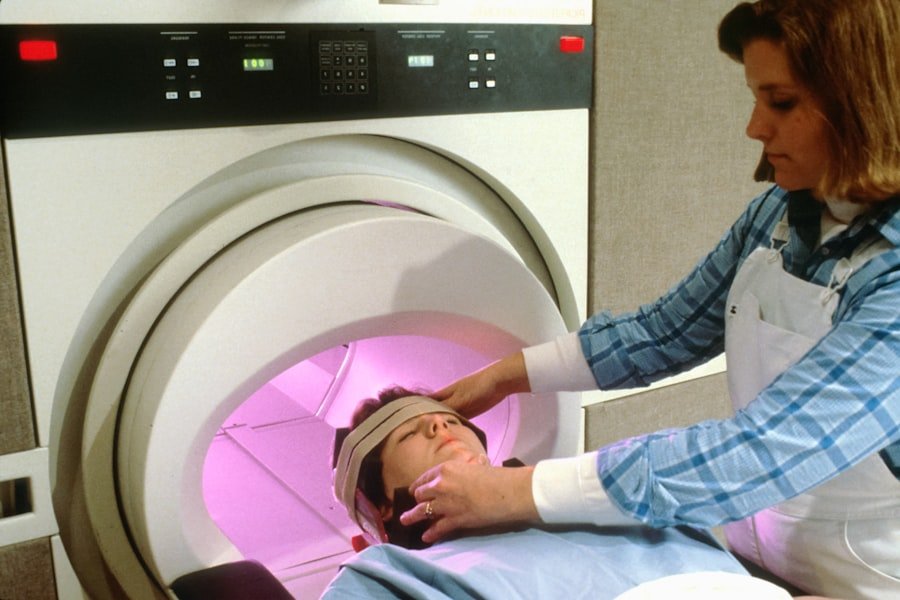
Acoustic neuromas directly impact the nerves responsible for hearing, balance, and facial sensation. Recovery often involves adapting to altered sensory input.
3.1 Managing Hearing Loss and Tinnitus
These are two of the most frequently reported long-term effects.
3.1.1 Strategies for Hearing Impairment
Living with hearing loss requires proactive strategies to maintain communication and social connection.
- Communication Techniques:
- Facing the Speaker: Position yourself so you can see the speaker’s face, as visual cues are incredibly helpful.
- Minimizing Background Noise: Choose quiet environments for conversations whenever possible.
- Asking for Repetition: Don’t be afraid to ask people to repeat themselves or speak more clearly.
- Utilizing Assistive Listening Devices (ALDs): Beyond hearing aids, ALDs can amplify sound in specific situations, like in restaurants or during lectures. Examples include FM systems and personal amplifiers.
- Understanding Your Audiogram: Regular audiological assessments are vital. Understanding the patterns of your hearing loss will help you and your audiologist select the most effective strategies.
- Exploring Cochlear Implants: For severe to profound hearing loss, a cochlear implant might be an option, although this is a more involved surgical procedure with its own recovery considerations.
3.1.2 Coping with Tinnitus
Tinnitus, the perception of sound in the absence of external noise, can be distressing.
- Sound Enrichment: Introducing low-level background noise can help mask or distract from the tinnitus. This could be a fan, a white noise machine, or nature sounds.
- Tinnitus Retraining Therapy (TRT): TRT is a therapeutic approach that combines sound therapy with counseling to help habituate your brain to the tinnitus sound, making it less noticeable and bothersome.
- Stress Management: Stress can often exacerbate tinnitus. Implementing stress-reduction techniques like meditation or yoga can be beneficial.
- Limiting Stimulants: Caffeine and nicotine can sometimes worsen tinnitus for some individuals, so monitoring your intake is advised.
3.2 Addressing Balance and Dizziness
Disruption of the vestibular system can lead to a range of balance issues, from mild disequilibrium to severe vertigo.
3.2.1 Home-Based Balance Exercises
Consistency is key when it comes to improving balance.
- Following Your Therapist’s Plan: If you’re undergoing VRT, diligently follow the exercises prescribed by your therapist. These are tailored to your specific needs.
- Safe Environment: Ensure your home is a safe environment for practicing exercises. Remove tripping hazards, use assistive devices if needed, and have a stable surface nearby in case you lose balance.
- Gradual Progression: Start with simpler exercises and gradually progress to more challenging ones as your balance improves.
3.2.2 Lifestyle Adjustments for Stability
Making conscious adjustments to your daily life can significantly improve your sense of stability.
- Awareness of Surroundings: Pay attention to your environment. Be mindful of uneven surfaces, steps, and potential hazards.
- Slow and Steady Movements: Avoid sudden turns of your head or rapid changes in position. Move slowly and deliberately.
- Proper Footwear: Wear supportive, non-slip shoes to reduce the risk of falls.
- Vision as a Stabilizer: While your vestibular system is recovering, your vision plays an even more critical role in maintaining balance. Try to keep your vision clear and focused.
3.3 Managing Facial Numbness and Weakness
Changes in facial sensation and movement can be unsettling and impact daily functions.
3.3.1 Adapting to Sensory Alterations
Learning to live with altered sensation requires patience and practice.
- Awareness During Eating and Drinking: You may have reduced sensation in your mouth, making it harder to detect food or liquid. Be mindful of temperature to avoid burns and check for food debris.
- Oral Hygiene: Thorough brushing and flossing are crucial to prevent decay and gum disease. You might need to use a mirror to ensure you are cleaning all areas effectively.
- Facial Massage and Stimulation: Gentle facial massage can help improve circulation and awareness. Your therapist may guide you on these techniques.
3.3.2 Strategies for Facial Weakness
If facial weakness is present, various techniques can help manage its impact.
- Eye Protection: As mentioned previously, if you cannot fully close your eyelid, protecting your eye from dryness and injury is paramount. Use preservative-free artificial tears and consider taping your eyelid shut at night.
- Speech and Swallowing Support: A speech-language pathologist can assist with strategies to improve speech clarity and safe swallowing techniques if these are affected.
- Facial Reanimation Surgery: In cases of significant and persistent facial paralysis, reconstructive surgery might be considered as a later option.
4. Prioritizing Mental and Emotional Well-being: The Inner Journey of Recovery
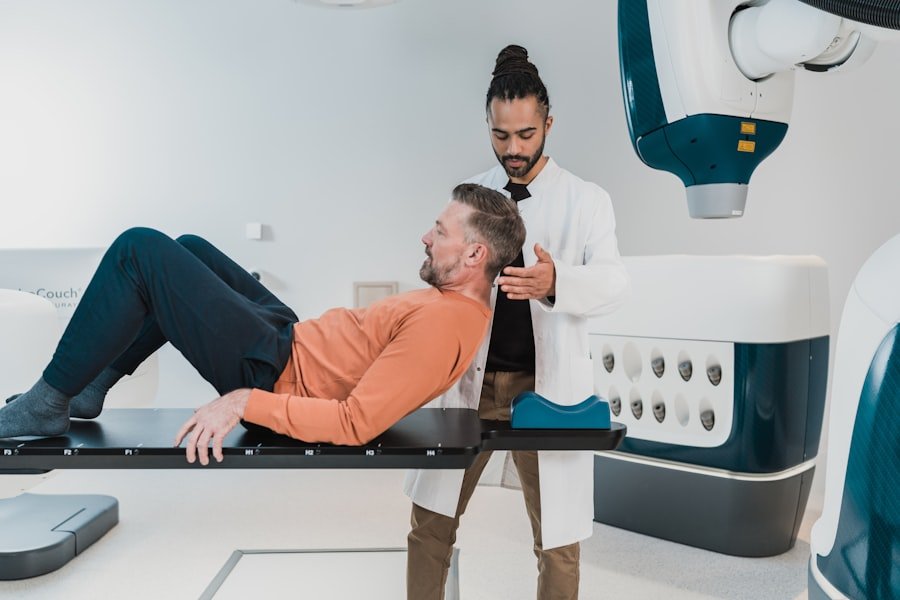
Your emotional and mental health are just as vital as your physical recovery. The journey of treatment and recovery can be emotionally taxing, and acknowledging and nurturing your mental well-being is crucial.
4.1 Processing the Emotional Impact of Treatment
Living with acoustic neuroma and undergoing treatment can evoke a range of emotions.
4.1.1 Acknowledging Your Feelings
Allow yourself to feel whatever emotions arise without judgment.
- Fear and Anxiety: It’s natural to feel anxious about your diagnosis, treatment, and potential outcomes.
- Grief and Loss: You might grieve the loss of function (hearing, balance) or the life you had before treatment.
- Frustration and Impatience: Recovery can be a slow process, leading to feelings of frustration and impatience.
- Sadness and Depression: Persistent feelings of sadness or a loss of interest in activities can indicate depression.
4.1.2 Seeking Emotional Support
You don’t have to go through this alone.
- Talking to Loved Ones: Share your feelings with trusted family and friends. Their support can be invaluable.
- Support Groups: Connecting with others who have similar experiences can provide a sense of community, understanding, and shared coping strategies. Acoustic neuroma support groups are available online and in person.
- Therapy and Counseling: A mental health professional can provide a safe space to explore your emotions, develop coping mechanisms, and process your experience. Cognitive Behavioral Therapy (CBT) and Mindfulness-Based Stress Reduction (MBSR) can be particularly helpful.
4.2 Managing Stress and Anxiety During Recovery
Stress can amplify your symptoms and hinder your healing process.
4.2.1 Relaxation Techniques
Incorporate stress-reducing activities into your daily life.
- Deep Breathing Exercises: Simple yet powerful, deep breathing can calm your nervous system. Practice inhaling deeply through your nose, holding for a few seconds, and exhaling slowly through your mouth.
- Mindfulness and Meditation: By focusing on the present moment without judgment, you can reduce rumination and anxiety. There are many guided meditation apps and resources available.
- Gentle Yoga or Tai Chi: These practices combine mindful movement with breathwork, promoting relaxation and improving flexibility and balance.
4.2.2 Building Resilience
Resilience is the ability to bounce back from adversity. You can cultivate it.
- Setting Realistic Expectations: Recovery is a marathon, not a sprint. Celebrate small victories and acknowledge that there will be ups and downs.
- Focusing on What You Can Control: While you can’t control the tumor or the treatment, you can control your lifestyle choices, your attitude, and your engagement in your recovery.
- Practicing Self-Compassion: Be kind to yourself. This is a challenging experience, and you deserve patience and understanding.
4.3 Cognitive and Memory Considerations
Some individuals experience cognitive changes, such as fogginess or memory issues, particularly after surgery.
4.3.1 Cognitive Stimulation
Keeping your brain active can help maintain and improve cognitive function.
- Puzzles and Brain Games: Engage in activities that challenge your mind, like crosswords, Sudoku, or memory games.
- Reading and Learning: Continue to read books, articles, or learn new skills. This provides mental stimulation and can be a source of enjoyment.
- Engaging in Conversations: Actively participate in conversations and discussions.
4.3.2 Strategies for Memory Support
If memory lapses are a concern, implement strategies to help you remember.
- Note-Taking: Keep a journal or use a notebook to jot down appointments, important information, and tasks.
- Using Calendars and Reminders: Utilize calendars, smartphone reminders, and alarm clocks to keep track of your schedule.
- Establishing Routines: Predictable routines can help you remember daily tasks and activities.
5. Long-Term Outlook and Ongoing Management: Embracing a New Normal
| Recovery Metric | Outcome |
|---|---|
| Hearing Recovery | Varies depending on treatment and individual factors |
| Facial Nerve Function | Improvement over time for most patients |
| Balance and Dizziness | Gradual improvement with vestibular rehabilitation |
| Tumor Control | High success rates with surgery and radiation |
Recovery is not a finite period; it’s an ongoing journey. Understanding the long-term outlook and the importance of continuous management will empower you to live a fulfilling life after treatment.
5.1 Regular Medical Follow-Ups
Adherence to follow-up schedules is crucial for monitoring your progress and detecting any potential issues early.
5.1.1 What to Expect at Follow-Up Appointments
Your care team will be assessing various aspects of your recovery.
- Imaging Scans: Regular MRI scans will likely be performed to monitor the treated area and ensure the tumor has not recurred or regrown. The frequency of these scans will decrease over time.
- Audiological Assessments: Ongoing hearing tests are important to track any further hearing loss or changes.
- Neurological Examinations: Your doctor will conduct physical examinations to assess your balance, facial nerve function, and any other neurological symptoms.
- Discussion of Symptoms: Be prepared to discuss any new or persistent symptoms you are experiencing.
5.1.2 The Importance of Open Communication
Your relationship with your healthcare providers is a partnership.
- Be an Advocate for Yourself: Don’t be afraid to ask questions, express your concerns, and seek clarification on anything you don’t understand.
- Report Changes Promptly: If you experience any significant or concerning new symptoms between appointments, contact your doctor immediately.
- Share Your Progress: Communicate what’s working well in your recovery, as this information can be valuable for your medical team and for future patients.
5.2 Adapting to a New “Normal”
Life after acoustic neuroma treatment will likely involve some adjustments. Embracing these changes is key to a positive outlook.
5.2.1 Re-engaging in Daily Activities and Hobbies
Gradually ease back into your previous routines and activities.
- Pacing Yourself: Don’t try to do too much too soon. Listen to your body and allow for rest when needed.
- Modifying Activities: You may need to adapt certain activities to accommodate your new physical realities. For example, if balance is an issue, you might need to avoid activities that put you at high risk of falling.
- Finding New Enjoyment: This can be an opportunity to explore new hobbies or rediscover old ones that bring you joy and a sense of purpose.
5.2.2 Maintaining Social Connections
Isolation can be detrimental. Nurturing your social life is vital for overall well-being.
- Communicating Your Needs: Inform your friends and family about your recovery and any specific needs you might have.
- Planning Social Outings: Organize outings in quieter, less stimulating environments if you’re sensitive to noise or crowds.
- Virtual Connections: If in-person interactions are challenging, utilize video calls and online platforms to stay connected.
5.3 Understanding Potential Long-Term Effects and Proactive Management
While many people achieve a good quality of life after treatment, some long-term effects need ongoing attention.
5.3.1 Vigilance for Recurrence and Treatment Complications
While recurrence is rare, especially with successful treatment, ongoing monitoring is standard.
- Knowing the Signs: Be aware of any recurring symptoms that might indicate a problem, such as new or worsening hearing loss, balance issues, or facial weakness.
- Trust Your Instincts: If something feels off, it’s worth getting it checked out by your doctor.
5.3.2 Embracing a Healthy Lifestyle for Ongoing Well-being
The foundations of good health are always important, but they take on even greater significance during recovery and beyond.
- Regular Exercise: Tailored to your abilities, physical activity can improve mood, energy levels, and balance.
- Nutritious Diet: Continue to prioritize a balanced and healthy diet.
- Stress Management: Ongoing stress management practices are crucial for long-term well-being.
- Adequate Sleep: Maintain healthy sleep habits.
Your recovery from acoustic neuroma treatment is a testament to your strength and resilience. By understanding each stage, prioritizing your physical and emotional health, and engaging actively in your ongoing management, you can navigate this journey with confidence and emerge with a renewed sense of well-being. You are the architect of your recovery; approach each step with intention and self-care.
FAQs
What is acoustic neuroma?
Acoustic neuroma, also known as vestibular schwannoma, is a non-cancerous tumor that develops on the main nerve leading from the inner ear to the brain.
What are the treatment options for acoustic neuroma?
Treatment options for acoustic neuroma include observation, radiation therapy, and surgical removal of the tumor.
What is the recovery process like after acoustic neuroma treatment?
Recovery after acoustic neuroma treatment varies depending on the type of treatment received. Patients may experience symptoms such as dizziness, balance issues, hearing loss, and facial weakness, which can improve over time.
What are some common challenges during recovery after acoustic neuroma treatment?
Common challenges during recovery may include balance and coordination issues, facial weakness, hearing loss, and tinnitus. Patients may also experience emotional and psychological challenges as they adjust to changes in their health.
What are some tips for managing recovery after acoustic neuroma treatment?
Tips for managing recovery may include following a rehabilitation program, seeking support from healthcare professionals and support groups, practicing relaxation techniques, and gradually returning to daily activities. It’s important for patients to communicate openly with their healthcare team and seek assistance when needed.