
You’re facing a diagnosis of acoustic neuroma, and while it’s a significant concern, you’re also empowered by the fact that you have options. As your Listicle Content Architect (LCA), my job is to break down complex information into clear, actionable steps, and when it comes to choosing the right acoustic neuroma treatment, understanding each path is paramount. This isn’t about a single “best” treatment, but rather the best treatment for you, a decision that hinges on a variety of personal factors and medical considerations. Let’s navigate this together, step by step.
Before you can choose a treatment, you need to truly understand what you’re dealing with. This isn’t about memorizing medical jargon; it’s about grasping the key characteristics of your specific tumor that will influence the options available to you and their potential outcomes. Think of this as gathering the essential blueprint for your treatment journey.
1.1. Tumor Size: A Critical Differentiator
The size of your acoustic neuroma is one of the most significant factors influencing treatment decisions. Doctors categorize tumors into generally:
- Small tumors: These are typically less than 1 cm in diameter. At this stage, many symptoms might be mild or even absent.
- Medium tumors: These range from 1 cm to approximately 3 cm. Symptoms are often more pronounced at this size.
- Large tumors: Tumors exceeding 3 cm are considered large. They can exert more pressure on surrounding nerves and structures.
Your radiologist’s report, specifically the measurements from your MRI, will provide this crucial detail. Don’t hesitate to ask your doctor to explain these measurements and what they mean in practical terms for your situation.
1.2. Tumor Location and Growth Rate: Precision Matters
Beyond just size, where the tumor is located and how quickly it’s growing are vital.
- Location: Acoustic neuromas arise from the Schwann cells that cover the vestibulocochlear nerve, typically within the internal auditory canal (IAC). However, they can extend outwards from the IAC into the cerebellopontine angle (CPA), a delicate space at the base of the brain. The extent of this extension can affect which nerves are being compressed.
- Growth Rate: While many acoustic neuromas grow very slowly or not at all, a small percentage can exhibit faster growth. Growth rate is usually determined by comparing serial MRIs. If your tumor is growing rapidly, it might necessitate a more immediate and definitive treatment.
Understanding these details helps your medical team assess the risk of future symptom progression and the complexities involved in potential treatments.
1.3. Your Symptoms: How the Tumor is Affecting You
The symptoms you’re experiencing are a direct reflection of the pressure the tumor is exerting on nearby cranial nerves. These symptoms are not just inconveniences; they are key indicators that guide the urgency and type of treatment.
- Hearing Loss: Often unilateral (on one side) and progressive.
- Tinnitus: A ringing or buzzing in the ear.
- Dizziness or Vertigo: A sensation of spinning or imbalance.
- Facial Weakness or Numbness: Less common, but can occur if the tumor presses on the facial nerve.
- Balance Problems: Difficulty walking or maintaining stability.
- Headaches: More common with larger tumors.
The severity and impact of these symptoms on your quality of life will play a significant role in your treatment decision. If symptoms are mild and stable, a watchful approach might be suitable. If they are severe and debilitating, or rapidly worsening, more aggressive treatment might be necessary.
1.4. Your Overall Health and Age: Holistic Considerations
Your general health and age are not just demographic details; they are critical components of your overall treatment profile.
- Age: Younger individuals may have more years ahead of them to potentially experience tumor growth and symptom progression, which might favor more proactive treatments. Older individuals or those with significant co-existing health problems might prioritize less invasive options with fewer potential side effects.
- Co-existing Medical Conditions: Conditions like heart disease, diabetes, or other chronic illnesses can influence the risks associated with surgery or radiation. Your medical team will consider these carefully.
This is where your doctors will assess your “medical fitness” for different treatment modalities. Being transparent about your health history is crucial.
2. The “Wait and Watch” Approach: Active Surveillance for Slow-Growing Tumors
One of the most common and often effective strategies for certain acoustic neuromas is “wait and watch,” also known as active surveillance or observation. This approach is not about being passive, but about being strategically attentive. It’s a valid and often preferred option for many patients.
2.1. Who is a Candidate for “Wait and Watch”?
This strategy is typically reserved for individuals with specific characteristics:
- Small, slow-growing tumors: If your MRI indicates a tumor that is not growing or is growing imperceptibly slowly, active surveillance is a strong contender.
- Asymptomatic or minimally symptomatic patients: If your tumor is causing little to no bothersome symptoms, or if the symptoms are manageable and not impacting your quality of life significantly, waiting is often the best course.
- Older patients or those with significant medical comorbidities: For individuals where surgical or radiation risks are higher, or who have a shorter life expectancy, avoiding potentially invasive treatments is often prioritized.
- Patients who prioritize preserving hearing and facial nerve function: Active surveillance aims to maintain the status quo in terms of nerve function, which can be a key priority for many.
2.2. What Does Active Surveillance Involve?
Being on an active surveillance program means you’re not just forgetting about your tumor. It involves a structured and regular monitoring process:
- Regular MRI Scans: You will undergo periodic MRI scans, typically every 6-12 months initially, and then possibly less frequently if stability is confirmed over time. These scans are essential for detecting any signs of tumor growth.
- Audiological Evaluations: Regular hearing tests are crucial to monitor for changes in your hearing.
- Neurological Examinations: Your doctor will perform physical exams to check for any new or worsening symptoms related to nerve function.
2.3. Potential Benefits and Drawbacks of Active Surveillance
Every treatment approach has its upsides and downsides. Understanding them helps you make an informed choice.
- Benefits:
- Avoids treatment-related side effects: The most significant benefit is avoiding the potential risks and side effects associated with surgery and radiation.
- Preserves hearing and facial nerve function: This is a primary goal, as the goal is to maintain the status quo of these delicate nerves.
- Eliminates immediate treatment risks: Particularly important for patients with other health concerns.
- Time for symptom stabilization or regression: In some cases, symptoms might improve on their own or stabilize.
- Drawbacks:
- Risk of tumor growth and symptom progression: The primary concern is that the tumor might grow and lead to worsening symptoms, potentially making future treatment more complex.
- Potential for delayed treatment: If growth is detected, treatment might be initiated when the tumor is larger than it was initially, potentially increasing complexity.
- Psychological burden of monitoring: Some individuals may find the ongoing monitoring and the awareness of the tumor to be a source of anxiety.
- Hearing loss is irreversible: While surveillance aims to prevent further loss, any existing hearing loss is usually permanent.
When considering active surveillance, it’s vital to have a frank discussion with your doctor about the expected timeline for monitoring and the criteria that would trigger a recommendation to pursue other treatment options.
3. Surgical Intervention: Removing the Tumor
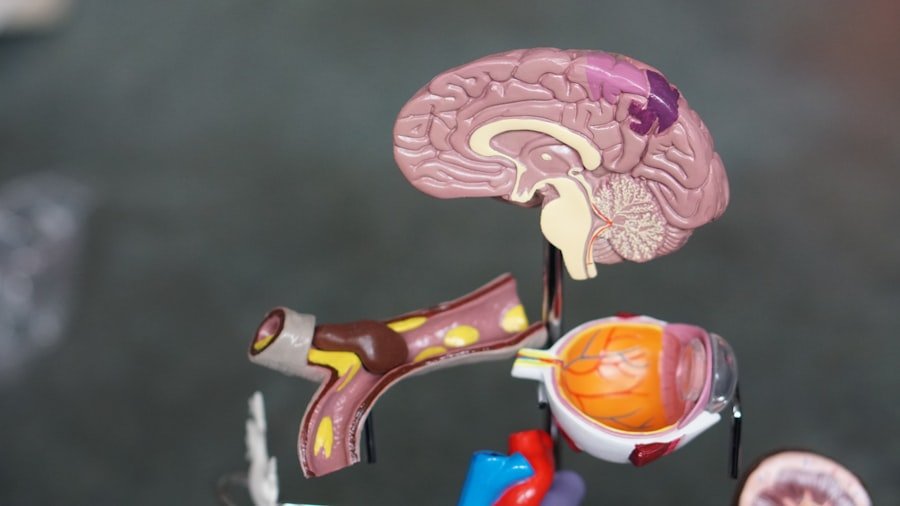
Surgery is often the go-to treatment for acoustic neuromas, especially for symptomatic tumors or those that are growing. The goal is to remove the tumor, thereby alleviating pressure on the nerves and preventing further growth. However, it’s a significant procedure with associated risks.
3.1. Types of Surgical Approaches
There are several surgical techniques, each with its own advantages and disadvantages, and the choice depends heavily on the tumor’s size, location, and the surgeon’s expertise.
- Retrosigmoid Craniotomy: This is a common approach where the surgeon makes an incision behind the ear and removes a small piece of the skull bone to access the tumor. It generally offers good access to the tumor while providing a lower risk to the facial nerve compared to some other approaches.
- Pros: Good visualization of the tumor, relatively lower risk to facial nerve.
- Cons: Potential for cerebrospinal fluid (CSF) leak, risk of hearing loss, slight risk of other cranial nerve issues.
- Translabyrinthine Approach: This surgical path involves removing bone from behind the ear and through the inner ear structures to reach the tumor. This approach is typically used for larger tumors or when hearing preservation is not a realistic goal, as it inevitably sacrifices inner ear function and thus hearing.
- Pros: Excellent for large tumors, often avoids manipulation of the facial nerve.
- Cons: Guarantees hearing loss on the operated side, risk of balance disturbance, potential for CSF leak.
- Middle Fossa Craniotomy: This approach is usually favored for smaller tumors located primarily within the internal auditory canal. The incision is made above the ear. It offers excellent preservation of hearing and facial nerve function for appropriately selected tumors.
- Pros: High rates of hearing preservation, low risk to facial nerve.
- Cons: Limited access to very large tumors.
3.2. Risks and Potential Complications of Surgery
It’s crucial to understand that any surgery carries risks. For acoustic neuroma surgery, these include:
- Hearing Loss: Even with the most meticulous techniques, some degree of hearing loss on the operated side is a common risk, especially for larger tumors or certain approaches.
- Facial Nerve Weakness or Paralysis: The facial nerve is in close proximity to the tumor and can be injured during removal, leading to temporary or permanent weakness.
- Balance and Dizziness: The vestibular (balance) nerves are also at risk, potentially causing persistent dizziness or imbalance.
- Cerebrospinal Fluid (CSF) Leak: The membranes surrounding the brain and spinal cord can be breached, leading to leakage of CSF.
- Infection: As with any surgery, there’s a risk of infection.
- Tinnitus: Your existing tinnitus may persist or worsen, or new tinnitus may develop.
- Headaches: Post-operative headaches are common and usually temporary.
- Anesthesia Risks: General anesthesia carries its own set of risks.
Your surgeon will discuss these risks in detail, tailored to your specific situation and the chosen surgical approach.
3.3. Factors Influencing Surgical Success and Recovery
Several factors contribute to a successful surgical outcome and a smoother recovery:
- Surgeon’s Experience: The skill and experience of your neurosurgeon or otolaryngologist (ENT surgeon) are paramount. Choose a surgeon who specializes in acoustic neuroma surgery and has a high volume of these procedures.
- Tumor Size and Location: Smaller and more confined tumors generally have better outcomes regarding nerve preservation.
- Pre-operative Health: Your overall physical condition significantly impacts your ability to tolerate surgery and recover.
- Post-operative Care: Following your surgeon’s post-operative instructions diligently is crucial for healing and preventing complications. This includes activity restrictions, wound care, and medication adherence.
- Rehabilitation: Physical therapy, occupational therapy, or speech therapy may be recommended to help you regain strength, balance, and address any persistent symptoms.
Recovery times vary greatly, but typically involve a hospital stay of a few days to a week, followed by several weeks to months of gradual return to normal activities.
4. Radiation Therapy: Targeting the Tumor with Precision
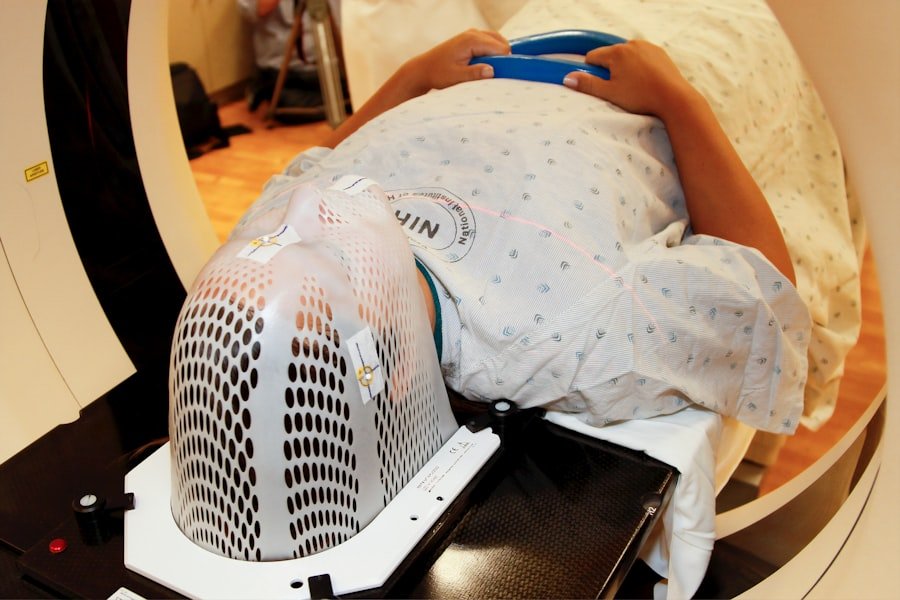
Radiation therapy is another effective treatment option for acoustic neuromas, particularly for those who are not ideal surgical candidates or as an alternative to surgery for specific tumor characteristics. The goal is to stop tumor growth without surgically removing it.
4.1. Types of Radiation Therapy Used
Modern radiation techniques are highly targeted, minimizing damage to surrounding healthy tissues.
- Stereotactic Radiosurgery (SRS) / Gamma Knife: This non-invasive technique delivers a high dose of radiation to the tumor in a single treatment session. It uses a specialized helmet or frame to precisely target the tumor while delivering radiation from multiple angles. SRS is often preferred for smaller tumors.
- Pros: Non-invasive, single treatment, high precision, minimal side effects immediately after treatment.
- Cons: Hearing loss can still occur, though often delayed; potential for facial nerve damage over time.
- Stereotactic Radiation Therapy (SRT) / Fractionated Radiotherapy: This approach delivers radiation in multiple smaller doses over several weeks (fractions). It’s often used for larger tumors or when SRS isn’t suitable, as it can reduce the immediate side effects by allowing healthy tissues to repair between treatments.
- Pros: Can be used for larger tumors, potentially lower immediate side effects than SRS.
- Cons: Requires multiple treatment sessions, longer overall treatment period.
4.2. How Radiation Works to Treat Acoustic Neuroma
Radiation therapy damages the DNA of tumor cells, preventing them from growing and replicating. Over time, the tumor may shrink, but its primary effect is to halt further growth.
- Tumor Growth Arrest: The main objective is to stop the tumor from increasing in size.
- Cellular Damage: Radiation energy damages the genetic material within tumor cells, leading to their eventual death or rendering them incapable of further proliferation.
- Slow and Gradual Effect: Unlike surgery, the effects of radiation are not immediate. Tumor shrinkage or stabilization can take months or even years to become apparent on imaging.
4.3. Benefits and Potential Side Effects of Radiation
Like surgery, radiation therapy has its own set of advantages and potential drawbacks.
- Benefits:
- Non-invasive or minimally invasive: Avoids the risks and recovery associated with open surgery.
- Effective in controlling tumor growth: High rates of tumor control are achieved.
- Preservation of hearing and facial nerve function is possible: Especially for smaller tumors and with precise techniques. SRS, in particular, aims for high rates of hearing preservation.
- Alternative for patients unfit for surgery: Provides a viable treatment option for those with significant co-existing health issues.
- Potential Side Effects:
- Hearing Loss: This is a common side effect, which may occur gradually over months or years after treatment.
- Facial Nerve Dysfunction: While less common than with surgery, there’s a risk of delayed facial nerve weakness or numbness.
- Tinnitus: Existing tinnitus may persist or worsen.
- Fatigue: A common side effect of radiation therapy.
- Nausea: Less common with modern radiation techniques.
- Damage to surrounding tissues: Though minimized with precise techniques, there’s always a risk of effects on nearby structures.
- Risk of secondary tumors: A very rare long-term risk associated with radiation exposure.
It’s important to discuss the likelihood of these side effects with your radiation oncologist, as they depend on the specific radiation technique used and the precise dosage.
5. Making Your Informed Decision: Collaborating with Your Medical Team
| Treatment Option | Success Rate | Potential Side Effects |
|---|---|---|
| Surgery | 80-90% | Hearing loss, facial weakness, balance problems |
| Radiation Therapy | 70-90% | Hearing loss, tinnitus, fatigue |
| Watchful Waiting | N/A | Potential tumor growth, anxiety |
The most crucial part of choosing the right acoustic neuroma treatment is understanding that this is a collaborative effort. You are not alone, and your medical team is there to guide you through this complex decision-making process. Your active participation is not just welcomed; it’s essential.
5.1. Gathering All Necessary Information
Before you can make a decision, you need to be well-informed.
- Understand Your Diagnosis Thoroughly: Ensure you fully grasp the details of your acoustic neuroma, including its size, location, and growth rate. Ask your doctor to explain any technical terms or measurements that are unclear.
- Discuss All Treatment Options: Have detailed conversations with your neurosurgeon, otolaryngologist (ENT), and radiation oncologist about the pros, cons, risks, and benefits of each treatment option relevant to your specific case.
- Inquire About Hearing and Facial Nerve Preservation: This is a major concern for many. Ask about the percentage of patients who experience significant hearing preservation or facial nerve preservation with each treatment modality, and how those figures apply to your specific tumor.
- Understand the Recovery Process: Get a clear picture of the recovery timeline, potential limitations, and rehabilitation needs for each treatment.
- Ask About Long-Term Follow-Up: Understand what ongoing monitoring will be required after treatment.
5.2. Evaluating Your Personal Priorities and Lifestyle
Your personal values and how the diagnosis impacts your daily life are as important as the medical facts.
- Quality of Life: How do your current symptoms affect your daily life, work, and relationships? What is your tolerance for potential side effects versus the risk of symptom progression?
- Risk Tolerance: Are you generally risk-averse, or are you more comfortable with a calculated risk to achieve a desired outcome?
- Desire for Hearing Preservation: How critical is it for you to preserve your hearing? This can be a significant factor in choosing between surgery with a higher risk of hearing loss or radiation therapy with a possibility of preservation.
- Time and Commitment: Are you able to commit to a series of radiation treatments, or does your schedule favor a single surgical intervention?
- Emotional and Psychological Impact: How are you coping emotionally with the diagnosis? Consider the psychological burden of ongoing surveillance versus the definitive nature of surgery or radiation.
5.3. The Importance of a Multidisciplinary Team Approach
Acoustic neuroma management often involves a team of specialists.
- Neurosurgeon: Specializes in surgical removal of brain and spinal cord tumors.
- Otolaryngologist (ENT Surgeon): Often involved in the surgical approaches, especially those involving the ear and skull base.
- Radiation Oncologist: Specializes in using radiation therapy to treat cancer.
- Audiologist: Evaluates your hearing and monitors for changes.
- Neurologist or Neuro-oncologist: May be involved in diagnosis, monitoring, and managing neurological symptoms.
Don’t hesitate to seek second opinions, especially from centers that specialize in treating acoustic neuromas. A multidisciplinary team approach ensures you receive comprehensive care and that all aspects of your condition are considered. Your active participation, coupled with the expertise of your medical team, will lead you to the most appropriate and empowering treatment decision for you.
FAQs
What is an acoustic neuroma?
An acoustic neuroma is a non-cancerous tumor that develops on the main nerve leading from the inner ear to the brain. It can cause hearing loss, ringing in the ear, and unsteadiness.
What are the treatment options for acoustic neuroma?
The treatment options for acoustic neuroma include observation, radiation therapy, and surgical removal of the tumor. The choice of treatment depends on the size and location of the tumor, as well as the patient’s overall health and preferences.
What are the potential risks and benefits of each treatment option?
Observation may be suitable for small tumors with minimal symptoms, but there is a risk of tumor growth and progression. Radiation therapy can stop the growth of the tumor, but it may take several years to see the full effect. Surgical removal offers the highest chance of complete tumor removal, but it carries the risk of hearing loss and facial nerve damage.
How can I determine the right treatment for my acoustic neuroma?
The right treatment for acoustic neuroma depends on various factors, including the size and location of the tumor, the patient’s age and overall health, and the potential risks and benefits of each treatment option. It is important to discuss these factors with a medical professional to determine the most suitable treatment approach.
What are the long-term outcomes of acoustic neuroma treatment?
The long-term outcomes of acoustic neuroma treatment vary depending on the chosen approach and individual factors. Some patients may experience complete tumor removal with minimal side effects, while others may have persistent symptoms or require ongoing monitoring and management. Regular follow-up with a healthcare provider is important to monitor for any potential recurrence or complications.