
Navigating the world with a diagnosis of acoustic neuroma can feel daunting, especially when it impacts your hearing. As your Listicle Content Architect (LCA), my mission is to break down complex health topics into actionable, easy-to-understand lists. You’re in the driver’s seat of your health journey, and this listicle is designed to empower you with knowledge and practical strategies for managing hearing loss caused by acoustic neuroma. We’ll explore the nuances of this condition and equip you with the tools to adapt and thrive.
Your hearing is a complex symphony of sound waves, nerve signals, and brain interpretation. Acoustic neuroma, a non-cancerous tumor that develops on the cranial nerve connecting your ear to your brain (the vestibulocochlear nerve), directly interferes with this delicate process. It’s crucial to understand how it disrupts your hearing to effectively manage the consequences.
The Vestibulocochlear Nerve: A Crucial Connection
This nerve has two primary roles: hearing (cochlear nerve) and balance (vestibular nerve). Acoustic neuromas typically arise in the Schwann cells, which form the protective sheath around this nerve. As the tumor grows, it compresses the nerve fibers, gradually impairing their ability to transmit signals.
Symptoms of Hearing Loss: More Than Just Volume
The hearing loss associated with acoustic neuroma often presents in specific ways, which can be distinct from other types of hearing impairment. Recognizing these patterns is key to early detection and appropriate management.
Unilateral Hearing Loss: The First Sign
You might notice that the hearing loss occurs primarily in one ear. This is a hallmark symptom of acoustic neuroma. It’s not like losing a bit of hearing in both ears simultaneously. Instead, one ear starts to perform less optimally than the other.
Gradual Decline: A Slow Erosion of Sound
Unlike sudden hearing loss, which can be alarming, acoustic neuroma-related hearing loss is usually a slow, insidious process. You might not even realize how much you’ve lost until it becomes quite significant. This gradual nature can sometimes lead to delayed diagnosis, as you might unconsciously adapt or attribute the changes to aging.
Tinnitus: The Constant Companion
A persistent ringing, buzzing, or hissing sound in one ear is another common symptom. This phantom sound is generated by the irritated or compressed auditory nerve. The type and intensity of tinnitus can vary greatly from person to person.
Auditory Processing Issues: Not Just What You Hear, But How You Process It
Even if you can still detect some sounds, you might experience difficulty understanding speech, especially in noisy environments. This is because the tumor can affect the nerve’s ability to transmit complex auditory information accurately to the brain. You might hear words, but struggle to piece them together into coherent sentences.
Vertigo and Balance Problems: Beyond Hearing
While our focus is on hearing, it’s important to acknowledge that the vestibular portion of the vestibulocochlear nerve is also affected. This can lead to sensations of dizziness, spinning (vertigo), unsteadiness, and a general loss of balance. These symptoms can exacerbate the challenges of daily life and further impact your communication.
2. Diagnosis and Monitoring: Laying the Groundwork for Management
Accurate diagnosis is the cornerstone of effective management. Understanding the diagnostic process and the importance of regular monitoring will empower you to engage proactively with your healthcare team.
The Diagnostic Journey: Piecing Together the Puzzle
Diagnosing acoustic neuroma involves a multi-step approach that combines your reported symptoms with objective medical assessments.
Medical History and Physical Examination: Your Story Matters
Your doctor will start by listening to your full medical history, focusing on when your hearing loss symptoms began, their progression, and any other associated symptoms like tinnitus or balance issues. A physical examination will assess your general health and may involve specific tests to evaluate your hearing, balance, and neurological function.
Audiological Assessments: Quantifying the Loss
These are critical tests performed by an audiologist to precisely measure your hearing capabilities.
Pure-Tone Audiometry: Measuring Sound Perception
This test determines your ability to hear different frequencies at varying loudness levels. It can reveal the specific patterns of hearing loss, such as a loss of high-frequency sounds, which is common with acoustic neuromas.
Speech Audiometry: Evaluating Understanding
This assesses your ability to understand spoken words, both in quiet and in noisy environments. It helps identify difficulties with auditory processing that may not be apparent in pure-tone testing.
Tympanometry: Assessing Middle Ear Function
While not directly diagnosing the neuroma, this test checks the function of your middle ear and eardrum, helping to rule out other causes of hearing loss.
Auditory Brainstem Response (ABR) Testing: Listening to the Brain’s Response
This non-invasive test measures the electrical activity in your auditory nerve and brainstem in response to sound. It’s highly sensitive in detecting abnormalities along the pathway, often revealing problems even before significant hearing loss is noticeable.
Imaging Studies: Visualizing the Tumor
Once hearing loss is confirmed and the suspicion of acoustic neuroma arises, imaging is essential for definitive diagnosis and to determine the tumor’s size and location.
Magnetic Resonance Imaging (MRI): The Gold Standard
An MRI with contrast dye is the most accurate method for visualizing acoustic neuromas. It provides detailed images of the brain and cranial nerves, allowing doctors to pinpoint the tumor’s presence, size, and extent.
Ongoing Monitoring: A Watchful Eye
Once diagnosed, regular monitoring is crucial, especially if the chosen management strategy is observation.
Scheduled Audiological Evaluations: Tracking Changes
You’ll likely undergo regular hearing tests to track any progression of hearing loss. This helps inform decisions about treatment or intervention.
Periodic Imaging: Assessing Tumor Growth
Depending on the tumor’s size and growth rate, your doctor may recommend periodic MRI scans to monitor for any changes. This is particularly important if you’re on a “wait and see” approach.
3. Management Strategies: Choosing Your Path Forward

Managing acoustic neuroma-related hearing loss isn’t a one-size-fits-all proposition. The best approach depends on a variety of factors, including the tumor’s size and growth rate, the severity of your hearing loss, your age, and your overall health. Your multidisciplinary medical team will work with you to determine the most appropriate strategy.
Observation (Wait and See): For Small, Slow-Growing Tumors
If your acoustic neuroma is small and not growing rapidly, and your hearing loss is not significantly impacting your quality of life, your doctor might recommend a “wait and see” approach. This involves regular monitoring without immediate intervention.
Rationale for Observation
This strategy aims to avoid the risks and side effects associated with surgery or radiation while keeping a close eye on the tumor’s progression. It’s a conservative approach to minimize intervention when not immediately necessary.
What Observation Involves
This typically includes scheduled appointments for hearing tests and potentially follow-up MRIs to track tumor growth and changes in hearing. You’ll be educated on what signs and symptoms to watch out for that might indicate a need for more active treatment.
Surgical Intervention: Removing the Tumor
Surgery is a common treatment for acoustic neuromas, especially for larger tumors or those causing significant symptoms. The goal is to remove the tumor while preserving or improving neurological function, including hearing, though hearing preservation is not always possible.
Types of Surgical Approaches
Several surgical techniques exist, each with its own advantages and potential risks. Your neurosurgeon will discuss the best option for you based on the tumor’s location and size.
Retrosigmoid Approach: A Common Choice
This involves an incision behind the ear and allows the surgeon access to the tumor from the back of the head. It offers a relatively good view of the tumor and the facial and auditory nerves.
Middle Cranial Fossa Approach: For Smaller Tumors
This approach involves an incision above the ear and is often used for smaller tumors located closer to the inner ear.
Translabyrinthine Approach: Prioritizing Tumor Removal
This approach involves removing bone from behind the ear and through the mastoid bone into the inner ear. It provides excellent access to larger tumors but typically results in permanent hearing loss in the affected ear.
Potential Outcomes of Surgery
Surgery offers the best chance of removing the tumor completely. However, it also carries risks, including the potential for further hearing loss, facial nerve weakness or paralysis, and balance disturbances. The likelihood of preserving hearing after surgery varies significantly depending on the tumor’s size and the surgical approach.
Radiation Therapy: Targeting the Tumor’s Growth
Radiation therapy, particularly stereotactic radiosurgery (SRS), is another effective treatment option for acoustic neuromas. It uses focused beams of radiation to damage the tumor’s DNA and prevent it from growing.
Types of Radiation Therapy
Stereotactic Radiosurgery (SRS): Precision Targeting
This advanced technique uses highly focused radiation beams to precisely target the tumor while minimizing damage to surrounding healthy tissues. It’s often performed in one or a few treatment sessions.
Fractionated Radiation Therapy: Spread Over Time
In some cases, radiation may be delivered in smaller doses over several weeks.
Goals of Radiation Therapy
The primary goal of radiation therapy is to stop the tumor from growing. It does not typically aim to shrink the tumor significantly. It’s a less invasive option than surgery and can be a good choice for individuals who may not be good surgical candidates.
Potential Outcomes of Radiation Therapy
Radiation therapy is generally very effective at controlling tumor growth. While it can sometimes lead to some hearing loss or tinnitus, it often has a lower risk of immediate post-treatment hearing loss compared to surgery. The effects of radiation can take months or even years to become apparent.
4. Lifestyle Adaptations: Thriving with Hearing Loss
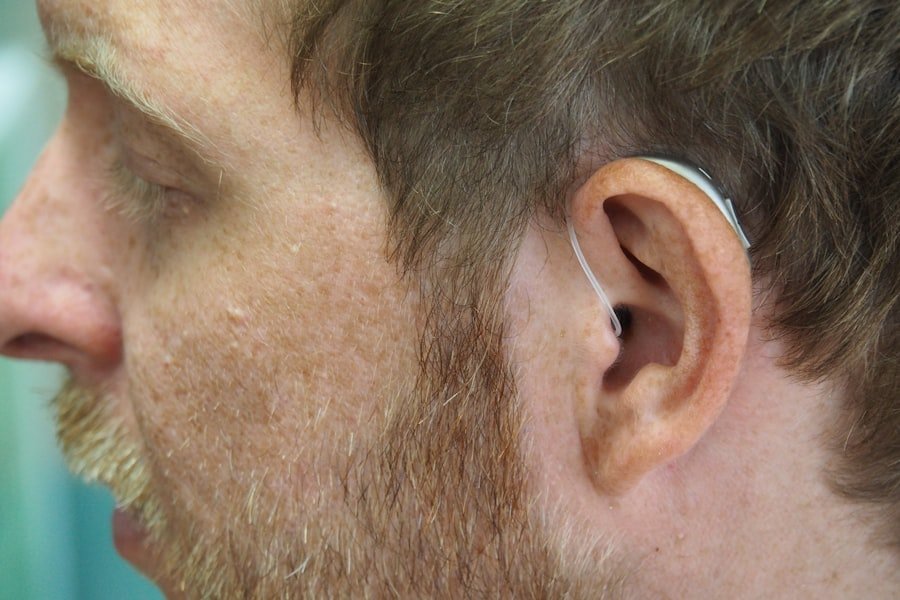
Regardless of the management strategy you choose, adapting to hearing loss is a crucial aspect of maintaining your quality of life. These strategies focus on enhancing your communication abilities and navigating daily challenges.
Communication Strategies: Building Bridges to Understanding
Effective communication is paramount. Implementing these strategies will help you stay connected and engaged.
Maximizing Auditory Input: Making Every Sound Count
When you can’t hear every sound, you need to be more strategic in how you listen.
Face Your Speaker: The Power of Visual Cues
Lip-reading and observing facial expressions provide invaluable context. Make a conscious effort to turn towards the person speaking.
Reduce Background Noise: Create a Quieter Zone
Distractions are the enemy of comprehension. Seek out quieter environments for conversations. This might mean choosing a table away from the kitchen in a restaurant or requesting a quieter room for meetings.
Ask for Clarification: Don’t Be Afraid to Ask “What?”
It’s better to ask for repetition or clarification than to pretend you understood and miss vital information. Phrases like “Could you please repeat that?” or “I didn’t quite catch that, could you say it again?” are your allies.
Use Visual Aids: Reinforce Verbal Communication
Written notes, gestures, or pointing can significantly aid understanding, especially for important details.
Utilizing Assistive Listening Devices (ALDs): Amplifying Your World
ALDs are designed to help you hear better in various situations.
Hearing Aids: Restoring Sound Clarity
For some, hearing aids can be beneficial, even with unilateral hearing loss or if the hearing loss is specific to certain frequencies. An audiologist specializing in neurofibromatosis can help determine if a hearing aid is a viable option for you and can recommend specific types, such as crossed-ear hearing aids programmed to amplify sounds from the affected side to the better ear.
FM Systems and Hearing Loops: Enhancing Communication in Specific Environments
FM (Frequency Modulation) systems transmit sound directly from a speaker to a receiver worn by the listener, cutting out background noise. Hearing loops installed in public places like theaters or lecture halls can transmit sound directly to compatible hearing aids or cochlear implants.
Communication Partners: Your Allies in Conversation
Educating those around you about your hearing challenges can transform your interactions.
Informing Friends and Family: Building Understanding
Let trusted individuals know about your hearing loss and how they can help. This includes speaking clearly, facing you, and being patient.
Group Conversations: Navigating the Cacophony
Group discussions can be particularly challenging. Try to sit in a way that allows you to see most participants. If a conversation becomes too difficult, politely excuse yourself or ask for a summary.
Daily Life Adjustments: Navigating Your Environment with Confidence
Beyond direct communication, there are many practical adjustments you can make to simplify your daily life.
Safety First: Staying Aware and Prepared
Hearing loss can impact your awareness of your surroundings, so safety is paramount.
Alerting Devices: Ensuring You Don’t Miss Important Sounds
Consider installing visual alerts for doorbells, smoke alarms, or phone notifications. Flashing lights or vibrating devices can be lifesavers.
Being Mindful of Traffic: Enhancing Auditory Awareness
When crossing streets or in areas with traffic, be extra vigilant. Rely more on visual cues and avoid wearing headphones that block out ambient noise.
Technological Tools: Leveraging Modern Innovations
Technology can be a powerful tool for managing hearing loss.
Captioning Services: Accessing Audio Content Visually
Utilize closed captions on television and online videos. Many phone calls can also be facilitated with live captioning apps.
Communication Apps: Bridging the Gap
Explore apps designed for improved communication for individuals with hearing loss, such as those that provide real-time transcription or text-to-speech capabilities.
Stress Management and Emotional Well-being: Prioritizing Your Mental Health
Living with hearing loss can be emotionally taxing. Prioritizing your mental well-being is just as important as managing your physical symptoms.
Recognizing the Emotional Impact: It’s Okay to Feel Frustrated
It’s normal to experience frustration, isolation, or sadness. Acknowledge these emotions without judgment.
Seeking Support: You Are Not Alone
Connect with support groups, either online or in-person, for individuals with acoustic neuroma or hearing loss. Sharing experiences and coping strategies with others who understand can be incredibly validating.
Mindfulness and Relaxation Techniques: Finding Your Calm
Practices like meditation, deep breathing exercises, or yoga can help manage stress and improve overall well-being.
5. Long-Term Outlook and Resources: Embracing a Future with Confidence
| Managing Hearing Loss Caused by Acoustic Neuroma |
|---|
| 1. Regular hearing tests to monitor changes in hearing |
| 2. Hearing aids to improve hearing |
| 3. Cochlear implants for severe hearing loss |
| 4. Speech therapy to improve communication skills |
| 5. Counseling and support for emotional well-being |
While acoustic neuroma and its associated hearing loss present challenges, a proactive approach, combined with ongoing support and access to resources, can pave the way for a fulfilling and engaged life.
The Importance of a Multidisciplinary Team: Your Support Network
Your journey will be significantly smoother with a team of healthcare professionals working collaboratively.
Neurologist/Neurosurgeon: Expert in Tumor Management
They will guide the decisions regarding observation, surgery, or radiation.
Audiologist: Your Hearing Specialist
An audiologist is crucial for diagnosing the extent of hearing loss, recommending and fitting assistive devices, and providing strategies for communication.
Speech-Language Pathologist: Enhancing Communication Skills
They can provide personalized strategies for improving speech comprehension and articulation.
Mental Health Professional: Emotional Support and Coping Strategies
A therapist or counselor can help you navigate the emotional challenges associated with chronic conditions and hearing loss.
Staying Informed and Empowered: Knowledge is Your Ally
Continue to educate yourself about acoustic neuroma and hearing loss.
Reliable Information Sources: Where to Find Trustworthy Advice
- Acoustic Neuroma Association: (Provide a hypothetical or general description of such an organization, e.g., “Offers patient resources, advocacy, and research updates.”)
- National Institute on Deafness and Other Communication Disorders (NIDCD): (Provide a hypothetical or general description, e.g., “A leading federal agency for research on hearing, balance, and communication.”)
- Your Healthcare Provider’s Recommendations: Always defer to the specific advice and resources provided by your medical team.
Active Participation in Your Care: Be Your Own Advocate
Don’t hesitate to ask questions, express your concerns, and actively participate in treatment decisions. You are the most important member of your care team!
Embracing a Positive Future: Adapting and Thriving
Managing hearing loss due to acoustic neuroma is an ongoing process, but it doesn’t define your entire existence. By implementing these strategies, staying informed, and seeking support, you can confidently navigate your journey and continue to live a rich and meaningful life. Remember, your ability to adapt and embrace the tools available to you is a powerful testament to your resilience.
FAQs
What is acoustic neuroma?
Acoustic neuroma, also known as vestibular schwannoma, is a non-cancerous tumor that develops on the main nerve leading from the inner ear to the brain. It can cause hearing loss, ringing in the ear, and unsteadiness.
How does acoustic neuroma cause hearing loss?
Acoustic neuroma can cause hearing loss by putting pressure on the hearing and balance nerves. This pressure can lead to damage or disruption of the nerve signals, resulting in hearing loss and balance problems.
What are the treatment options for managing hearing loss caused by acoustic neuroma?
Treatment options for managing hearing loss caused by acoustic neuroma include observation, radiation therapy, and surgical removal of the tumor. Hearing aids and other assistive devices may also be used to manage hearing loss.
Can hearing loss caused by acoustic neuroma be reversed?
In some cases, hearing loss caused by acoustic neuroma can be partially or fully reversed with treatment. However, the extent of recovery depends on factors such as the size and location of the tumor, as well as the individual’s overall health.
What are the potential complications of managing hearing loss caused by acoustic neuroma?
Potential complications of managing hearing loss caused by acoustic neuroma include facial weakness or paralysis, balance problems, and further hearing loss. It is important to work closely with a healthcare team to monitor and address any complications that may arise.