
Welcome, aspiring architect of engaging content! You’ve come to the right place. As the Listicle Content Architect, I’m here to guide you in crafting a truly impactful listicle on a topic as common as it is often misunderstood: the constant ringing in your ear. This isn’t just about delivering information; it’s about creating an experience, a guiding hand for your readers as they navigate the often-confusing world of tinnitus. Prepare to build a foundational piece that resonates. Let’s get started!
You know the feeling. It’s a persistent companion, a phantom sound that no one else seems to hear. This isn’t a figment of your imagination; it’s a real sensory experience, and understanding its nature is the crucial first step in addressing it. As the LCA, my aim is to demystify this phenomenon for your readers, making it approachable and less intimidating.
1.1. Defining Tinnitus: The Science Behind the Sound
At its core, what you’re experiencing is known clinically as tinnitus. It’s not a disease itself, but rather a symptom – a signal from your auditory system that something is amiss. Think of it as your body’s internal alarm system going off, alerting you to a disruption. This internal alarm can manifest in a variety of ways, from a gentle hum to a deafening roar.
1.2. Beyond the “Ring”: The Spectrum of Tinnitus Sounds
While “ringing” is the common descriptor, it’s vital to emphasize that the sound of tinnitus is incredibly diverse. Your readers might experience a spectrum of auditory sensations. Educate them on the possibilities:
- Ringing: The classic, high-pitched sound.
- Hissing: Like static on an old radio.
- Buzzing: A lower-frequency vibration.
- Clicking: Intermittent, sharp sounds.
- Roaring: A deep, intense rumble.
- Whooshing: Especially if it’s perceived as pulsing with your heartbeat.
This variety is important because the type of sound can sometimes offer clues to the underlying cause, something we’ll explore further.
1.3. The Subjectivity of Sound: Why Only You Hear It
This is a key point that often causes distress. Explain to your readers why this sound is, for the most part, a solo performance.
1.3.1. The Brain’s Role in Sound Perception
Our ears are incredible at capturing sound waves, but it’s our brain that interprets them. Tinnitus often arises from changes in how the brain processes auditory information. Imagine your brain is a sophisticated orchestra conductor, and sometimes, due to a faulty instrument or a miscommunication, it produces a sound that isn’t actually present in the external environment. The brain, in its attempt to compensate for a lack of incoming sound (due to damage, for instance), might generate its own internal signals, which we perceive as tinnitus.
1.3.2. The Absence of an External Source
Crucially, tinnitus is defined by the absence of an external sound source that could be causing the perceived noise. This distinguishes it from hearing an actual sound from your surroundings. It’s an internally generated phenomenon.
2. Unmasking the Culprits: Common Causes of Persistent Ear Ringing
Now that you understand what tinnitus is, it’s time to delve into why it happens. This section is where your listicle truly becomes helpful, offering tangible explanations that can empower your readers to identify potential triggers and seek appropriate advice. As the LCA, I focus on clarity and actionable insights.
2.1. Hearing Loss: A Primary Suspect
This is arguably the most common link to tinnitus, and it deserves prominent attention. Explain how damage to the delicate structures of the inner ear can lead to this symptom.
2.1.1. Age-Related Hearing Loss (Presbycusis)
As we age, the tiny hair cells in our inner ear, responsible for sending sound signals to the brain, naturally begin to deteriorate. This gradual decline in hearing can initiate or exacerbate tinnitus. Think of these hair cells as microscopic microphones; over time, they can become worn out.
2.1.2. Noise-Induced Hearing Loss (NIHL)
This is a significant and often preventable cause. Loud noises, whether from a single, intense event (like a concert or explosion) or from prolonged exposure (like working in a noisy environment or wearing headphones at high volumes), can permanently damage those same hair cells.
2.1.2.1. The Impact of Excessive Decibels
Explain the concept of decibels (dB) in simple terms. Audiologists often recommend keeping prolonged exposure below 85 dB. Exceeding this threshold, even for short periods, can begin to cause damage. Highlighting common sources of damaging noise – leaf blowers, power tools, loud music, even certain smartphones – will resonate with your readers.
2.1.2.2. The Cumulative Effect of Noise Exposure
It’s not always about a single traumatic event. The constant, low-level exposure to noise over years can be just as detrimental as a one-off loud blast. This cumulative damage is often overlooked until it manifests as noticeable hearing loss and associated tinnitus.
2.2. Earwax Blockage: A Simpler, Solvable Problem
Sometimes, the cause is far less complex and much easier to fix. Earwax can accumulate and press against the eardrum, creating a feeling of fullness or even producing a ringing sound.
2.2.1. The Accumulation Process
Describe how earwax, while protective, can sometimes build up excessively. Factors like narrow ear canals, the use of cotton swabs (which can push wax further in), or simply the natural production rate can contribute.
2.2.2. Symptoms Beyond Ringing
Mention that earwax blockage often comes with other symptoms like muffled hearing, a feeling of fullness in the ear, and even dizziness, which can help readers identify this potential cause.
2.3. Medical Conditions: A Wider Net of Causation
Tinnitus can also be a symptom of various underlying medical issues, some more serious than others. This is a critical aspect to cover, as it encourages readers to seek professional medical advice.
2.3.1. Meniere’s Disease: The Inner Ear Disorder
This is a specific condition characterized by a triad of symptoms: tinnitus, vertigo (dizziness), and hearing loss. Explain that it’s an inner ear disorder affecting fluid balance.
2.3.2. Temporomandibular Joint (TMJ) Disorders
The jaw joint and muscles can be surprisingly linked to ear sensations. Issues with the TMJ, such as grinding teeth (bruxism) or misalignment, can radiate pain or cause phantom sounds that are perceived in the ear.
2.3.3. Head Injuries and Neck Trauma
Trauma to the head or neck, even if it seems minor, can impact the auditory pathways and lead to tinnitus. This includes concussions and whiplash.
2.3.4. Cardiovascular Issues: The Pulse-Synchronized Ring
In some cases, tinnitus can be pulsatile, meaning it beats in time with your heart. This can be an indicator of blood flow issues, such as:
- High Blood Pressure (Hypertension): Increased blood pressure can make the pulse more apparent in the ears.
- Atherosclerosis: Hardening of the arteries can affect blood flow and lead to turbulent sounds.
- Arteriovenous Malformations (AVMs): Abnormal connections between arteries and veins can create a whooshing sound.
This symptom is particularly important to highlight as it warrants immediate medical attention.
2.3.5. Neurological Conditions (Less Common but Important)
While less frequent, certain neurological issues can also present with tinnitus. This includes:
- Acoustic Neuroma: A benign tumor on the auditory nerve.
- Multiple Sclerosis (MS): This autoimmune disease can affect the nerves involved in hearing.
It’s crucial to present these less common causes without causing undue alarm, emphasizing that they are often rare but highlight the importance of seeing a doctor for a proper diagnosis.
2.4. Medications: The Side-Effect Surprise
Certain medications are known to have ototoxicity – a damaging effect on the ear. This is a crucial piece of information for your readers to be aware of.
2.4.1. Ototoxic Drugs to Be Mindful Of
List common categories of drugs that can cause tinnitus as a side effect:
- Certain Antibiotics: Especially aminoglycosides like gentamicin.
- High-Dose Aspirin and Other NSAIDs: When taken in large quantities.
- Diuretics: Some water pills can affect electrolyte balance and hearing.
- Certain Chemotherapy Drugs: Many are designed to target rapidly dividing cells, and unfortunately, the cells in the inner ear can be affected.
Emphasize that if they suspect a medication is causing their tinnitus, they should never stop taking it without consulting their doctor.
2.5. Lifestyle Factors: The Everyday Triggers
Beyond direct medical causes, certain lifestyle choices can exacerbate or even initiate tinnitus.
2.5.1. Stress and Anxiety: The Mental Amplifier
The mind-body connection is powerful. Stress and anxiety can heighten your awareness of bodily sensations, including tinnitus. They can also lead to muscle tension, which can contribute to ear symptoms.
2.5.2. Caffeine and Nicotine: Stimulants to Consider
These substances can affect blood flow and nerve activity, potentially worsening tinnitus. Advise readers to observe if their symptoms change when they consume these.
2.5.3. Alcohol Consumption: A Temporary Exacerbator
While the link can vary, some individuals find that alcohol can worsen their tinnitus.
3. The Journey to Diagnosis: What to Expect at the Doctor’s Office
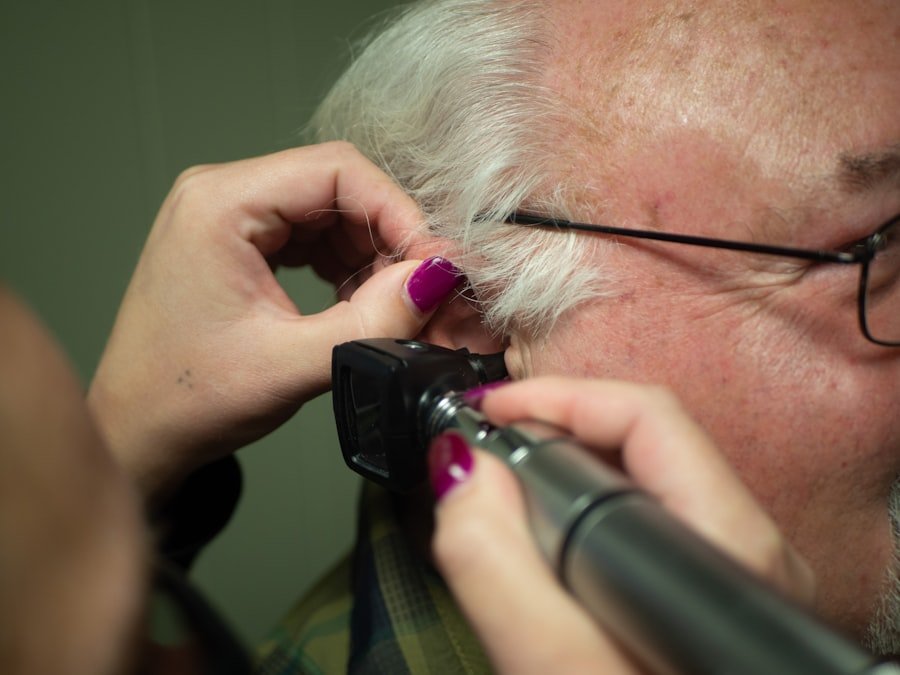
Facing a persistent ringing can be daunting. As the LCA, your goal here is to demystify the diagnostic process, making it less intimidating and encouraging your readers to take that vital first step: seeking professional help.
3.1. The Initial Consultation: Your First Point of Contact
When you decide to see a doctor, your first stop is usually your primary care physician. They will perform an initial assessment to determine the best course of action.
3.1.1. Gathering Your Medical History
The doctor will ask a detailed series of questions about your tinnitus:
- When did it start?
- What does it sound like? (Refer back to the descriptions in Section 2)
- How loud is it?
- Is it in one ear or both?
- Does it come and go, or is it constant?
- Are there any specific times or situations when it’s better or worse?
- Are you experiencing any other symptoms? (Such as hearing loss, dizziness, pain)
- What medications are you currently taking?
- Have you been exposed to loud noises recently or in the past?
- Do you have any known medical conditions?
3.1.2. A Physical Examination
The doctor will likely perform a physical exam, which may include:
- Checking your ears: Using an otoscope to look for earwax blockage, infection, or other visible issues.
- Checking your head and neck: To assess for any signs of TMJ issues or tenderness.
- Checking your blood pressure: To rule out hypertensive causes.
3.2. Referrals and Specialized Tests: Digging Deeper
Depending on the initial findings, your doctor may refer you to specialists or recommend further tests.
3.2.1. Audiologist Examination: The Hearing Specialist
An audiologist is the expert in hearing. They will conduct a comprehensive hearing test.
3.2.1.1. Pure-Tone Audiometry
This test measures your ability to hear different frequencies at varying loudness levels. It helps identify the presence and extent of any hearing loss.
3.2.1.2. Tympanometry
This test assesses the function of your middle ear and eardrum, looking for issues like fluid buildup or eardrum perforation.
3.2.1.3. Otoacoustic Emissions (OAEs)
This test measures the subtle sounds produced by the hair cells in your inner ear in response to sound. It’s a sensitive indicator of inner ear health.
3.2.2. Ear, Nose, and Throat (ENT) Specialist (Otolaryngologist)
An ENT doctor has expertise in conditions affecting the ear, nose, and throat. They may perform more specialized examinations and tests.
3.2.3. Imaging Tests: Visualizing the Auditory Pathways
In some cases, imaging scans might be necessary to rule out more serious conditions.
3.2.3.1. MRI (Magnetic Resonance Imaging)
An MRI can provide detailed images of the brain and the auditory nerve, helping to detect tumors like acoustic neuromas or other neurological abnormalities.
3.2.3.2. CT (Computed Tomography) Scan
A CT scan can offer good views of the bone structures of the ear and can be useful in identifying certain types of hearing loss or inner ear malformations.
3.3. The Importance of Patience and Persistence
Emphasize to your readers that diagnosis can sometimes take time. They shouldn’t get discouraged if the cause isn’t immediately apparent. Persistence in seeking answers is key.
4. Strategies for Relief: Managing Your Tinnitus
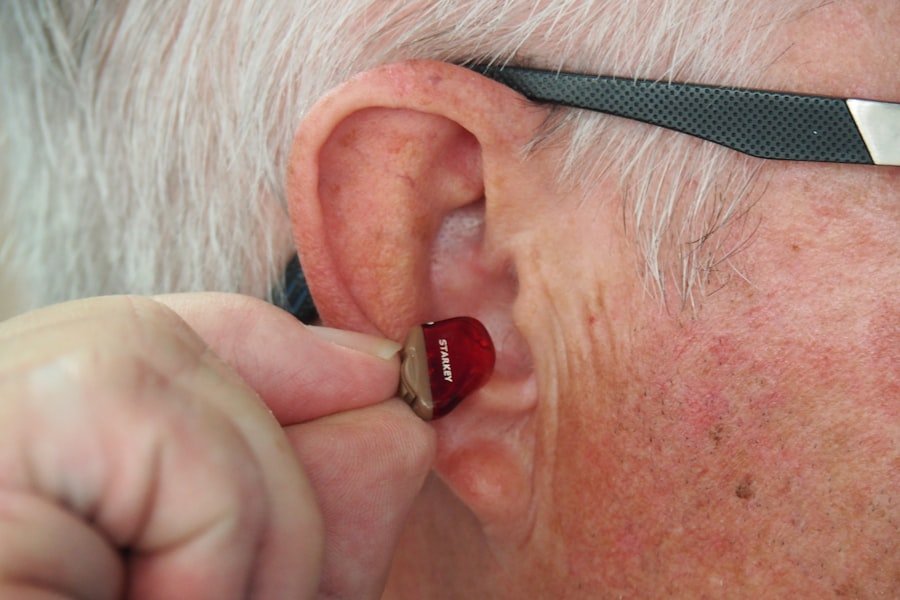
This is the crux of your listicle – offering hope and practical solutions. As the LCA, I believe in empowering people with strategies to cope and manage their tinnitus, even if a complete cure isn’t always possible.
4.1. Sound Therapy: Masking the Unwanted Noise
One of the most effective and widely used management strategies is sound therapy. The principle is to introduce external, more pleasant sounds to make the tinnitus less noticeable.
4.1.1. White Noise Machines and Apps
These devices produce a continuous, static-like sound that can effectively mask tinnitus. Many apps are available for smartphones that offer a variety of sounds, including white noise, pink noise, and nature sounds.
4.1.2. Environmental Sounds
For some, simple background sounds can be helpful. This could include:
- Fan noise: The gentle hum of a fan.
- Nature sounds: Rain, ocean waves, or soft music.
- Ambient sound generators: Devices specifically designed to create soothing soundscapes.
4.1.3. Tinnitus Maskers
These are similar to hearing aids but are designed to produce a low-level sound that helps distract from the tinnitus. They are often prescribed by audiologists.
4.2. Lifestyle Modifications: Taking Control of Your Triggers
As we discussed earlier, certain lifestyle factors can influence tinnitus. Making conscious changes can lead to significant relief.
4.2.1. Stress Management Techniques
Since stress can be a major amplifier, teaching your readers coping mechanisms is vital.
- Mindfulness and Meditation: Regular practice can help reduce overall stress levels and improve your ability to cope with challenging sensations.
- Yoga and Tai Chi: These practices combine gentle exercise with mindful breathing and relaxation.
- Deep Breathing Exercises: Simple yet powerful techniques to calm the nervous system.
- Regular Physical Exercise: A proven stress reliever.
4.2.2. Dietary Adjustments
While individual responses vary, some find relief by moderating intake of:
- Caffeine: Reducing coffee, tea, and soda intake.
- Alcohol: Limiting or abstaining from alcoholic beverages.
- Salt: High salt intake can affect blood pressure, which may influence pulsatile tinnitus.
4.2.3. Protecting Your Hearing: The Best Prevention
Reiterate the importance of listening to your body and protecting your ears from harmful noise.
- Use Earplugs: In loud environments like concerts, construction sites, or when using loud machinery.
- Lower Volume on Headphones: Always keep the volume at a safe level, and take regular breaks.
4.3. Cognitive Behavioral Therapy (CBT): Rethinking Your Relationship with Tinnitus
CBT is a highly effective therapeutic approach that focuses on changing negative thought patterns and behaviors associated with tinnitus.
4.3.1. Changing Your Perception of the Sound
CBT helps individuals reframe their thoughts about tinnitus, moving from annoyance and distress to acceptance and management. It’s not about eliminating the sound entirely, but about reducing its emotional impact.
4.3.2. Developing Coping Strategies
Therapists work with individuals to develop personalized strategies for dealing with tinnitus in daily life, improving sleep, and reducing anxiety.
4.4. Tinnitus Retraining Therapy (TRT): Habituation and Acceptance
| Causes | Symptoms | Treatment |
|---|---|---|
| Exposure to loud noise, earwax buildup, age-related hearing loss, ear bone changes, Meniere’s disease, TMJ disorders | Ringing, buzzing, hissing, roaring, clicking sound in the ear | Hearing aids, sound therapy, cognitive behavioral therapy, medication, surgery |
TRT combines sound therapy with directive counseling to help the brain habituate to the tinnitus sound. The goal is for the brain to eventually perceive the tinnitus as a neutral stimulus, similar to how it habituates to other background noises.
4.5. Medical and Surgical Interventions (When Appropriate)
While less common, for specific causes of tinnitus, medical or surgical interventions may be considered.
4.5.1. Treating Underlying Conditions
If tinnitus is caused by an identifiable medical condition (e.g., Meniere’s disease, TMJ disorder, a tumor), treating that condition can alleviate the tinnitus.
4.5.2. Surgical Options
In rare cases, if tinnitus is caused by a specific structural issue like an AVM or an acoustic neuroma, surgery might be an option. However, these are highly specialized and not a common solution for the majority of tinnitus sufferers.
5. Living Well with Tinnitus: Long-Term Strategies
The constant ringing in your ear doesn’t have to define your life. As the LCA, my final goal is to instill a sense of empowerment and optimism. It’s about learning to live with it, not just despite it.
5.1. Embracing a Proactive Approach
Encourage your readers to be active participants in their own well-being.
5.1.1. Regular Check-ups
Emphasize the importance of ongoing medical and audiological check-ups, especially if their tinnitus changes or worsens.
5.1.2. Staying Informed
Advise them to continue learning about tinnitus and new management strategies. Support groups and reputable organizations can be invaluable resources.
5.2. The Power of Community and Support
No one should feel alone in their experience.
5.2.1. Connecting with Others
Mention the benefits of joining tinnitus support groups, whether online or in person. Sharing experiences and strategies with others who understand can be incredibly validating and empowering.
5.2.2. Educating Loved Ones
Encourage readers to talk to their friends and family about their tinnitus, helping them understand its impact and how they can offer support.
5.3. Finding Joy and Fulfillment
Tinnitus can be a challenge, but it doesn’t have to be a barrier to a fulfilling life.
5.3.1. Focusing on What You Can Control
Help readers shift their focus away from what they can’t change (the sound itself) to what they can control (their reactions, their lifestyle, their overall well-being).
5.3.2. Engaging in Hobbies and Activities
Encourage them to continue pursuing their passions and engaging in activities that bring them joy, demonstrating that tinnitus doesn’t have to limit their life experiences.
By following this architectural blueprint, you’re not just creating a listicle; you’re building a comprehensive guide that educates, empowers, and offers genuine hope to anyone experiencing the persistent ringing in their ear. Now go forth and build something brilliant!
FAQs
What is constant ringing in the ear?
Constant ringing in the ear, also known as tinnitus, is the perception of sound in the ears or head when no external sound is present. It can manifest as ringing, buzzing, hissing, or other sounds.
What causes constant ringing in the ear?
Constant ringing in the ear can be caused by a variety of factors, including exposure to loud noise, ear infections, earwax buildup, age-related hearing loss, and certain medications. It can also be a symptom of underlying health conditions such as Meniere’s disease, temporomandibular joint (TMJ) disorders, and head or neck injuries.
How is constant ringing in the ear diagnosed?
Diagnosing constant ringing in the ear typically involves a thorough medical history, physical examination, and hearing tests. In some cases, imaging studies such as MRI or CT scans may be ordered to rule out any structural abnormalities in the ear or brain.
Can constant ringing in the ear be treated?
While there is no cure for tinnitus, there are various treatment options available to help manage the symptoms. These may include hearing aids, sound therapy, cognitive behavioral therapy, and relaxation techniques. In some cases, addressing the underlying cause of tinnitus, such as removing earwax or changing medications, may alleviate the symptoms.
When should I see a doctor about constant ringing in the ear?
If you are experiencing constant ringing in the ear that is persistent, bothersome, or accompanied by other symptoms such as dizziness, changes in hearing, or ear pain, it is important to see a doctor for a thorough evaluation. Additionally, if the tinnitus is sudden and unexplained, seeking medical attention is recommended.