
Let’s dive into the art and science of observation strategy, a cornerstone of effective content creation, especially for us listicle aficionados. As your Listicle Content Architect, I’m here to guide you through building a robust observation strategy that will elevate your listicles from good to unforgettable. Think of this as your blueprint for seeing what others miss, for uncovering the hidden gems that make your content shine, and for understanding your audience and their world with unparalleled depth. This isn’t just about glancing; it’s about intentional, insightful, and impactful observation.
Before you even think about deploying your observational prowess, you need to equip yourself with a clear sense of direction. This is where you define the “what” of your observation. Without a well-defined compass, you risk getting lost in a sea of irrelevant data, producing listicles that are broad but shallow. Your mission, should you choose to accept it, is to imbue your observation with purpose.
What is the Primary Goal of Your Observation?
Every observational effort must serve a distinct objective. Are you trying to understand a nascent trend? Are you aiming to identify pain points your audience struggles with? Perhaps you’re on a quest to unearth innovative solutions or to gauge the general sentiment surrounding a particular topic. Your primary goal dictates the lens through which you’ll observe. For instance, if your goal is to create a listicle about “5 Common [Industry] Mistakes to Avoid,” your observation will focus on identifying recurring errors, frustrations, and cautionary tales. If you’re aiming for “10 Brilliant [Hobby] Hacks,” you’ll be scanning for clever shortcuts, unique approaches, and under-the-radar techniques.
Who is Your Target Audience for this Observation?
This isn’t just about who will read your listicle, but who you are observing among. Are you observing industry experts? Novice enthusiasts? Casual consumers? Daily commuters? Busy parents? Each of these groups will exhibit different behaviors, voice different concerns, and engage with information in unique ways. Observing a group of seasoned professionals will yield very different insights than observing a group of newcomers. Understanding your observational audience allows you to tailor your focus, ensuring your observations are relevant to the people whose experiences you are trying to capture and, ultimately, to serve in your listicles.
What are the Key Themes or Topics You Need to Explore?
Once your goal and audience are established, you need to narrow down your focus to specific themes or topics. This is where you sketch out the territories you intend to explore. For a listicle on “The Future of Remote Work,” your key themes might include productivity tools, communication challenges, work-life balance, and leadership strategies in a distributed environment. For “Budget-Friendly Travel Destinations for 2024,” your themes could be accommodation deals, affordable activities, local cuisine, and transportation hacks. These themes act as signposts, guiding your observation and ensuring you don’t stray too far from your intended path.
What Information Gaps Do You Aim to Fill?
The most compelling listicles often fill a void. They provide information that is either hard to find, presented in a scattered manner, or lacking in clarity. Your observation strategy should be designed to pinpoint these gaps. Are there common questions that remain unanswered on forums? Are there emerging solutions that haven’t been consolidated? Are there best practices that are widely known within a small circle but not to the broader public? Identifying these gaps is crucial. For example, if your observation reveals that many aspiring gardeners are struggling with pest control in a specific climate, a listicle titled “7 Natural Pest Solutions for Your Urban Garden” becomes incredibly valuable.
2. Cultivating Observational Environments: Where to Look
Now that you know what you’re looking for, it’s time to identify the fertile grounds where these observations can flourish. The “where” of your observation strategy is just as critical as the “what.” Just as a botanist selects the right soil and climate for a rare plant, you must select the environments that will yield the most meaningful insights for your listicles.
Online Communities and Forums
These digital watering holes are goldmines for authentic observations. Platforms like Reddit, Quora, specialized Facebook groups, and industry-specific forums are where people gather to share their experiences, ask questions, and vent their frustrations. Pay attention to the language used, the recurring problems, the innovative solutions being proposed by community members, and the overall sentiment. A simple scan of a popular subreddit related to your niche can reveal a dozen potential listicle topics. For instance, observing discussions in a photography forum might lead to a listicle about “10 Must-Have Lenses for Beginner Portrait Photographers” based on common queries and recommendations.
Social Media Platforms
Beyond forums, broader social media platforms like Twitter, Instagram, LinkedIn, and TikTok offer a wealth of observational opportunities. Follow relevant hashtags, influential accounts, and engage with trending topics. Observe user-generated content, comments, and discussions. Social media is particularly useful for gauging public opinion, identifying emerging visual trends, and understanding how people express themselves. A listicle on “5 Viral TikTok Dance Challenges You Can Master This Weekend” is a direct result of observing trends on that platform. Likewise, noticing recurring questions on LinkedIn about career advancement could inspire a listicle on “7 Essential Skills for Career Growth in [Your Industry].”
Real-World Interactions and Events
Don’t underestimate the power of observing the physical world around you. This includes attending industry conferences, workshops, local meetups, and even everyday places like coffee shops or public transportation. Observe how people interact with products, services, and each other. Listen to conversations (respectfully, of course!). These real-world observations can provide context and nuance that you might miss online. For example, attending a home gardening show might reveal common struggles people have with composting, leading to a listicle titled “Your Complete Guide to Hassle-Free Composting.”
Existing Content Analysis
This might seem counterintuitive – observing existing content to create new content. However, it’s a vital part of a comprehensive observation strategy. Analyze successful listicles in your niche. What makes them popular? What topics do they cover? What is their structure and tone? Also, look at content that is underperforming. Why isn’t it resonating? Understanding the competitive landscape and identifying content gaps is crucial. This analysis can reveal not only what topics are in demand but also what formats and approaches are most effective, informing your own listicle creation. For instance, noticing that most listicles on productivity focus on apps but lack practical, real-world strategies could inspire a listicle titled “Beyond the App: 8 Productivity Habits That Actually Work.”
User Feedback and Analytics
For established content creators, your existing user base and website analytics are a treasure trove of observational data. Analyze comments on your blog posts, reviews of your products or services, customer support inquiries, and website analytics. What pages are most visited? What search terms bring people to your site? What questions are frequently asked? This data provides direct insights into what your audience is interested in and what they are struggling with. If your analytics show a spike in traffic to articles about basic Excel functions, it’s a clear signal to create a listicle like “Top 15 Essential Excel Formulas for Beginners.”
3. Employing Observational Techniques: How to Look
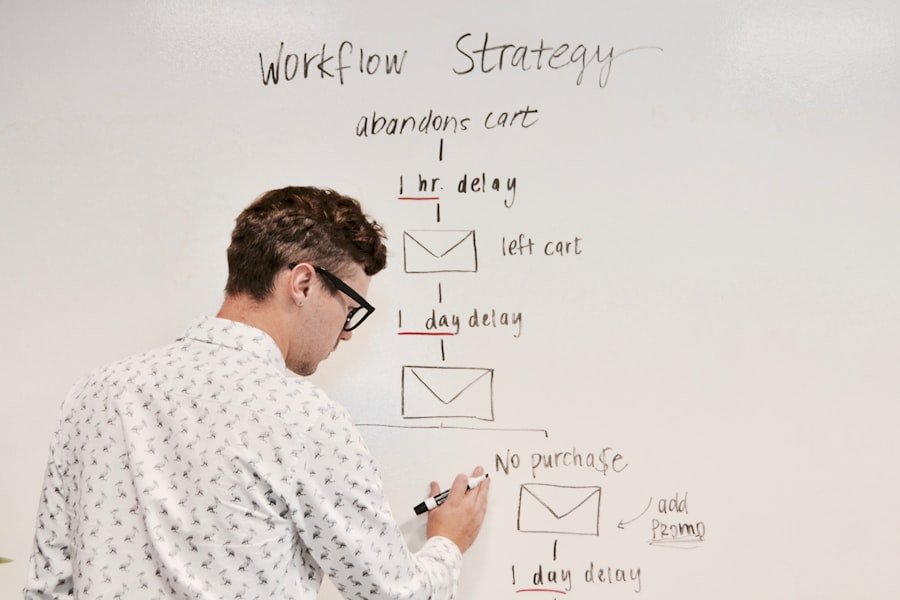
Knowing where to look is only half the battle. The “how” of your observation strategy involves the specific techniques and methods you’ll employ to gather your insights. This is where you move from passive observation to active, intentional data collection.
Active Listening and Eavesdropping (Ethically!)
When you’re in a real-world environment or an online community, practice active listening. This means not just hearing words, but understanding the emotions, unspoken needs, and underlying context. In online forums, this translates to thoroughly reading posts and replies, looking for themes and recurring ideas. Ethical eavesdropping involves paying attention to public conversations without intrusion or deception. For example, in a coffee shop, listening to snippets of conversations about challenges in starting a small business can lead to listicle ideas like “7 Crucial First Steps for Aspiring Entrepreneurs.”
Keyword and Trend Monitoring
Leveraging tools for keyword and trend monitoring is essential for understanding what people are actively searching for and what topics are gaining traction. Tools like Google Trends, SEMrush, Ahrefs, and even simple Google keyword planners can reveal popular search queries. Observing the rise and fall of search interest for specific terms can highlight emerging topics or declining trends. For instance, if you notice a surge in searches for “sustainable fashion tips,” it’s an immediate green light for a listicle on that topic.
Sentiment Analysis
Understanding the emotional tone behind a conversation or piece of content is vital. Sentiment analysis involves assessing whether public opinion or individual commentary is positive, negative, or neutral. This can be done manually by reading through comments and posts, or with the help of automated tools. A listicle that addresses a common frustration or negative sentiment will likely resonate more powerfully. If your sentiment analysis reveals widespread dissatisfaction with existing meal kit services due to packaging waste, a listicle on “Eco-Friendly Meal Kit Alternatives” would be highly relevant.
Pattern Recognition and Synthesis
Observation isn’t just about collecting individual data points; it’s about connecting them. You need to develop the skill of recognizing patterns and synthesizing disparate pieces of information into a coherent whole. This involves looking for recurring themes, common challenges, shared desires, and emerging trends across different sources. For example, if you observe discussions about struggling with time management online, read user reviews of productivity apps, and notice a growing interest in mindfulness, you can synthesize these into a listicle on “Mindfulness Techniques for Enhanced Time Management.”
Surveys and Polls (as a supplement)
While not solely observational in the purest sense, surveys and polls can be powerful tools to validate and deepen your observations. Once you’ve identified a potential topic or hypothesis through observation, a targeted survey can provide quantitative data to confirm its prevalence. For instance, after observing many people asking about healthy breakfast recipes on social media, you could run a quick poll to see which types of breakfasts are most desired. This data can then inform the specific items in your listicle, such as “5 Quick and Healthy Breakfast Ideas for Busy Mornings.”
4. Documenting and Analyzing Observations: Making Sense of It All

Gathering raw data is only the first step. To transform raw observations into actionable insights for your listicles, you need a systematic approach to documentation and analysis. This is where you turn your collected information into the building blocks of compelling content.
Establishing a Centralized Repository
| Observation Strategy | Explanation |
|---|---|
| Objective | To gather data and information to support decision-making and problem-solving. |
| Methods | Utilize various techniques such as direct observation, surveys, interviews, and data analysis. |
| Benefits | Provides accurate and real-time insights, identifies patterns and trends, and helps in understanding behavior and preferences. |
| Challenges | Ensuring ethical considerations, obtaining consent, and managing biases and limitations. |
Create a dedicated system for storing your observations. This could be a digital notebook, a spreadsheet, a document management system, or even a project management tool. The key is to have a single, organized location where you can easily access and review your findings. Label your entries clearly with the source, date, and any initial thoughts or keywords. This prevents valuable insights from getting lost in the digital ether. For a listicle on “The Best Free Design Tools,” you might have a document where you log every free tool you encounter, along with its features and user reviews.
Categorizing and Tagging Your Insights
Once you have your observations documented, begin categorizing and tagging them. This makes it much easier to find relevant information when you’re brainstorming a new listicle. Use tags related to your core themes, audience segments, potential listicle formats, and any recurring pain points or solutions. For instance, if you’re observing discussions about personal finance, you might tag entries with “budgeting,” “investing,” “debt reduction,” and “financial anxiety.” This allows you to quickly pull up all observations related to anxiety when considering a listicle on that topic.
Identifying Recurring Threads and Themes (The “Aha!” Moments)
This is where you actively look for patterns and connections within your documented observations. What topics keep surfacing? What problems are repeatedly mentioned? What solutions are consistently praised? These recurring threads are the foundation of strong listicle ideas. Don’t just look for the obvious; look for the subtle connections that might not be immediately apparent. The “aha!” moment often comes from spotting a pattern that links seemingly unrelated observations. For instance, observing complaints about long wait times for customer service across multiple industries could lead to a listicle on “Innovative Customer Service Solutions that Prioritize Speed and Efficiency.”
Quantifying and Qualifying Your Findings
Where possible, try to quantify your observations. How many people are talking about a particular issue? What is the general sentiment (e.g., 70% positive, 20% negative)? This adds weight to your findings. However, don’t neglect qualitative insights. The anecdotes, personal stories, and detailed explanations you gather are incredibly valuable for adding depth and authenticity to your listicles. A statistic about the prevalence of burnout is important, but a personal story about how someone overcame it is what truly connects with readers.
Synthesizing into Potential Listicle Angles
The ultimate goal of this stage is to transform your analyzed observations into concrete listicle angles. Based on your findings, what are the most compelling questions you can answer? What are the most pressing problems you can solve? What are the most valuable tips or strategies you can share? This is where you start formulating potential titles and outlines. For example, if your analysis shows a strong interest in learning new skills for career change, you might brainstorm listicles like “Top 10 In-Demand Skills for a Career Pivot,” “The Easiest Skills to Learn for a New Career,” or “How to Master a New Skill in 90 Days.”
5. Iterating and Refining Your Observation Strategy: The Continuous Loop
Observation is not a one-time event; it’s an ongoing process. For your listicle content to remain relevant and impactful, your observation strategy must be iterative and adaptable. This means continuously learning, refining, and improving how you observe.
Regularly Review and Update Your Goals
As you and your audience evolve, so too should your observational goals. Periodically review what you set out to achieve with your observation strategy. Are you still on track? Have new priorities emerged? Consider your evolving content calendar and business objectives. If your focus shifts from beginner content to advanced tutorials, your observational targets will need to adapt accordingly.
Experiment with New Observational Environments
Don’t get stuck in a observational rut. Continuously explore new platforms, communities, and sources of information. The digital landscape is constantly changing, and new spaces for observation are always emerging. What was trending last year might be outdated this year. Be open to discovering new forums, social media platforms, or even real-world events that can offer fresh perspectives.
Seek Feedback on Your Observations and Content
Engage with your audience and peers to get feedback on the insights you’ve gleaned and the listicles you’ve created. Ask readers what they found most helpful, what they’re still struggling with, and what other topics they’d like to see covered. This feedback loop is invaluable for refining your observational focus and ensuring your content remains aligned with audience needs. For example, if readers consistently ask for more in-depth information on a particular point in a listicle, it signals a need for more focused observation in that area.
Integrate Learning into Future Content Plans
The insights you gain from your observation strategy should directly inform your future content planning. Don’t let your observations gather dust. Use them to identify upcoming trends, fill content gaps, and address audience pain points proactively. A robust observation strategy ensures that your content is always timely, relevant, and valuable. If you observe a growing interest in AI-powered tools for creatives, you should immediately be planning listicles on that topic.
Embrace Serendipity and Unforeseen Discoveries
While a structured approach is essential, leave room for serendipity. Sometimes, the most valuable insights come from unexpected places. Be open to noticing things that aren’t directly related to your original observational goals. These “happy accidents” can lead to entirely new and innovative listicle ideas that you might not have conceived of through purely systematic methods. The key is to have the framework in place to recognize and leverage these unexpected discoveries when they arise.
By meticulously implementing these steps, you’re not just creating listicles; you’re crafting insightful, authoritative, and deeply resonant content that truly connects with your audience. This is the power of a well-defined observation strategy, and with it, you are well on your way to becoming a master of the listicle universe.
FAQs
What is an observation strategy?
An observation strategy is a plan or approach used to systematically observe and gather data on a particular subject or phenomenon. It involves identifying the purpose of the observation, selecting appropriate methods and tools, and determining the specific aspects to be observed.
Why is an observation strategy important?
An observation strategy is important because it helps researchers or observers to collect accurate and relevant data in a systematic and organized manner. It ensures that observations are focused and aligned with the research objectives, leading to more meaningful and reliable results.
What are the key components of an observation strategy?
The key components of an observation strategy include defining the research objectives, selecting appropriate observation methods, determining the specific aspects to be observed, establishing a data collection plan, and considering ethical considerations and potential biases.
What are some common observation methods used in an observation strategy?
Common observation methods used in an observation strategy include participant observation, non-participant observation, structured observation, unstructured observation, and systematic observation. Each method has its own advantages and limitations, and the choice of method depends on the research objectives and the nature of the subject being observed.
How can an observation strategy be applied in different fields?
An observation strategy can be applied in various fields such as psychology, sociology, anthropology, education, business, and environmental science. It can be used to study human behavior, social interactions, organizational processes, natural phenomena, and more. The specific application of an observation strategy depends on the research questions and objectives within each field.