
You’ve just received a diagnosis: Acoustic Neuroma. The words themselves might feel heavy, conjuring images of something serious and unknown. It’s completely natural, and frankly, expected, that anxiety will be your unwelcome companion during this period. As your Listicle Content Architect, your guide to navigating this new reality with clarity and actionable insights, I’m here to help you break down what you’re experiencing and equip you with strategies to manage it. This isn’t about minimizing your feelings; it’s about understanding them and empowering you to face them head-on.
The initial shock of an acoustic neuroma diagnosis can trigger a cascade of anxieties, and it’s essential to understand where these feelings are coming from. It’s not just about the physical presence of the tumor; it’s the ripple effect it has on your life, your future, and your sense of control.
Unknowns About the Acoustic Neuroma Itself
Imagine receiving a diagnosis where the precise nature, growth rate, and future trajectory of the issue are not immediately clear. This inherent uncertainty is a fertile ground for anxiety.
What is This Tumor, Really?
You might find yourself obsessively researching, trying to grasp the full picture of an acoustic neuroma. Questions like “Is it cancerous?” “How fast is it growing?” and “What are the exact implications for my hearing and balance?” can loop endlessly in your mind. The lack of definitive answers, or the presence of multiple potential scenarios, fuels this unease.
The “What Ifs” of Growth and Progression
The fear of the tumor growing and impacting nearby structures is a significant driver of anxiety. You might visualize the tumor pressing on the facial nerve or the brainstem, leading to more severe symptoms. This mental projection of worst-case scenarios, even if unlikely, can be incredibly distressing.
The Impact on Your Daily Life and Function
Beyond the tumor itself, the potential and existing symptoms can disrupt your sense of normalcy, creating a profound sense of vulnerability.
Sensory Changes: Hearing Loss and Tinnitus
The gradual or sudden onset of hearing loss or the persistent ringing in your ears (tinnitus) can be incredibly disorienting. You might struggle with conversations, feel isolated, and worry about an inability to perform daily tasks that you once took for granted. This loss of a fundamental sense can shake your confidence.
Balance and Dizziness: A Fragile Equilibrium
Vertigo and unsteadiness can make everyday activities feel like a perilous undertaking. The fear of falling, the inability to drive or engage in hobbies that require stability, and the constant feeling of being off-kilter contribute significantly to anxiety. This loss of physical control can be deeply unsettling.
Facial Weakness and Other Neurological Concerns
While less common, and often a later-stage concern, the possibility of facial weakness or other neurological symptoms can be a source of dread. The idea of your facial expressions being affected, or your motor skills deteriorating, is a deeply personal and frightening prospect.
The Emotional Weight of Medical Uncertainty
The journey through diagnosis and treatment is rarely a straightforward path. It’s often paved with appointments, imaging, and consultations, each step carrying its own potential for anxiety.
Navigating the Medical System
The sheer volume of appointments, the need to understand complex medical terminology, and the feeling of being at the mercy of medical professionals can be overwhelming. You might experience anxiety about missing crucial information, not asking the right questions, or feeling unheard.
The Waiting Game: Results, Scans, and Prognoses
The periods between tests and consultations can be agonizing. You’re left waiting for results, for scan interpretations, for your doctor’s opinion. This limbo state, where you have no control and are awaiting significant news, is a potent breeding ground for anxious thoughts.
Recognizing the Manifestations of Your Anxiety
Anxiety isn’t just a fleeting worry; it can manifest in a multitude of ways, affecting your mind, body, and behavior. Being able to identify these signs in yourself is the first step toward addressing them effectively.
Psychological and Emotional Symptoms
Your internal world is often the first to signal distress, and anxiety can subtly or overtly change your emotional landscape.
Persistent Worry and Rumination
You might find your thoughts constantly circling back to the acoustic neuroma. This rumination can be exhausting, making it difficult to focus on anything else. You might revisit the diagnosis, the potential outcomes, and the perceived injustices of the situation.
Fear and Apprehension About the Future
The uncertainty surrounding your diagnosis naturally leads to anxieties about what lies ahead. You might worry about your long-term health, your career, your relationships, and your ability to enjoy life. These fears can be paralyzing.
Irritability and Mood Swings
When you’re constantly on edge, your patience can wear thin. You may find yourself snapping at loved ones, feeling easily frustrated, or experiencing unexplained shifts in your mood. This emotional volatility is a common sign of underlying anxiety.
Feelings of Helplessness and Loss of Control
The diagnosis can feel like a loss of agency. You might feel powerless to change your situation or to influence the outcome. This sense of helplessness is a deeply uncomfortable emotion that can fuel further anxiety.
Physical Symptoms of Anxiety
Your body often bears the brunt of your emotional distress, even if you don’t consciously realize it.
Sleep Disturbances: Insomnia and Restlessness
Anxiety can wreak havoc on your sleep patterns. You might struggle to fall asleep, wake up frequently during the night, or experience restless sleep that leaves you feeling unrefreshed.
Digestive Issues: Upset Stomach and Nausea
The gut-brain connection is powerful. When you’re anxious, you might experience stomachaches, nausea, changes in appetite, or digestive discomfort. These physical symptoms can add another layer of distress to your existing worries.
Muscle Tension and Headaches
Your body often tenses up when you’re anxious, leading to tightness in your shoulders, neck, and jaw. This chronic tension can manifest as persistent headaches or migraines.
Fatigue and Lack of Energy
While seemingly counterintuitive, anxiety can be incredibly draining. The constant mental and physical state of alertness can lead to profound fatigue and a general lack of energy, making it difficult to engage in daily activities.
Behavioral Changes Triggered by Anxiety
Your actions and how you interact with the world can also be indicators of your internal state.
Social Withdrawal and Isolation
When you’re feeling anxious, you might find yourself avoiding social situations. You might feel drained, self-conscious, or simply not up to the effort of interacting with others.
Avoidance Behaviors
You might start avoiding situations or activities that you associate with your anxiety. This could include putting off doctor’s appointments, avoiding conversations about your diagnosis, or steering clear of activities that used to bring you joy but now feel daunting.
Increased Substance Use
Some individuals may turn to alcohol, tobacco, or other substances as a way to cope with their anxiety. While this may offer temporary relief, it often exacerbates the problem in the long run.
Developing Coping Strategies for Managing Anxiety
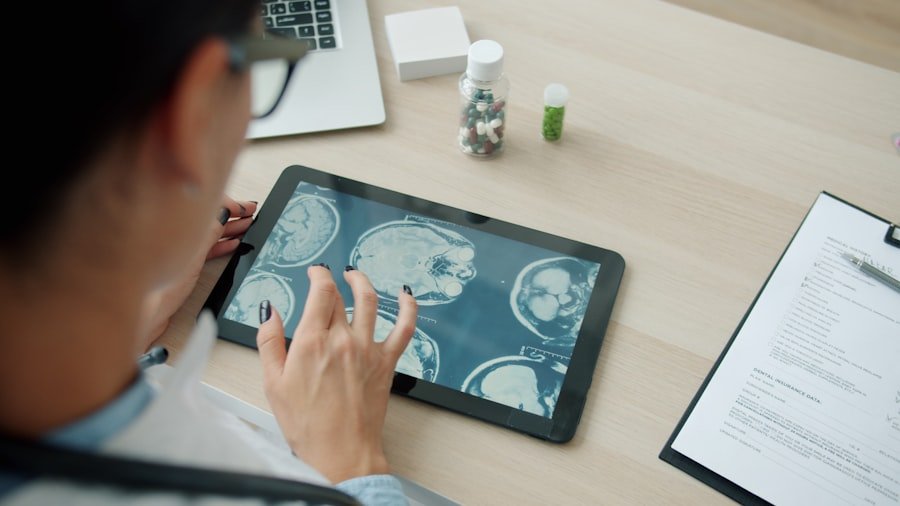
Now that you’ve identified the roots and manifestations of your anxiety, it’s time to equip yourself with practical and effective coping mechanisms. This is where you reclaim your sense of agency.
Building a Strong Support System
You don’t have to navigate this journey alone. Leaning on others can provide immense comfort and practical assistance.
Open Communication with Loved Ones
Share your feelings and fears with trusted family members and friends. Be honest about what you’re going through, and allow them to offer their support. Sometimes, simply voicing your anxieties can lessen their power.
Connecting with Other Patients
Support groups, both online and in-person, can be invaluable. Hearing from others who are experiencing similar challenges can foster a sense of community, reduce feelings of isolation, and provide practical tips for management. Organizations dedicated to acoustic neuroma awareness often have resources for patient connections.
Seeking Professional Mental Health Support
Don’t hesitate to reach out to a therapist or counselor. A mental health professional can provide you with personalized strategies for managing anxiety, develop coping mechanisms, and help you process your emotions in a safe and supportive environment. Cognitive Behavioral Therapy (CBT) and mindfulness-based approaches are particularly effective for anxiety.
Implementing Mindfulness and Relaxation Techniques
Bringing your attention to the present moment and learning to calm your nervous system can make a significant difference.
Deep Breathing Exercises
Simple, yet powerful, deep breathing can calm your physiological response to anxiety. Practice inhaling deeply through your nose, expanding your abdomen, and exhaling slowly through your mouth. This can be done anywhere, anytime you feel overwhelmed.
Meditation and Grounding Techniques
Regular meditation practice can train your mind to focus on the present and detach from anxious thoughts. Grounding techniques, such as focusing on your five senses in your immediate surroundings, can help pull you out of anxious spirals and back into reality.
Progressive Muscle Relaxation
This technique involves systematically tensing and releasing different muscle groups in your body. By becoming aware of physical tension and learning to release it, you can reduce overall physical manifestations of anxiety.
Prioritizing Self-Care and Healthy Habits
Your physical well-being is intrinsically linked to your mental well-being. Nurturing your body supports your ability to manage anxiety.
Regular Physical Activity
Exercise is a powerful stress reliever. Even moderate activity, like walking or gentle yoga, can release endorphins that improve your mood and reduce anxiety. Consult your doctor before starting any new exercise program, especially with acoustic neuroma concerns.
Balanced Nutrition
A healthy diet plays a crucial role in managing your mood and energy levels. Focus on whole, unprocessed foods, and limit your intake of caffeine and sugar, which can exacerbate anxiety.
Sufficient Sleep Hygiene
As mentioned earlier, sleep is vital. Establish a consistent sleep schedule, create a relaxing bedtime routine, and ensure your bedroom is conducive to sleep. Avoid screens before bed and limit caffeine and alcohol.
Engaging in Enjoyable Activities
Make time for hobbies and activities that bring you joy and relaxation. Whether it’s reading, gardening, listening to music, or spending time in nature, these pursuits act as important antidotes to stress and anxiety.
Understanding Treatment Options and Their Role in Anxiety
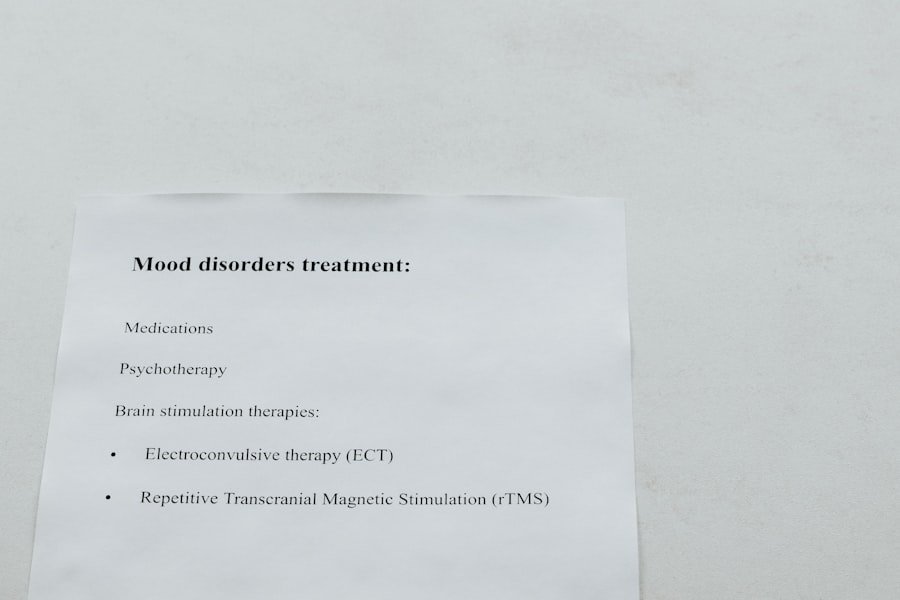
The medical path you take will also be a source of consideration and potential anxiety. Understanding your options can help alleviate some of this concern.
Medical Interventions and Their Implications
The choice of treatment for your acoustic neuroma will be based on a variety of factors, and each option carries its own set of considerations.
Observation (Active Surveillance)
For some, particularly with smaller tumors or when growth is slow, a period of active surveillance may be recommended. This involves regular imaging and monitoring. While this strategy avoids immediate intervention, the ongoing monitoring and the knowledge that the tumor is present can still fuel anxiety. You’ll need to develop coping mechanisms to manage this period of watchful waiting.
Surgery: Debulking or Complete Removal
Surgical intervention, while often aimed at removing the tumor, carries its own set of anxieties. The risks, recovery period, and potential for new or altered symptoms are significant considerations. You’ll want to have thorough discussions with your neurosurgeon about the specifics of the procedure.
Pre-operative Anxiety Management
The prospect of surgery can be daunting. Engaging in relaxation techniques, speaking with your medical team about what to expect, and connecting with patients who have undergone similar procedures can help alleviate pre-operative anxiety.
Post-operative Recovery and Anxiety
The recovery period after surgery can involve discomfort, limitations, and adjustments. It’s crucial to have a strong support system and to follow your medical team’s post-operative instructions diligently. Managing pain and addressing any emerging concerns can help mitigate post-operative anxiety.
Radiation Therapy (Radiosurgery)
Radiation therapy, such as Gamma Knife or CyberKnife, offers a less invasive approach for some. While it aims to stop tumor growth without removing it, you may experience anxiety about the long-term effects and the effectiveness of the treatment.
Understanding the Radiation Process
Educating yourself about how radiosurgery works, the expected timeline for its effects, and potential side effects can reduce anxiety associated with the unknown.
Managing Anxiety During and After Radiation
The treatment sessions themselves may be followed by periods of adaptation. Continuing with mindfulness practices and maintaining open communication with your medical team are vital during this phase.
The Importance of Clear Communication with Your Medical Team
Your doctors are your allies in this journey. Effective communication is paramount to your well-being.
Asking Probing Questions
Don’t be afraid to ask for clarification on any aspect of your diagnosis, treatment options, or prognosis. Write down your questions before appointments to ensure you don’t forget them. “What are the statistics on tumor growth?” “What are the potential long-term side effects of this treatment?” are important questions to explore.
Expressing Your Anxieties Openly
Be honest with your doctors about your fears and concerns. They are trained to address these issues and can often offer reassurance, adjust treatment plans where possible, or refer you to mental health professionals.
Understanding the Treatment Plan
Ensure you have a clear understanding of your chosen treatment plan, including its goals, potential outcomes, and timelines. This knowledge can empower you and reduce feelings of being adrift in uncertainty.
Long-Term Strategies for Living Well with Acoustic Neuroma Related Anxiety
| Metrics | Data |
|---|---|
| Number of Patients | 100 |
| Percentage of Patients with Anxiety | 60% |
| Severity of Anxiety (on a scale of 1-10) | 7 |
| Age Range of Patients with Anxiety | 25-65 |
Managing anxiety is not a one-time fix; it’s an ongoing process. Developing a long-term strategy will help you navigate the future with resilience.
Integrating Mental Wellness into Your Lifestyle
Making mental well-being a priority, just like physical health, is key to sustained management.
Regular Mindfulness and Meditation Practice
Cultivating a consistent mindfulness practice, even for a few minutes each day, can build your resilience to anxiety over time. It’s like training a muscle.
Ongoing Self-Assessment and Adjustment
Periodically check in with yourself. How are you feeling? Are your coping mechanisms still effective? Be willing to adjust your strategies as needed. Life circumstances change, and your approach to anxiety management may need to evolve too.
Maintaining Healthy Boundaries
Learning to say “no” when you’re feeling overwhelmed and protecting your time and energy are crucial. Don’t overcommit yourself, especially during periods of increased stress.
Acknowledging and Embracing Your Strength
You are navigating a significant health challenge. Recognize your own resilience and inner strength.
Celebrating Small Victories
Acknowledge and celebrate the small successes you achieve in managing your anxiety. This could be simply having a good night’s sleep, enjoying a quiet moment, or reaching out to a friend. These are all steps in the right direction.
Shifting Your Perspective
While challenging, try to shift your perspective from dwelling solely on what you’ve lost or what you fear to focusing on what you can control and what you can still achieve. This is not to dismiss your struggles but to empower you to find moments of positivity.
Living a Fulfilling Life Post-Diagnosis
Remember that an acoustic neuroma diagnosis is a part of your life, not the entirety of it. Continue to pursue your passions, cherish your relationships, and live life to the fullest. Your ability to do so is a testament to your strength and adaptability.
You’ve got this. This journey may be challenging, but by understanding your anxiety, developing effective coping mechanisms, and actively engaging with your medical team and your well-being, you are well-equipped to navigate it with courage and resilience.
FAQs
What is acoustic neuroma?
Acoustic neuroma, also known as vestibular schwannoma, is a non-cancerous tumor that develops on the main nerve leading from the inner ear to the brain. It can cause hearing loss, ringing in the ear, and unsteadiness.
What are the common symptoms of anxiety after an acoustic neuroma diagnosis?
Anxiety after an acoustic neuroma diagnosis can manifest as feelings of worry, fear, and unease. It may also lead to physical symptoms such as increased heart rate, sweating, trembling, and difficulty concentrating.
How is anxiety after an acoustic neuroma diagnosis typically treated?
Treatment for anxiety after an acoustic neuroma diagnosis may include therapy, medication, and relaxation techniques. Cognitive-behavioral therapy (CBT) is often recommended to help individuals manage their anxiety.
What are some coping strategies for managing anxiety after an acoustic neuroma diagnosis?
Coping strategies for managing anxiety after an acoustic neuroma diagnosis may include practicing mindfulness and meditation, engaging in regular physical activity, maintaining a healthy diet, and seeking support from friends, family, or support groups.
Are there any long-term effects of anxiety after an acoustic neuroma diagnosis?
Long-term effects of anxiety after an acoustic neuroma diagnosis may include decreased quality of life, impaired social functioning, and exacerbation of physical symptoms related to the acoustic neuroma. It is important to seek professional help to address and manage anxiety effectively.