
- Understanding Your Hospital Stay After Acoustic Neuroma Surgery
Your journey through acoustic neuroma surgery is a significant one, and understanding what to expect during your hospital stay is crucial for managing anxiety and preparing yourself for recovery. As your Listicle Content Architect (LCA), I’m here to guide you through this process, breaking down the key aspects of your time in the hospital so you can approach it with confidence. This listicle will be your comprehensive guide, providing you with the information you need to navigate those initial post-operative days.
This is a critical period where your surgical team will be closely monitoring your vital signs, pain levels, and neurological function. Your body is just beginning to heal from the complex procedure, and your comfort and safety are paramount.
1.1 Awakening from Anesthesia and Initial Monitoring
The first sensations you’ll experience are likely the lingering effects of anesthesia, which can include grogginess, disorientation, and even mild nausea. You’ll be in the Post-Anesthesia Care Unit (PACU), also known as the recovery room, where nurses are trained to manage these immediate effects.
- Vital Sign Checks: Expect frequent checks of your blood pressure, heart rate, respiratory rate, and oxygen saturation. This is essential to ensure your body is recovering well from the surgery and the anesthesia.
- Pain Assessment: Pain is expected, and your medical team will be proactive in managing it. You’ll be asked to rate your pain on a scale (usually 0-10), and they will administer appropriate pain medication through an intravenous (IV) line initially.
- Neurological Checks: These are vital for acoustic neuroma surgery. Nurses will perform regular checks to assess your facial nerve function, hearing (if applicable to your specific situation), and balance. Any subtle changes will be noted and reported to the surgeon.
- Fluid Management: You’ll likely have an IV line in place to provide fluids and deliver essential medications, including pain relief and sometimes antibiotics.
1.2 The Surgical Incision and Drains
The appearance and care of your surgical site are important considerations. Depending on the surgical approach, the incision might be behind your ear, in your hairline, or even less visible.
- Incision Dressing: Your incision will be covered with a sterile dressing. It’s usually kept clean and dry, and you should avoid touching it unless instructed by your medical team.
- Surgical Drains (If Applicable): Some patients may have surgical drains placed to remove excess fluid or blood from the surgical site. These are typically small tubes connected to a collection bulb. Nurses will monitor the output and empty the drains as needed. You’ll be instructed on how to handle them if you’re discharged with drains still in place.
- Swelling and Bruising: Some swelling and bruising around the incision site and in the area of surgery are normal. This is a natural part of the healing process.
1.3 Early Mobility and Preventing Complications
While you’ll want to rest, early, gentle mobilization is crucial to prevent complications such as blood clots and pneumonia.
- Turning in Bed: Even when you’re in bed, nurses will help you change positions to prevent pressure sores and improve circulation.
- Assisted Sitting Up: Typically, within the first 24 hours, you’ll be encouraged to sit up in bed or in a chair with assistance. This helps your lungs expand and can improve your overall comfort.
- Deep Breathing Exercises: You might be given an incentive spirometer to encourage deep breaths. This helps keep your lungs clear and prevents fluid buildup.
- The First Few Days: Establishing Recovery and Monitoring Progress
As you move beyond the immediate post-operative period, your hospital stay will focus on stabilizing your condition, managing pain effectively, and beginning to re-establish important bodily functions.
2. Pain Management and Comfort Strategies
Pain is a reality after surgery, and effectively managing it is central to your recovery. Your medical team will work with you to find the most effective pain relief methods.
2.1 Transitioning from IV Pain Medication
Your initial pain relief will likely be through an IV for rapid administration. As your pain becomes more manageable, you’ll transition to oral medications.
- Pill Regimens: You’ll be prescribed oral pain relievers, often a combination of stronger opioids and over-the-counter pain relievers like acetaminophen or ibuprofen.
- Scheduled Doses vs. “As Needed”: Some pain medications will be given on a schedule to maintain a consistent level of pain relief, while others will be available “as needed” for breakthrough pain.
- Communicating Your Pain Levels: Don’t hesitate to tell your nurses if your pain isn’t adequately controlled. They can adjust your medication or explore other options.
2.2 Non-Pharmacological Pain Relief
Beyond medication, several non-drug strategies can contribute to your comfort.
- Positioning: Finding comfortable positions in bed and when sitting can significantly impact your pain. Your nurses can help you with pillows and supports.
- Quiet Environment: A calm and quiet room can reduce external stimuli that might exacerbate discomfort.
- Distraction Techniques: Reading, listening to music, or gentle conversation can help take your mind off the pain.
- Neurological Function: Assessing and Supporting Your Recovery
Acoustic neuroma surgery directly impacts nerves responsible for crucial functions. Therefore, continuous assessment and support of your neurological status are paramount during your hospital stay.
3. Monitoring and Assessing Neurological Function
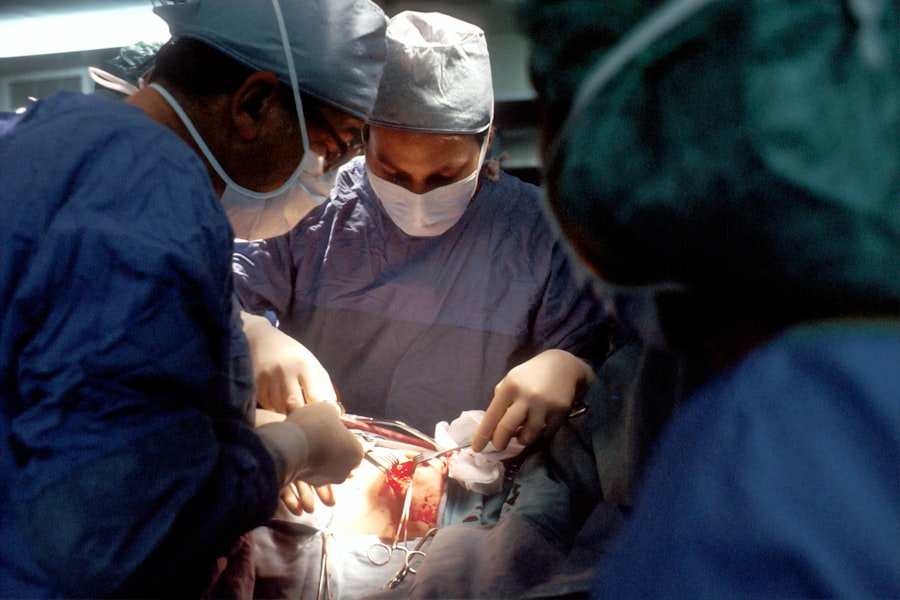
Your surgical team will be meticulously monitoring your nerves to detect any changes and ensure optimal recovery.
3.1 Facial Nerve Monitoring
The facial nerve, which controls facial expressions, is often at risk during acoustic neuroma surgery.
- Visual Inspection: Nurses and doctors will regularly observe your face for any drooping, weakness, or changes in symmetry. This includes checking for eye closure, smiling, and eyebrow movement.
- Facial Nerve Stimulators: In some cases, the surgical team may use specialized equipment to stimulate the facial nerve during surgery and in the immediate post-operative period to assess its function.
- Importance of Early Detection: Prompt identification of any facial nerve deficits is crucial for initiating timely interventions, such as targeted physical therapy or medication.
3.2 Hearing and Balance Assessment
Depending on the size and location of the tumor, as well as the surgical approach, there might be implications for your hearing and balance.
- Subjective Hearing Reports: You’ll be asked about your hearing in the operated ear. Are you noticing any changes? Is there ringing or fullness?
- Balance Checks: Nurses will observe your ability to sit up, stand (with assistance), and walk. They’ll look for dizziness, unsteadiness, or a tendency to fall.
- Audiology Consultations (Potentially): In some cases, you might have a follow-up audiology appointment or receive basic hearing tests in the hospital before discharge to establish a baseline.
3.3 Other Neurological Considerations
The surgery can also affect other cranial nerves and general neurological well-being.
- Swallowing Function: If the surgery was extensive, there’s a possibility of temporary difficulties with swallowing. You’ll be monitored for any signs of choking or difficulty eating.
- Speech Clarity: While less common, some patients may experience subtle changes in speech clarity.
- Headaches and Dizziness: Persistent or severe headaches and dizziness are important to report to your medical team.
- Diet, Hydration, and General Well-being
Your body needs good nutrition and hydration to heal. The hospital staff will guide you through your dietary progression and ensure you’re maintaining adequate fluid intake.
4. Nutrition and Hydration During Your Stay
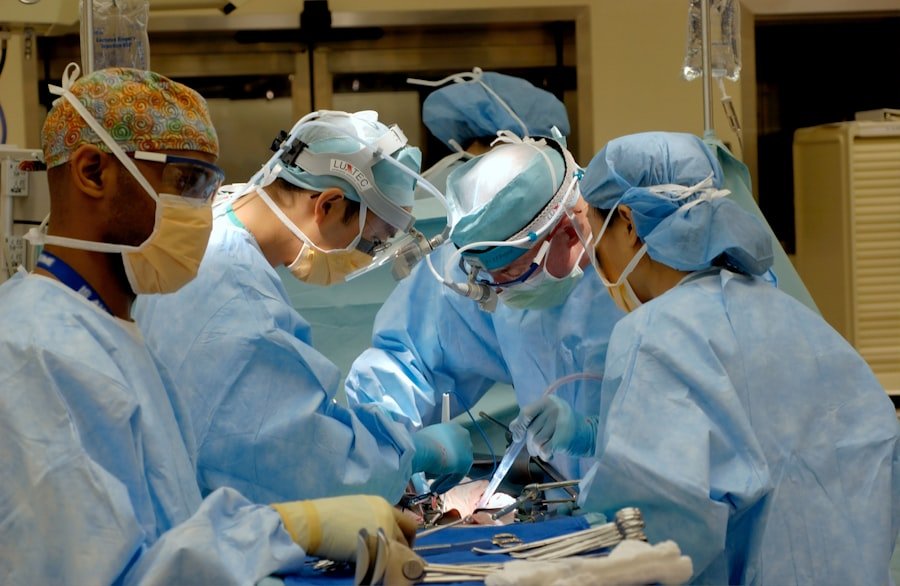
Nourishment and fluids are the building blocks of recovery.
4.1 Dietary Progression
You’ll likely start with a clear liquid diet and gradually progress as your gastrointestinal system recovers and you demonstrate tolerance.
- Clear Liquids: This typically includes water, clear broths, fruit juices without pulp, gelatin, and ice pops.
- Full Liquids: Once clear liquids are tolerated, you might move to full liquids, which can include milk, cream soups, yogurt, and pudding.
- Soft or Pureed Diet: As you regain strength, you may progress to softer foods that are easier to chew and digest.
- Regular Diet: If there are no complications, you’ll eventually return to a regular diet. The key is to listen to your body and report any digestive issues like nausea or abdominal discomfort.
4.2 Importance of Hydration
Staying hydrated is critical for carrying nutrients to healing tissues, flushing out waste products, and preventing complications.
- Fluid Intake Monitoring: Nurses will often track your fluid intake to ensure you’re meeting your hydration goals.
- Encouragement to Drink: You’ll be encouraged to drink water, juice, or other approved fluids regularly.
- IV Fluids: If you’re struggling to drink enough, you may continue to receive fluids through your IV line.
4.3 Importance of Rest and Sleep
While it might feel counterintuitive when you’re in a hospital environment, rest is vital for your body to heal and repair.
- Minimizing Disruptions: The hospital can be noisy and have frequent interruptions. Communicate with your care team about any needs that can help you rest better, such as dimming lights or managing noise.
- Napping: Don’t hesitate to nap when you feel tired. Your body is working hard to recover.
- Sleep Hygiene: Simple things like avoiding caffeine late in the day (if you’re allowed) and practicing relaxation techniques before bed can help.
- Preparing for Discharge and Beyond
Your hospital stay is a stepping stone to your recovery at home. Your medical team will ensure you’re well-prepared for this transition.
5. Discharge Planning and Education
| Metrics | Value |
|---|---|
| Average Hospital Stay | 5 days |
| Minimum Hospital Stay | 3 days |
| Maximum Hospital Stay | 10 days |
| Standard Deviation | 1.5 days |
Discharge planning begins early in your hospital stay, and your education is a key component.
5.1 Understanding Your Medications
You’ll receive detailed instructions on any new medications you need to take at home, including dosage, frequency, and potential side effects.
- Prescription Review: Your doctor or a nurse will go over each prescription with you. Don’t be afraid to ask questions about what each medication is for and why you’re taking it.
- Pain Medication Strategy: You’ll learn how to manage your pain at home, including when to take pain medication and how to gradually reduce reliance on stronger drugs.
- Other Medications: This could include antibiotics, anti-nausea medications, or medications to help with dizziness.
5.2 Incision Care and Signs of Infection
Proper care of your surgical incision is crucial to prevent infection and promote healing.
- Dressing Changes: You’ll be instructed on how to change your dressing, if necessary, or when to seek professional help for dressing changes.
- Keeping the Incision Clean and Dry: You’ll receive specific guidelines on showering and bathing.
- Recognizing Infection: You’ll be educated on the signs of infection, such as increased redness, swelling, warmth, pus-like discharge, or fever. Reporting these symptoms promptly is vital.
5.3 Activity and Exercise Guidelines
Your activity levels will gradually increase under the guidance of your medical team.
- Rest vs. Activity Balance: You’ll be advised on how to balance rest with appropriate levels of gentle activity.
- Physical Therapy Referrals: If you require formal physical or occupational therapy, you’ll receive information on how to schedule these appointments.
- Restrictions: You’ll be informed about any activity restrictions, such as avoiding heavy lifting or strenuous activities, and when these restrictions can be lifted.
5.4 Follow-Up Appointments and When to Seek Medical Help
Knowing what to expect after you leave the hospital is essential for continued recovery and prompt intervention if needed.
- Scheduled Follow-Up Appointments: You’ll have scheduled appointments with your surgeon and possibly other specialists. Mark these dates in your calendar.
- Emergency Contact Information: Ensure you have the contact information for your surgeon’s office and know when to call them versus when to go to the emergency room.
- Warning Signs: You’ll be given a clear list of symptoms that warrant immediate medical attention, such as severe headache, increased weakness, vision changes, or signs of infection.
Your hospital stay after acoustic neuroma surgery is a temporary but vital phase of your healing journey. By understanding the daily routines, the monitoring processes, and the education provided, you can actively participate in your recovery and approach your discharge with a greater sense of control and preparedness. Remember to communicate openly with your healthcare team; they are your greatest resource throughout this experience.
FAQs
What is an acoustic neuroma?
An acoustic neuroma is a non-cancerous tumor that develops on the main nerve leading from the inner ear to the brain. It can affect hearing and balance.
How long is the typical hospital stay after acoustic neuroma surgery?
The length of hospital stay after acoustic neuroma surgery can vary, but it is typically around 3 to 5 days. However, this can depend on the individual patient’s recovery and any complications that may arise.
What are the common reasons for an extended hospital stay after acoustic neuroma surgery?
An extended hospital stay after acoustic neuroma surgery may be necessary if the patient experiences complications such as excessive bleeding, infection, or issues with balance or facial nerve function. Additionally, if the tumor was particularly large or difficult to remove, a longer hospital stay may be required for monitoring and recovery.
What can patients expect during their hospital stay after acoustic neuroma surgery?
During their hospital stay, patients can expect to be closely monitored by medical staff for any signs of complications. They may also receive pain management, physical therapy, and assistance with activities of daily living as needed. Additionally, they will likely have follow-up appointments scheduled before being discharged.
What are the potential risks or complications associated with a hospital stay after acoustic neuroma surgery?
Potential risks or complications associated with a hospital stay after acoustic neuroma surgery include infection, blood clots, pneumonia, and issues with balance or facial nerve function. It’s important for patients to follow their healthcare team’s instructions for post-operative care to minimize these risks.