
The operating room light has dimmed, and the surgeon’s hands have retracted. You’re on the road to recovery, but perhaps a new, unexpected passenger has joined you: a change in your hearing. It’s a common concern, and as your Listicle Content Architect, my mission is to guide you through this auditory landscape with clarity and comprehensive information. You might be experiencing temporary fuzziness, subtle shifts, or perhaps something more noticeable. Whatever your situation, understanding these potential hearing changes is the first step to managing them effectively. This listicle is designed to empower you with knowledge, helping you navigate this post-operative phase with confidence.
Many factors can contribute to alterations in your hearing following surgery. It’s essential to recognize that these changes aren’t a one-size-fits-all phenomenon. The specific type of surgery you underwent, your individual physiology, and even the medications you received can all play a role. As you begin to notice these shifts, remember that your body is undergoing a significant healing process.
The Immediate Aftermath: What to Expect in the First Few Days
In the days immediately following surgery, it’s not uncommon to perceive a muffled or dampened sense of hearing. This is often a transient effect, a consequence of the body’s natural inflammatory response and the presence of packing or dressings within or around the ear.
Swelling and Inflammation: A Temporary Barrier
The surgical site, especially if it’s near the ear or involves structures that influence hearing, can swell. This swelling acts like a physical impediment, affecting how sound waves travel to your inner ear. Think of it like trying to hear through a pillow – the sound is still there, but it’s not as clear or distinct. This inflammation is a crucial part of the healing process, signaling that your body is working to repair itself.
Anesthesia and Sedation: Lingering Effects
The medications used during surgery, including anesthetics and sedatives, can have their own impact on your sensory perception. While their primary purpose is to make you comfortable and pain-free during the procedure, they can sometimes temporarily affect your nervous system, including the auditory pathways. This can manifest as a feeling of ‘fogginess’ that extends to your hearing.
Ear Packing and Dressings: Physical Obstructions
If your surgery involved the ear canal or middle ear, you may have packing or dressings inserted. These are vital for protecting the surgical site, absorbing drainage, and promoting proper healing. However, they inherently create a physical barrier within the ear canal, partially blocking sound from reaching the eardrum. Their removal is usually a straightforward procedure, and your hearing should begin to improve significantly afterward.
Potential Causes of More Persistent Hearing Changes
While many post-operative hearing alterations resolve on their own, certain surgeries or complications can lead to more enduring changes. Understanding these potential causes can help you communicate effectively with your medical team.
Direct Trauma to Auditory Structures
In surgeries where the ear itself is the focus, there’s a risk, however small, of direct trauma to delicate structures like the eardrum, ossicles (the tiny bones in the middle ear), or cochlea (the inner ear’s hearing organ). Even precise surgical techniques can encounter unforeseen anatomical variations, leading to unintended consequences.
Nerve Involvement and Damage
The auditory system relies on complex nerve pathways to transmit sound signals to the brain. If surgery involves areas close to or affecting these nerves, there’s a possibility of nerve irritation, compression, or, in rare instances, damage. This can lead to varying degrees of hearing loss, tinnitus (ringing in the ears), or sound distortion.
Medication Side Effects: Ototoxicity
Certain medications, particularly some anesthetic agents and antibiotics (though less common in modern practice for routine surgeries), can be ototoxic, meaning they can be harmful to the ear. While this is a carefully monitored risk, it’s a factor that might be considered if hearing changes persist.
Infection and Inflammation Beyond the Surgical Site
While the immediate surgical site might heal without issue, there’s always a risk of secondary infection or a delayed inflammatory response. If an infection spreads to the middle or inner ear, it can significantly impact hearing function.
Navigating Different Types of Hearing Impairments
The changes you perceive in your hearing can manifest in various ways. It’s helpful to categorize these impairments to better understand what you might be experiencing and how to discuss it with your doctor.
Conductive Hearing Loss: The Sound’s Journey is Blocked
Conductive hearing loss occurs when sound waves are prevented from being transmitted effectively through the outer ear, eardrum, or the middle ear’s conducting bones. This is often the type of hearing loss seen in the immediate post-operative period due to swelling or packing.
Buildup of Earwax or Debris
Even after surgery, the body’s natural processes can lead to the accumulation of earwax or other debris within the ear canal. This is a common, and usually easily treatable, cause of temporary conductive hearing loss.
Fluid in the Middle Ear
Following ear surgery or in cases of significant inflammation, fluid can accumulate in the middle ear space. This fluid interferes with the vibration of the eardrum and ossicles, leading to a muffled sound. This condition is often temporary and may resolve on its own or with the help of specific treatments.
Perforation or Damage to the Eardrum
In some ear surgeries, the eardrum might be intentionally modified (e.g., for ventilation tubes) or, in rare cases, inadvertently damaged. A perforated or damaged eardrum can significantly impact the ability to conduct sound, leading to conductive hearing loss.
Sensorineural Hearing Loss: The Inner Ear and Brain’s Interpretation is Affected
Sensorineural hearing loss involves damage to the inner ear (cochlea) or the auditory nerve pathways that transmit sound signals to the brain. This type of hearing loss can be more complex and sometimes permanent.
Damage to Hair Cells in the Cochlea
The cochlea contains tiny hair cells that convert sound vibrations into electrical signals. If these hair cells are damaged by medication, trauma, or disease, they cannot effectively send these signals, resulting in sensorineural hearing loss.
Auditory Nerve Issues
The auditory nerve is the information superhighway between the cochlea and the brain. Any disruption, compression, or damage to this nerve can impair the transmission of auditory information, leading to difficulties in hearing and understanding speech.
Demyelination or Scarring
In some cases, nerve fibers can become demyelinated (lose their protective coating) or develop scar tissue, which can impede the efficient transmission of nerve impulses. This can affect the clarity and volume of sounds perceived.
Mixed Hearing Loss: A Combination of Factors
It’s also possible to experience a combination of conductive and sensorineural hearing loss following surgery. This means that both the transmission of sound through the outer and middle ear and the inner ear or auditory nerve pathways are affected.
When to Seek Medical Advice: Red Flags and Timely Intervention

While some post-operative hearing changes are expected and temporary, it’s crucial to know when to seek professional medical attention. Your surgeon will likely be your first point of contact, but your primary care physician or an audiologist can also play vital roles in your evaluation and management.
Persistent or Worsening Symptoms
If your hearing doesn’t show signs of improvement within the expected timeframe, or if your symptoms are worsening, it’s time to investigate further. Don’t assume that changes will magically disappear without medical assessment.
Unexplained Pain or Discharge
Any new onset of ear pain, significant discharge, or a foul odor emanating from the ear requires immediate medical attention. These can be indicators of infection or other complications that need prompt treatment.
Dizziness or Vertigo
Changes in hearing can sometimes be accompanied by dizziness or vertigo, imbalances in your sense of equilibrium. These symptoms, especially if they are new or severe, should be reported to your doctor.
Tinnitus That is Intolerable or New
While mild tinnitus can occur temporarily, if you experience new, loud, or bothersome ringing, humming, or buzzing in your ears that doesn’t subside, it warrants a medical evaluation.
The Importance of Regular Follow-Up Appointments
Your surgical care plan will include scheduled follow-up appointments. These are not optional; they are critical for monitoring your healing progress, identifying any potential complications early, and addressing any concerns you may have.
Surgeon’s Assessment and Evaluation
During your surgeon’s follow-up appointments, they will assess the surgical site, check for signs of infection, and inquire about your hearing and any associated symptoms. They are best equipped to interpret changes related to the specific surgery you underwent.
Audiological Testing: Objectively Measuring Hearing
If hearing changes are significant or persistent, your surgeon may refer you to an audiologist. Audiologists are specialists who conduct comprehensive hearing tests to objectively measure your hearing thresholds, identify the type and degree of hearing loss, and recommend appropriate management strategies.
Strategies for Managing and Adapting to Hearing Changes
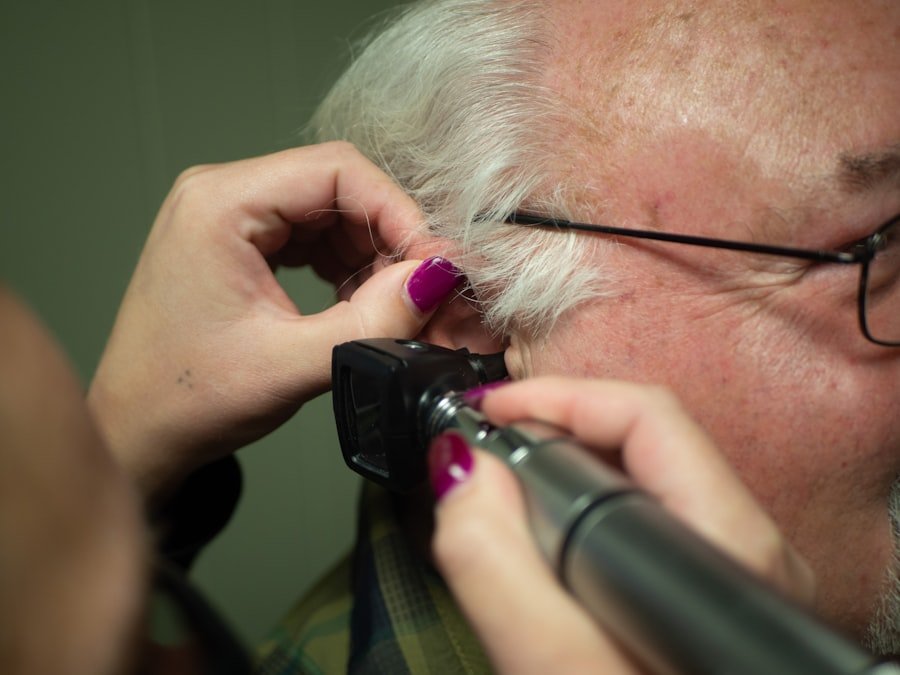
Once the cause of your hearing changes is understood, a range of strategies can help you manage and adapt. The goal is to optimize your communication and quality of life as you recover.
Communication Techniques for Improved Understanding
Simple adjustments in how you communicate can make a significant difference when you’re experiencing hearing difficulties. These techniques are beneficial both for you and for those you’re communicating with.
Visual Cues and Lip Reading
Paying attention to visual cues, such as facial expressions and hand gestures, can supplement auditory information. While not everyone is adept at lip-reading, consciously looking at the speaker’s face can aid comprehension.
Speaking Clearly and at a Moderate Pace
Encourage your communication partners to speak clearly, enunciate their words, and avoid rushing. A slightly slower pace can give your brain more time to process the auditory information.
Reducing Background Noise
Background noise can be a significant impediment to hearing. Whenever possible, move to a quieter environment for conversations. This might involve turning off the television, radio, or closing doors and windows.
Assistive Listening Devices (ALDs) and Hearing Aids
Depending on the nature and severity of your hearing loss, assistive listening devices or hearing aids may be recommended. These technologies are designed to amplify sounds and improve speech clarity.
Understanding Hearing Aid Technology
Modern hearing aids are sophisticated devices that can be programmed to address specific hearing loss patterns. They come in various styles and functionalities, and an audiologist can help you find the best fit for your needs.
Exploring Other Assistive Devices
Beyond hearing aids, there are other ALDs that can be helpful. These include amplified telephones, personal sound amplifiers, and devices that connect to your television or computer to stream audio directly to your hearing device or headphones.
Lifestyle Adjustments for Enhanced Auditory Wellness
Incorporating certain lifestyle habits can support your auditory health and overall well-being during your recovery.
Protecting Your Ears from Loud Noises
Even with some hearing loss, protecting your ears from further damage is crucial. Avoid prolonged exposure to loud noises, and use hearing protection (earplugs) in noisy environments.
Stress Management and Relaxation Techniques
Living with hearing changes can be stressful. Practicing stress management techniques like deep breathing exercises, meditation, or gentle yoga can help alleviate anxiety and improve your overall sense of well-being.
Maintaining a Healthy Lifestyle
A balanced diet, regular exercise, and adequate sleep are fundamental for overall health, including the health of your auditory system. These habits support your body’s healing processes and can contribute to better sensory function.
The Long-Term Outlook: Restoring and Maintaining Your Hearing
| Time Period | Hearing Changes |
|---|---|
| Immediately After Surgery | Temporary hearing loss or muffled hearing |
| 1-2 Weeks After Surgery | Gradual improvement in hearing |
| 1-3 Months After Surgery | Complete recovery of hearing |
While some hearing changes may be temporary, others might require a more long-term management approach. Understanding the potential for improvement and the ongoing care you might need is essential.
The Tendency for Natural Recovery
For many individuals, hearing changes post-surgery are transient. As inflammation subsides, packing is removed, and the body continues its healing journey, auditory function often returns to its baseline. Patience is key during this recovery period.
Factors Influencing Recovery Speed
The speed of recovery can vary greatly depending on the type of surgery, the individual’s health status, and the extent of any initial disruption. Factors like age, existing health conditions, and adherence to post-operative care instructions can also play a role.
When to Consider Medical Intervention for Long-Term Issues
If, after a significant period of recovery, your hearing remains significantly impaired, further medical intervention may be necessary. This could involve more specialized treatments or ongoing management plans.
When Hearing Aids or Other Interventions Become a Permanent Solution
In cases where hearing loss is permanent, hearing aids and other assistive technologies can dramatically improve your ability to communicate and engage with the world. It’s important not to view these as a sign of failure, but as effective tools for regaining auditory function.
The Role of Otolaryngologists and Audiologists
Your otolaryngologist (ENT doctor) and audiologist will work collaboratively to monitor your hearing, adjust treatments if necessary, and ensure you have access to the latest advancements in hearing technology. They are your partners in long-term auditory wellness.
Advocating for Yourself at Every Stage
Remember, you are your own best advocate. Don’t hesitate to ask questions, express your concerns, and seek clarification from your medical team. Open and honest communication is paramount in ensuring you receive the best possible care and achieve the most favorable outcome for your hearing. Your journey toward recovery is unique, and with the right information and support, you can navigate these auditory changes with confidence and regain the sounds of life.
FAQs
What are common hearing changes after surgery?
Some common hearing changes after surgery include temporary hearing loss, tinnitus (ringing in the ears), and dizziness or balance issues.
What causes hearing changes after surgery?
Hearing changes after surgery can be caused by a variety of factors, including anesthesia, changes in blood flow to the inner ear, and damage to the auditory nerve or other structures during the surgical procedure.
Are hearing changes after surgery permanent?
In many cases, hearing changes after surgery are temporary and resolve on their own as the body heals. However, in some cases, permanent hearing loss or other changes may occur.
How can hearing changes after surgery be treated?
Treatment for hearing changes after surgery depends on the specific cause and symptoms, but may include medication, hearing aids, or other interventions to address any underlying issues.
When should I seek medical attention for hearing changes after surgery?
If you experience sudden or severe hearing changes after surgery, it is important to seek medical attention promptly. Additionally, if hearing changes persist or worsen over time, it is important to consult with a healthcare professional.