
- Understanding the Landscape: Why Acoustic Neuroma Surgery Often Impacts Hearing
The journey with an acoustic neuroma, a non-cancerous tumor on the vestibulocochlear nerve, can be multifaceted, and for many, the decision to undergo surgery is a significant one. One of the most common and understandably concerning consequences of this procedure is hearing loss. As the Listicle Content Architect, your goal is to demystify this complex topic, providing clear, actionable, and empathetic information to those navigating this challenge. This section will delve into the fundamental reasons why acoustic neuroma surgery can lead to hearing deficits, setting the stage for understanding the various aspects of this potential outcome.
To truly grasp why hearing loss occurs after surgery, you first need to understand the delicate anatomy involved. The vestibulocochlear nerve, often referred to as the eighth cranial nerve, is not a single entity but a bundle responsible for two vital functions: hearing (cochlear nerve) and balance (vestibular nerve). An acoustic neuroma, by its very nature, originates on this nerve. Its growth directly interferes with the nerve fibers responsible for transmitting sound signals from the cochlea in your inner ear to your brain. This compression and distortion of the nerve’s intricate pathways are the precursors to the hearing issues you might already be experiencing before surgery.
2.1 The Cochlear Nerve: Highway to the Brain
Think of the cochlear nerve as the express highway carrying auditory information. This nerve is packed with thousands of tiny fibers, each dedicated to transmitting specific frequencies of sound. When an acoustic neuroma grows, it begins to squeeze and stretch these fibers. This compression can disrupt the electrical signals that represent sound, leading to a gradual decline in your ability to hear certain pitches or at all. The larger the tumor, the more significant the pressure, and the more pronounced the hearing loss typically becomes.
2.2 The Vestibular Nerve: The Balance Duo
While the focus here is on hearing loss, it’s crucial to remember that the vestibulocochlear nerve also houses the vestibular nerve. This part of the nerve is responsible for your sense of balance. Often, hearing loss and balance issues go hand-in-hand with acoustic neuromas because both components of the nerve are affected. Damage to the vestibular nerve can lead to dizziness, vertigo, and unsteadiness, compounding the challenges you face.
2.3 Tumor Location and Size: Critical Factors
The specific location and size of your acoustic neuroma play a pivotal role in the extent of hearing loss experienced before surgery. Tumors that are smaller and located closer to the internal auditory canal (the bony tunnel that protects the nerve) might have caused less damage to the cochlear nerve fibers. Conversely, larger tumors that have extended further into the cerebellopontine angle (the space at the base of the brain) are more likely to have significantly compromised the auditory pathways. This pre-existing damage is a key determinant of your hearing outcome post-operation.
3. Surgical Approaches and Their Implications for Hearing Preservation
The type of surgery you undergo is a major determinant of your hearing outcome. Surgeons aim for tumor removal while preserving as much neural function as possible, but the reality is that access to the tumor often involves working in close proximity to the delicate auditory structures. Different surgical techniques offer varying degrees of risk and potential for hearing preservation. Understanding these approaches will help you contextualize your own experience and discuss future management strategies with your medical team.
3.1 Translabyrinthine Approach: Maximizing Tumor Access, Minimizing Hearing Hope
The translabyrinthine approach is often chosen for larger tumors or when the tumor encases the facial nerve. This method involves accessing the tumor by drilling through the mastoid bone behind the ear and then intentionally destroying the inner ear structures (labyrinth). This provides excellent visualization and access to the tumor, facilitating complete removal, but it inherently sacrifices hearing on the operated side. If hearing preservation is not feasible or a very high priority, this approach might be recommended.
3.2 Middle Fossa Approach: A Balance of Access and Preservation
The middle fossa craniotomy involves making an incision above the ear and entering the skull through the middle cranial fossa. This approach offers a more direct route to the internal auditory canal and the tumor, often allowing surgeons to preserve the cochlear nerve’s integrity more effectively, especially for smaller to medium-sized tumors. While it offers a better chance of hearing preservation than the translabyrinthine method, it still carries risks depending on the tumor’s position and the surgeon’s ability to dissect it free.
3.3 Retrosigmoid (Posterior) Approach: Another Path to Potential Preservation
Similar to the middle fossa approach, the retrosigmoid approach involves an incision behind the ear and an opening in the skull to access the cerebellopontine angle. This method allows for visualization of the tumor from behind. It is often favored for its ability to preserve both hearing and facial nerve function, especially for tumors that are not extensively encroaching on the inner ear. The success of hearing preservation via this route is highly dependent on the tumor’s size and its adherence to the cochlear nerve.
3.4 Endoscopic Endonasal Approach: A Less Common, Emerging Option
While less common for acoustic neuromas compared to other skull base tumors, the endoscopic endonasal approach involves accessing the tumor through the nasal cavity. This minimally invasive technique can offer advantages in certain situations, particularly for tumors with an infratemporal extension. However, its application for acoustic neuroma treatment, especially concerning hearing preservation, is still evolving and depends heavily on the tumor’s specific characteristics and the surgeon’s expertise.
4. The Immediate Post-Operative Experience: What to Expect Hearing-Wise
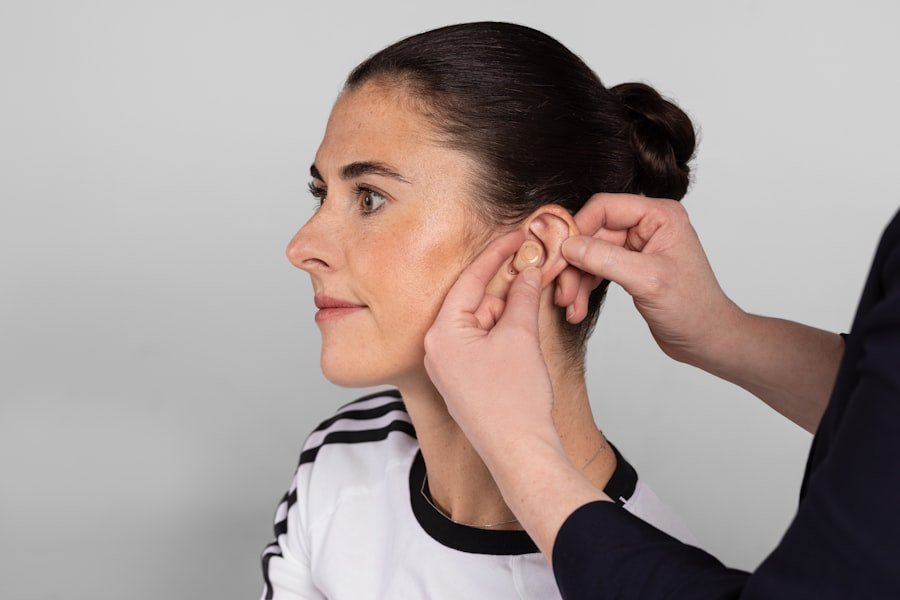
The immediate aftermath of acoustic neuroma surgery is a period of recovery and adaptation, and hearing changes are often a significant part of this experience. It’s essential to approach this phase with realistic expectations and to understand that some hearing fluctuations are normal. This section will guide you through what you might anticipate in terms of hearing in the days and weeks following surgery.
4.1 The Initial Slumber: Temporary Hearing Changes
Immediately after surgery, it is very common to experience significant hearing loss or even complete deafness in the operated ear. This is often due to swelling and inflammation surrounding the cochlear nerve. Think of it as the nerve being temporarily stunned by the surgical intervention. It’s crucial to reassure yourself that this can be temporary, though the extent of eventual recovery is highly variable.
4.2 The Gradual Awakening: Signs of Potential Recovery
As the swelling subsides over the following weeks and months, you might begin to notice some return of hearing. This recovery can range from minimal to significant, and for some, it might mean regaining the ability to hear some sounds or speech. It’s a slow process, and patience is key. Your surgeon will monitor your hearing through audiograms to track any changes.
4.3 The Phantom Noises: Tinnitus in the Post-Op Landscape
Tinnitus, the perception of ringing, buzzing, or other sounds in the ear when no external sound is present, is a common symptom associated with acoustic neuromas and can persist or even worsen after surgery. The surgical manipulation of the auditory nerve or residual inflammation can contribute to these phantom sounds. Managing tinnitus often involves various strategies, which we will explore later.
4.4 The Dizziness Factor: The Vestibular Nerve’s Role
As mentioned earlier, the vestibulocochlear nerve manages both hearing and balance. Even if surgeons aim to preserve hearing, manipulation of the nerve can sometimes impact vestibular function. You might experience heightened dizziness or imbalance immediately after surgery. This often improves with time and vestibular rehabilitation therapy.
5. Long-Term Hearing Outcomes and Management Strategies

The impact of acoustic neuroma surgery on your hearing is not a static event. While some hearing loss may be permanent, there are many strategies and assistive technologies that can help you adapt and still live a full, communicative life. This section focuses on understanding the long-term prognosis and the robust support systems available to help you manage post-surgical hearing loss.
5.1 Assessing the Damage: Diagnostic Tools and Monitoring
Regular audiological evaluations are paramount for tracking your hearing long-term. These tests, including pure-tone audiometry and speech audiometry, help your audiologist and doctor understand the extent of your hearing loss, its pattern (e.g., high-frequency loss, overall reduction), and how it might be affecting your speech comprehension. These assessments inform the selection of appropriate management strategies.
5.2 The Power of Amplification: Hearing Aids and Beyond
For many individuals, hearing aids are a cornerstone of managing post-surgical hearing loss. Modern hearing aids are sophisticated devices that can amplify sounds, especially speech, making it easier to converse in everyday situations.
5.2.1 Traditional Hearing Aids: Tailoring Sound to Your Needs
Your audiologist will work with you to select and program hearing aids that are specifically tailored to your unique hearing profile. This might involve fitting a single device for your affected ear or considering a contralateral routing of signal (CROS) system if you have single-sided deafness.
5.2.2 CROS Systems: Bridging the Gap of Single-Sided Deafness
If you experience profound hearing loss in one ear (single-sided deafness), a CROS system can be a game-changer. This system involves a transmitter worn on the deaf ear that picks up sound and wirelessly transmits it to a receiver worn on the hearing ear. This effectively “routes” sound from the deaf side to the listening side, improving your ability to hear sounds and conversations from all directions.
5.3 Cochlear Implants: Restoring Sound for Severe to Profound Loss
For individuals with severe to profound hearing loss in the operated ear where hearing aids are insufficient, a cochlear implant may be an option. Unlike hearing aids that amplify sound, cochlear implants bypass damaged parts of the ear and directly stimulate the auditory nerve.
5.3.1 The Cochlear Implant Process: A Journey of Activation
The cochlear implant process involves surgery to implant the device and then a period of rehabilitation and activation. A cochlear implant has an external component (microphone and processor) and an internal component (implant and electrode array). Once activated, the external processor converts sound into electrical signals that are sent to the internal component, stimulating the auditory nerve and allowing the brain to perceive sound.
5.3.2 Candidates and Outcomes: Optimizing Your Potential
Not everyone is a candidate for a cochlear implant. Your surgeon and audiologist will carefully assess your hearing loss, nerve function, and overall health to determine if this technology is appropriate for you. For suitable candidates, cochlear implants can significantly improve speech understanding and reduce reliance on visual cues, offering a remarkable return to auditory function.
5.4 Assistive Listening Devices (ALDs): Enhancing Everyday Communication
| Study | Percentage of Patients with Hearing Loss | Severity of Hearing Loss |
|---|---|---|
| Study 1 | 30% | Mild to Moderate |
| Study 2 | 25% | Severe to Profound |
| Study 3 | 20% | Mild to Severe |
Beyond hearing aids and cochlear implants, a range of assistive listening devices can further enhance your communication experience in various environments.
5.4.1 ALDs for Different Scenarios
- Personal Amplifiers: These are simple devices that can amplify sound directly, useful for one-on-one conversations or watching television.
- FM Systems: These systems use a transmitter worn by the speaker and a receiver worn by the listener (often integrated into a hearing aid). They transmit the speaker’s voice directly to the listener, reducing background noise and improving clarity in noisy environments like restaurants or classrooms.
- Loop Systems: Found in public places like theaters or lecture halls, loop systems transmit sound directly to telecoiled hearing aids or cochlear implants, minimizing ambient noise.
- Captioning Services: For phone calls, television, and meetings, captioning services provide real-time text transcriptions of spoken words, invaluable for understanding complex conversations.
5.5 Tinnitus Management: Finding Relief from Internal Noise
Tinnitus can be a persistent companion for many after acoustic neuroma surgery. While there’s no single cure, several strategies can help manage its impact and improve your quality of life.
5.5.1 Sound Therapy: Masking and Distraction
Sound therapy involves using external sounds to mask or distract from the tinnitus. This can include using white noise machines, nature sounds, or specialized tinnitus masking devices. The goal is to make the tinnitus less noticeable and less intrusive.
5.5.2 Cognitive Behavioral Therapy (CBT): Shifting Your Perception
Cognitive Behavioral Therapy is a highly effective psychological approach that helps individuals reframe their relationship with tinnitus. CBT focuses on changing negative thought patterns and emotional responses associated with tinnitus, empowering you to cope better and reduce the distress it causes.
5.5.3 Lifestyle Adjustments: Reducing Triggers
Certain lifestyle factors can exacerbate tinnitus. Reducing caffeine and alcohol intake, managing stress through relaxation techniques, and ensuring adequate sleep can all contribute to lessening tinnitus severity.
5.6 Vestibular Rehabilitation Therapy: Regaining Balance and Stability
If you experience persistent dizziness or balance issues, vestibular rehabilitation therapy (VRT) can be incredibly beneficial. A specialized physical therapist will guide you through exercises designed to retrain your vestibular system, improve your balance, and reduce feelings of unsteadiness. This therapy is crucial for regaining confidence and independence in your daily activities.
6. Embracing Life Post-Surgery: Coping and Communication Strategies
Navigating hearing loss after acoustic neuroma surgery is undeniably a significant life adjustment. However, it’s crucial to emphasize that this is not an endpoint but a new phase. With the right knowledge, support, and proactive strategies, you can continue to enjoy rich social connections and a fulfilling life. This section focuses on empowering you with practical coping mechanisms and effective communication techniques.
6.1 Open Communication: The Foundation of Understanding
One of the most powerful tools you have is open and honest communication with your loved ones, friends, and colleagues. Don’t shy away from explaining your hearing challenges and what works best for you.
6.1.1 Educating Your Support Network
Take the time to educate those close to you about what hearing loss entails for you. Explain that it’s not about being inattentive but about the physical inability to process sounds clearly.
6.1.2 Guiding Conversation Partners
Offer simple, actionable advice to those you’re conversing with. For example, encourage them to:
- Face you directly when speaking.
- Speak clearly and at a moderate pace.
- Avoid talking while eating or chewing.
- Rephrase if you don’t understand, rather than just repeating.
- Minimize background noise when possible.
6.2 Environmental Modifications: Creating a Hearing-Friendly Space
Your environment plays a significant role in how well you can hear. Making conscious adjustments to your surroundings can make a world of difference.
6.2.1 Reducing Auditory Clutter
In your home, consider reducing background noise. This could involve using rugs to dampen sound, closing windows when listening to the television or radio, and being mindful of appliances that create constant noise.
6.2.2 Strategic Seating Arrangements
When out in social settings, choose seating that minimizes distractions and allows you to focus on the speaker. Sitting at a table where you can see everyone’s faces is often more helpful than being in a large, noisy circle.
6.3 Visual Cues: Leveraging Your Other Senses
Your ability to see facial expressions, gestures, and lip movements can significantly enhance communication.
6.3.1 The Art of Lip-Reading
While not everyone can become a proficient lip-reader, paying attention to lip movements can provide crucial context and aid in understanding speech. Practice focusing on the speaker’s lips during conversations.
6.3.2 Utilizing Visual Reinforcement
Don’t hesitate to ask for clarification by saying, “Could you show me what you mean?” or by pointing to objects. Visual cues are a powerful supplement to auditory information.
6.4 Self-Advocacy: Taking Charge of Your Needs
At work, in social settings, and in healthcare appointments, you are your own best advocate.
6.4.1 Workplace Accommodations
For professionals, explore potential workplace accommodations. This might include requesting preferential seating, access to assistive listening devices for meetings, or transcription services for important communications.
6.4.2 Healthcare Appointments
Be proactive in informing healthcare providers about your hearing loss at every appointment, ensuring they communicate with you effectively.
6.5 Emotional Well-being: The Importance of Support Systems
Living with hearing loss can sometimes feel isolating. Prioritizing your emotional well-being is just as important as managing the physical aspects.
6.5.1 Connecting with Support Groups
Connecting with other individuals who have experienced acoustic neuroma surgery and subsequent hearing loss can be incredibly validating and provides a space to share experiences and coping strategies. Look for local or online support groups.
6.5.2 Seeking Professional Counseling
If you’re struggling with the emotional impact of hearing loss, such as frustration, anxiety, or depression, consider seeking support from a mental health professional. They can provide tools and strategies for managing these feelings.
By embracing these strategies and understanding the various facets of hearing loss after acoustic neuroma surgery, you are well-equipped to navigate this journey with confidence and resilience. Remember, progress is often made step by step, and your proactive approach is your greatest asset.
FAQs
What is an acoustic neuroma?
An acoustic neuroma is a noncancerous tumor that develops on the main nerve leading from the inner ear to the brain. It can affect hearing and balance.
What causes hearing loss after acoustic neuroma surgery?
Hearing loss after acoustic neuroma surgery can occur due to damage to the auditory nerve during the removal of the tumor, or as a result of the tumor’s compression on the nerve prior to surgery.
Is hearing loss after acoustic neuroma surgery permanent?
Hearing loss after acoustic neuroma surgery can be permanent, especially if the auditory nerve is damaged during the surgery. However, some patients may experience partial or temporary hearing loss.
What are the treatment options for hearing loss after acoustic neuroma surgery?
Treatment options for hearing loss after acoustic neuroma surgery may include hearing aids, cochlear implants, and auditory rehabilitation therapy to help patients adapt to their hearing loss.
Are there any preventive measures to avoid hearing loss after acoustic neuroma surgery?
There are no specific preventive measures to avoid hearing loss after acoustic neuroma surgery, but early detection and treatment of the tumor may help minimize the risk of permanent hearing loss.