
Let’s talk about your Type 2 Diabetes. You’re likely here because you’re wondering, “Can it be cured?” As your Listicle Content Architect, I’m here to break down this complex question with clarity and provide you with actionable insights. We’re going to delve into the nuances, explore the possibilities, and equip you with the knowledge you need to navigate this journey.
When you ask if Type 2 Diabetes can be cured, it’s crucial to start by defining what “cured” signifies in this medical landscape. It’s not a simple yes or no answer, and understanding the terminology is the first step towards managing your expectations and your health effectively.
The Spectrum of Remission: More Than Just “Cured”
The medical community often uses the term “remission” rather than “cure” when discussing Type 2 Diabetes. This distinction is important for several reasons.
What is Type 2 Diabetes Remission?
Remission, in the context of Type 2 Diabetes, means your blood glucose levels have returned to a non-diabetic range and have remained there for a sustained period, without the need for diabetes medication. This is the closest you can get to what many people might consider a “cure.”
The Importance of Sustained Normal Blood Glucose
The key here is “sustained.” Occasional good readings are great, but true remission involves consistently achieving healthy blood sugar levels over months, and ideally, years. This indicates that your body is effectively managing glucose without external support.
No More Medications: The Hallmark of Remission
Perhaps the most significant indicator of remission is the ability to discontinue all diabetes medications – including oral drugs, insulin, and other injectables. This signals that your body’s own insulin production and utilization have improved to the point where medication is no longer necessary.
Why “Cured” Can Be a Misleading Term
While the idea of a “cure” is appealing, it can sometimes set up unrealistic expectations. Here’s why “remission” is a more accurate and helpful term.
The Underlying Predisposition Remains
Even in remission, the biological and genetic factors that contributed to the development of Type 2 Diabetes may still be present. This means that while you’ve achieved a healthy state, there’s always a potential for the condition to return if lifestyle changes are not maintained.
The Ongoing Need for Vigilance
Achieving remission doesn’t mean you can abandon all your healthy habits. It’s a state that requires ongoing vigilance and commitment to a healthy lifestyle to maintain. Think of it as a significant triumph, but one that requires continued effort to preserve.
The Potential for Relapse
Unfortunately, Type 2 Diabetes can relapse. If lifestyle factors like diet and exercise are neglected, or if significant weight is regained, blood sugar levels can rise again, and you may need to restart medication. This highlights the proactive nature of managing diabetes, even in remission.
Exploring the Pathways to Achieving Type 2 Diabetes Remission
Now that you understand what remission entails, let’s dive into the primary pathways that can lead you to this remarkable achievement. These are not quick fixes, but rather sustainable lifestyle overhauls.
The Power of Weight Loss: A Cornerstone of Remission
For many individuals with Type 2 Diabetes, excess weight, particularly abdominal fat, plays a significant role in insulin resistance. Losing weight is often the most impactful step towards achieving remission.
Understanding the Mechanism: Visceral Fat and Insulin Resistance
Visceral fat, the fat surrounding your organs, is metabolically active and releases inflammatory substances that interfere with insulin’s ability to do its job. Losing this fat can significantly improve insulin sensitivity.
Significant Weight Loss Targets for Remission
While any weight loss is beneficial, studies have shown that losing a substantial amount of weight – often 10-15% or more of your total body weight – is frequently associated with achieving remission. The more weight you lose, the higher your chances.
Different Approaches to Sustainable Weight Loss
There are various evidence-based approaches to achieving and maintaining weight loss. What works best for you will depend on your individual preferences, lifestyle, and medical history.
Medically Supervised Weight Loss Programs
These programs often involve a team of healthcare professionals, including dietitians and doctors, who provide personalized guidance, support, and sometimes very low-calorie diets (VLCDs) under close supervision. These can be particularly effective for significant weight loss in a shorter timeframe.
Low-Carbohydrate and Ketogenic Diets
These dietary approaches can be very effective for improving blood sugar control and promoting weight loss, as they reduce the body’s reliance on carbohydrates. However, they require careful monitoring and understanding of macronutrient balance.
Calorie-Controlled Balanced Diets
This is a more traditional approach focusing on reducing overall calorie intake while ensuring a balanced intake of all essential nutrients. It emphasizes portion control and making healthier food choices.
The Role of Dietary Changes: Fueling Your Body for Success
Your diet is a fundamental pillar in managing and potentially reversing Type 2 Diabetes. It’s about nourishing your body with the right fuel to optimize insulin function.
Prioritizing Whole, Unprocessed Foods
The foundation of a diabetes-friendly diet is whole, unprocessed foods. These are foods in their most natural state, rich in fiber, vitamins, and minerals.
Lean Proteins: Building Blocks for Health
Include sources like chicken breast, fish, beans, lentils, and tofu. These provide essential amino acids and can help you feel fuller for longer, aiding in weight management.
Non-Starchy Vegetables: Nutrient Powerhouses
Load up on leafy greens, broccoli, cauliflower, bell peppers, and berries. They are low in calories and carbohydrates and packed with fiber and antioxidants.
Healthy Fats: Essential for Function
Avocados, nuts, seeds, and olive oil provide healthy monounsaturated and polyunsaturated fats that are crucial for hormone production and reducing inflammation.
Limiting Refined Carbohydrates and Added Sugars
These are often the primary culprits behind blood sugar spikes and contribute to weight gain.
Understanding Glycemic Index and Load
Foods with a high glycemic index (GI) cause a rapid rise in blood sugar. Choosing foods with a lower GI can help stabilize your glucose levels.
Hidden Sugars in Processed Foods
Be mindful of added sugars in seemingly “healthy” products like yogurt, cereals, and sauces. Reading food labels is essential.
The Importance of Fiber: A Diabetes Ally
Fiber, found in fruits, vegetables, whole grains, and legumes, plays a critical role in managing blood sugar.
Slowing Sugar Absorption
Fiber slows down the absorption of glucose into your bloodstream, preventing sharp peaks and crashes.
Promoting Satiety
High-fiber foods help you feel fuller for longer, which can reduce overall calorie intake and support weight loss efforts.
The Impact of Physical Activity: Activating Your Body’s Natural Insulin Sensitivity
Exercise is not just about burning calories; it’s about making your body more responsive to insulin, a key factor in achieving remission.
How Exercise Improves Insulin Sensitivity
When you exercise, your muscles use glucose for energy. This reduces the amount of glucose circulating in your bloodstream and makes your cells more receptive to insulin’s action.
Finding Activities You Enjoy for Long-Term Adherence
The best exercise plan is one you’ll stick with. Explore different activities to find what motivates and excites you.
Aerobic Exercise: Cardiovascular Health and Glucose Control
Activities like brisk walking, jogging, swimming, and cycling are excellent for improving cardiovascular health and directly impact blood glucose levels. Aim for at least 150 minutes of moderate-intensity aerobic activity per week.
Strength Training: Building Muscle Mass for Metabolism
Building muscle is crucial because muscle tissue is more metabolically active than fat tissue, meaning it burns more calories even at rest, and it’s also a significant user of glucose. Include resistance training exercises 2-3 times per week.
High-Intensity Interval Training (HIIT): A Powerful Tool
HIIT involves short bursts of intense exercise followed by brief recovery periods. It can be highly effective in improving insulin sensitivity and burning calories in a shorter amount of time.
The Potential of Bariatric Surgery: A Transformative Option for Some
For individuals who struggle to achieve significant and sustainable weight loss through diet and exercise alone, bariatric surgery can be a powerful and often life-changing option that can lead to Type 2 Diabetes remission.
Understanding Different Types of Bariatric Procedures
Several surgical procedures are available, each with its own mechanisms for promoting weight loss and improving metabolic health.
Gastric Bypass Surgery
This is one of the most common procedures, where the stomach is divided into a smaller pouch and the small intestine is rerouted to connect to this pouch. It restricts food intake and alters nutrient absorption.
Sleeve Gastrectomy
In this procedure, a large part of the stomach is removed, leaving a smaller, banana-shaped pouch. This reduces the stomach’s capacity and also affects hormones that regulate appetite.
How Bariatric Surgery Leads to Remission
Beyond just reducing the amount of food you eat, bariatric surgery fundamentally alters your body’s hormonal responses and improves insulin sensitivity.
Hormonal Changes
These surgeries lead to significant changes in gut hormones, such as GLP-1, which play a crucial role in insulin secretion and appetite regulation, leading to improved glucose control.
Reduced Calorie and Nutrient Absorption
The physical changes in your digestive system result in a reduced capacity for calorie and nutrient absorption, contributing to substantial weight loss.
Faster and More Dramatic Results
While lifestyle changes require consistent effort over time, bariatric surgery can lead to more rapid and significant weight loss, often resulting in diabetes remission within months post-surgery.
Considerations and Commitment After Bariatric Surgery
It’s crucial to understand that bariatric surgery is a tool, not a magic bullet. Long-term success and sustained remission require lifelong commitment to dietary changes, regular exercise, and ongoing medical follow-up.
The Role of Medication and Medical Supervision in Your Journey
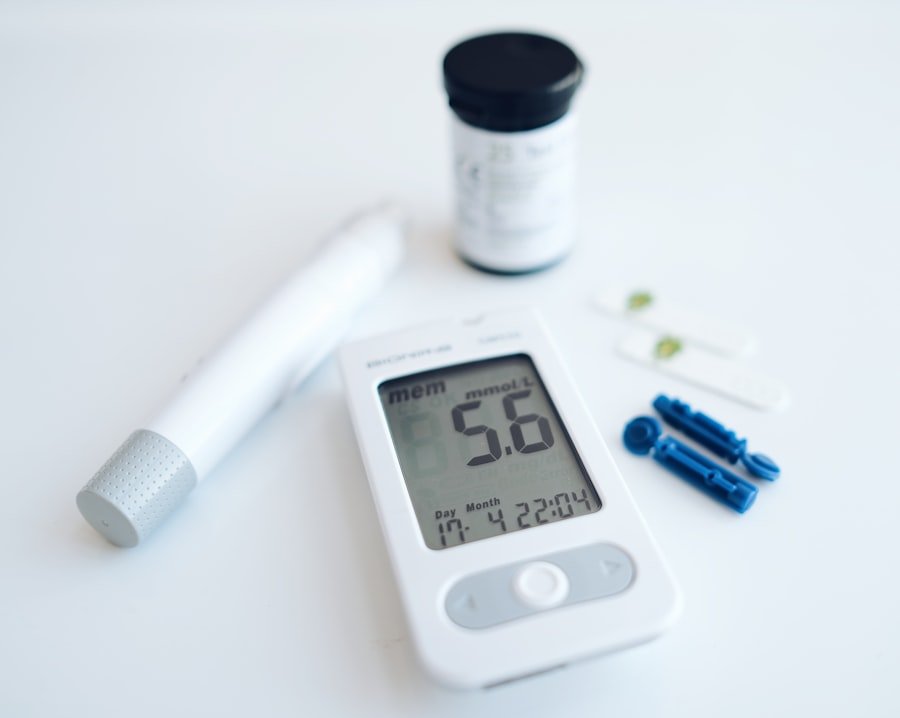
While the ultimate goal might be to be free from medication, it’s essential to recognize that medication and expert medical guidance are often integral to achieving and maintaining remission.
When Medications Are Essential for Achieving Remission
In many cases, medications are initially necessary to bring blood sugar levels under control and minimize the damage caused by high glucose.
Setting the Stage for Lifestyle Changes
Medications can help stabilize your blood sugar, making it easier to engage in consistent exercise and make dietary changes without the debilitating effects of hyperglycemia.
Preventing Further Complications
High blood sugar can lead to serious long-term complications. Medications play a vital role in protecting your organs and preventing these issues while you work towards remission.
The Gradual Weaning Process
Once you start seeing positive results from your lifestyle changes, your doctor will work with you to gradually reduce and eventually discontinue your medications. This is a carefully managed process.
The Importance of Your Healthcare Team
You are not on this journey alone. Your healthcare team is your most valuable resource.
Consulting Your Doctor or Endocrinologist
Regular check-ups and open communication with your doctor are paramount. They can monitor your progress, adjust treatment plans, and provide expert advice.
The Role of a Registered Dietitian
A dietitian can provide personalized meal plans, educate you on food choices, and help you develop sustainable eating habits.
Working with a Certified Diabetes Educator (CDE)
CDEs offer invaluable support in understanding diabetes management, self-monitoring techniques, and navigating lifestyle changes.
When to Consider Specialized Clinics
For individuals seeking intensive support or those who have struggled with remission, specialized diabetes remission clinics offer comprehensive multidisciplinary care and evidence-based programs.
Understanding the Factors That Influence Your Likelihood of Remission
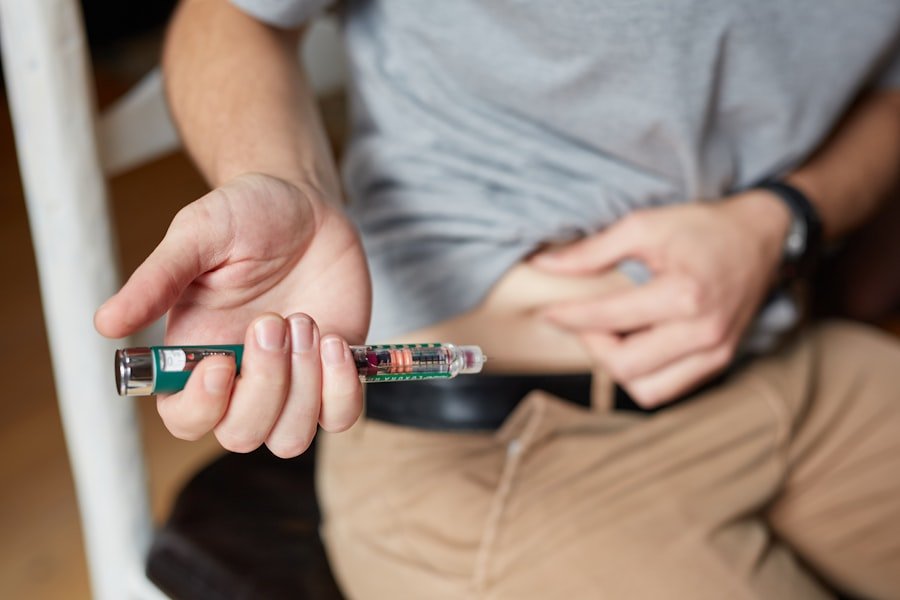
While Type 2 Diabetes remission is achievable, several factors can influence your individual prognosis. Understanding these can help you set realistic goals and focus your efforts.
Duration of Diabetes: The Longer the Duration, the More Challenging
The longer you’ve had Type 2 Diabetes, especially if it’s been poorly controlled, the more likely it is that your pancreas may have experienced significant damage.
Pancreatic Beta-Cell Function
Type 2 Diabetes is characterized by insulin resistance and/or impaired insulin secretion from the beta cells in your pancreas. Over time, these cells can become exhausted and damaged, making full recovery more difficult.
Cumulative Damage to Organs
Prolonged periods of high blood sugar can lead to damage in various organs, including the kidneys, eyes, and nerves. While remission can halt further damage, reversing existing damage may be limited.
The Role of Age: Younger Individuals Often Have Better Outcomes
Age can be a factor in the body’s ability to respond to lifestyle interventions and recover.
Metabolic Flexibility and Resilience
Younger individuals generally have more metabolically flexible bodies and a greater capacity for cellular repair and adaptation.
Longer Time Horizon for Maintenance
Achieving remission at a younger age provides a longer window for maintaining a healthy lifestyle and enjoying the benefits of remission.
The Specificity of Your Treatment and Lifestyle Adherence
The effectiveness of your chosen treatment path and your dedication to adhering to it are significant determinants of success.
Consistency is Key
Sporadic efforts will yield inconsistent results. True remission is built on consistent, dedicated effort in diet, exercise, and other recommended behaviors.
Personalized Approach Matters
What works for one person may not work for another. Working with healthcare professionals to tailor a plan to your unique needs is crucial.
Genetic Predisposition and Other Underlying Conditions
While lifestyle is a major driver, genetics and other co-existing health issues can influence your journey.
Family History of Diabetes
A strong family history of Type 2 Diabetes can indicate a higher genetic susceptibility.
Other Metabolic Issues
Conditions like Polycystic Ovary Syndrome (PCOS) or non-alcoholic fatty liver disease (NAFLD) can often co-exist with Type 2 Diabetes and influence its management and potential for remission.
The Future of Type 2 Diabetes: Innovations and Hope for Remission
| Metrics | Data |
|---|---|
| Success Rate of Reversing Diabetes | Up to 60% of people with type 2 diabetes can achieve remission |
| Weight Loss Impact | Losing 5-10% of body weight can significantly improve diabetes control |
| Dietary Changes | Adopting a low-carbohydrate or Mediterranean diet can help manage diabetes |
| Physical Activity | Regular exercise can improve insulin sensitivity and blood sugar control |
| Medication and Insulin | Some individuals may still require medication or insulin therapy even after lifestyle changes |
The landscape of diabetes research is constantly evolving, bringing new hope and innovative approaches to managing and potentially reversing Type 2 Diabetes.
Emerging Nutritional Strategies and Personalized Diets
Beyond general dietary guidelines, researchers are exploring more targeted and personalized nutritional interventions.
Gut Microbiome Research
The trillions of bacteria in your gut play a vital role in metabolism and overall health. Emerging research suggests that manipulating the gut microbiome could be a key to improving insulin sensitivity.
Nutrigenomics: Tailoring Diets to Your Genes
This field explores how your genes interact with nutrients. In the future, diets may be highly personalized based on your genetic makeup to optimize metabolic health.
Advances in Medications and Therapeutics
While the focus for remission often shifts away from medication, new drug developments are still playing a role in managing diabetes and potentially supporting remission efforts.
Novel Medications for Insulin Sensitivity
Researchers are developing medications that target specific pathways involved in insulin resistance and insulin secretion, potentially offering new ways to improve beta-cell function.
Combination Therapies
The development of drugs that work synergistically to address multiple aspects of diabetes pathophysiology could lead to more effective comprehensive treatment strategies.
The Promise of Lifestyle Intervention Programs
Structured and supported lifestyle intervention programs are proving to be highly effective in achieving remission.
Digital Health and Telemedicine
Technology is making it easier than ever to access support and monitoring remotely. Mobile apps, wearable devices, and telehealth consultations are empowering individuals to manage their health more effectively.
Community-Based Support and Group Programs
The power of shared experience and peer support cannot be underestimated. Group-based programs and community initiatives are proving to be valuable in fostering long-term behavioral change.
The Ongoing Pursuit of a True “Cure”
While remission is a significant achievement, the ultimate goal for many in the medical and research community remains a true, permanent “cure” for Type 2 Diabetes.
Beta-Cell Regeneration
Research into stimulating the regeneration of pancreatic beta cells holds immense promise for a future where insulin production can be fully restored.
Gene Therapy and Regenerative Medicine
These cutting-edge fields are exploring ways to address the underlying genetic defects or cellular damage associated with Type 2 Diabetes, potentially offering lasting solutions.
In conclusion, while “cure” is a strong word, the concept of remission for Type 2 Diabetes is very real and achievable for many individuals. It’s a testament to the power of proactive lifestyle choices, informed by expert medical guidance. Your journey towards managing your Type 2 Diabetes is unique, and by understanding the pathways to remission, embracing these powerful lifestyle changes, and working closely with your healthcare team, you empower yourself to take significant control of your health and well-being.
FAQs
What is Type 2 Diabetes?
Type 2 diabetes is a chronic condition that affects the way the body processes blood sugar (glucose). It occurs when the body becomes resistant to insulin or doesn’t produce enough insulin to maintain normal glucose levels.
Can Type 2 Diabetes Be Cured?
Type 2 diabetes cannot be cured, but it can be managed effectively through lifestyle changes, medication, and in some cases, bariatric surgery. With proper management, many people with type 2 diabetes can achieve normal or near-normal blood sugar levels.
What are the Treatment Options for Type 2 Diabetes?
Treatment for type 2 diabetes typically involves a combination of lifestyle changes, such as diet and exercise, and medication. Some people may also require insulin therapy or other injectable medications to help control their blood sugar levels.
What are the Risk Factors for Type 2 Diabetes?
Risk factors for type 2 diabetes include being overweight or obese, having a family history of diabetes, being physically inactive, and having high blood pressure or high cholesterol. Age, race, and ethnicity can also play a role in the development of type 2 diabetes.
How Can Type 2 Diabetes be Prevented?
Type 2 diabetes can often be prevented or delayed through healthy lifestyle choices, such as maintaining a healthy weight, eating a balanced diet, staying physically active, and avoiding tobacco use. Regular screenings and monitoring of blood sugar levels can also help identify and manage the condition early.