
- Understanding Intermittent Fasting and Its Potential for Diabetes Management
1.1 What Exactly Is Intermittent Fasting?
You’re likely here because you’ve heard the buzz around intermittent fasting (IF) and its potential benefits for managing conditions like type 2 diabetes. But before we dive into the specifics of how IF might help you, let’s get crystal clear on what it actually entails. Unlike traditional diets that focus on what you eat, intermittent fasting is all about when you eat. It’s an eating pattern that cycles between periods of voluntary fasting and non-fasting. It’s not about restricting calories per se, though that might be a happy side effect for some, but rather about strategically structuring your eating windows throughout the day or week. Think of it as a framework for your meals, not a rigid menu.
1.2 Different Flavors of Intermittent Fasting
You might be picturing yourself going for days without food, but IF isn’t one-size-fits-all. There are several popular methods, and understanding them will help you decide which, if any, might suit your lifestyle and diabetes management goals.
1.2.1 The 16/8 Method: A Popular Entry Point
This is arguably the most common and often considered the easiest IF method to adopt. The concept is simple: you fast for 16 hours each day and restrict your eating to an 8-hour window. For example, you might choose to eat all your meals between 12 PM and 8 PM, meaning you’d skip breakfast and finish dinner by 8 PM. The longer fasting period often includes your sleep time, making it feel less daunting. It requires a commitment to consistent timing, but many find it manageable with a little planning.
1.2.2 The 5:2 Diet: A Weekly Approach
This method takes a slightly different tack, focusing on a weekly schedule. For five days of the week, you eat normally, following your usual dietary guidelines. However, for two non-consecutive days, you significantly reduce your calorie intake, typically to around 500-600 calories. The key here is that these are not full fasting days; they are reduced-calorie days. This approach offers more flexibility for social events or during busier periods, but it requires careful calorie management on those two designated days.
1.2.3 Eat-Stop-Eat: Dedicated Fasting Days
This method involves a 24-hour fast once or twice a week. For instance, you might finish your dinner on Monday and not eat again until dinner on Tuesday. This is a more intense approach and might not be suitable for everyone, especially those new to fasting or with certain health conditions. It’s crucial to approach this method with caution and adequate hydration.
1.2.4 Alternate-Day Fasting: A More Intense Schedule
As the name suggests, this method involves alternating between days of normal eating and days of severe calorie restriction or complete fasting. Some versions allow a small number of calories (around 500) on fasting days, while others are strict 24-hour fasts. This is a more advanced IF pattern and generally not recommended for beginners or individuals with diabetes without close medical supervision.
1.3 Beyond the “What”: The “Why” Behind Intermittent Fasting
Now that you know the different ways to do IF, let’s explore the biological mechanisms that make it a topic of discussion for diabetes management. When you’re not constantly fueling your body with food, your hormone levels start to shift.
1.3.1 Insulin Sensitivity: The Cornerstone of Diabetes Management
One of the most significant potential benefits of IF for individuals with diabetes lies in its impact on insulin sensitivity. Insulin is a hormone produced by your pancreas that helps glucose (sugar) from your bloodstream enter your cells for energy. In people with type 2 diabetes, cells often become resistant to insulin’s effects, leading to high blood sugar levels. Intermittent fasting can give your body a break from constant insulin spikes. By extending periods without food, you allow your insulin levels to drop. Over time, this can help your cells become more responsive to insulin again, improving overall insulin sensitivity. Think of it as giving your insulin receptors a much-needed rest and reset.
1.3.2 Blood Sugar Control: A Tangible Outcome
When your insulin sensitivity improves, your body becomes more efficient at clearing glucose from your blood. This can directly translate to lower fasting blood glucose levels and a more stable blood sugar profile throughout the day. For individuals with diabetes, achieving and maintaining target blood sugar ranges is paramount to preventing long-term complications. IF can be a valuable tool in this effort, working synergistically with any prescribed medications or lifestyle changes.
1.3.3 Weight Management: A Common Side Effect, Not the Primary Goal (for IF)
While IF isn’t strictly a weight-loss diet, many people find that it naturally leads to weight loss. This often happens because restricting your eating window can lead to a spontaneous reduction in overall calorie intake. Additionally, during fasting periods, your body may tap into stored fat for energy, contributing to fat loss. Losing excess weight, particularly around the abdomen, is highly beneficial for individuals with type 2 diabetes as it can further improve insulin sensitivity and blood sugar control.
1.3.4 Cellular Repair Processes: Autophagy
Beyond the direct impact on glucose metabolism, IF has also been linked to processes like autophagy. Autophagy is your body’s natural way of cleaning out damaged cells and regenerating newer, healthier ones. While the research on autophagy and IF in humans is still evolving, it’s an exciting area that suggests potential broader health benefits, including improved cellular function which could indirectly support metabolic health.
- The “How-To”: Adapting Intermittent Fasting for Diabetes Management
So, you’re intrigued by the potential benefits of IF for your diabetes. That’s fantastic! But before you jump in headfirst, it’s crucial to understand that adapting IF for diabetes management requires more than just picking a fasting window. Your health and safety are paramount, and this journey needs to be undertaken with careful consideration and often, with the guidance of your healthcare team.
2.1 Consulting Your Healthcare Provider: The Non-Negotiable First Step
This is not a suggestion; it is a requirement. Before you even think about trying intermittent fasting, you must speak with your doctor, endocrinologist, or a qualified dietitian who understands diabetes. They know your individual health status, your type of diabetes (type 1 or type 2), your current medications (especially if you’re on insulin or oral hypoglycemic agents), and any other health conditions you might have.
2.1.1 Risk Assessment: Identifying Potential Dangers
Your healthcare provider will help you assess the risks involved. For instance, individuals on certain diabetes medications are at a higher risk of hypoglycemia (dangerously low blood sugar) during fasting periods. They can help you understand these risks and discuss strategies to mitigate them.
2.1.2 Medication Adjustments: A Crucial Conversation
If you are taking medications for diabetes, especially those that can cause hypoglycemia (like sulfonylureas or insulin), your healthcare provider will likely need to adjust your dosage or timing if you decide to try IF. Stopping or changing these medications without professional guidance can be extremely dangerous.
2.1.3 Individualized Guidance: Tailoring the Approach
There’s no one-size-fits-all IF plan for diabetes. Your doctor can help you determine which IF method, if any, might be safest and most effective for you, considering your specific needs and response to treatment.
2.2 Choosing the Right IF Method for You (with Medical Approval)
Once you have the green light from your healthcare provider, you can start exploring the IF methods. However, for individuals managing diabetes, some methods are generally considered safer than others.
2.2.1 Starting Gentle: The 16/8 Method as a Preferred Choice
For many individuals with diabetes, the 16/8 method is often recommended as a starting point. Its predictability and shorter fasting window make it easier to monitor blood sugar levels and adjust food intake. You can gradually extend your fasting window if you feel comfortable and your doctor approves. It allows for a relatively consistent eating pattern within a defined timeframe, which can be beneficial for medication schedules and meal planning.
2.2.2 The 5:2 Diet: A Structured Approach
The 5:2 diet can also be a viable option, but it requires meticulous planning on the reduced-calorie days. You’ll need to ensure that the limited calories you consume are nutrient-dense and balanced to maintain energy levels and avoid significant blood sugar dips. Again, this should be discussed with your healthcare provider to ensure your reduced-calorie days are safe for you.
2.2.3 When to Exercise Caution: Advanced Methods
Methods like Eat-Stop-Eat and Alternate-Day Fasting are generally not recommended for individuals with diabetes, especially those on medication, without extreme caution and very close medical supervision. The prolonged fasting periods significantly increase the risk of hypoglycemia and other complications.
2.3 Monitoring Your Blood Glucose: Vigilance is Key
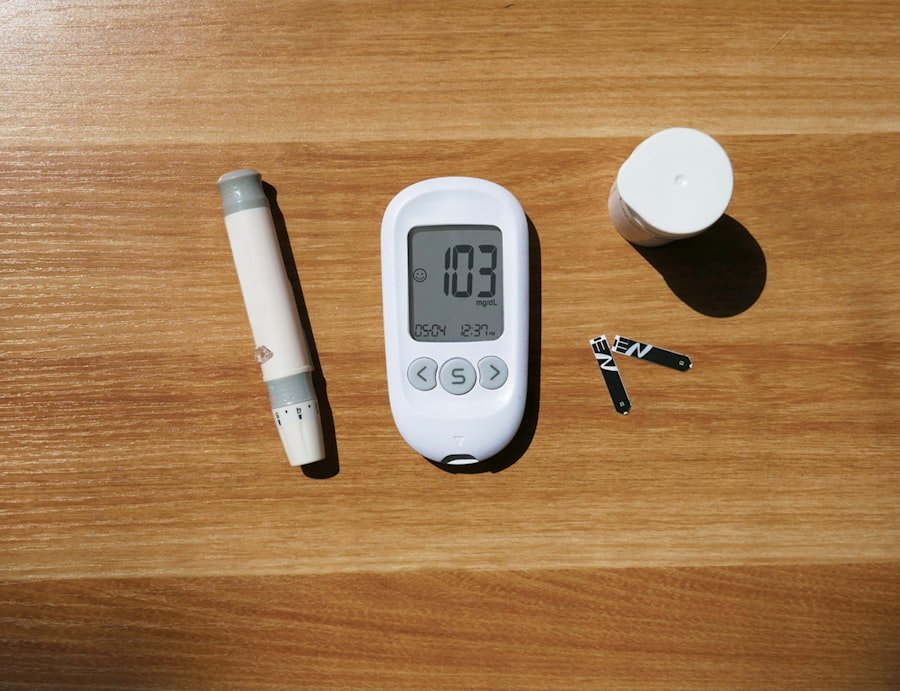
This is perhaps the most critical aspect of practicing IF with diabetes. You need to be incredibly diligent in monitoring your blood glucose levels. This is not a time to “wing it.”
2.3.1 Frequent Monitoring: Before, During, and After Fasting
You will likely need to check your blood sugar much more frequently than you usually do. This includes:
- Before and after your eating window: To understand how your body responds to meals and fasting periods.
- During your fasting window: Especially when you’re first starting or if you’re trying a new IF method. You need to be attuned to the signs of hypoglycemia.
- Before and after exercise: Exercise can significantly impact blood sugar, and this needs to be managed alongside your fasting.
2.3.2 Recognizing Hypoglycemia: Knowing the Signs
Hypoglycemia is a serious condition that requires immediate attention. Symptoms can include:
- Shakiness or jitters
- Sweating
- Dizziness or lightheadedness
- Rapid heartbeat
- Confusion
- Irritability
- Headache
- Hunger
If you experience any of these symptoms, consume 15 grams of fast-acting carbohydrates (like glucose tablets, fruit juice, or regular soda) and recheck your blood sugar in 15 minutes. If it’s still low, repeat. If it doesn’t improve or if you feel unwell, seek medical attention immediately.
2.3.3 Using a Continuous Glucose Monitor (CGM): An Advanced Tool
If you have access to a Continuous Glucose Monitor (CGM), it can be an invaluable tool for IF. A CGM provides real-time glucose readings and alerts you to highs and lows, allowing for proactive adjustments. This can significantly enhance your safety and understanding of how IF is affecting your body.
2.4 Hydration Strategies: Fueling Your Fast
Fasting doesn’t mean abstaining from all fluids. Staying adequately hydrated is crucial, especially when you’re not consuming food.
2.4.1 Water: Your Primary Ally
Water is your best friend during fasting periods. Sip on it throughout the day to stay hydrated, prevent headaches, and curb hunger pangs.
2.4.2 Unsweetened Beverages: Mindful Choices
You can also include unsweetened black coffee or plain tea in your fasting window. These beverages can help with appetite suppression and provide a bit of mental alertness. However, be mindful of how caffeine affects you and avoid adding sugar or milk, as these will break your fast.
2.4.3 Electrolyte Balance: Important for Longer Fasts
If you’re undertaking longer fasting periods (though not generally recommended for diabetes management without supervision), you might want to consider electrolyte supplementation. However, for the more common 16/8 method, focusing on water intake is usually sufficient.
- The Nutritional Framework: What to Eat During Your Eating Window
Intermittent fasting is about when you eat, but critically, it’s still important to consider what you eat. When you have a limited eating window, every meal and snack becomes an opportunity to nourish your body effectively, especially when you have diabetes. The goal is to make your eating window count, ensuring you’re getting the nutrients you need to manage your blood sugar, maintain energy levels, and support your overall health.
3.1 Prioritizing Nutrient-Dense Foods: Fueling Smart
The quality of your food choices within your eating window is paramount. You want to focus on whole, unprocessed foods that provide sustained energy and are rich in essential vitamins and minerals.
3.1.1 Lean Proteins: For Satiety and Muscle Maintenance
Incorporating lean protein sources at each meal is crucial. Proteins help you feel fuller for longer, which can be particularly helpful in managing hunger during fasting periods. They also play a vital role in muscle maintenance and repair.
- Examples: Chicken breast, turkey, fish (salmon, tuna, cod), lean beef, eggs, tofu, tempeh, and legumes (beans, lentils).
3.1.2 Healthy Fats: For Satiety and Blood Sugar Stability
Healthy fats are essential for hormone production, nutrient absorption, and can help stabilize blood sugar levels. They also contribute to feelings of fullness.
- Examples: Avocados, nuts (almonds, walnuts, pecans), seeds (chia seeds, flaxseeds, sunflower seeds), olive oil, and fatty fish.
3.1.3 Complex Carbohydrates: For Sustained Energy
While you need to be mindful of carbohydrate intake with diabetes, complex carbohydrates are still an important part of a balanced diet. They provide fiber and are digested more slowly, leading to a more gradual rise in blood sugar.
- Examples: Whole grains (quinoa, oats, brown rice, whole wheat bread), starchy vegetables (sweet potatoes, squash), and fruits.
3.1.4 Non-Starchy Vegetables: For Vitamins, Minerals, and Fiber
Load up on non-starchy vegetables! They are packed with vitamins, minerals, antioxidants, and fiber, and they are generally low in carbohydrates and calories. Fiber is especially important for blood sugar control and digestive health.
- Examples: Leafy greens (spinach, kale, lettuce), broccoli, cauliflower, bell peppers, cucumbers, tomatoes, zucchini, asparagus.
3.2 Strategic Meal Timing: Making Your Window Work for You
How you structure your meals within your eating window can also impact your blood sugar control and hunger levels.
3.2.1 Balanced Meals: Combining Macronutrients
Aim to include a source of protein, healthy fat, and complex carbohydrates in each of your main meals. This combination helps to slow down digestion, prevent rapid blood sugar spikes and crashes, and keep you feeling satisfied.
3.2.2 Smaller, More Frequent Meals (within the window): An Option for Some
While IF is about when you eat, some individuals find it beneficial to divide their eating window into two or three smaller, balanced meals rather than one large meal. This can help manage overall intake and prevent feeling overly full or experiencing digestive upset. This is a personal preference and should be discussed with your healthcare provider.
3.2.3 Ending Your Eating Early: A Key Strategy
For individuals with diabetes, it’s often recommended to finish your last meal or snack at least 2-3 hours before you go to bed. This allows your body to further lower insulin levels and process food before your extended fasting period begins, potentially improving overnight blood sugar control.
3.3 Hydration Within the Eating Window: Don’t Forget Your Fluids
Your hydration strategy continues into your eating window. While water is still primary, you can also include other beneficial beverages.
3.3.1 Water, Water Everywhere
Continue to drink plenty of water with your meals and snacks.
3.3.2 Herbal Teas and Unsweetened Beverages
Unsweetened herbal teas can be a good addition. They are hydrating and can offer some beneficial properties depending on the herb.
3.3.3 Limiting Sugary Drinks
This is a given, but it bears repeating: avoid sugary drinks (soda, juice, sweetened teas) during your eating window. These will cause significant blood sugar spikes and counteract any potential benefits of IF.
3.4 Avoiding Common Pitfalls: What Not to Do
When you’re managing diabetes and practicing IF, certain food choices can derail your progress.
3.4.1 The “Feast and Famine” Mentality
Resist the urge to overeat unhealthy foods during your eating window simply because you’ve been fasting. This “eat whatever you want because you deserve it” mentality can lead to blood sugar spikes, weight gain, and undermine your efforts.
3.4.2 Over-Reliance on Processed Foods
While IF might allow you to eat certain foods you enjoy, don’t use it as an excuse to heavily rely on highly processed foods, sugary snacks, or refined carbohydrates. These offer little nutritional value and can negatively impact your blood sugar control.
3.4.3 Ignoring Portion Sizes
Even healthy foods have calories and carbohydrates. Be mindful of portion sizes within your eating window to ensure you’re managing your overall intake effectively. IF doesn’t magically eliminate the need for mindful eating.
- Potential Benefits of Intermittent Fasting for Diabetes Management
When implemented correctly and with proper medical guidance, intermittent fasting has shown promising potential benefits for individuals managing type 2 diabetes. It’s not a magic cure, but rather a tool that can work synergistically with other lifestyle changes and medical treatments to improve various aspects of your health.
4.1 Enhanced Insulin Sensitivity: A Crucial Improvement
This is, arguably, the most significant potential benefit. As mentioned earlier, insulin resistance is a hallmark of type 2 diabetes. By giving your body periods of rest from constant food intake, you allow your insulin levels to fall. This can help “reset” your cells’ sensitivity to insulin.
4.1.1 Lowering Basal Insulin Levels
During fasting periods, your body is not required to produce high levels of insulin to process food. This sustained lower level of basal insulin can contribute to improved sensitivity over time.
4.1.2 Improved Glucose Uptake by Cells
When your cells become more insulin-sensitive, they are better able to take up glucose from your bloodstream, thus lowering blood sugar levels. This is a fundamental step in regaining control over your diabetes.
4.2 Improved Blood Sugar Control: Tangible Results
The direct outcome of enhanced insulin sensitivity and better glucose regulation is improved blood sugar control. This can manifest in several ways.
4.2.1 Reduced Fasting Blood Glucose
Many individuals who practice IF notice a significant decrease in their fasting blood glucose readings – the numbers you get when you first wake up. This indicates that your body is more effectively managing glucose overnight.
4.2.2 Lowered HbA1c Levels
HbA1c is a measure of your average blood sugar levels over the past 2-3 months. Consistent improvements in daily blood sugar can lead to a lower HbA1c, which is a key indicator of long-term diabetes management and can significantly reduce your risk of diabetes-related complications.
4.2.3 Greater Blood Sugar Stability
IF can help reduce the extreme fluctuations in blood sugar that can occur with traditional eating patterns. This means fewer sharp spikes after meals and less risk of dangerous drops between meals (when managed carefully).
4.3 Weight Management and Fat Loss: A Common Outcome
While not the primary goal for everyone doing IF, weight loss and a reduction in body fat are common and beneficial outcomes for many individuals with type 2 diabetes.
4.3.1 Calorie Deficit Through Time Restriction
Simply by restricting your eating window, you may naturally consume fewer calories over the course of the day or week. This can lead to a calorie deficit necessary for weight loss.
4.3.2 Increased Fat Metabolism
During fasting periods, when your body doesn’t have immediate access to glucose from food, it can begin to tap into stored fat for energy. This can lead to a reduction in body fat, particularly visceral fat (fat around the organs), which is strongly linked to insulin resistance.
4.3.3 Improved Metabolic Health Markers
Losing weight, especially body fat, can have a cascading positive effect on metabolic health markers beyond just blood sugar, including cholesterol levels and blood pressure.
4.4 Potential for Reduced Medication Needs: A Hopeful Prospect
For some individuals with type 2 diabetes, consistent and effective IF, coupled with a healthy diet and exercise, can lead to improved blood sugar control to a degree that their healthcare provider may recommend a reduction in their diabetes medications.
4.4.1 Working Towards Remission
In some cases, with significant lifestyle changes including IF, some individuals with type 2 diabetes have been able to achieve remission, meaning their blood sugar levels are within the non-diabetic range without the need for medication. This is not guaranteed and requires sustained effort and medical oversight.
4.4.2 Adjusting Doses Under Guidance
It’s crucial to reiterate that any adjustments to diabetes medication should only be made under the direct supervision of your healthcare provider. Never attempt to reduce or stop your medication on your own.
4.5 Cellular Health and Inflammation: Emerging Research
While more research is needed, there is growing interest in how IF might impact cellular health and reduce inflammation in the body.
4.5.1 Autophagy Activation
As mentioned before, intermittent fasting is believed to trigger autophagy, your body’s cellular “clean-up” process. This process removes damaged cells and can contribute to overall cellular rejuvenation.
4.5.2 Reduced Inflammatory Markers
Some studies suggest that IF may help reduce markers of inflammation in the body. Chronic inflammation is a contributing factor to many chronic diseases, including type 2 diabetes and its complications.
- Understanding the Risks and Contraindications of Intermittent Fasting for Diabetes
While the potential benefits of intermittent fasting for diabetes management are exciting, it’s vital to approach IF with a full understanding of the potential risks and recognize that it is not suitable for everyone, especially those with certain health conditions or on specific medications. Your safety and well-being are paramount.
5.1 Hypoglycemia: The Most Significant Risk
This is the primary concern for individuals with diabetes, particularly those taking medications that can lower blood sugar. Hypoglycemia, or dangerously low blood sugar, can occur during fasting periods if your body uses up its glucose stores and your insulin levels are still too high, or if you haven’t adjusted your medication appropriately.
5.1.1 Medications that Increase Hypoglycemia Risk
- Insulin: Both basal and bolus insulin significantly increase your risk of hypoglycemia if not adjusted for fasting.
- Sulfonylureas (e.g., glipizide, glyburide, glimepiride): These medications stimulate the pancreas to release insulin, which can lead to dangerously low blood sugar during extended periods without food.
- Meglitinides (e.g., repaglinide, nateglinide): Similar to sulfonylureas, these rapid-acting oral medications can also increase the risk of hypoglycemia.
5.1.2 Symptoms and Management
As discussed previously, recognizing the symptoms of hypoglycemia (shakiness, sweating, dizziness, confusion, rapid heartbeat) and knowing how to treat it with fast-acting carbohydrates immediately is crucial. Having glucose tablets or a non-diet soda readily available is essential for anyone practicing IF with diabetes.
5.1.3 Constant Monitoring is Non-Negotiable
This risk underscores the absolute necessity of frequent blood glucose monitoring and close collaboration with your healthcare provider to adjust medication dosages and timing.
5.2 Hyperglycemia: A Less Common but Possible Risk
While less common than hypoglycemia during fasting, some individuals might experience hyperglycemia (high blood sugar) when resuming eating after a fast, especially if they overindulge in high-carbohydrate foods. Additionally, if your body isn’t producing enough insulin, fasting might not be enough to bring down dangerously high levels, and your glucose could rebound even higher without proper meal timing and composition.
5.2.1 Rebound Hyperglycemia
This can occur if you have a strong physiological response to eating after prolonged fasting, leading to a surge in blood sugar that your body struggles to manage.
5.2.2 Lack of Insulin Production
For individuals with type 1 diabetes, or those with advanced type 2 diabetes who have lost significant pancreatic beta-cell function, IF can actually lead to dangerously high blood sugar if not managed with precise insulin dosing during the eating window.
5.3 Dehydration and Electrolyte Imbalances
When you’re not eating, you’re also not consuming water from food. Extended periods without adequate fluid intake can lead to dehydration.
5.3.1 The Importance of Fluid Intake
It’s vital to drink plenty of water throughout your fasting periods, even if you don’t feel thirsty.
5.3.2 Electrolyte Depletion
Longer fasting periods can potentially lead to the depletion of essential electrolytes like sodium, potassium, and magnesium. This can manifest as fatigue, headaches, and muscle cramps. For typical IF schedules like 16/8, this is less of a concern if you’re adequately hydrated.
5.4 Specific Contraindications: Who Should Avoid IF?
Certain individuals and conditions make intermittent fasting a potentially dangerous choice.
5.4.1 Type 1 Diabetes
While some research is exploring IF in type 1 diabetes, it is generally considered very high-risk due to the need for precise insulin management. The variability in glucose response makes it extremely challenging and dangerous to manage without constant, expert medical supervision and advanced technology like CGMs.
5.4.2 Pregnant or Breastfeeding Individuals
These individuals have increased nutritional needs, and IF is not recommended as it can compromise the health of both the mother and the baby.
5.4.3 Individuals with a History of Eating Disorders
IF can exacerbate or trigger disordered eating patterns and should be avoided by anyone with a history of anorexia, bulimia, or binge eating disorder.
5.4.4 Individuals with Certain Medical Conditions
This includes people with kidney disease, liver disease, heart conditions, or those who are underweight. Always discuss IF with your doctor if you have any pre-existing health concerns.
5.4.5 Those on Specific Medications
Beyond diabetes medications, certain other medications might interact with IF or be less effective when taken during fasting periods. This is another reason why a thorough medical consultation is essential.
5.5 The Importance of a Holistic Approach
Intermittent fasting should never be viewed as a standalone solution. It’s one piece of a larger puzzle that includes a balanced diet, regular physical activity, stress management, and adequate sleep. Relying solely on IF while neglecting other aspects of your health can be counterproductive.
- Integrating Intermittent Fasting into Your Lifestyle: Making it Sustainable
Deciding to incorporate intermittent fasting into your diabetes management plan is a significant step. To make it a successful and sustainable part of your life, you need to approach it with a strategic, adaptable, and patient mindset. It’s about finding a rhythm that works for you, not about forcing a rigid regimen that you can’t maintain.
6.1 Gradual Introduction: Don’t Rush the Process
If you’re new to IF, it’s wise to start slow. Trying to jump into a 24-hour fast immediately after deciding IF is for you is likely to lead to frustration and potential health issues.
6.1.1 Start with Shorter Fasting Windows
Begin with an achievable fasting window, such as 12 hours (e.g., 8 PM to 8 AM). Once you’re comfortable with that, you can gradually extend it to 14 hours, and then eventually to 16 hours if that fits your goals and your healthcare provider approves. This allows your body to adapt to the new eating pattern and helps you identify any challenges early on.
6.1.2 Experiment with Different IF Methods
As you progress, you might try different IF schedules under medical guidance to see what best aligns with your lifestyle, work schedule, and social commitments. For example, if the daily 16/8 feels too restrictive on weekends, you might explore a modified 5:2 or a more flexible schedule.
6.1.3 Listen to Your Body
Pay close attention to how you feel. Are you experiencing excessive fatigue, dizziness, or persistent hunger? These could be signs that your current IF approach needs adjustment or that it’s not the right fit for you at this time.
6.2 Building a Support System: You Don’t Have to Do It Alone
Managing diabetes and adopting new lifestyle habits can be challenging. Having a strong support system can make all the difference.
6.2.1 Healthcare Professionals as Your Primary Resource
Your doctor, endocrinologist, certified diabetes educator, or registered dietitian are your first line of support. They can provide personalized advice, monitor your progress, and adjust your treatment plan as needed. Don’t hesitate to reach out to them with your questions and concerns.
6.2.2 Connecting with Online Communities or Support Groups
There are many online forums and social media groups dedicated to intermittent fasting and diabetes management. Connecting with others who are on a similar journey can provide valuable insights, encouragement, and practical tips. Just be sure to filter the advice you receive, always prioritizing guidance from your healthcare team.
6.2.3 Informing Loved Ones
Let your family and close friends know you’re trying intermittent fasting. They can offer emotional support and understanding, and they may be able to help you stick to your plan, especially during social events.
6.3 Making Smart Food Choices Within Your Eating Window
As we’ve discussed, the quality of your food is paramount. Sustainable IF is built on a foundation of nutrient-dense eating.
6.3.1 Focus on Whole, Unprocessed Foods
Prioritize lean proteins, healthy fats, complex carbohydrates, and plenty of non-starchy vegetables. These foods will provide sustained energy, essential nutrients, and help keep you feeling full and satisfied.
6.3.2 Plan Your Meals and Snacks
Having a meal plan for your eating window can prevent impulsive, unhealthy food choices, especially when you’re feeling hungry. Knowing what you’re going to eat ahead of time takes the guesswork out of it and helps you stick to your nutritional goals.
6.3.3 Hydration, Hydration, Hydration
Never underestimate the power of staying well-hydrated. Water, unsweetened coffee, and plain tea are your allies. Proper hydration can help manage hunger, prevent headaches, and support overall bodily functions.
6.4 Managing Social Situations and Cravings
Navigating social events and dealing with cravings are common challenges for anyone making lifestyle changes.
6.4.1 Pre-Plan Social Engagements
If you know you have a social event coming up, think about how it fits into your IF schedule. Can you adjust your fasting window slightly for that day? Can you choose healthier options at the event? Discussing these scenarios with your healthcare provider can give you strategies.
6.4.2 Have Healthy Snacks Available
If you’re concerned about extended periods without food leading to cravings, have healthy, diabetes-friendly snacks on hand for when you are within your eating window. This ensures you have nutritious options readily available.
6.4.3 Practice Mindful Eating
When you are eating, be present. Savor your food, eat slowly, and pay attention to your hunger and fullness cues. This mindful approach can help prevent overeating and improve your relationship with food.
6.5 Long-Term Sustainability: Consistency Over Perfection
The key to success with intermittent fasting, especially for diabetes management, is consistency. You will have days where you deviate from your plan, and that’s okay.
6.5.1 Embrace Imperfection
Don’t let a slip-up derail your entire effort. If you miss a fasting window or have a less-than-ideal meal, simply get back on track with your next planned meal or fasting period. Consistency over time is far more important than perfect adherence every single day.
6.5.2 Regular Review and Adjustment
Periodically review your IF journey with your healthcare provider. Your needs and responses may change, and your IF plan might need to be adjusted accordingly. What works today might need tweaking in a few months.
6.5.3 Celebrate Small Victories
Acknowledge and celebrate your progress, no matter how small. Lower blood sugar readings, reduced medication needs, or simply feeling more energetic are all significant achievements worth recognizing. This positive reinforcement can help you stay motivated and committed to your IF journey for the long term.
FAQs
What is intermittent fasting?
Intermittent fasting is an eating pattern that cycles between periods of fasting and eating. It does not specify which foods to eat, but rather when to eat them.
How does intermittent fasting affect diabetes?
Intermittent fasting has been shown to improve insulin sensitivity and reduce blood sugar levels, which can be beneficial for people with diabetes. It may also help with weight loss and reduce the risk of developing type 2 diabetes.
Is intermittent fasting safe for people with diabetes?
Intermittent fasting can be safe for people with diabetes, but it is important to consult with a healthcare professional before starting any new diet or eating pattern. It may not be suitable for everyone, especially those taking certain medications or with specific health conditions.
What are the different methods of intermittent fasting?
There are several methods of intermittent fasting, including the 16/8 method (fasting for 16 hours and eating within an 8-hour window), the 5:2 method (eating normally for 5 days and restricting calorie intake for 2 days), and the alternate day fasting method (alternating between fasting and eating normally every other day).
Are there any potential risks or side effects of intermittent fasting for people with diabetes?
Some potential risks or side effects of intermittent fasting for people with diabetes may include hypoglycemia (low blood sugar), dehydration, and difficulty managing medication schedules. It is important to monitor blood sugar levels closely and work with a healthcare professional to ensure safety and effectiveness.