
You’ve heard the stories, the whispers of a life-changing intervention for those struggling with both obesity and type 2 diabetes. You’re curious, perhaps even hopeful, about bariatric surgery and its potential to put diabetes into remission. As the Listicle Content Architect, I’m here to guide you through this complex but incredibly promising topic, breaking down everything you need to know into digestible, actionable points. We’re going to explore how this surgical pathway can offer a new lease on life, empowering you with knowledge to understand your options and make informed decisions.
Before we delve into the surgical solutions, it’s crucial to grasp the intimate relationship between obesity and type 2 diabetes. This isn’t just a correlation; it’s a deeply intertwined biological dance that bariatric surgery aims to interrupt.
The Metabolic Impact of Excess Weight
You see, when you carry excess weight, particularly around your abdomen, you’re creating a state of chronic inflammation and hormonal imbalance within your body. This isn’t just about aesthetics; it’s about the intricate workings of your metabolism. Adipose tissue, or body fat, isn’t a passive storage unit; it’s an active endocrine organ, releasing a host of hormones and inflammatory substances that can wreak havoc on your system.
Insulin Resistance: The Primary Culprit
One of the most significant ways excess weight impacts your health is by promoting insulin resistance. Insulin is a hormone produced by your pancreas that acts like a key, unlocking your cells to allow glucose from your bloodstream to enter and be used for energy. In insulin resistance, your cells become less responsive to insulin’s signal. This means glucose struggles to get into your cells, leading to higher blood sugar levels. Your pancreas tries to compensate by producing even more insulin, but eventually, it can’t keep up, and your blood sugar remains elevated, a hallmark of type 2 diabetes.
Adipokines and Inflammation
Beyond insulin, adipose tissue releases substances called adipokines. Some adipokines are beneficial, but in obesity, there’s an imbalance. Many of these adipokines become pro-inflammatory. Chronic, low-grade inflammation affects virtually every system in your body, including your pancreas and liver, further contributing to insulin resistance and impaired glucose metabolism. Imagine your body’s internal thermostat being perpetually set to a higher, inflammatory temperature – this is the environment that obesity creates.
The Vicious Cycle of Type 2 Diabetes and Weight Gain
It’s not just obesity causing diabetes; the relationship is cyclical. When you have type 2 diabetes, managing your weight can become even more challenging. Elevated blood sugar levels can affect your energy levels, making it harder to engage in physical activity. Furthermore, some diabetes medications can contribute to weight gain, creating a frustrating loop where each condition exacerbates the other.
Reduced Energy and Mobility
High blood sugar can lead to fatigue, and this lack of energy makes it difficult to exercise or even engage in daily activities. This reduced physical activity, in turn, can lead to further weight gain, perpetuating the cycle.
Hormonal Shifts and Appetite Dysregulation
Diabetes itself can also influence hormones that regulate appetite and satiety, potentially leading to increased hunger and cravings, which can make managing calorie intake more difficult.
Bariatric Surgery: Beyond Weight Loss
You might think of bariatric surgery solely as a tool for losing weight, and while that’s a primary outcome, its impact on type 2 diabetes is far more profound and often happens independent of complete weight loss. The surgical changes trigger metabolic shifts that can dramatically improve blood sugar control.
The Mechanisms of Diabetes Remission
It’s not as simple as “lose weight, diabetes goes away.” Bariatric surgery induces specific physiological changes that directly influence glucose metabolism, often before significant weight loss has even occurred.
Foregut Exclusion and Nutrient Sensing
Many bariatric procedures, particularly gastric bypass and duodenal switch, alter the pathway of food through your digestive system. By bypassing a significant portion of the stomach and the initial part of the small intestine (the duodenum), they change how nutrients are sensed and absorbed.
Rapid Nutrient Delivery to the Distal Small Intestine
When food quickly reaches the lower parts of your small intestine, it triggers the release of hormones like glucagon-like peptide-1 (GLP-1) and peptide YY (PYY). These hormones play a crucial role in glucose regulation, enhancing insulin secretion, slowing gastric emptying, and promoting satiety. You’re essentially rerouting the signaling pathways that tell your body and brain about the presence of nutrients.
Reduced Production of Hormones That Oppose Insulin
The bypass also reduces the production of certain hormones in the upper digestive tract that can oppose insulin’s action. This creates a more favorable hormonal environment for glucose uptake by your cells.
Changes in Bile Acid Metabolism
Bariatric surgery can also alter the way bile acids are handled in your body. Bile acids are involved in fat digestion, but they also act as signaling molecules that can influence glucose and lipid metabolism. Changes in bile acid composition and circulation after surgery have been linked to improved insulin sensitivity.
Gut Microbiome Alterations
Emerging research suggests that bariatric surgery can significantly alter the composition and function of your gut microbiome. The trillions of microorganisms living in your gut play essential roles in digestion, metabolism, and even immune function. Shifts in the microbiome can have downstream effects on insulin sensitivity and overall metabolic health. You’re not just changing your stomach; you’re changing the ecosystem within you.
Different Procedures, Different Impacts
While many bariatric procedures can lead to diabetes remission, the specific mechanisms and likelihood of remission can vary depending on the type of surgery. It’s vital to understand these differences to make the best choice for your individual needs.
Roux-en-Y Gastric Bypass (RYGB)
This is one of the most common bariatric procedures. It involves creating a small pouch from the stomach and connecting it directly to the lower part of the small intestine (jejunum). This bypasses a large portion of the stomach and the duodenum.
Direct Hormonal Effects
RYGB is highly effective at inducing diabetes remission due to the rapid delivery of nutrients to the distal small intestine and the resulting surge in incretin hormones like GLP-1. This enhanced insulinotropic effect is a major driver of improved glucose control.
Satiety and Calorie Restriction
The smaller stomach pouch also leads to reduced food intake and increased feelings of fullness, contributing to sustained weight loss.
Sleeve Gastrectomy (SG)
In this procedure, a large portion of the stomach is removed, leaving a banana-shaped “sleeve.” This reduces stomach volume and alters appetite-regulating hormones.
Hormonal Changes
While SG doesn’t bypass the duodenum, it still leads to significant hormonal changes. The removal of a large part of the stomach tissue may reduce the production of ghrelin, a hormone that stimulates hunger. It also alters the signals sent to the brain regarding satiety.
Rapid Gastric Emptying
Food tends to move more quickly from the sleeve stomach into the small intestine, which can contribute to some of the early metabolic benefits observed in RYGB.
Biliopancreatic Diversion with Duodenal Switch (BPD-DS)
This is a more complex procedure that involves creating a smaller stomach pouch (similar to sleeve gastrectomy) and then rerouting a significant portion of the small intestine. It’s considered one of the most effective procedures for diabetes remission, but it also carries higher risks of nutritional deficiencies.
Maximum Nutrient Bypass
BPD-DS maximally bypasses the initial parts of the small intestine, leading to the most profound changes in nutrient sensing and hormonal signaling, thus offering the highest rates of diabetes remission.
Significant Malabsorption Potential
Due to the extensive intestinal rerouting, BPD-DS leads to malabsorption of nutrients, which requires lifelong vitamin and mineral supplementation and careful monitoring.
Eligibility and Considerations for Bariatric Surgery
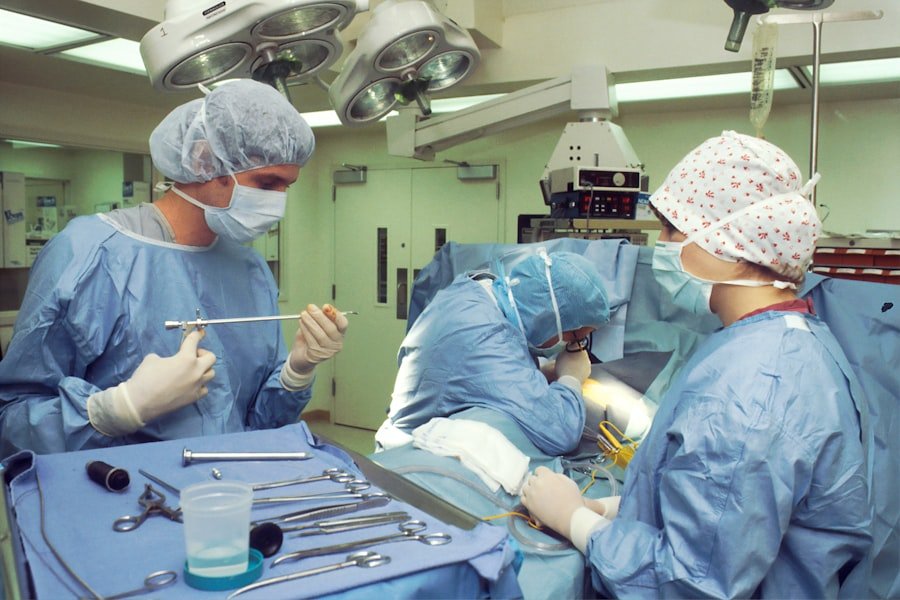
You’re likely wondering if this life-changing option is even accessible to you. Several factors determine your eligibility for bariatric surgery, and it’s a decision that involves a multidisciplinary team.
Medical Criteria and BMI Guidelines
The primary criteria for bariatric surgery typically revolve around your Body Mass Index (BMI) and the presence of weight-related health conditions, such as type 2 diabetes.
BMI Thresholds
Generally, for bariatric surgery, you’ll need to have a BMI of 40 or higher. If you have a BMI of 35 or higher and you also have significant co-morbidities like type 2 diabetes that are difficult to manage, you may also be considered a candidate. These guidelines are in place to ensure that the potential benefits of surgery outweigh the risks.
Presence of Co-morbidities
Your existing health conditions, particularly your type 2 diabetes, are a major factor. The severity and duration of your diabetes, as well as any other obesity-related complications (e.g., sleep apnea, hypertension, heart disease), will be evaluated.
The Pre-Operative Journey: More Than Just the Surgery
You can’t just wake up one day and decide to have bariatric surgery. The process is thorough and designed to prepare you mentally, physically, and nutritionally for the significant changes ahead.
Multidisciplinary Team Assessment
You will likely be evaluated by a team of professionals, including bariatric surgeons, dietitians, psychologists, and other medical specialists. This comprehensive assessment ensures you are medically cleared for surgery and have the necessary support system in place.
Nutritional Counseling
A registered dietitian will work with you to develop a personalized pre- and post-operative diet plan. This includes understanding the types of foods you’ll eat, portion sizes, and the importance of nutrient intake. You’ll learn about the long-term dietary changes required for success.
Psychological Evaluation
A psychologist or psychiatrist will assess your readiness for the lifestyle changes associated with bariatric surgery. This includes understanding your eating habits, coping mechanisms, and expectations. They will help you address any emotional or behavioral aspects of weight management.
Medical Clearance
Your primary care physician and specialists will conduct thorough medical evaluations to ensure you are healthy enough for surgery and anesthesia. This may involve blood tests, cardiac evaluations, and other diagnostic procedures.
Understanding the Risks and Potential Complications
As with any surgical procedure, bariatric surgery carries risks. It’s essential to have a realistic understanding of these potential complications to make an informed decision.
Short-Term Risks
These are risks that can occur shortly after surgery, such as infection, bleeding, blood clots (deep vein thrombosis or pulmonary embolism), and leaks from the surgical staple lines.
Long-Term Risks
Long-term complications can include nutritional deficiencies (e.g., vitamin B12, iron, calcium), dumping syndrome (rapid emptying of stomach contents into the small intestine causing nausea, vomiting, and diarrhea), gallstones, hernias, and bowel obstructions.
Nutritional Deficiencies Explained
Because your digestive system is altered, your body may not absorb nutrients as effectively. This is why lifelong vitamin and mineral supplementation is crucial. Regular blood tests will monitor your nutrient levels.
Dumping Syndrome Awareness
You’ll learn to recognize and manage the symptoms of dumping syndrome, which often involves avoiding high-sugar foods and eating smaller, more frequent meals.
The Path to Diabetes Remission: Post-Surgery Life
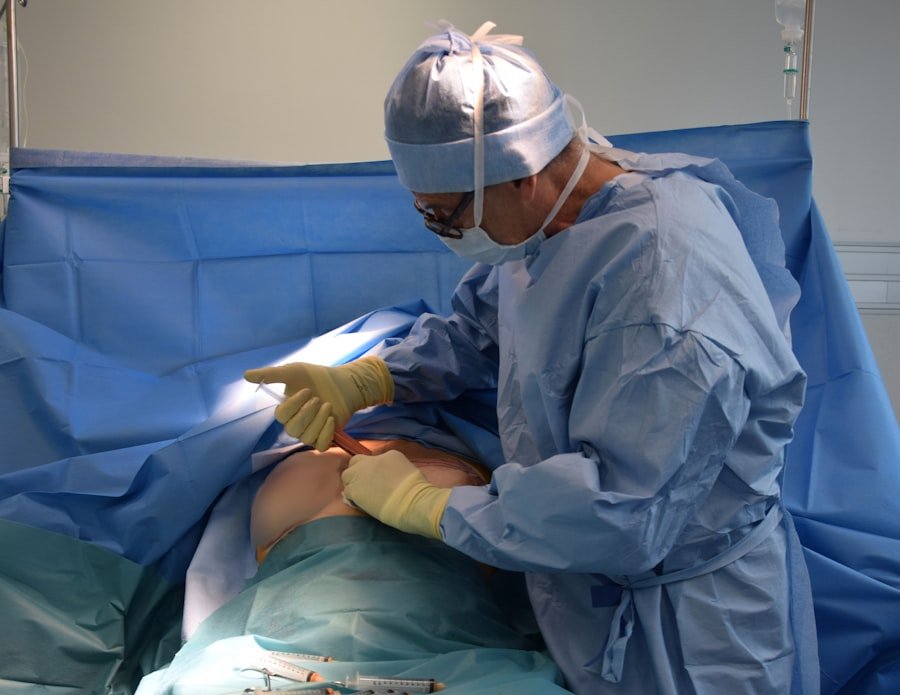
You’ve undergone the surgery, and now the real work of maintaining your health and achieving diabetes remission begins. This is a journey of sustained lifestyle changes.
Lifestyle Modifications: The Cornerstone of Success
Bariatric surgery is a tool, not a magic wand. Your commitment to healthy eating and regular physical activity is paramount for achieving and maintaining diabetes remission.
Dietary Adjustments for Long-Term Health
The way you eat will fundamentally change. You’ll learn to embrace a diet rich in lean proteins, fruits, vegetables, and whole grains, while significantly reducing processed foods, sugary drinks, and high-fat items.
Portion Control and Meal Timing
You’ll be eating smaller, more frequent meals. This prevents overwhelming your new stomach pouch and helps maintain stable blood sugar levels. Mindful eating, savoring each bite, becomes a valuable skill.
Hydration Importance
Drinking plenty of water throughout the day is crucial, but you’ll learn to do so between meals rather than with meals to avoid feeling overly full.
The Role of Physical Activity
Regular exercise is indispensable. It helps improve insulin sensitivity, manage weight, and enhance overall cardiovascular health.
Starting Slowly and Gradually Increasing Intensity
You’ll begin with gentle activities and gradually increase the intensity and duration of your workouts as your body recovers and your energy levels improve.
Finding Activities You Enjoy
The key to long-term adherence is finding physical activities that you genuinely enjoy. Whether it’s walking, swimming, cycling, or dancing, make it a sustainable part of your routine.
Monitoring and Managing Your Health
After surgery, ongoing medical care is essential to monitor your progress and address any potential issues.
Regular Medical Check-ups
You’ll have regular follow-up appointments with your bariatric team to track your weight loss, assess your nutritional status, and monitor your diabetes control. These appointments are critical for early detection and management of any complications.
Blood Glucose Monitoring
You’ll continue to monitor your blood glucose levels as advised by your doctor. As your body becomes more sensitive to insulin, you may see your need for diabetes medication decrease or even disappear entirely.
Nutritional Supplementation and Blood Work
Regular blood work will be ordered to check for vitamin and mineral deficiencies. You’ll need to consistently take your prescribed supplements to prevent them.
The Phenomenon of Diabetes Remission
When your blood sugar levels consistently return to a normal range without the need for diabetes medication, you are considered to be in diabetes remission. This is a remarkable outcome for many who undergo bariatric surgery.
Defining Diabetes Remission
There are specific criteria for defining diabetes remission, typically including achieving normal blood glucose levels (e.g., HbA1c below 6.5%) for a sustained period (often at least six months) without any diabetes medications.
Sustaining Remission: The Long-Term View
Achieving remission is a significant milestone, but maintaining it requires ongoing commitment to the healthy lifestyle changes you’ve adopted. Your bariatric team will support you in this long-term journey. Remember, diabetes can return if lifestyle changes are not maintained.
Beyond Diabetes: The Broader Health Benefits
| Study | Remission Rate | Follow-up Period |
|---|---|---|
| STAMPEDE trial | 60% | 5 years |
| Swedish Obese Subjects study | 72% | 2 years |
| DiRECT trial | 46% | 12 months |
While diabetes remission is a primary goal for many, bariatric surgery offers a cascade of positive health outcomes that can transform your life in myriad ways.
Reversing Obesity-Related Health Issues
The weight loss achieved through bariatric surgery can often lead to the significant improvement or even resolution of other health problems linked to obesity.
Improved Cardiovascular Health
Excess weight puts a strain on your heart and blood vessels. Weight loss can lead to lower blood pressure, improved cholesterol levels, and a reduced risk of heart disease and stroke. You’re literally taking the burden off your most vital organ.
Resolution of Sleep Apnea
Many individuals with obstructive sleep apnea find their condition significantly improves or disappears after bariatric surgery due to reduced pressure on their airways from excess neck fat. This can lead to more restful sleep and improved daytime energy.
Relief from Joint Pain
Carrying excess weight puts considerable stress on your joints, particularly your knees and hips. Weight loss can alleviate this pressure, reducing pain and improving mobility, allowing you to engage in activities you once found difficult.
Enhanced Quality of Life and Well-being
The physical and mental benefits of bariatric surgery extend far beyond the resolution of medical conditions. You’ll likely experience a profound improvement in your overall quality of life.
Increased Energy Levels and Mobility
As you lose weight and your health improves, you’ll notice a significant increase in your energy levels. This newfound vitality allows you to participate more fully in life, from playing with your children to traveling and enjoying hobbies.
Improved Self-Esteem and Mental Health
Achieving significant weight loss and reclaiming your health can have a powerful impact on your self-esteem and body image. Many people report feeling more confident, less depressed, and more engaged in social activities. You’re not just changing your body; you’re transforming your mindset.
Greater Independence and Reduced Healthcare Costs
By improving your health and reducing your reliance on medications and medical interventions for co-morbidities, bariatric surgery can lead to greater independence and potentially lower long-term healthcare costs. You’re investing in a healthier, more self-sufficient future.
The Future of Bariatric Surgery and Diabetes Management
The field of bariatric surgery is constantly evolving, with ongoing research aimed at further optimizing outcomes and understanding the intricate mechanisms behind its success.
Advancements in Surgical Techniques
Newer, less invasive surgical approaches are continually being developed, aiming to reduce recovery times and the risk of complications.
Robotic-Assisted Surgery
Robotic surgery offers enhanced precision and visualization for surgeons, potentially leading to smaller incisions and faster healing times.
Endoscopic Procedures
Some less invasive options are emerging that utilize endoscopic approaches, which can further minimize the need for traditional surgery.
Personalized Medicine and Precision Interventions
The aim is to move towards increasingly personalized approaches, tailoring surgical interventions and post-operative management to individual patient needs and genetic profiles.
Predicting Diabetes Remission Success
Researchers are working to identify biomarkers and genetic factors that can predict an individual’s likelihood of achieving diabetes remission after bariatric surgery, allowing for more targeted treatment plans.
Tailored Nutritional and Lifestyle Support
Future approaches may involve even more individualized nutritional guidance and lifestyle support programs, leveraging technology and data to optimize long-term success.
The Growing Global Impact
As the understanding of the link between obesity and type 2 diabetes grows, bariatric surgery is increasingly recognized as a crucial component in managing this global health crisis. Investing in this surgical pathway is an investment in a healthier future for individuals and communities. You are not alone in this journey, and advancements are continuously making this option more accessible and effective.
FAQs
What is bariatric surgery?
Bariatric surgery is a type of surgery performed on the stomach and/or intestines to help a person with extreme obesity lose weight. There are different types of bariatric surgery, including gastric bypass, sleeve gastrectomy, and gastric banding.
What is diabetes remission?
Diabetes remission refers to a state in which a person with diabetes no longer requires medication to maintain normal blood sugar levels. This can occur through lifestyle changes, such as weight loss and increased physical activity, or through medical interventions like bariatric surgery.
How does bariatric surgery lead to diabetes remission?
Bariatric surgery can lead to diabetes remission by causing significant weight loss and changes in the body’s metabolism. The surgery can improve insulin sensitivity and reduce inflammation, leading to better blood sugar control and, in some cases, remission of diabetes.
Who is a candidate for bariatric surgery for diabetes remission?
Candidates for bariatric surgery for diabetes remission typically have a body mass index (BMI) of 35 or higher and poorly controlled type 2 diabetes. They may also have other obesity-related health conditions, such as high blood pressure or sleep apnea.
What are the potential risks and benefits of bariatric surgery for diabetes remission?
The potential benefits of bariatric surgery for diabetes remission include improved blood sugar control, reduced need for diabetes medication, and lower risk of diabetes-related complications. However, there are also potential risks, such as surgical complications, nutritional deficiencies, and the need for lifelong medical monitoring and follow-up care.