
You’re ready to take control of your diabetes. As your Listicle Content Architect, I’ve crafted this guide to empower you with the essential lifestyle changes that form the cornerstone of effective diabetes management. This isn’t about restriction; it’s about building a sustainable, healthier you. Think of this as your roadmap to flourishing, one manageable step at a time.
Your relationship with food is central to managing diabetes. It’s not about deprivation, but about making informed choices that keep your blood sugar levels stable and your body nourished. This section will equip you with the knowledge to build balanced meals and make smarter food selections.
1.1. Decoding Carbohydrates: Your Body’s Energy Source
Carbohydrates are a critical macronutrient, providing your body with energy. However, for individuals with diabetes, their impact on blood sugar levels is paramount. Understanding the different types of carbohydrates and their effects is key to effective management.
1.1.1. Simple vs. Complex Carbohydrates: What’s the Difference?
Simple carbohydrates, often found in sugary drinks, candies, and refined grains (like white bread and pasta), are quickly digested. This rapid digestion leads to a swift spike in blood glucose levels. While they offer immediate energy, their sustained impact can be detrimental to diabetes management.
Complex carbohydrates, on the other hand, are found in whole grains, legumes, and non-starchy vegetables. They are digested more slowly, releasing glucose into your bloodstream gradually. This slower release helps to prevent drastic blood sugar fluctuations, making them a preferred choice for individuals with diabetes. Think of whole wheat bread over white bread, brown rice over white rice, and your plate piled high with colorful vegetables.
1.1.2. Portion Control: The Key to Balanced Carb Intake
Even “healthy” carbohydrates need to be consumed in moderation. Portion control is a powerful tool in managing blood sugar. Learning to recognize appropriate serving sizes can prevent you from overconsuming carbohydrates.
You can utilize visual cues like the “plate method” – where half your plate is filled with non-starchy vegetables, a quarter with lean protein, and a quarter with complex carbohydrates. Alternatively, counting carbohydrate grams can be beneficial, and your healthcare provider or a registered dietitian can help you determine your individual carbohydrate goals.
1.1.3. Glycemic Index (GI) and Glycemic Load (GL): Navigating Food Choices
The Glycemic Index (GI) is a rating system for foods based on how quickly they raise blood glucose levels. Foods with a high GI are digested and absorbed quickly, causing a rapid rise in blood sugar. Foods with a low GI are digested more slowly and cause a more gradual, lower rise in blood sugar.
The Glycemic Load (GL) takes it a step further by considering both the GI of a food and the amount of carbohydrates in a typical serving. A food with a high GI might have a low GL if the serving size is small and contains few carbohydrates. Understanding both GI and GL can help you make even more informed food choices, prioritizing foods that have a lower impact on your blood sugar.
1.2. The Power of Protein and Healthy Fats: Satiety and Stability
It’s not just about carbs. Protein and healthy fats play crucial roles in your diabetes management strategy by promoting satiety, stabilizing blood sugar, and providing essential nutrients.
1.2.1. Lean Protein Sources: Building Blocks for Health
Lean protein sources are vital for muscle repair and growth, and they also help you feel full, which can prevent overeating. Incorporate options like:
- Poultry: Chicken and turkey breast without the skin.
- Fish: Especially fatty fish like salmon, mackerel, and sardines, which are rich in omega-3 fatty acids.
- Legumes: Beans, lentils, and chickpeas are excellent sources of protein and fiber.
- Tofu and Tempeh: Plant-based protein powerhouses.
- Lean Red Meat: In moderation, opting for cuts like sirloin or tenderloin.
- Eggs: A versatile and complete protein source.
1.2.2. Healthy Fats: Essential for Well-being and Blood Sugar Control
Fats are not the enemy! In fact, healthy fats are essential for hormone production, nutrient absorption, and can even help slow down the absorption of carbohydrates, leading to more stable blood sugar levels. Focus on unsaturated fats:
- Avocado: Creamy and packed with monounsaturated fats.
- Nuts and Seeds: Almonds, walnuts, chia seeds, flax seeds – great for snacking or adding to meals.
- Olive Oil: A staple in healthy cooking and salad dressings.
- Fatty Fish: As mentioned, rich in omega-3s.
Limit saturated and trans fats found in processed foods, fried items, and fatty cuts of meat, as these can negatively impact your cardiovascular health, which is particularly important for those with diabetes.
1.3. Embracing Non-Starchy Vegetables: Nutrient-Dense and Low-Carb Champions
Non-starchy vegetables are your best friends in diabetes management. They are low in carbohydrates and calories but packed with vitamins, minerals, and fiber, which can help regulate blood sugar and promote overall health.
1.3.1. The “Eat the Rainbow” Approach
Aim to incorporate a wide variety of colorful vegetables into your diet. Different colors often signify different nutrient profiles. Think about:
- Leafy Greens: Spinach, kale, lettuce, collard greens – bursting with vitamins A, C, and K.
- Cruciferous Vegetables: Broccoli, cauliflower, Brussels sprouts – known for their potential anti-cancer properties and fiber content.
- Bell Peppers: In all their vibrant colors – rich in vitamin C.
- Tomatoes: A good source of lycopene.
- Cucumbers, Zucchini, Asparagus: Hydrating and low in calories.
1.3.2. Cooking Methods Matter: Preserving Nutrients
The way you prepare your vegetables can impact their nutritional value and how they affect your blood sugar.
- Steaming: A gentle method that preserves nutrients.
- Roasting: Can enhance flavor and sweetness.
- Sautéing: Use healthy oils like olive oil in moderation.
- Raw: Salads and crudités are excellent ways to enjoy them.
Avoid drowning your vegetables in heavy sauces or excessive amounts of butter, which can add unhealthy fats and carbohydrates.
2. The Movement Prescription: Fueling Your Body with Activity
Exercise is a powerful ally in your diabetes management journey. It’s not just about burning calories; it’s about improving insulin sensitivity, helping your cells utilize glucose more effectively, and boosting your overall well-being.
2.1. The Cardiovascular Connection: Getting Your Heart Pumping
Aerobic exercise, often called cardio, is essential for improving cardiovascular health, which is a key concern for individuals with diabetes.
2.1.1. Benefits Beyond Blood Sugar: Heart Health and More
Regular aerobic activity strengthens your heart and lungs, improves circulation, and can help lower blood pressure and cholesterol levels. These benefits are crucial for preventing diabetes-related complications. Furthermore, it’s a fantastic mood booster, helping to reduce stress and improve sleep.
2.1.2. Finding Your Cardio Rhythm: What’s Your Pace?
The key is to find activities you enjoy and can sustain. Aim for at least 150 minutes of moderate-intensity aerobic activity per week, spread throughout the week. Examples include:
- Brisk Walking: Accessible and effective.
- Jogging or Running: For those who enjoy a faster pace.
- Swimming: A low-impact option that works the whole body.
- Cycling: Indoors or outdoors.
- Dancing: A fun and energetic way to get your heart rate up.
- Aerobics Classes: A structured and often social way to exercise.
Moderate intensity means you can talk, but not sing, during the activity. Listen to your body and gradually increase the duration and intensity as you get fitter.
2.2. Building Strength: The Power of Resistance Training
Don’t underestimate the impact of strength training. Muscle tissue is metabolically active, meaning it burns calories even at rest. Building more muscle can help improve insulin sensitivity.
2.2.1. How Muscle Mass Aids Blood Sugar Control
When you build muscle, your body becomes more efficient at taking up glucose from your bloodstream, thus helping to lower your blood sugar levels. This can lead to improved A1C readings and a reduced need for medication.
2.2.2. Incorporating Resistance Workouts: From Weights to Bodyweight
Aim for at least two days of strength training per week, targeting all major muscle groups. This can include:
- Lifting Weights: Using dumbbells, barbells, or weight machines.
- Bodyweight Exercises: Push-ups, squats, lunges, planks.
- Resistance Bands: A portable and versatile option.
- Yoga and Pilates: While offering flexibility and core strength, they also incorporate elements of resistance.
Start with lighter weights or fewer repetitions and gradually increase as you get stronger. Focus on proper form to prevent injury.
2.3. The Importance of Consistency: Making Movement a Habit
The greatest benefits of exercise come from making it a regular part of your routine.
2.3.1. Scheduling Your Sweat Sessions
Treat your exercise sessions like any other important appointment. Block out time in your calendar and stick to it. Even short bursts of activity throughout the day can make a difference.
2.3.2. Overcoming Barriers: Finding Solutions to Stay Active
Life happens, and sometimes it’s hard to get your workout in. Identify potential barriers and brainstorm solutions in advance. Perhaps it’s:
- Lack of Time: Break up your exercise into shorter sessions.
- Low Motivation: Find an exercise buddy or try a new activity.
- Bad Weather: Have indoor alternatives ready.
- Feeling Tired: Even a short walk can boost your energy.
Remember, any movement is better than no movement. Be kind to yourself and celebrate your successes.
3. Managing Stress and Prioritizing Sleep: The Unsung Heroes of Diabetes Care

Beyond diet and exercise, your mental and emotional well-being plays a profound role in your diabetes management. Chronic stress and poor sleep can significantly disrupt your blood sugar control.
3.1. The Stress-Blood Sugar Connection: Why It Matters
When you experience stress, your body releases hormones like cortisol and adrenaline. While these hormones can be helpful in short bursts, chronic elevation can lead to increased insulin resistance and higher blood sugar levels.
3.1.1. Identifying Your Stress Triggers
The first step to managing stress is recognizing what triggers it. Is it work deadlines, financial worries, relationship issues, or something else? Keeping a stress journal can help you pinpoint patterns.
3.1.2. Effective Stress-Reduction Techniques
Once you identify your triggers, you can implement strategies to manage them:
- Mindfulness and Meditation: Even a few minutes a day can calm your nervous system. Apps like Calm or Headspace can guide you.
- Deep Breathing Exercises: Simple yet powerful for immediate relaxation.
- Yoga: Combines physical movement with mindfulness and breathwork.
- Spending Time in Nature: A proven stress reliever.
- Engaging in Hobbies: Activities you enjoy can be a great escape.
- Listening to Music: Relaxing or uplifting tunes can impact your mood.
- Journaling: Processing your thoughts and feelings on paper.
- Talking to a Friend or Therapist: Don’t hesitate to seek support.
3.2. The Crucial Role of Sleep: Rest and Rejuvenation
Sleep is not a luxury; it’s a fundamental pillar of good health, especially for individuals managing diabetes. Insufficient or poor-quality sleep can negatively affect insulin sensitivity and hormone regulation.
3.2.1. How Sleep Deprivation Impacts Blood Sugar
When you’re sleep-deprived, your body’s ability to use insulin effectively is diminished, leading to higher blood sugar levels. It can also increase cravings for sugary and high-carbohydrate foods.
3.2.2. Cultivating Healthy Sleep Habits (Sleep Hygiene)
Creating a consistent sleep routine is key. Here are some tips for better sleep:
- Stick to a Regular Sleep Schedule: Go to bed and wake up around the same time each day, even on weekends.
- Create a Relaxing Bedtime Routine: Wind down for an hour before bed with calming activities like reading or taking a warm bath.
- Optimize Your Sleep Environment: Make your bedroom dark, quiet, and cool.
- Limit Screen Time Before Bed: The blue light emitted from electronic devices can interfere with melatonin production.
- Avoid Caffeine and Alcohol Before Bed: These can disrupt sleep patterns.
- Get Regular Exercise: But avoid intense workouts close to bedtime.
- Avoid Heavy Meals Before Bed: Allow your body time to digest.
If you consistently struggle with sleep, talk to your doctor. There might be underlying sleep disorders that need to be addressed.
4. Navigating Hydration and Avoiding Harmful Habits: Essential Support Systems
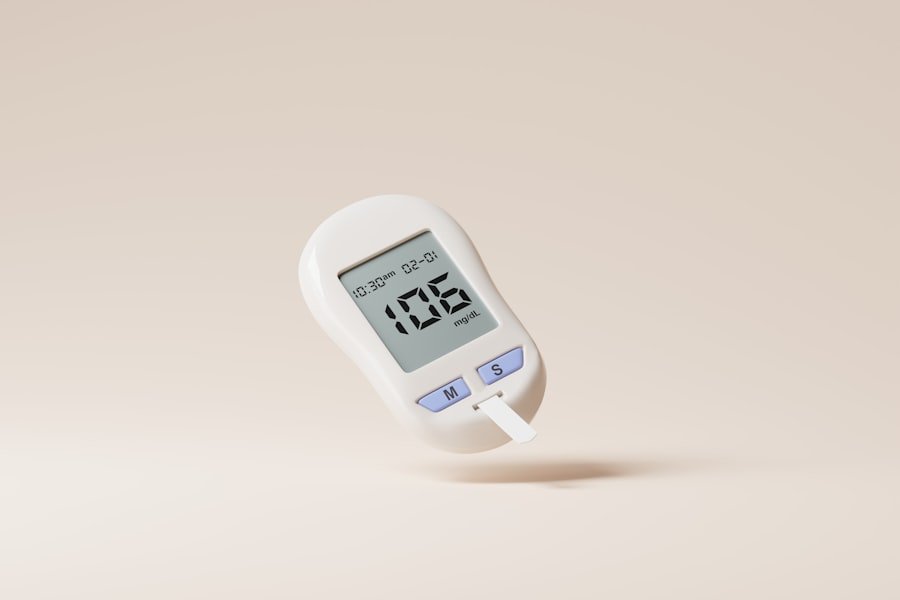
Staying properly hydrated and making conscious choices to avoid detrimental habits are often overlooked but critical components of comprehensive diabetes management.
4.1. The Importance of Water: Your Body’s Natural Elixir
Water is essential for countless bodily functions, and for individuals with diabetes, it plays a direct role in blood sugar regulation and overall health.
4.1.1. How Hydration Supports Blood Sugar Levels
Adequate hydration helps your kidneys flush out excess glucose from your bloodstream through urine. Dehydration, on the other hand, can concentrate your blood sugar, making it harder for your body to manage.
4.1.2. Choosing the Best Beverages: Beyond Sugary Drinks
While water should be your primary beverage, there are other healthy options.
- Water: The ultimate choice. Carry a water bottle with you throughout the day.
- Unsweetened Tea: Herbal teas and green tea are great options.
- Black Coffee: In moderation, without added sugar or cream.
- Sparkling Water: A refreshing alternative to sodas.
What to Limit or Avoid:
- Sugary Drinks: Sodas, fruit juices (even 100% fruit juice can be high in sugar), sweetened teas and coffees. These cause rapid blood sugar spikes.
- Alcohol: Can interfere with blood sugar regulation and interact with diabetes medications. If you choose to drink, do so in moderation and with food, and discuss it with your doctor.
4.2. The Impact of Smoking: A Dire Warning
Smoking is a significant risk factor for many health problems, but its impact on individuals with diabetes is particularly severe.
4.2.1. Smoking and Diabetes: A Double Whammy
Nicotine constricts blood vessels, making it harder for blood to circulate. This exacerbates the circulation problems already common in people with diabetes, increasing the risk of:
- Heart disease and stroke.
- Kidney disease.
- Nerve damage (neuropathy).
- Foot problems, including amputations.
- Eye problems, including blindness.
4.2.2. Quitting Smoking: The Best Decision You Can Make
Quitting smoking is one of the most impactful lifestyle changes you can make for your overall health and diabetes management. If you smoke, seek support from your healthcare provider, quit lines, or support groups. There are many resources available to help you succeed.
5. The Power of Connection and Professional Guidance: Your Support Network
| Treatment | Description |
|---|---|
| Diet | Following a healthy eating plan to manage blood sugar levels |
| Exercise | Engaging in regular physical activity to improve insulin sensitivity |
| Weight management | Maintaining a healthy weight to reduce the risk of complications |
| Stress management | Practicing relaxation techniques to lower stress levels and improve overall well-being |
| Smoking cessation | Quitting smoking to reduce the risk of cardiovascular disease and other complications |
Managing diabetes is a journey, and you don’t have to walk it alone. Building a strong support system and leveraging professional guidance are crucial for long-term success.
5.1. Building Your Support Squad: The Importance of Connection
Surrounding yourself with supportive people can make a significant difference in your motivation and adherence to lifestyle changes.
5.1.1. Friends and Family: Your First Line of Support
Educate your close friends and family about your diabetes and how they can best support you. This might involve:
- Understanding Your Dietary Needs: Encouraging healthy meal choices when you eat together.
- Accompanying You on Walks or Workouts: Making exercise a shared activity.
- Being a Listening Ear: Offering emotional support when you’re struggling.
- Celebrating Your Victories: Acknowledging your progress.
5.1.2. Joining Support Groups: Shared Experience and Encouragement
Connecting with others who have diabetes can be incredibly validating and empowering. Support groups offer:
- Sharing of Experiences: Learning from others who understand firsthand.
- Practical Tips and Strategies: Discovering new ways to manage challenges.
- Emotional Support and Encouragement: A community that understands.
- Reduced Feelings of Isolation: Knowing you’re not alone.
Look for local or online diabetes support groups.
5.2. The Indispensable Role of Healthcare Professionals: Your Expert Navigators
Your healthcare team is your most valuable resource. They provide personalized guidance, monitor your progress, and help you navigate the complexities of diabetes management.
5.2.1. Your Doctor and Diabetes Educator: The Core Team
Your primary care physician or endocrinologist will manage your overall medical care and monitor your blood sugar. A Certified Diabetes Care and Education Specialist (CDCES) can provide in-depth education on:
- Blood glucose monitoring.
- Medication management.
- Nutrition and meal planning.
- Exercise recommendations.
- Self-care strategies.
Make sure to attend all your scheduled appointments and don’t hesitate to ask questions.
5.2.2. The Value of a Registered Dietitian (RD): Personalized Nutrition Plans
A registered dietitian can work with you to create a personalized meal plan that aligns with your preferences, lifestyle, and diabetes management goals. They can help you:
- Understand carbohydrate counting.
- Identify healthy food choices.
- Develop strategies for dining out.
- Address any specific nutritional deficiencies.
Investing time with an RD can be transformative in your dietary approach.
By embracing these lifestyle strategies and working closely with your healthcare team, you are not just managing diabetes; you are actively building a healthier, more vibrant future for yourself. Remember, progress, not perfection, is the goal. You have the power to make positive changes, and I’m here to help you every step of the way.
FAQs
What is diabetes lifestyle treatment?
Diabetes lifestyle treatment refers to the management of diabetes through healthy lifestyle choices such as diet, exercise, and stress management. It aims to control blood sugar levels and prevent complications associated with diabetes.
What are the key components of diabetes lifestyle treatment?
The key components of diabetes lifestyle treatment include maintaining a healthy diet, engaging in regular physical activity, monitoring blood sugar levels, taking prescribed medications, managing stress, and getting regular check-ups with healthcare providers.
How does diet play a role in diabetes lifestyle treatment?
Diet plays a crucial role in diabetes lifestyle treatment as it directly impacts blood sugar levels. A balanced diet that includes a variety of fruits, vegetables, whole grains, lean proteins, and healthy fats can help manage blood sugar levels and prevent complications.
What types of physical activity are recommended for diabetes lifestyle treatment?
Both aerobic exercise (such as walking, swimming, or cycling) and strength training are recommended for diabetes lifestyle treatment. Regular physical activity can help improve insulin sensitivity and lower blood sugar levels.
Why is stress management important in diabetes lifestyle treatment?
Stress can affect blood sugar levels and make it harder to manage diabetes. Stress management techniques such as meditation, deep breathing, and yoga can help reduce stress and improve overall well-being for individuals with diabetes.