
The question of whether insulin resistance can be reversed is one that resonates deeply with millions worldwide. As the Listicle Content Architect (LCA), I understand the importance of providing clear, actionable, and evidence-based information. This listicle aims to demystify insulin resistance, explore the factors that contribute to its development, and, most importantly, detail the various strategies that can empower individuals to regain metabolic health. With a focus on scientific accuracy and practical application, this guide will equip readers with the knowledge to embark on a journey towards reversing insulin resistance.
Before delving into reversal strategies, it’s crucial to establish a solid understanding of what insulin resistance is and how it manifests. This foundational knowledge is the bedrock upon which effective intervention is built.
What is Insulin and Its Role?
Insulin is a vital hormone produced by the pancreas. Its primary function is to regulate blood glucose (sugar) levels. After we consume carbohydrates, they are broken down into glucose, which enters the bloodstream. Insulin acts as a key, unlocking the doors of our body’s cells (particularly muscle, fat, and liver cells) to allow glucose to enter and be used for energy or stored for later. This process keeps our blood sugar from rising too high, which can be damaging over time.
The Mechanics of Insulin Resistance
Insulin resistance occurs when the body’s cells become less responsive to the signals of insulin. Imagine insulin as a key, and the cell receptors as locks. In a state of insulin resistance, the locks become “sticky” or jammed, meaning the key (insulin) doesn’t work as effectively. Consequently, glucose has a harder time entering the cells. To compensate, the pancreas produces even more insulin to try and force glucose into the cells. This leads to elevated insulin levels in the blood, a condition known as hyperinsulinemia, alongside higher blood glucose levels.
Why is Insulin Resistance a Concern?
The persistent demand on the pancreas to produce excess insulin can eventually lead to its exhaustion. When the pancreas can no longer keep up, blood glucose levels will rise significantly, leading to the development of prediabetes and eventually type 2 diabetes. However, the implications of insulin resistance extend far beyond diabetes. It is a central player in a constellation of metabolic disorders, often referred to as metabolic syndrome. This syndrome significantly increases the risk of developing serious health problems.
Common Conditions Associated with Insulin Resistance
Insulin resistance is not an isolated issue but rather a significant contributor to various chronic diseases. Understanding these associations can highlight the widespread impact of uncontrolled insulin resistance and underscore the urgency of addressing it.
1. Prediabetes and Type 2 Diabetes
As mentioned, this is the most direct and well-known consequence. Prediabetes is characterized by blood glucose levels higher than normal but not yet high enough to be diagnosed as type 2 diabetes. It’s a critical window of opportunity for intervention. Type 2 diabetes represents a more advanced stage where insulin production and/or utilization are severely compromised.
2. Cardiovascular Disease
Insulin resistance is a major risk factor for heart disease. It contributes to high blood pressure (hypertension), unhealthy cholesterol levels (low HDL, high LDL, high triglycerides), and inflammation, all of which damage blood vessels and increase the likelihood of heart attacks and strokes.
3. Obesity, Particularly Abdominal Obesity
Insulin resistance can promote fat storage, especially around the abdomen. This visceral fat is metabolically active and releases inflammatory substances that further exacerbate insulin resistance, creating a vicious cycle.
4. Polycystic Ovary Syndrome (PCOS)
PCOS is a common hormonal disorder in women of reproductive age, and insulin resistance is a significant factor in its development and progression. It can disrupt ovulation, lead to irregular periods, and contribute to the growth of ovarian cysts.
5. Non-Alcoholic Fatty Liver Disease (NAFLD)
When the liver is resistant to insulin, it can struggle to process fats effectively, leading to fat accumulation in the liver. NAFLD can progress to more severe liver damage, including inflammation (NASH) and cirrhosis.
6. Certain Cancers
Emerging research suggests a link between chronic hyperinsulinemia and increased risk of certain cancers, such as colorectal, breast, and pancreatic cancers. While the exact mechanisms are still being studied, chronic inflammation and altered cell growth pathways are suspected contributors.
The Reversible Nature of Insulin Resistance: Hope and Empowerment
The notion that insulin resistance can be reversed offers a beacon of hope for individuals struggling with metabolic health. This section will focus on the scientific basis for this reversibility and the optimistic outlook it provides.
Scientific Evidence for Reversibility
The good news is that insulin resistance is not an irreversible condition for most people. Decades of research have demonstrated that lifestyle modifications can significantly improve insulin sensitivity. The body has a remarkable capacity for healing and adaptation when provided with the right conditions. When interventions are implemented effectively, cells can regain their responsiveness to insulin, and metabolic markers can normalize. This reversibility is a testament to the body’s inherent ability to strive for balance.
The Role of Lifestyle Factors
At the heart of reversing insulin resistance lie fundamental lifestyle choices. These are not fleeting fads but sustainable practices that address the root causes of metabolic dysfunction. The body is a complex system, and impacting it requires a holistic approach, focusing on diet, physical activity, and overall well-being.
Factors That Influence Reversibility
While the potential for reversal is high, several factors can influence the pace and degree of improvement. Understanding these variables can help individuals set realistic expectations and tailor their strategies for optimal outcomes.
1. Duration and Severity of Insulin Resistance
The longer insulin resistance has been present and the more severe it has become, the longer it may take to see significant improvements. However, even in advanced cases, improvements are often possible, albeit potentially slower.
2. Genetics
While lifestyle plays a dominant role, genetic predisposition can influence an individual’s susceptibility to insulin resistance and their response to interventions. However, genetics are not destiny; lifestyle choices can often override genetic tendencies.
3. Other Underlying Health Conditions
The presence of other chronic diseases can affect the body’s ability to respond to reversal strategies. A comprehensive approach that addresses multiple health concerns simultaneously is often most effective.
4. Adherence to Treatment Strategies
The most critical factor determining success is consistent and sustained adherence to the recommended lifestyle changes. Sporadic efforts are unlikely to yield lasting results.
Strategies for Reversing Insulin Resistance: A Comprehensive Approach
This is where the practical application of knowledge comes into play. This section will outline the key strategies that have been scientifically proven to improve insulin sensitivity and reverse resistance. Each strategy is a piece of the puzzle, and combining them creates a powerful and effective solution.
Dietary Interventions: Nourishing Your Body for Health
Nutrition is arguably the most impactful lever for reversing insulin resistance. What we eat directly influences our blood sugar and insulin responses. The goal is to adopt eating patterns that promote stable blood sugar, reduce inflammation, and support a healthy body weight.
1. Reducing Sugary Foods and Refined Carbohydrates
The most significant dietary culprit driving insulin resistance is the overconsumption of added sugars and refined carbohydrates. These foods are rapidly digested, leading to sharp spikes in blood glucose and subsequent surges in insulin. Gradually eliminating or drastically reducing processed snacks, sugary drinks, white bread, white rice, and pastries is paramount.
Examples of Foods to Limit or Eliminate
- Sugary beverages (soda, fruit juices with added sugar, sweetened teas)
- Candy, cakes, cookies, pastries
- White bread, white pasta, white rice
- Sugary cereals
- Processed snacks like chips and crackers (often high in refined carbs and unhealthy fats)
2. Increasing Fiber Intake
Fiber, particularly soluble fiber, acts as a prebiotic, feeding beneficial gut bacteria and slowing down the absorption of sugar from the digestive tract. This leads to a more gradual rise in blood glucose and a blunted insulin response.
Sources of High-Fiber Foods
- Vegetables (especially non-starchy ones like broccoli, spinach, kale, Brussels sprouts)
- Fruits (berries, apples, pears, avocados)
- Legumes (beans, lentils, chickpeas)
- Whole grains (oats, quinoa, barley, brown rice)
- Nuts and seeds
3. Focusing on Whole, Unprocessed Foods
A diet centered on whole, unprocessed foods provides essential nutrients, antioxidants, and fiber while minimizing inflammatory triggers. This approach supports overall metabolic health and aids in insulin sensitivity.
The Pillars of a Whole Foods Diet
- Lean Proteins: Fish, poultry, eggs, legumes, tofu. Protein helps with satiety and has a minimal impact on blood sugar.
- Healthy Fats: Avocados, nuts, seeds, olive oil, fatty fish (salmon, mackerel). These fats are anti-inflammatory and support hormone production.
- Abundant Vegetables: A wide variety of colorful vegetables should form the bulk of meals.
- Moderate Fruits: Prioritize lower-glycemic fruits and consume them in moderation.
- Complex Carbohydrates (in moderation): Whole grains, legumes, and starchy vegetables like sweet potatoes and squash. Portions are key here.
4. Understanding Macronutrient Balance
While specific macronutrient ratios can vary, a general guideline for reversing insulin resistance often involves a moderate intake of complex carbohydrates, sufficient protein for satiety, and ample healthy fats to promote satiety and reduce inflammation.
The “Plate Method” for Balanced Meals
A simple visual guide is the plate method: aim to fill half your plate with non-starchy vegetables, one quarter with lean protein, and one quarter with complex carbohydrates.
5. Hydration and Its Role
Proper hydration is essential for all bodily functions, including metabolic processes. Drinking enough water helps flush out toxins and supports nutrient transport.
The Importance of Water
Adequate water intake can also help manage appetite and prevent overconsumption of sugary drinks.
Physical Activity: Moving Your Body to Improve Sensitivity
Exercise is a potent tool for improving insulin sensitivity. When muscles contract during physical activity, they can take up glucose from the bloodstream without needing as much insulin. Regular movement enhances the body’s ability to utilize glucose efficiently.
1. Aerobic Exercise for Cardiovascular Health and Insulin Sensitivity
Cardiovascular exercise is crucial for improving insulin sensitivity, burning calories, and strengthening the heart.
Types of Aerobic Exercise
- Brisk walking
- Jogging or running
- Cycling
- Swimming
- Dancing
- Hiking
Recommended Duration and Frequency
Aim for at least 150 minutes of moderate-intensity aerobic activity or 75 minutes of vigorous-intensity aerobic activity per week, spread throughout the week. Consistent activity is more important than sporadic intense bursts.
2. Strength Training to Build Muscle Mass
Muscle tissue is metabolically active and plays a significant role in glucose uptake. Building muscle through strength training increases the amount of glucose the body can store and utilize, thereby improving insulin sensitivity.
Benefits of Strength Training for Insulin Resistance
- Increased muscle mass leads to greater glucose disposal
- Improved metabolism even at rest
- Enhanced bone health and functional strength
Examples of Strength Training Exercises
- Weightlifting (using free weights or machines)
- Bodyweight exercises (squats, lunges, push-ups, planks)
- Resistance band exercises
Recommended Frequency
Aim for strength training exercises at least two days per week, targeting all major muscle groups.
3. Incorporating High-Intensity Interval Training (HIIT)
HIIT involves short bursts of intense exercise followed by brief recovery periods. This type of training has been shown to be particularly effective at improving insulin sensitivity in a shorter amount of time.
Advantages of HIIT
- Time-efficient
- Can lead to significant improvements in insulin sensitivity
- Boosts metabolism
Considerations for HIIT
HIIT can be demanding and is not suitable for everyone, especially if you have underlying health conditions. It’s advisable to consult with a healthcare professional before starting a HIIT program.
4. The Importance of NEAT (Non-Exercise Activity Thermogenesis)
Beyond structured exercise, increasing general daily movement (NEAT) contributes significantly to overall energy expenditure and metabolic health.
Simple Ways to Increase NEAT
- Taking the stairs instead of the elevator
- Parking further away from your destination
- Standing more often during the day
- Going for short walks during breaks
- Engaging in active hobbies
Weight Management: Achieving and Maintaining a Healthy Weight
Excess body fat, particularly visceral fat, is strongly linked to insulin resistance. Losing even a modest amount of weight can have a profound positive impact on insulin sensitivity.
1. The Connection Between Obesity and Insulin Resistance
Adipose tissue, especially visceral fat, releases inflammatory compounds that interfere with insulin signaling. Reducing this fat mass is a key strategy in reversing insulin resistance.
2. Sustainable Weight Loss Strategies
The focus should be on gradual, sustainable weight loss rather than rapid, unsustainable methods. This involves creating a calorie deficit through dietary changes and increased physical activity, while ensuring adequate nutrient intake.
Principles of Sustainable Weight Loss
- Calorie Deficit: Consuming fewer calories than the body expends.
- Nutrient Density: Prioritizing foods that are rich in nutrients and fiber.
- Behavioral Changes: Addressing emotional eating, mindful eating, and establishing healthy habits.
- Consistency: Maintaining healthy practices over the long term.
3. The Benefits of Even Modest Weight Loss
Research consistently shows that losing as little as 5-10% of body weight can significantly improve insulin sensitivity and reduce the risk of type 2 diabetes.
Stress Management and Sleep: The Unsung Heroes of Metabolic Health
The mind-body connection is undeniable, and chronic stress and poor sleep can significantly hinder the reversal of insulin resistance. These factors influence hormones that regulate appetite, metabolism, and inflammation.
1. The Impact of Chronic Stress on Insulin Sensitivity
When we experience stress, the body releases cortisol. Chronically elevated cortisol levels can promote insulin resistance, increase fat storage (especially abdominal fat), and disrupt blood sugar regulation.
Stress Reduction Techniques
- Mindfulness and meditation
- Deep breathing exercises
- Yoga and Tai Chi
- Spending time in nature
- Engaging in enjoyable hobbies
- Setting boundaries and learning to say no
2. The Crucial Role of Quality Sleep
Sleep deprivation disrupts hormonal balance, leading to increased appetite, cravings for unhealthy foods, reduced glucose tolerance, and impaired insulin sensitivity.
The Sleep-Insulin Resistance Link
During sleep, the body repairs itself and regulates hormones. Insufficient sleep interferes with these processes, contributing to metabolic dysfunction.
Tips for Improving Sleep Hygiene
- Establish a regular sleep schedule (even on weekends)
- Create a relaxing bedtime routine
- Ensure your bedroom is dark, quiet, and cool
- Avoid caffeine and alcohol before bed
- Limit screen time before sleep
- Consider a weighted blanket or white noise machine if needed
Medical Interventions: When Lifestyle Isn’t Enough
While lifestyle modifications are the cornerstone of reversing insulin resistance, in some cases, medical interventions may be necessary to support the process or manage associated conditions.
1. Medications for Insulin Resistance
Certain medications can help improve insulin sensitivity or manage blood glucose levels. These are typically prescribed when lifestyle changes alone are not sufficient or when the condition is severe.
Examples of Medications
- Metformin: A commonly prescribed medication that reduces glucose production by the liver and increases insulin sensitivity in peripheral tissues.
- Thiazolidinediones (TZDs): Medications that also improve insulin sensitivity.
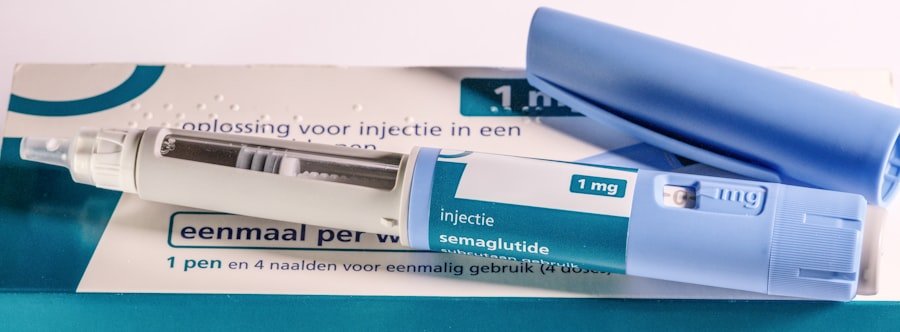
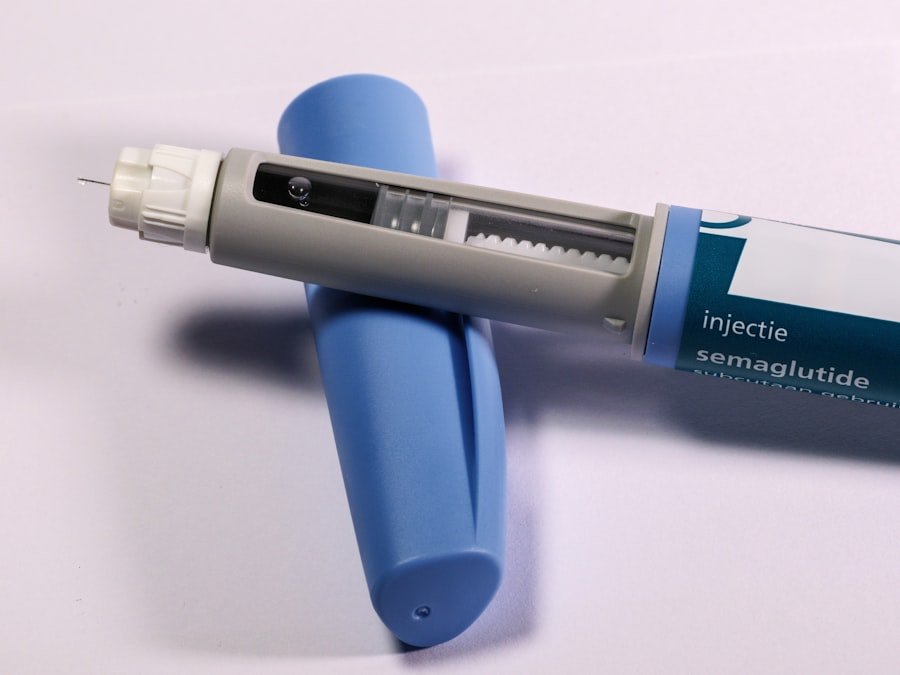
- GLP-1 Receptor Agonists: These medications can help improve insulin secretion, slow gastric emptying, and promote weight loss.
Important Note on Medications
Medications should always be prescribed and monitored by a qualified healthcare professional. They are generally used in conjunction with lifestyle changes, not as a replacement for them.
2. Addressing Underlying Health Conditions
If insulin resistance is linked to other conditions like PCOS or NAFLD, treating these underlying issues can also contribute to improving insulin sensitivity.
The Importance of a Holistic Medical Approach
Working with a healthcare team that can address all aspects of your health is crucial for effective management and reversal of insulin resistance.
Monitoring Progress and Maintaining Gains: A Lifelong Commitment
Reversing insulin resistance is not a destination but a continuous journey. Regular monitoring and ongoing commitment to healthy habits are essential for maintaining improvements and preventing relapse.
Tracking Key Health Markers
Regularly monitoring certain health indicators can provide valuable feedback on your progress and help you stay motivated.
1. Blood Glucose and HbA1c Levels
Your doctor can monitor your fasting blood glucose and HbA1c levels. A decreasing HbA1c (a measure of average blood glucose over 2-3 months) is a strong indicator of improved insulin sensitivity.
2. Blood Pressure
As insulin resistance often contributes to hypertension, monitoring blood pressure is important for cardiovascular health.
3. Cholesterol Levels
Tracking your lipid profile (HDL, LDL, triglycerides) can reveal improvements in your cardiovascular risk factors.
4. Waist Circumference
A decreasing waist circumference is a good indicator of visceral fat loss, which is directly related to improved insulin sensitivity.
5. How You Feel
Beyond objective measures, paying attention to subjective changes like increased energy levels, reduced cravings, and improved mood can be powerful motivators.
The Importance of a Support System
Embarking on a journey of lifestyle change can be challenging, and having a strong support system can make all the difference.
1. Family and Friends
Sharing your goals with loved ones and seeking their encouragement can provide invaluable emotional support.
2. Healthcare Professionals
Regular check-ins with your doctor, a registered dietitian, or a certified diabetes educator can provide guidance, accountability, and professional expertise.
3. Support Groups and Online Communities
Connecting with others who are on a similar journey can offer shared experiences, practical tips, and a sense of camaraderie.
Long-Term Lifestyle Integration: Making Health a Habit
| Metrics | Results |
|---|---|
| Weight Loss | Can help improve insulin sensitivity |
| Physical Activity | Regular exercise can help reverse insulin resistance |
| Dietary Changes | Low-carb, high-fiber diet can improve insulin sensitivity |
| Medication | Some medications can help improve insulin resistance |
The ultimate goal is to integrate these healthy practices into your daily life in a sustainable way. This means moving beyond temporary “diets” and embracing a lifestyle that supports long-term metabolic health.
1. Embracing a Balanced Lifestyle
This involves a consistent commitment to a nutrient-dense diet, regular physical activity, adequate sleep, and effective stress management.
2. Occasional Indulgences and Mindful Eating
It’s important to approach healthy living with balance. Allowing for occasional treats in moderation, while practicing mindful eating, can prevent feelings of deprivation and make the lifestyle more sustainable.
3. Staying Informed and Adapting
The science of health and nutrition is continually evolving. Staying informed and being willing to adapt your strategies as needed will contribute to long-term success.
Conclusion: The Empowering Reality of Reversing Insulin Resistance
The journey to reversing insulin resistance is one of empowerment and self-discovery. By understanding the mechanisms at play and diligently implementing evidence-based lifestyle strategies, individuals can reclaim their metabolic health and significantly reduce their risk of chronic diseases. The LCA emphasizes that this is not about quick fixes or restrictive diets, but rather about adopting a holistic, sustainable approach to well-being. The power to reverse insulin resistance lies within each individual, and with knowledge, dedication, and support, a healthier, more vibrant future is within reach.
FAQs
What is insulin resistance?
Insulin resistance is a condition in which the body’s cells become resistant to the effects of insulin, leading to high blood sugar levels. This can eventually lead to type 2 diabetes if left untreated.
Can insulin resistance be reversed?
Yes, insulin resistance can be reversed through lifestyle changes such as regular exercise, a healthy diet, and weight loss. Medications may also be prescribed by a healthcare professional to help manage insulin resistance.
What are the risk factors for insulin resistance?
Risk factors for insulin resistance include obesity, physical inactivity, unhealthy diet, family history of diabetes, and certain medical conditions such as polycystic ovary syndrome (PCOS).
How is insulin resistance diagnosed?
Insulin resistance is diagnosed through blood tests that measure fasting blood sugar levels, insulin levels, and a test called the oral glucose tolerance test (OGTT). A healthcare professional can interpret these results to determine if insulin resistance is present.
Why is it important to reverse insulin resistance?
Reversing insulin resistance is important because it can help prevent the development of type 2 diabetes and reduce the risk of other health complications such as heart disease, stroke, and kidney disease. Managing insulin resistance can also improve overall health and well-being.