
The question of whether Type 2 diabetes is reversible is a deeply personal one for millions, and understanding the nuances is crucial. As the Listicle Content Architect, it is my role to break down complex health topics into easily digestible, informative, and actionable content. This listicle aims to demystify the concept of diabetes reversal, exploring what it truly means, the interventions that can influence its course, and the realistic expectations individuals should have.
- Understanding the “Reversibility” of Type 2 Diabetes
The term “reversal” in the context of Type 2 diabetes can be misleading. It’s essential to clarify what it truly signifies. Rather than a complete eradication of the disease, reversal typically refers to achieving remission. Remission signifies a state where blood glucose levels have returned to a non-diabetic range without the need for diabetes medication. This doesn’t necessarily mean the underlying predisposition for diabetes has vanished, but rather that the metabolic dysfunction has been effectively managed through lifestyle changes or medical interventions.
What Remission Actually Looks Like
Achieving remission means that an individual’s HbA1c (glycated hemoglobin) levels, a measure of average blood sugar over the past 2-3 months, fall below the diagnostic threshold for diabetes. This threshold is generally considered to be below 6.5%. Furthermore, these normal blood glucose levels are maintained for a sustained period, often defined as at least three months, without the use of glucose-lowering medications. It’s important to note that different healthcare providers and research studies may have slightly varied criteria for defining remission, but the core concept remains consistent: achieving normal blood sugar control without medication.
The Spectrum of Type 2 Diabetes
Type 2 diabetes is not a monolithic condition. It exists on a spectrum, influenced by factors such as duration of the disease, the degree of beta-cell dysfunction (the cells in the pancreas that produce insulin), and the extent of insulin resistance. Early in the disease, when diagnosed promptly, the potential for reversal through lifestyle modifications is significantly higher. As the disease progresses and leads to more pronounced beta-cell damage and chronic inflammation, the likelihood of achieving and maintaining remission becomes more challenging. This understanding emphasizes the importance of early diagnosis and aggressive management.
Key Indicators of Disease Progression
Several factors can indicate the progression of Type 2 diabetes and, consequently, the diminishing likelihood of complete reversal. These include:
- Duration of Diagnosis: The longer someone has had Type 2 diabetes, the more established the underlying physiological changes can become.
- Severity of Hyperglycemia: Consistently high blood sugar levels over extended periods can lead to more significant damage to organs and metabolic pathways.
- Beta-Cell Function: The ability of the pancreas to produce insulin is a key determinant. As beta-cell function declines, so does the potential for natural blood sugar regulation.
- Presence of Complications: The development of diabetes-related complications, such as neuropathy (nerve damage), retinopathy (eye damage), or nephropathy (kidney damage), indicates advanced disease and makes reversal less likely.
- Body Mass Index (BMI) and Visceral Fat: While weight loss is a cornerstone of management and reversal, the amount of visceral fat (fat around the organs) is often a more potent predictor of insulin resistance than general BMI.
The Role of Genetics and Lifestyle
It’s crucial to acknowledge that Type 2 diabetes has a genetic component, meaning some individuals are predisposed to developing the condition. However, genetics are not destiny. Lifestyle factors, such as diet, physical activity, and weight management, play a pivotal role in triggering or mitigating the expression of these genetic factors. Therefore, even with a genetic predisposition, lifestyle interventions can significantly alter the trajectory of the disease, potentially leading to remission.
- Lifestyle Modifications: The Foundation of Reversal
The most well-established and widely recognized pathway to achieving Type 2 diabetes remission or significant improvement lies in comprehensive lifestyle modifications. These are not short-term fixes but rather sustainable changes that address the root causes of insulin resistance and impaired glucose metabolism. The LCA’s expertise lies in dissecting these strategies into actionable components.
Dietary Interventions: Fueling a Healthy Metabolism
Dietary changes are paramount. The primary goals are to reduce calorie intake to promote weight loss and to select foods that minimize blood glucose spikes and improve insulin sensitivity.
Low-Carbohydrate Diets
Low-carbohydrate diets, including ketogenic diets (very low carb, high fat), have shown significant promise in Type 2 diabetes remission. By drastically reducing carbohydrate intake, these diets force the body to burn fat for energy, reducing reliance on glucose and subsequently lowering blood sugar levels. This can lead to a decrease in insulin resistance and improved pancreatic function. The effectiveness often depends on adherence and individual response.
Plant-Based and Whole-Food Diets
Diets rich in whole, unprocessed foods, with a strong emphasis on vegetables, fruits, legumes, and whole grains, are also highly effective. These diets are typically lower in calories and saturated fat, higher in fiber, and rich in micronutrients and antioxidants. The fiber content helps slow down glucose absorption, preventing sharp rises in blood sugar, and can contribute to weight loss. Plant-based diets, in particular, have been linked to improved insulin sensitivity and reduced inflammation, both critical for managing Type 2 diabetes.
Portion Control and Calorie Deficit
Regardless of the specific dietary pattern, achieving a calorie deficit through portion control is fundamental for weight loss, which is a cornerstone of Type 2 diabetes management and remission. Even without drastically altering macronutrient ratios, reducing overall calorie intake can lead to significant improvements in insulin sensitivity and blood glucose control.
Hydration and Sugar-Sweetened Beverages
Adequate hydration is vital for overall health and can indirectly support diabetes management. Crucially, eliminating sugar-sweetened beverages (sodas, fruit juices with added sugar, sweetened teas) is a non-negotiable step for anyone aiming for diabetes remission. These drinks provide empty calories and cause rapid glucose spikes, directly undermining efforts to control blood sugar.
Physical Activity: Enhancing Insulin Sensitivity
Regular physical activity is another critical pillar. Exercise makes the body more sensitive to insulin, allowing cells to take up glucose more effectively, thus lowering blood sugar levels.
Aerobic Exercise
Activities like brisk walking, jogging, swimming, cycling, and dancing are excellent for improving cardiovascular health and insulin sensitivity. Aiming for at least 150 minutes of moderate-intensity aerobic activity per week is a common recommendation. This can be broken down into shorter sessions throughout the week.
Strength Training
Building muscle mass through resistance training (weightlifting, resistance bands, bodyweight exercises) is equally important. Muscle tissue is metabolically active and helps improve glucose uptake, even at rest. Incorporating strength training at least two days a week is recommended.
High-Intensity Interval Training (HIIT)
HIIT involves short bursts of intense exercise followed by brief recovery periods. Studies suggest that HIIT can be particularly effective in improving insulin sensitivity and boosting fat metabolism in a shorter amount of time compared to continuous moderate-intensity exercise. However, it’s crucial to be medically cleared for HIIT, especially if diabetes has been present for a long time or complications exist.
Weight Management: The Power of Losing Excess Fat
Weight loss, particularly the reduction of visceral fat, is often the most impactful factor in achieving Type 2 diabetes remission. Excess body fat, especially around the abdomen, is strongly associated with insulin resistance.
Sustainable Weight Loss Goals
Aiming for gradual, sustainable weight loss (1-2 pounds per week) is more effective and healthier than rapid, drastic weight loss. This allows the body to adapt and increases the likelihood of long-term maintenance.
The Role of Visceral Fat
Visceral fat, unlike subcutaneous fat (under the skin), infiltrates the abdominal organs and releases inflammatory molecules that contribute to insulin resistance. Therefore, even individuals who are not severely overweight but have a higher proportion of visceral fat can benefit significantly from targeted weight loss strategies.
Sleep and Stress Management: Often Overlooked Contributors
Sleep and stress levels can significantly impact blood sugar regulation and overall metabolic health.
Quality Sleep
Chronic sleep deprivation can disrupt hormones that regulate appetite and glucose metabolism, leading to increased insulin resistance and elevated blood sugar. Prioritizing 7-9 hours of quality sleep per night is essential.
Stress Reduction Techniques
Chronic stress triggers the release of cortisol, a stress hormone that can raise blood glucose levels. Incorporating stress management techniques such as meditation, yoga, deep breathing exercises, or engaging in enjoyable hobbies can have a positive impact on diabetes control.
- Medical Interventions for Diabetes Reversal
While lifestyle changes form the bedrock, certain medical interventions can play a crucial role, particularly in achieving or supporting remission. These interventions are typically employed under the guidance of a healthcare professional.
Bariatric Surgery: A Powerful Tool for Significant Weight Loss and Remission
For individuals with severe obesity and Type 2 diabetes, bariatric surgery (like gastric bypass or sleeve gastrectomy) has emerged as a highly effective intervention for achieving diabetes remission. The substantial and rapid weight loss achieved through surgery significantly improves insulin sensitivity and can lead to normalization of blood glucose levels in a large percentage of patients, often within months of the procedure.
Mechanisms of Action in Surgery
The effectiveness of bariatric surgery in diabetes remission is attributed to multiple factors:
- Caloric Restriction: The surgery inherently restricts food intake, leading to a significant and sustainable calorie deficit.
- Hormonal Changes: Procedures like gastric bypass alter the gastrointestinal tract, leading to changes in the secretion of hormones that regulate appetite, insulin sensitivity, and glucose metabolism (e.g., GLP-1).
- Reduced Inflammation: Significant weight loss and favorable hormonal shifts can reduce systemic inflammation, which plays a role in insulin resistance.
Eligibility and Considerations for Surgery
Bariatric surgery is not suitable for everyone. Eligibility criteria typically include a certain Body Mass Index (BMI), the presence of Type 2 diabetes that is difficult to control with conventional methods, and a willingness to commit to lifelong lifestyle changes post-surgery. Potential risks and benefits are thoroughly discussed with a surgical team.
Pharmacological Approaches (When Lifestyle Isn’t Enough)
While the ultimate goal of reversal is often to reduce or eliminate medication, certain medications can be instrumental in achieving the necessary blood sugar control and weight loss to facilitate remission.
Incretin-Based Therapies (GLP-1 Receptor Agonists and GIP/GLP-1 Receptor Agonists)
These newer classes of medications have shown remarkable success in not only lowering blood glucose but also promoting significant weight loss. They work by mimicking the action of natural incretin hormones, which stimulate insulin secretion, suppress glucagon release, slow gastric emptying, and reduce appetite. Their weight-reducing effects can be a powerful catalyst for achieving remission.
Metformin in Early Stages
Metformin is often the first-line medication prescribed for Type 2 diabetes. While it primarily works by reducing glucose production by the liver and improving insulin sensitivity, it can play a role in the early stages of management, helping individuals achieve better control and potentially setting the stage for lifestyle-induced remission. However, significant weight loss or very low-carbohydrate intake is usually required for metformin-associated remission.
SGLT2 Inhibitors
Sodium-glucose cotransporter-2 (SGLT2) inhibitors work by preventing the kidneys from reabsorbing glucose, causing excess glucose to be excreted in the urine. This lowers blood sugar levels. Some SGLT2 inhibitors have also shown benefits in terms of weight loss and cardiovascular protection, which can indirectly support the pursuit of remission.
The Interplay Between Medication and Lifestyle
It is crucial to understand that medication and lifestyle changes are not mutually exclusive. In many cases, a combination of both is necessary to achieve optimal blood sugar control and facilitate the journey toward remission. A healthcare provider will tailor a treatment plan that best suits an individual’s specific needs and circumstances.
- Measuring Progress and Maintaining Remission
Achieving remission is a significant milestone, but it’s not an endpoint. Long-term success hinges on continued monitoring and sustained lifestyle commitment.
Key Metrics for Tracking Remission
Regular monitoring of specific health markers is essential to confirm and maintain remission.
HbA1c Levels
As previously mentioned, consistently low HbA1c levels (below 6.5% and ideally below 6.0%) are the primary indicator of diabetic remission. Regular testing, typically every 3-6 months, is crucial.
Fasting Blood Glucose Levels
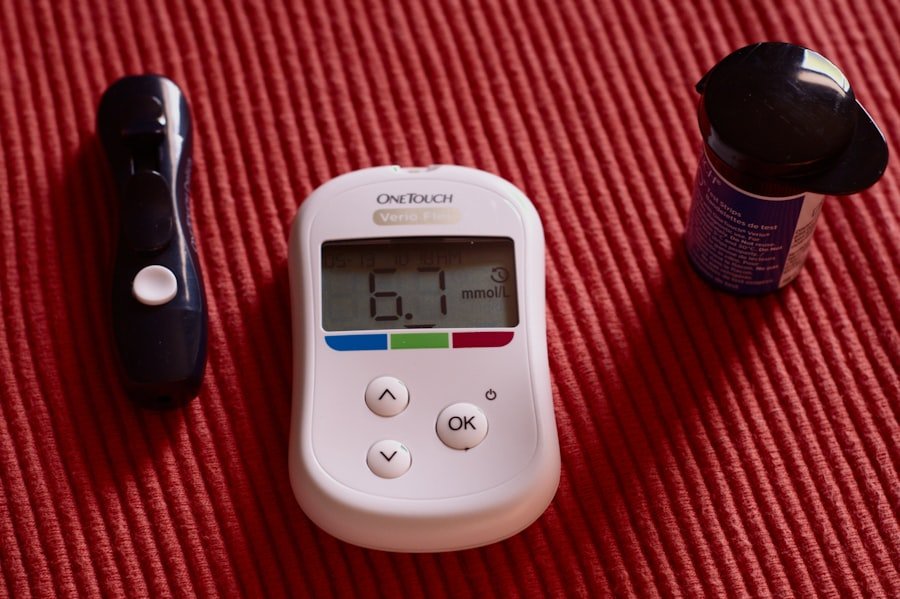
Monitoring fasting blood glucose levels (taken after an overnight fast) provides a snapshot of how well the body is regulating sugar at rest. Normal fasting blood glucose levels are generally between 70-99 mg/dL.
Body Weight and Composition
Tracking weight, particularly changes in body fat percentage and waist circumference (an indicator of visceral fat), provides insights into the effectiveness of lifestyle interventions.
Blood Pressure and Cholesterol Levels
Diabetes often coexists with other cardiovascular risk factors. Monitoring blood pressure and cholesterol levels is vital for overall health and to reduce the risk of associated complications.
The Importance of Ongoing Lifestyle Adherence
Remission does not equate to a cure. The underlying predisposition for Type 2 diabetes often remains. Therefore, continuing the healthy dietary patterns, regular physical activity, adequate sleep, and stress management practices that led to remission is paramount for its maintenance.
Recognizing the Signs of Relapse
It’s important to be aware of the signs that diabetes may be returning. These can include:
- Increased Thirst and Frequent Urination: Classic symptoms of high blood sugar.
- Unexplained Fatigue: As glucose cannot be efficiently used for energy.
- Gradual Weight Gain: Reversing the weight loss achieved during remission.
- Rising Blood Glucose Readings: Occasional or consistent increases in self-monitored blood glucose levels.
- Increasing HbA1c Levels: A rise in the HbA1c test over time.
The Role of Regular Medical Check-ups
Even in remission, regular follow-up appointments with a healthcare provider are crucial. These appointments allow for continuous monitoring, early detection of any potential relapse, and adjustments to management strategies if needed. Healthcare providers can offer ongoing support, guidance, and re-education to help individuals maintain their remission and overall health.
- Realistic Expectations and Individualized Approaches
The journey toward Type 2 diabetes reversal is highly individual. Setting realistic expectations is vital for sustained motivation and positive outcomes.
Not Everyone Achieves Full Remission
It’s crucial to acknowledge that not all individuals with Type 2 diabetes will achieve full remission. Factors such as the duration of the disease, the degree of beta-cell damage, and individual response to interventions play significant roles. The LCA emphasizes that even if full remission isn’t reached, substantial improvements in blood sugar control, reduced medication reliance, and enhanced quality of life are still highly achievable and valuable goals.
Focusing on Improvement, Not Just Remission
For some, the goal may not be complete remission but rather significant improvements in their health markers. This might include lowering HbA1c levels to the pre-diabetic range, reducing the number or dosage of medications, improving energy levels, and preventing or slowing the progression of complications. These achievements are undoubtedly beneficial.
The Importance of a Personalized Plan
A one-size-fits-all approach to diabetes reversal is rarely effective. The LCA stresses the need for personalized strategies developed in collaboration with healthcare professionals.
Tailoring Diet and Exercise
Dietary preferences, physical capabilities, cultural backgrounds, and personal circumstances all influence the feasibility and sustainability of lifestyle changes. A plan that is enjoyable and manageable is more likely to be adhered to long-term.
Considering Co-existing Conditions
Individuals with Type 2 diabetes often have other health conditions (e.g., hypertension, heart disease, sleep apnea). Treatment plans must consider these co-existing conditions to ensure holistic care and avoid contraindications.
Mental and Emotional Well-being
The process of managing and potentially reversing a chronic condition can be emotionally taxing. Acknowledging and addressing the mental and emotional aspects, such as motivation, self-efficacy, and dealing with setbacks, is as important as the physical interventions.
The Long-Term Commitment
Reversal, or even significant improvement, requires a long-term commitment to healthy habits. It’s not a quick fix. The LCA’s core message is that sustainable lifestyle changes, built on a foundation of understanding and self-care, are the key to long-term success in managing Type 2 diabetes and potentially achieving remission.
- The Future of Type 2 Diabetes Reversal
The scientific understanding and treatment approaches for Type 2 diabetes are constantly evolving, offering a hopeful outlook for reversal and improved management.
Advancements in Research
Ongoing research is continuously shedding light on the complex mechanisms underlying Type 2 diabetes and exploring new avenues for its management and reversal.
Understanding the Gut Microbiome
Emerging research is highlighting the significant role of the gut microbiome in metabolic health and insulin resistance. Future interventions may target the gut flora to influence blood sugar control and potentially contribute to remission.
Novel Pharmacological Targets
Scientists are actively investigating new drug targets that could offer more effective ways to improve insulin sensitivity, promote beta-cell regeneration, and reduce inflammation, potentially leading to more accessible and sustainable reversal strategies.
Personalized Medicine Approaches
The future of diabetes care lies in personalized medicine. Advances in genetic testing, metabolic profiling, and AI-driven analytics will enable healthcare providers to develop highly individualized treatment plans tailored to each person’s unique biological makeup and disease presentation. This will optimize the chances of achieving and maintaining remission.
The Role of Technology in Support
Technology is playing an increasingly vital role in supporting individuals in their diabetes management journey.
Wearable Devices and Continuous Glucose Monitors (CGMs)
Wearable devices and CGMs provide real-time data on glucose levels, activity, and sleep patterns. This information empowers individuals to make informed decisions about their diet, exercise, and medication, and it provides valuable data for healthcare providers to fine-tune treatment plans.
Digital Health Platforms and Apps
Numerous digital health platforms and apps offer personalized coaching, educational resources, meal planning tools, and community support, making it easier for individuals to adhere to lifestyle changes and stay motivated on their path to reversal and remission.
A Shift Towards Prevention and Early Intervention
The growing emphasis on understanding the reversibility of Type 2 diabetes is also driving a greater focus on prevention and early intervention.
Public Health Initiatives
Increased awareness campaigns and public health initiatives aimed at promoting healthy lifestyles and early screening for Type 2 diabetes can help identify individuals at risk and intervene before the disease becomes entrenched.
Empowering Individuals with Knowledge
As more information becomes available about the potential for reversal, individuals are increasingly empowered to take proactive steps in managing their health, transforming their relationship with Type 2 diabetes from one of passive management to active engagement in their well-being.
Conclusion
The question of whether Type 2 diabetes is reversible hinges on a nuanced understanding of remission. While a complete cure may not always be attainable, achieving remission through a combination of intensive lifestyle modifications and, in some cases, medical interventions is a realistic and increasingly achievable goal for many. The journey requires dedication, a personalized approach, and ongoing commitment, but the potential rewards—improved health, enhanced quality of life, and a reduced burden of disease—make it a pursuit of immense value. As LCA, my aim is to equip you with the knowledge to navigate this path with clarity and confidence.
FAQs
What is Type 2 Diabetes?
Type 2 diabetes is a chronic condition that affects the way the body processes blood sugar (glucose). It occurs when the body becomes resistant to insulin or doesn’t produce enough insulin to maintain normal glucose levels.
Is Type 2 Diabetes Reversible?
Type 2 diabetes can be reversible through lifestyle changes such as weight loss, healthy eating, and regular physical activity. Some people may also require medication or insulin therapy to manage their condition.
What are the Risk Factors for Type 2 Diabetes?
Risk factors for type 2 diabetes include being overweight or obese, having a family history of diabetes, being physically inactive, and having high blood pressure or high cholesterol.
Can Type 2 Diabetes be Managed with Medication?
Yes, type 2 diabetes can be managed with medication such as oral glucose-lowering drugs, insulin therapy, or other injectable medications. It is important to work with a healthcare provider to determine the most appropriate treatment plan.
What are the Complications of Untreated Type 2 Diabetes?
Untreated type 2 diabetes can lead to serious complications such as heart disease, stroke, kidney disease, vision problems, and nerve damage. It is important to manage the condition to prevent these complications.