
Imagine if there was a way to protect your most precious organ – your brain – from the risk of developing cancer. In this article, you will discover some insightful tips and strategies to help you prevent brain cancer. By adopting these simple lifestyle changes and incorporating them into your daily routine, you can significantly reduce your chances of falling victim to this devastating disease. So let’s explore these preventive measures and empower ourselves to safeguard our brain health for a brighter and healthier future.

Lifestyle Factors
Maintain a Healthy Diet
Taking care of your overall health is crucial for preventing brain cancer. One important aspect of a healthy lifestyle is maintaining a balanced diet. By including a variety of fruits, vegetables, whole grains, and lean proteins in your meals, you can ensure that your body receives essential nutrients and antioxidants. These nutrients help protect your cells from damage and reduce the risk of developing cancer, including brain cancer. It is recommended to limit the consumption of processed foods and red meats, as they have been linked to an increased risk of cancer.
Engage in Regular Physical Activity
Physical activity is not only beneficial for maintaining a healthy weight and cardiovascular health but also for reducing the risk of cancer, including brain cancer. Engaging in regular exercise, such as brisk walking, jogging, cycling, or swimming, can help boost your immune system, lower inflammation, and reduce the chances of developing cancer. Aim for at least 150 minutes of moderate-intensity exercise or 75 minutes of vigorous-intensity exercise each week to reap the full benefits.
Quit Smoking
Smoking is a leading cause of various types of cancer, including brain cancer. If you are a smoker, quitting smoking is one of the most important steps you can take to reduce your risk of developing brain cancer. Smoking not only directly damages your lungs but also increases the likelihood of cancer spreading to your brain. Seek support from healthcare professionals, join smoking cessation programs, and explore various quitting methods to successfully quit smoking and protect your health.
Limit Alcohol Consumption
Excessive alcohol consumption has been linked to an increased risk of several types of cancer, including brain cancer. It is essential to limit your alcohol intake to reduce your risk of developing this disease. The recommended guidelines suggest that men should not consume more than two alcoholic drinks per day, while women should limit themselves to one alcoholic drink per day. If you find it challenging to control your alcohol consumption, seek support from healthcare professionals or join support groups to make positive changes and protect your well-being.
Environmental Factors
Avoid Exposure to Harmful Chemicals
Exposure to harmful chemicals can significantly increase the risk of developing brain cancer. Minimize your exposure to toxic chemicals by using natural cleaning products, avoiding proximity to hazardous substances, and following safety guidelines at work. If you work in an industry that involves handling chemicals, make sure to adhere to proper safety protocols and wear protective gear to reduce your exposure.
Protect Yourself from Radiation
Prolonged exposure to certain types of radiation, such as ionizing radiation, has been linked to an increased risk of brain cancer. To protect yourself from unnecessary radiation exposure, limit the use of medical imaging tests that involve radiation, such as X-rays and CT scans. Additionally, ensure that you are using appropriate protection when working in occupations where radiation exposure is a potential risk, such as radiation therapy or nuclear power plant workers.

Genetic Factors
Undergo Genetic Testing
While most cases of brain cancer are not directly linked to genetics, there are certain genetic factors that can increase the risk. If you have a family history of brain cancer or if you suspect you may have a genetic predisposition, undergoing genetic testing can provide you with valuable information about your risk. Talk to your healthcare provider or a genetic counselor who can assess your family history, guide you through the testing process, and interpret the results.
Consider Genetic Counseling
Genetic counseling involves consulting with a healthcare professional who specializes in genetics. They can help you understand the implications of your genetic test results and provide guidance on potential preventive measures. Genetic counselors can provide invaluable support, advice, and resources to individuals who may be at an increased risk of developing brain cancer due to genetic factors. Consider seeking genetic counseling to gain a better understanding of your personal risk and develop a plan to reduce your chances of developing brain cancer.
Protective Measures
Wear Protective Gear
Certain activities or occupations may expose you to head injuries, which can increase the risk of brain cancer. To protect yourself, always wear appropriate protective gear when engaging in activities such as cycling, skateboarding, or any contact sports. Helmets and other protective equipment can significantly reduce the impact of head injuries and minimize the risk of brain cancer.
Avoid Head Injuries
Head injuries, regardless of their cause, can have serious consequences and may increase your susceptibility to brain cancer. Take caution to avoid head injuries by practicing safe behaviors such as wearing seat belts in vehicles, using handrails on stairs, and implementing safety measures in your home. By taking preventative measures, you can significantly reduce the risk of head injuries and subsequently lower the risk of developing brain cancer.
Use Mobile Phones Safely
While the link between mobile phone use and brain cancer is still under investigation, it is recommended to use mobile phones safely to minimize potential risks. Limit the duration and frequency of mobile phone calls, use a hands-free option or speakerphone whenever possible, and avoid carrying your phone in close proximity to your head or body when not in active use. These precautions can help reduce any potential radiation exposure and possibly lower the risk of developing brain cancer.
Dietary Factors
Increase Antioxidant Intake
Antioxidants are compounds that help protect the cells in your body from damage caused by harmful free radicals. Including foods rich in antioxidants in your diet can be beneficial in preventing brain cancer. Some excellent sources of antioxidants include berries, leafy green vegetables, citrus fruits, nuts, and seeds. By increasing your antioxidant intake, you are providing your body with vital protection against the development of cancerous cells.
Consume Omega-3 Fatty Acids
Omega-3 fatty acids have been shown to have anti-inflammatory properties and protective effects against various diseases, including cancer. Incorporate foods rich in omega-3 fatty acids into your diet, such as fatty fish (salmon, mackerel, and sardines), flaxseeds, chia seeds, and walnuts. These healthy fats not only support brain health but also contribute to the overall well-being of your body and may help reduce the risk of brain cancer.
Eat a Balanced Diet
Maintaining a balanced diet is essential for reducing the risk of cancer, including brain cancer. Aim to include a variety of food groups in your meals to ensure you are getting all the necessary nutrients. Make sure to incorporate whole grains, lean proteins, fruits, vegetables, and healthy fats in your diet. By consuming a well-rounded and balanced diet, you can support your immune system, promote overall health, and reduce the risk of developing brain cancer.
Limit Processed and Red Meat Consumption
Consuming processed meats and high amounts of red meat has been associated with an increased risk of cancer, including brain cancer. Processed meats such as bacon, sausage, and deli meats often contain harmful additives and preservatives that may contribute to the development of cancerous cells. To reduce your risk, limit the consumption of these processed meats and consider opting for lean sources of protein, such as poultry, fish, legumes, and tofu, instead. When consuming red meat, choose lean cuts and practice moderation.
Screening and Early Detection
Know the Warning Signs
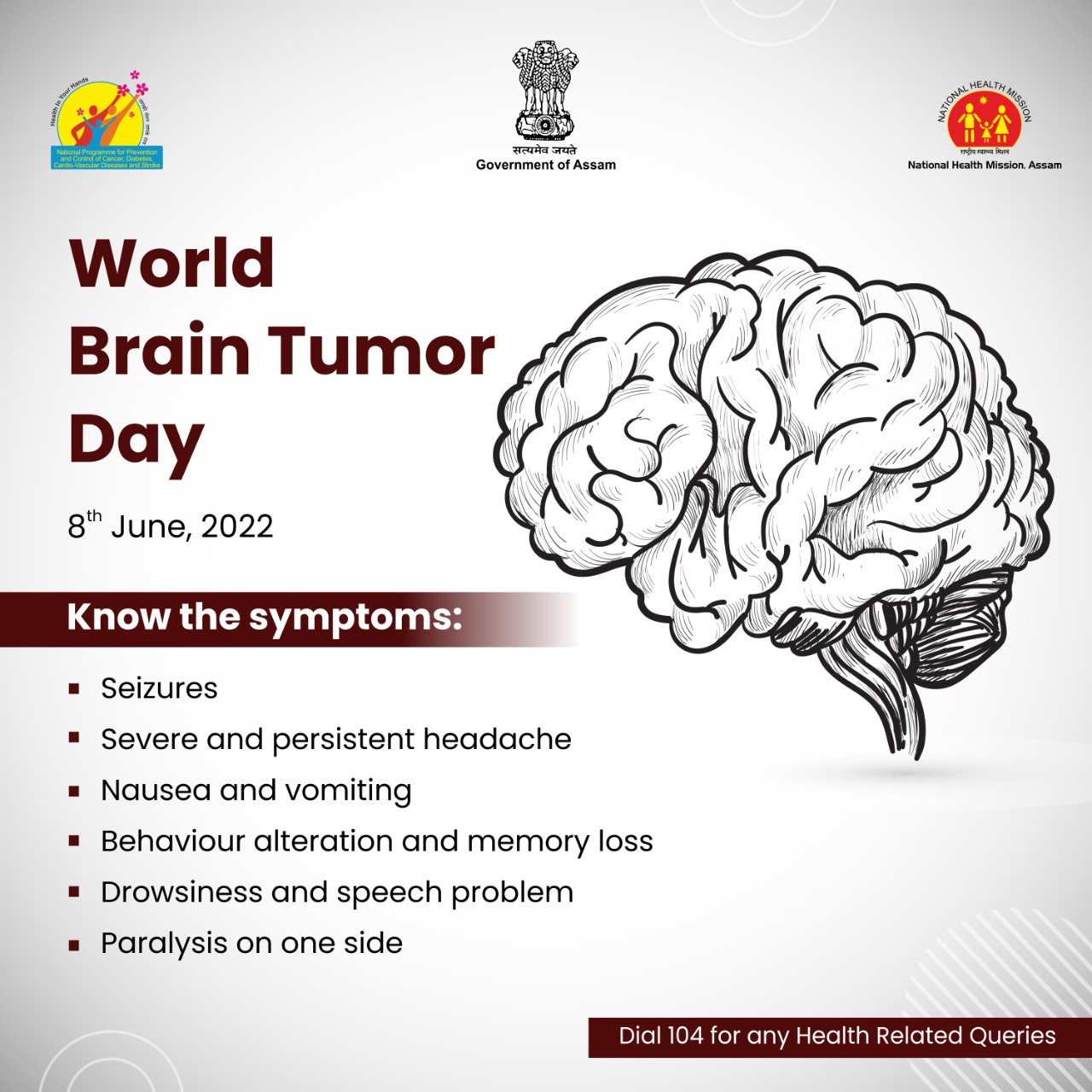
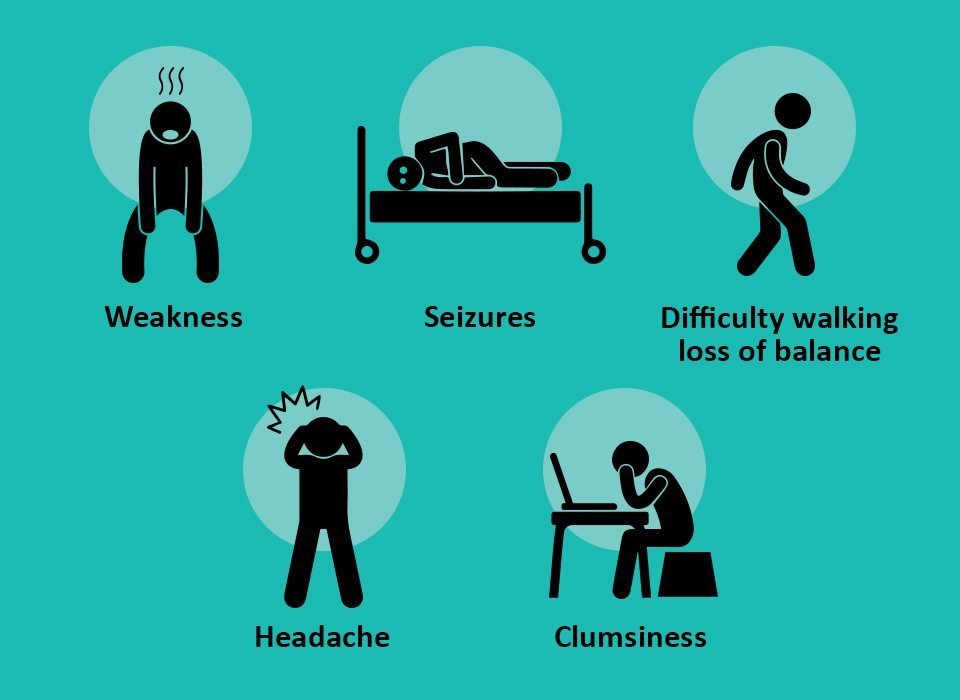
Being aware of the warning signs and symptoms of brain cancer is crucial for early detection. Common symptoms can include persistent headaches, seizures, difficulty with balance or walking, changes in vision or hearing, memory loss, and personality changes. If you experience any concerning symptoms that persist or worsen, it is important to consult with a healthcare professional for further evaluation. Early detection allows for timely intervention and can substantially improve treatment outcomes.
Regular Check-ups with a Healthcare Professional
Regular check-ups with a trusted healthcare professional are essential for maintaining your overall health and well-being. During these visits, your doctor can perform routine screenings and examinations to detect any potential health concerns, including brain cancer. They can also address any questions or concerns you may have and provide guidance on preventive measures specific to your health profile. Make sure to schedule regular check-ups and prioritize your health by staying proactive in your healthcare.
Undergo Recommended Screenings
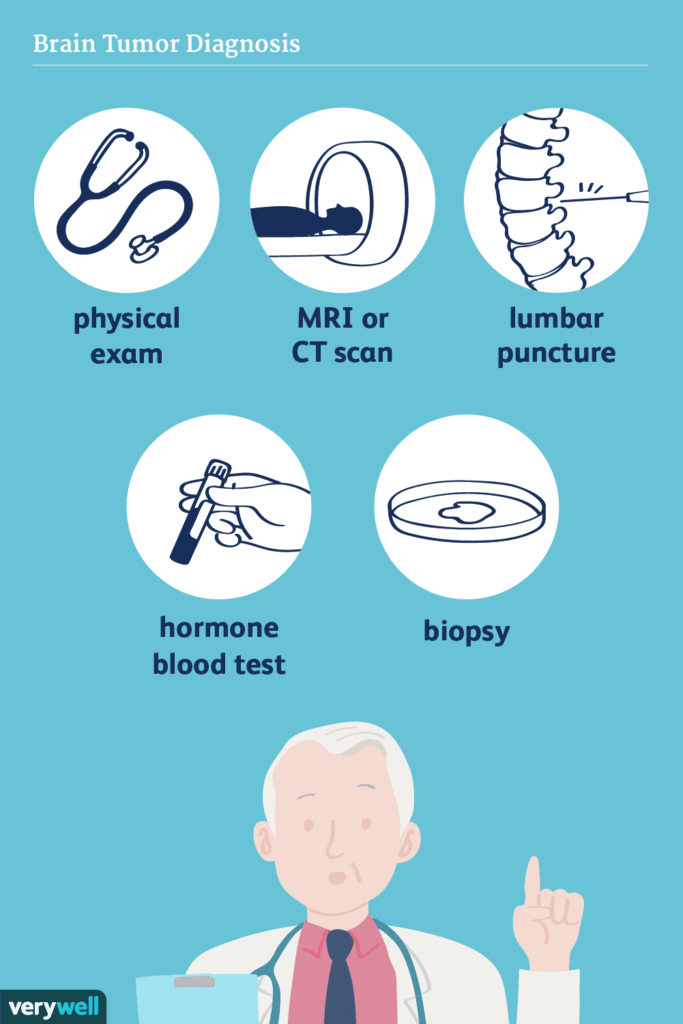
Depending on your age, medical history, and risk factors, certain screenings may be recommended to detect brain cancer. These screenings may include imaging tests such as MRI or CT scans. Discuss with your healthcare professional whether any screening tests are appropriate for you and follow their advice regarding the recommended frequency and timing of these screenings. Early detection through regular screenings can significantly improve the chances of successful treatment and recovery.
Occupational Risks
Be Aware of Occupational Hazards
Certain occupations carry a higher risk of exposure to carcinogens or other harmful substances, which can increase the likelihood of developing brain cancer. Be aware of the occupational hazards in your industry and take necessary precautions to minimize your exposure. Follow safety protocols and guidelines provided by your employer, use protective equipment, and educate yourself about the potential risks associated with your occupation. By being proactive about your safety, you can reduce workplace-related risks of developing brain cancer.
Follow Safety Protocols
In addition to being aware of occupational hazards, it is crucial to follow safety protocols and guidelines in your workplace. Comply with all safety regulations, use protective equipment properly, and participate in any relevant training or educational programs offered by your employer. By following safety protocols, you can minimize your risk of exposure to harmful substances and protect yourself from potential occupational causes of brain cancer.
Reduce Stress
Practice Stress Management Techniques
Chronic stress has been associated with various health issues, including an increased risk of cancer. Implementing stress management techniques can be beneficial in preventing brain cancer. Engage in activities that help you relax and unwind, such as meditation, deep breathing exercises, yoga, or spending time in nature. Prioritize self-care, set realistic goals, and establish healthy boundaries. By managing stress effectively, you can support your overall well-being and reduce the potential impact on your health.
Seek Support and Counseling
If you find it challenging to manage stress on your own, do not hesitate to seek support and counseling. Talking to a mental health professional or joining support groups can provide you with valuable coping strategies and a safe space to express your feelings and concerns. They can help you develop healthy stress management techniques and provide emotional support throughout your journey. Remember, seeking help is a sign of strength, and it can greatly contribute to your overall well-being and decrease the risk of developing brain cancer.
Stay Hydrated
Drink Plenty of Water
Staying hydrated is vital for overall health and can also contribute to the prevention of brain cancer. Drinking an adequate amount of water helps maintain optimal bodily functions, including detoxification and flushing out harmful substances. Aim to drink at least eight cups (64 ounces) of water per day, or adjust your intake based on your individual needs and activity level. Proper hydration promotes the health of your cells and can potentially reduce the risk of developing various types of cancer, including brain cancer.
Avoid Dehydration
A lack of proper hydration can have detrimental effects on your body and increase the risk of developing health issues, including brain cancer. To avoid dehydration, make a conscious effort to drink water throughout the day and ensure you are consuming enough fluids. Be mindful of your body’s signals and increase your water intake during hot weather or when engaging in physical activity. Remember that maintaining proper hydration is essential for your overall well-being and long-term health.
Educational Awareness
Stay Informed about Brain Cancer
Raising awareness and educating yourself about brain cancer is an essential step in prevention. Stay updated on the latest research, risk factors, and potential preventive measures. Familiarize yourself with reliable sources of information, such as medical journals, reputable websites, and educational resources provided by healthcare organizations. By increasing your knowledge about brain cancer, you can be proactive in managing your risk and promoting preventive actions.
Promote Education and Awareness
Help spread awareness about brain cancer and its prevention by sharing your knowledge with others. Encourage open conversations about brain cancer, its risk factors, and the importance of preventive measures. Participate in community events, support local organizations dedicated to cancer prevention, and share educational resources with your friends, family, and social networks. By promoting education and awareness, you contribute to a collective effort in preventing brain cancer and protecting the well-being of individuals in your community.
In conclusion, taking preventive measures to reduce the risk of brain cancer involves maintaining a healthy lifestyle, being mindful of environmental factors, considering genetic factors, and implementing protective measures. By incorporating these strategies into your routine, practicing self-care, and staying informed, you can greatly decrease the likelihood of developing brain cancer. Remember, your health is a priority, and by taking proactive steps, you are actively contributing to your overall well-being and long-term health.