Appendicitis is a common medical condition that can cause severe pain and discomfort. It occurs when the appendix, a small pouch attached to the large intestine, becomes inflamed and infected. While the exact cause of appendicitis is still a mystery, there are certain risk factors that may increase your chances of developing this condition. By understanding these risk factors and taking necessary precautions, you can better protect yourself and potentially prevent the onset of appendicitis. In this article, we will explore these risk factors in detail and discuss the recommended precautions you should consider to maintain a healthy appendix. So, let’s dive into this important topic and empower ourselves with the knowledge needed to safeguard our well-being.

Risk Factors
Age
Age is a significant risk factor for appendicitis. While anyone can develop appendicitis, it is most common among individuals between the ages of 10 and 30. Adolescents and young adults are particularly susceptible to this condition, although it can occur at any age. It is important to be aware of the symptoms associated with appendicitis, especially if you fall within this age range, as early detection and treatment are essential in preventing complications.
Gender
Gender also plays a role in determining the risk of developing appendicitis. Studies have consistently shown that males have a slightly higher risk than females. The reasons behind this gender disparity are not entirely clear, but it is believed to be associated with anatomical differences. Nonetheless, regardless of your gender, it is crucial to be aware of the symptoms and risk factors as appendicitis can affect anyone.
Family History
If you have a family history of appendicitis, your risk of developing this condition is higher compared to those without a family history. Research suggests that there may be a genetic component involved in the development of appendicitis. Therefore, it is important to gather information about your family’s medical history and share it with your healthcare provider. By knowing your risk factors, they can better assess your individual risk and provide appropriate guidance.
Diet
Your diet can significantly impact your risk of developing appendicitis. A diet low in fiber and high in processed foods may increase the likelihood of developing this condition. Consuming a diet rich in fruits, vegetables, whole grains, and lean proteins can help maintain a healthy digestive system and reduce the risk of appendicitis. Additionally, staying hydrated and reducing the intake of sugary beverages can promote overall gastrointestinal health.
Obesity
Obesity is a known risk factor for various health conditions, including appendicitis. Studies have shown that individuals who are overweight or obese have an increased risk of developing this condition. Excess weight can put additional pressure on the digestive system, potentially leading to inflammation and appendicitis. Maintaining a healthy weight through a balanced diet and regular exercise can help reduce your risk of developing appendicitis and other associated health issues.
Smoking
Smoking is not only harmful to your lungs but also increases the risk of developing appendicitis. Research suggests that smoking can cause inflammation in the gastrointestinal tract, rendering individuals more susceptible to appendicitis. Quitting smoking or avoiding exposure to secondhand smoke is crucial in reducing the risk of developing this condition. If you are a smoker, reaching out to your healthcare provider for assistance in quitting is highly recommended.
Inflammatory Bowel Disease
Individuals with inflammatory bowel disease, such as Crohn’s disease or ulcerative colitis, have an increased risk of developing appendicitis. These chronic conditions cause inflammation and damage to the gastrointestinal tract, potentially leading to complications such as appendicitis. Proper management of inflammatory bowel disease through medications, lifestyle modifications, and regular check-ups with a gastroenterologist is essential in preventing appendicitis and other related complications.
Recent Infection
Having recently experienced an infection, particularly of the gastrointestinal tract, can increase your risk of developing appendicitis. Infections can cause inflammation and disrupt the normal function of the appendix, potentially leading to appendicitis. It is crucial to practice good hygiene, such as washing your hands regularly and properly cooking food, to reduce the risk of infections. Additionally, if you have recently recovered from an infection and start experiencing symptoms of appendicitis, it is important to seek prompt medical attention.
Precautions
Maintaining a Healthy Diet
One of the most effective precautions you can take to reduce the risk of appendicitis is maintaining a healthy diet. A diet rich in fiber, fruits, vegetables, and whole grains promotes regular bowel movements and helps prevent constipation. Consuming a variety of nutrient-dense foods can strengthen the immune system and enhance the overall health of your digestive system, reducing the risk of developing appendicitis.
Regular Exercise
Engaging in regular physical activity is not only beneficial for your overall well-being but also helps reduce the risk of appendicitis. Exercise promotes healthy digestion by supporting bowel regularity and preventing constipation. It also contributes to weight management, which is crucial as obesity is a risk factor for appendicitis. Incorporating regular exercise into your routine, such as brisk walking, jogging, or cycling, can significantly lower your risk of developing appendicitis.
Avoiding Smoking
Smoking not only affects your respiratory system but also increases the risk of appendicitis. By quitting smoking or avoiding exposure to secondhand smoke, you can reduce inflammation in your gastrointestinal tract and minimize the chances of developing appendicitis. Seek support from healthcare professionals, utilize smoking cessation resources, and create a smoke-free environment to protect your health and prevent appendicitis.
Seeking Prompt Medical Attention
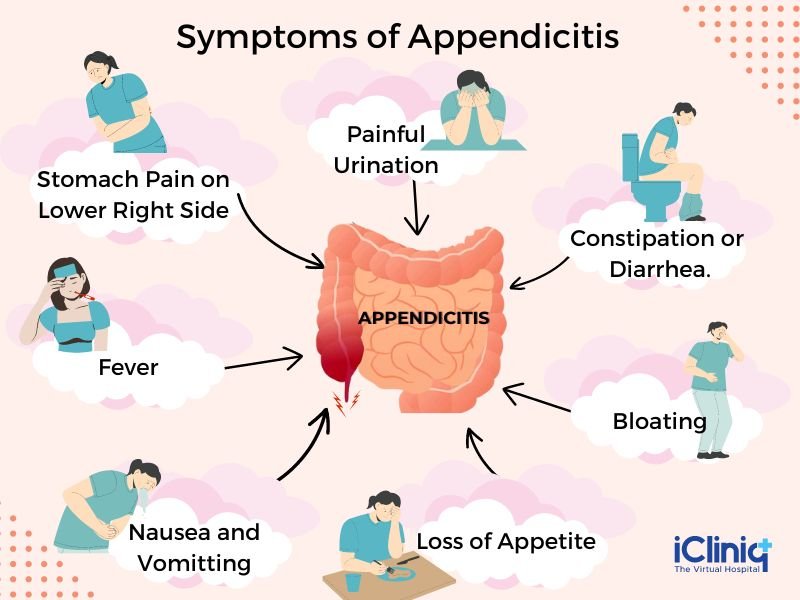
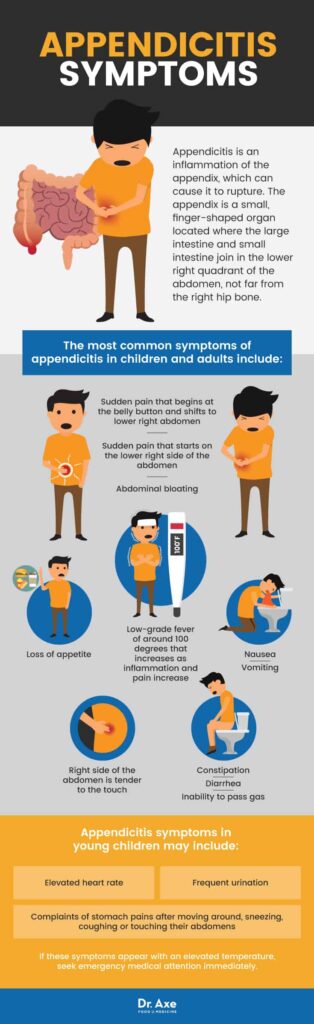
Awareness of the symptoms of appendicitis and seeking prompt medical attention is crucial in preventing complications. If you experience symptoms such as abdominal pain, nausea, vomiting, low-grade fever, or loss of appetite, it is essential to consult a healthcare professional. Early diagnosis and treatment can prevent the appendix from rupturing and reduce the severity of appendicitis. Ignoring symptoms or attempting self-diagnosis can prolong the condition and increase the risk of complications.
Managing Inflammatory Bowel Disease
If you have been diagnosed with inflammatory bowel disease, effective management of the condition is essential in reducing the risk of appendicitis. Regular monitoring by a gastroenterologist, adherence to prescribed medications, and lifestyle modifications can help control inflammation and minimize the chances of complications, including appendicitis. It is important to establish a strong partnership with your healthcare team and follow their recommendations for optimal disease management.
Preventing Infections
Taking steps to prevent infections can significantly reduce the risk of appendicitis. Practicing good hygiene, such as washing hands thoroughly, especially before eating or preparing food, can prevent the spread of harmful bacteria and viruses. Additionally, ensuring that food is properly cooked and stored can minimize the chances of ingesting pathogens. By maintaining a clean and hygienic environment, you can protect yourself from infections that may lead to appendicitis.
In conclusion, being aware of the risk factors and taking appropriate precautions can greatly reduce the likelihood of developing appendicitis. Factors such as age, gender, family history, diet, obesity, smoking, inflammatory bowel disease, and recent infections all contribute to the risk of appendicitis. By following a healthy diet, engaging in regular exercise, avoiding smoking, seeking prompt medical attention, managing inflammatory bowel disease, and preventing infections, you can proactively reduce your risk and maintain a healthy appendix. Remember to consult with healthcare professionals for personalized advice and guidance based on your individual circumstances.