
Bladder cancer is a serious medical condition that affects a significant number of individuals worldwide. Understanding the risk factors associated with this disease and taking appropriate precautions is crucial for maintaining good health. In this article, we will explore the various risk factors that can contribute to the development of bladder cancer, as well as the precautions individuals can take to reduce their risk. By being aware of these factors and taking proactive steps, you can protect yourself and promote a healthier lifestyle. Bladder cancer is a complex disease with several risk factors that can increase your chances of developing the condition. By being aware of these risk factors and taking precautions, you can significantly reduce your risk of bladder cancer. In this article, we will discuss the various risk factors associated with bladder cancer and the precautions you can take to protect yourself.
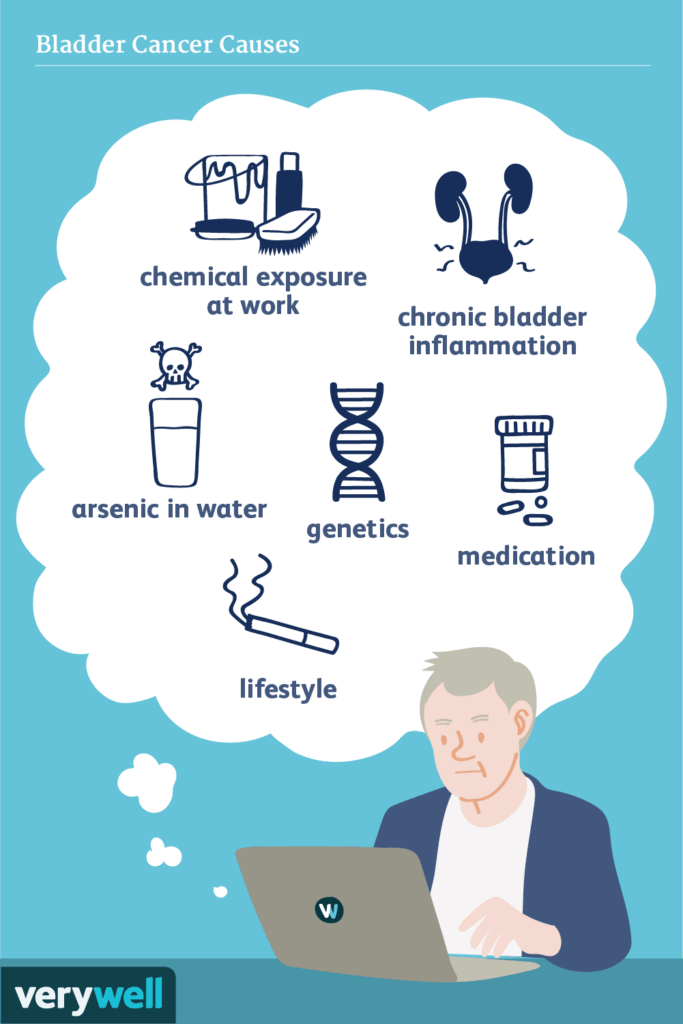
Risk Factors for Bladder Cancer
Age
As with many types of cancer, the risk of bladder cancer increases with age. Most people diagnosed with bladder cancer are over the age of 55. However, it’s important to note that bladder cancer can affect individuals of any age, so it’s crucial to be aware of the other risk factors, regardless of your age.
Gender
Bladder cancer is more common in men than in women. Men are about four times more likely to develop bladder cancer than women. However, this does not mean that women are completely immune to the disease. It’s essential for both men and women to be aware of the risk factors and take necessary precautions.
Race and Ethnicity
Bladder cancer is more prevalent among Caucasians than any other race. Caucasians have a higher risk of developing bladder cancer compared to other ethnic groups. On the other hand, African Americans have a higher risk of aggressive bladder cancer, and Asian Americans and Hispanic Americans have a lower risk. It’s crucial to consider your race and ethnicity when assessing your risk and taking preventive measures.
Tobacco Use
Smoking is the leading cause of bladder cancer. The harmful chemicals in tobacco smoke accumulate in the urine and can damage the lining of the bladder, increasing the risk of cancerous growth. Cigar and pipe smoking also increase the risk, although to a lesser extent. Additionally, exposure to secondhand smoke can contribute to the development of bladder cancer. Quitting smoking is the most effective way to reduce your risk of bladder cancer.
Exposure to Chemicals
Occupational exposure to certain chemicals has been linked to an increased risk of bladder cancer. Chemical industry workers, painters, truck drivers, and those working with dyes, rubber, and textiles are at a higher risk. Exposure to chemicals in hair dyes has also been associated with bladder cancer. To reduce your risk, it’s important to minimize exposure to harmful chemicals and take necessary safety precautions in your workplace.
Chronic Bladder Inflammation
Chronic bladder inflammation, also known as cystitis, can increase the risk of bladder cancer. Conditions such as urinary tract infections, bladder stones, schistosomiasis (a parasitic infection), and interstitial cystitis (a chronic bladder condition) can cause inflammation and damage to the bladder lining. Taking steps to prevent and treat these conditions can help lower your risk of developing bladder cancer.
Personal or Family History
Having a personal or family history of bladder cancer can increase your risk. If you have previously been diagnosed with bladder cancer, you have a higher chance of developing it again. Similarly, if you have a family member who has had bladder cancer, your risk may also be elevated. Genetic factors can play a role in bladder cancer, so it’s essential to discuss your family history with your healthcare provider.
Certain Medications
Certain medications, such as cyclophosphamide, used for the treatment of certain cancers and autoimmune diseases, have been associated with an increased risk of bladder cancer. However, the benefits of these medications often outweigh the potential risks. If you are taking any medications that may increase your risk, it’s important to discuss this with your healthcare provider, who can help monitor and manage your risk.
Arsenic in Drinking Water
Exposure to high levels of arsenic in drinking water has been linked to an increased risk of bladder cancer. While this is more common in regions with contaminated water sources, it’s important to be aware of potential sources of arsenic in your water supply. Ensuring that your drinking water is safe and meets regulatory standards can help reduce this risk.
Radiation Therapy
Previous radiation therapy, particularly to the pelvic area, can increase the risk of developing bladder cancer. If you have undergone radiation therapy in the past, it’s important to discuss this with your healthcare provider and have regular screenings to detect any potential signs of bladder cancer.

Precautions to Reduce Bladder Cancer Risk
Quit Smoking
Since smoking is the leading cause of bladder cancer, quitting smoking is one of the most crucial precautions you can take. It’s never too late to quit, and even reducing your smoking can significantly lower your risk. Seek support from healthcare professionals or join smoking cessation programs to increase your chances of success.
Reduce Exposure to Chemicals
If you work in an industry that involves exposure to chemicals known to increase the risk of bladder cancer, take necessary precautions such as wearing protective clothing and following safety guidelines. Additionally, be cautious when using hair dyes or other products that may contain harmful chemicals. Opt for natural or low-chemical alternatives whenever possible.
Maintain a Healthy Lifestyle
A healthy lifestyle can help reduce the risk of various cancers, including bladder cancer. Eat a balanced diet rich in fruits, vegetables, and whole grains, and limit the consumption of processed foods and sugary beverages. Engage in regular physical activity and maintain a healthy weight. Limit alcohol consumption, as excessive alcohol intake has been linked to an increased risk of bladder cancer.
Stay Hydrated
Drinking an adequate amount of water can help dilute urine and reduce the concentration of any potentially harmful substances. Aim to drink at least 8 cups (64 ounces) of water per day, or more if you engage in vigorous physical activity or live in a hot climate. Staying hydrated is not only beneficial for your overall health but can also play a role in reducing the risk of bladder cancer.
Practice Safe Use of Medications
If you are taking medications that have been associated with an increased risk of bladder cancer, discuss this with your healthcare provider. They can help monitor your risk and ensure that the benefits of the medication outweigh any potential dangers. It’s important to follow prescribed dosages and guidelines for safe use.
Be Vigilant with Radiation Therapy
If you have undergone radiation therapy in the past, it’s crucial to have regular check-ups and screenings to detect any potential complications or signs of bladder cancer early. Maintaining open communication with your healthcare provider is essential to ensure your ongoing health and well-being.
Avoid Recurrent Bladder Infections
Taking steps to prevent recurrent bladder infections can help reduce the risk of bladder cancer associated with chronic bladder inflammation. Maintain good hygiene, drink plenty of water, urinate regularly, and avoid holding in urine for long periods. Be cautious when using any irritants, such as harsh feminine hygiene products, which can increase the risk of infection.
Screening and Early Detection
Regular screening and early detection are key in preventing and managing bladder cancer. If you have any risk factors or concerns, discuss them with your healthcare provider, who can determine the appropriate screening tests. Common screening methods include urine tests for abnormal cells and cystoscopy, a procedure that allows the doctor to examine the bladder using a thin tube with a camera.
Regular Medical Check-ups
Engaging in regular medical check-ups is essential for maintaining your overall health and well-being. During these visits, your healthcare provider can assess your risk for bladder cancer and other conditions, provide necessary preventive measures, and address any concerns you may have. Open and honest communication with your healthcare provider is crucial for comprehensive care and risk management.
Awareness and Education
Increasing awareness and education about bladder cancer is essential to help individuals understand the risk factors and take necessary precautions. Educational campaigns and programs can provide valuable information about prevention, risk assessment, and early detection. Additionally, support groups can offer guidance, resources, and a community of individuals facing similar challenges.
In conclusion, understanding the risk factors for bladder cancer and taking precautions can significantly reduce your chances of developing the disease. By quitting smoking, reducing exposure to chemicals, maintaining a healthy lifestyle, staying hydrated, practicing safe medication use, being vigilant with radiation therapy, preventing recurrent bladder infections, undergoing regular screenings, attending medical check-ups, and increasing awareness and education, you can take control of your health and minimize your risk of bladder cancer. Remember, your well-being is in your hands, so make informed choices and prioritize your health.
