
Blisters can be painful and inconvenient, often interrupting our daily activities. Whether they appear due to friction, burns, or other causes, understanding the risk factors and taking necessary precautions can help prevent these pesky blisters from forming. In this article, we will explore the common risk factors associated with blisters and provide you with practical advice on how to protect yourself against them. So, let’s dive in and find out how you can keep those blisters at bay!
Risk Factors for Blisters
Blisters are a common skin condition that can cause discomfort and pain. They are typically caused by repetitive friction, moisture, heat, poorly fitting footwear, and high-impact activities. Additionally, certain medical conditions, age, skin conditions, and occupational hazards can increase the risk of developing blisters. Understanding these risk factors and taking appropriate precautions can help prevent blisters and maintain healthy skin.

Friction
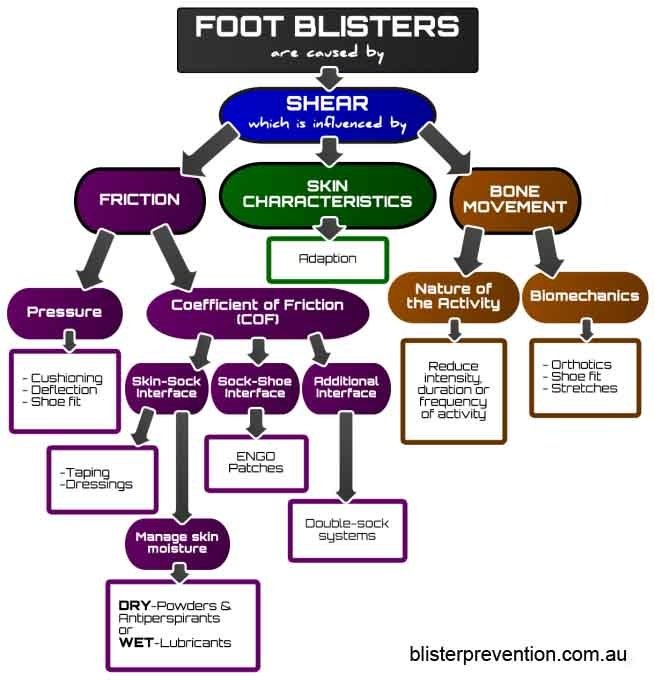
Friction is one of the primary causes of blisters. When there is repeated rubbing or pressure on the skin, the outer layer of skin separates from the underlying layers, resulting in a blister. Friction blisters are commonly found on the hands and feet, particularly the palms, fingers, soles, and heels.
To prevent friction blisters, it is important to reduce the amount of friction between the skin and other surfaces. Wearing well-fitting socks and shoes can minimize the chances of blisters forming. It is also recommended to use lubricants or anti-friction products on areas prone to blistering, such as the feet and hands.
Moisture
Excessive moisture can soften the skin, making it more susceptible to blister formation. Moisture-related blisters are often caused by prolonged exposure to sweat, water, or other liquids. These blisters commonly occur on the feet, hands, and areas of the body that are frequently exposed to wet conditions.
To prevent moisture-related blisters, it is essential to keep the skin dry. This can be achieved by wearing moisture-wicking socks, using absorbent powders or creams, and changing out of wet clothing promptly. Additionally, ensuring proper ventilation and using moisture-absorbing materials in footwear can aid in preventing blisters caused by excess moisture.
Heat
Heat blisters, also known as sweat blisters or miliaria, occur when sweat ducts become blocked, resulting in trapped sweat beneath the skin. These blisters commonly appear in areas that are prone to sweating, such as the back, underarms, and groin.
To prevent heat blisters, it is crucial to maintain a cool environment and avoid excessive sweating. Wearing loose-fitting and breathable clothing can help regulate body temperature and prevent sweat accumulation. It is also important to stay hydrated to promote proper sweating and prevent the formation of heat blisters.
Poorly fitting footwear
Blisters from poorly fitting footwear are a result of constant rubbing and friction caused by shoes that do not fit properly. These blisters often occur on the feet, particularly areas where the shoe tightens or rubs against the skin.
To prevent blisters from poorly fitting footwear, it is essential to choose shoes that fit properly and provide adequate support. Ensuring there is enough room for the toes to move freely and avoiding shoes that are too tight or too loose can greatly reduce the risk of blisters. It is also advisable to break in new shoes gradually to allow the feet to adjust.
Repetitive motion
Engaging in activities that involve repetitive motion can lead to blisters. Continuous friction, pressure, or rubbing on specific areas of the skin can cause blisters to develop. These blisters commonly occur on the hands, such as the palms and fingers, as well as on the feet.
To prevent blisters from repetitive motion, it is important to take regular breaks, vary the activities performed, and use protective gear when applicable. Wearing gloves or using padding on areas susceptible to blisters can help reduce friction and minimize the risk of developing blisters.
High-impact activities
Participating in high-impact activities, such as running, jumping, or playing sports, can put excessive strain on the skin and lead to blisters. The repetitive impact and pressure on certain areas of the body can cause blisters to form, particularly on the feet, hands, and areas that experience constant friction.
To prevent blisters from high-impact activities, it is crucial to wear appropriate protective gear, such as athletic shoes, gloves, or padding, to minimize friction and absorb impact. Engaging in proper warm-up exercises and gradually increasing intensity can also help prepare the body for high-impact activities and reduce the risk of blisters.

Medical conditions
Certain medical conditions can increase the risk of developing blisters. Conditions such as diabetes, eczema, autoimmune disorders, and peripheral artery disease can compromise the integrity of the skin and make it more susceptible to blister formation. Individuals with these medical conditions should take extra precautions to prevent blisters and seek guidance from their healthcare provider.
Precautions for individuals with medical conditions include regular monitoring of the skin, keeping the skin clean and moisturized, and avoiding excessive friction or pressure. It is crucial to follow any specific recommendations provided by healthcare professionals to manage the underlying medical condition and minimize the risk of blisters.
Age
Age can be a contributing factor in blister formation. Older individuals may have thinner and more fragile skin, resulting in an increased susceptibility to blisters. Additionally, elderly individuals may experience reduced sensation or decreased mobility, making it more challenging to address friction or pressure that could lead to blister formation.
Precautions for different age groups to prevent blisters include maintaining proper skincare routines, using moisturizers to keep the skin hydrated, and paying close attention to any signs of friction or pressure. Regular skin checks and seeking prompt medical attention for any concerning changes can help prevent complications associated with blisters.

Skin conditions
Certain skin conditions can increase the risk of blister formation. Conditions such as psoriasis, dermatitis, or allergic reactions can cause skin inflammation and make the skin more vulnerable to blisters. Individuals with these skin conditions should take extra precautions to avoid triggers and prevent blister formation.
Precautions for individuals with skin conditions include avoiding known triggers or irritants, using gentle skincare products, and following any prescribed treatments or recommendations from dermatologists. It is important to check the skin regularly for any signs of inflammation, blisters, or other changes and seek prompt medical attention if necessary.
Occupational hazards
Certain occupations involve increased exposure to factors that contribute to blister formation. Occupations such as construction, healthcare, or food service may require prolonged periods of standing, repetitive movements, or exposure to chemicals, all of which can increase the risk of developing blisters.
Precautions for individuals working in high-risk occupations include using proper protective gear, such as gloves or footwear, to minimize friction or pressure. Regular breaks and varying tasks can help reduce repetitive motion and mitigate the risk of blisters. It is important to follow occupational health and safety guidelines and seek guidance from supervisors or healthcare professionals when necessary.
In conclusion, understanding the risk factors for blisters and taking appropriate precautions can help prevent their formation. Whether it’s reducing friction, managing moisture, wearing proper footwear, or addressing underlying medical conditions, taking steps to prioritize skin health is essential. By implementing preventive measures and seeking medical advice when needed, individuals can reduce the discomfort and potential complications associated with blisters. Remember, a little prevention can go a long way in maintaining healthy, blister-free skin.