
Avian flu, also known as bird flu, is a viral infection that primarily affects birds, but can also be transmitted to humans. In this article, we will explore the various risk factors associated with avian flu and discuss the necessary precautions to keep yourself and your loved ones safe. From understanding how the virus is transmitted to taking preventive measures, this article aims to provide you with valuable insights and information to help you stay informed and protected in the face of this infectious disease. So, let’s dive into the discussion on avian flu and equip ourselves with the knowledge needed to minimize the risk of infection.

Overview of Avian Flu
What is Avian Flu?
Avian Flu, also known as avian influenza or bird flu, is an infectious viral disease that primarily affects birds, both domestic and wild. However, certain strains of avian flu have the potential to infect humans as well, leading to severe illness and even death. The virus is primarily found in birds, particularly waterfowl, and can spread rapidly within bird populations.
Types of Avian Flu
There are various types of avian flu viruses, classified primarily into low pathogenic avian influenza (LPAI) and highly pathogenic avian influenza (HPAI) strains. LPAI strains typically cause mild symptoms or no symptoms at all in birds, while HPAI strains can result in severe illness and high mortality rates among birds. Of particular concern is the H5N1 strain, which has been responsible for numerous outbreaks in poultry and has caused several cases of severe human infection.
Global Impact of Avian Flu
Avian flu has a significant global impact, affecting not only animal health but also public health, economies, and food security. Outbreaks of avian flu can result in the mass culling of poultry, leading to significant financial losses for farmers and disruptions in the poultry industry. Moreover, the transmission of avian flu from birds to humans can have severe consequences, potentially leading to outbreaks of human-to-human transmission and even pandemics. Therefore, it is crucial to understand the risk factors associated with avian flu and take the necessary precautions to prevent its spread.
Risk Factors for Avian Flu
Various factors increase the risk of contracting avian flu, including:
Direct Contact with Infected Birds
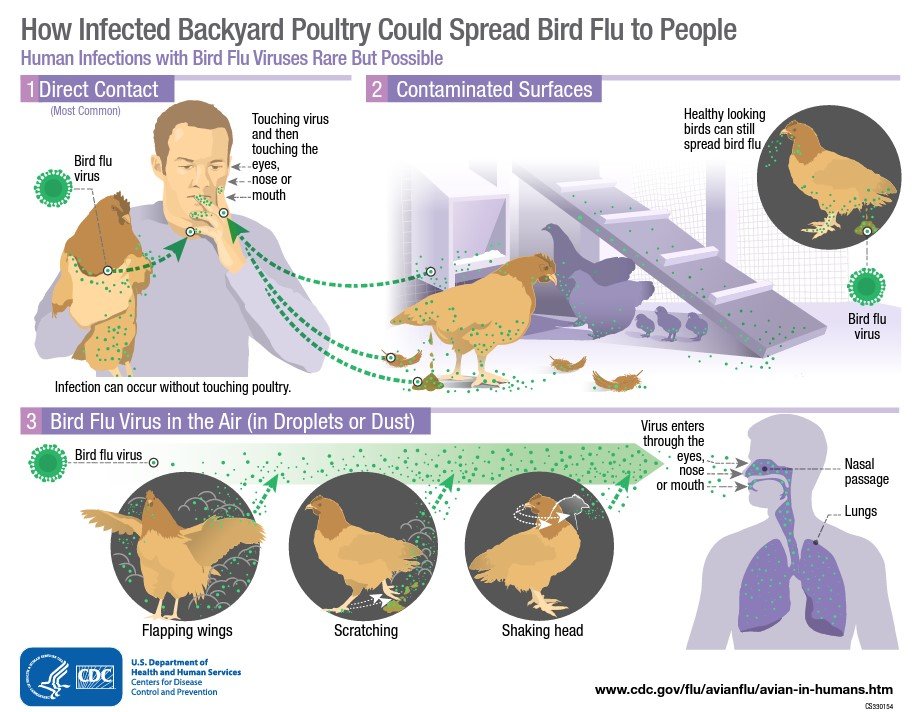
Direct contact with infected birds, particularly poultry, is a significant risk factor for avian flu transmission. This can occur through handling or caring for infected birds, as the virus can be present in their respiratory secretions, feces, or feathers. People involved in poultry farming, such as farmers, farm workers, and veterinarians, are at higher risk due to their close proximity to infected birds.
Exposure to Contaminated Environments
Exposure to contaminated environments, such as live bird markets or areas with a high concentration of infected birds, can also increase the risk of avian flu transmission. The virus can survive in these environments for extended periods, increasing the chances of human exposure. Individuals visiting or working in such environments should take adequate precautions to minimize their risk.
Handling Infected Poultry
Handling infected poultry without appropriate protective measures significantly increases the risk of contracting avian flu. This includes activities like slaughtering, defeathering, or preparing infected birds for consumption. The virus can easily be transmitted through direct contact with infected tissues or fluids, putting those involved in the poultry industry at heightened risk.
Traveling to Affected Regions
Traveling to regions with active avian flu outbreaks poses a risk of exposure to the virus. Some countries, particularly in Asia where avian flu is endemic, have experienced multiple outbreaks over the years. Individuals traveling to such regions, especially if they come into close contact with live birds or consume undercooked poultry, should be aware of the risks and take appropriate precautions.
Occupational Hazards
Certain occupations, such as poultry farmers, farm workers, and those involved in the live poultry trade, carry higher occupational risks of avian flu. These workers often have close contact with infected birds or contaminated environments, increasing their chances of contracting the virus. It is imperative for employers in these sectors to prioritize occupational health and safety measures to protect their workers.
Age and Health Conditions
Young children, older adults, and individuals with underlying health conditions, such as weakened immune systems or chronic respiratory diseases, are at increased risk of severe illness or complications from avian flu. These populations may be more vulnerable to the effects of the virus and should take extra precautions to minimize their exposure.
Precautions to Prevent Avian Flu
To prevent avian flu transmission and reduce the risk of human infection, the following precautions should be taken:
Avian Flu Vaccination
Vaccination of poultry with appropriate avian flu vaccines is an essential control measure to prevent the spread of the virus among bird populations. Vaccinated birds have reduced susceptibility to infection and can help in reducing viral shedding, lowering the overall risk to humans. Efficient and widespread vaccination programs are crucial for avian flu prevention and control.
Proper Hygiene Practices
Practicing good personal hygiene is vital in preventing avian flu. This includes frequent handwashing with soap and water for at least 20 seconds, especially after contact with birds or their environments. Avoid touching your face, mouth, or eyes without washing hands first. Additionally, practicing respiratory hygiene by covering your mouth and nose with a tissue or elbow when coughing or sneezing can help prevent the spread of respiratory droplets.
Personal Protective Equipment (PPE)
Wearing appropriate personal protective equipment (PPE) when handling infected birds or working in high-risk environments is crucial for preventing avian flu transmission. This includes gloves, masks, goggles, and protective clothing. PPE should be properly worn, removed, and disposed of following established protocols to minimize the risk of contamination.
Isolation and Quarantine Measures
In the event of an avian flu outbreak or suspected cases, it is essential to implement isolation and quarantine measures promptly. Infected birds should be isolated from healthy ones to prevent further viral spread. Additionally, quarantining affected farms or regions can help contain the outbreak and minimize the risk of transmission to humans.
Effective Farm Management
Implementing strict biosecurity measures in poultry farms is crucial to prevent avian flu outbreaks and minimize the risk of transmission. This includes controlling access to farms, practicing thorough cleaning and disinfection routines, managing waste disposal properly, and restricting contact between wild birds and poultry. Maintaining good farm management practices reduces the likelihood of introduction and spread of avian flu among bird populations.
Surveillance and Early Detection
Enhanced surveillance systems for avian flu are essential to detect outbreaks early and respond promptly. Regular monitoring of bird populations, particularly in high-risk areas, can provide early warning signs of the virus’s presence. Early detection allows for quick intervention and control measures, minimizing the risk of transmission to humans.
Avoiding High-Risk Areas
Avoiding high-risk areas, such as live bird markets or farms experiencing avian flu outbreaks, is advisable to reduce the risk of exposure. If travel to affected regions is necessary, it is essential to follow local health guidelines, avoid contact with birds, and consume properly cooked poultry products. Adhering to travel advisories and staying informed about the current situation can mitigate the risk.
Public Health Education
Public health education plays a crucial role in preventing avian flu by raising awareness and promoting preventive measures. Educational campaigns should target poultry farmers, farm workers, healthcare professionals, and the general public, emphasizing the importance of good hygiene practices, appropriate PPE use, and early reporting of suspected cases. Increasing knowledge and understanding of avian flu can empower individuals to protect themselves and their communities.
Strict Import Regulations
Implementing strict import regulations is necessary to prevent the introduction of avian flu through contaminated poultry products or live birds. Screening and testing imported birds and poultry products can help identify infected sources and prevent their entry into a country. Collaborating with international partners to ensure the adherence to import regulations is vital for global avian flu control.
International Cooperation
Avian flu recognizes no borders, and international cooperation is crucial for effective prevention and control efforts. Sharing information, best practices, and research findings among countries is essential to combat the global threat of avian flu. Collaborative efforts between veterinary services, public health agencies, and international organizations can help coordinate response strategies, improve surveillance and early warning systems, and accelerate scientific advancements.
Avian Flu Transmission
Transmission from Birds to Humans
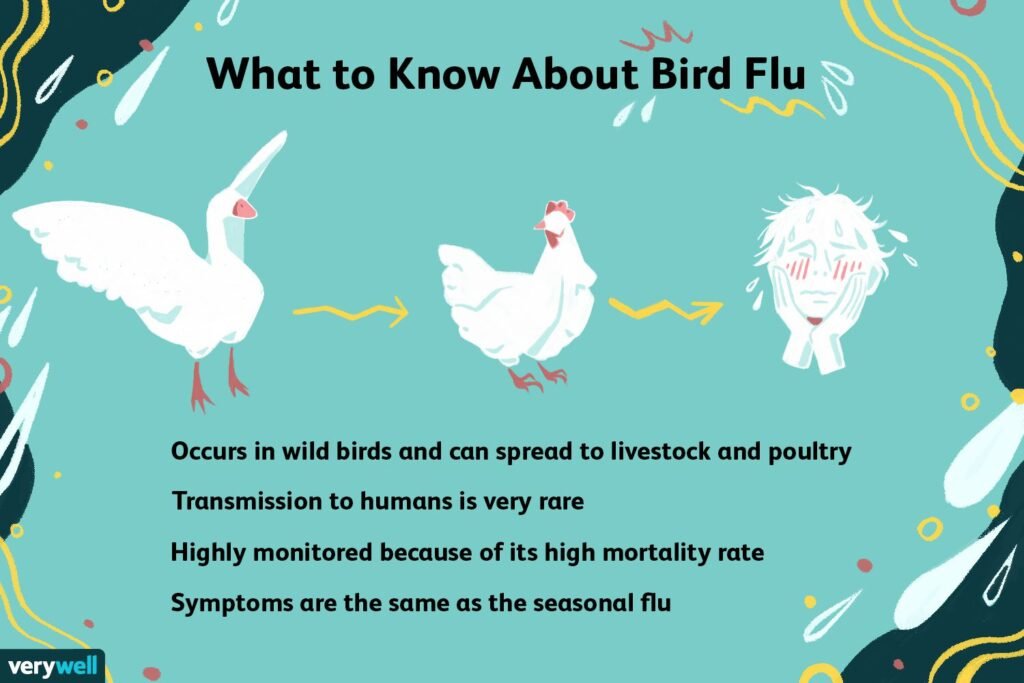
Avian flu primarily spreads from infected birds to humans through direct contact with infected respiratory secretions, feces, or surfaces contaminated with the virus. In certain cases, such as close and prolonged contact with infected birds, the virus can enter the human respiratory system and cause illness. The risk of transmission is higher when handling sick or dead birds, particularly when appropriate protective measures are not followed.
Person-to-Person Transmission
While avian flu is primarily a bird virus, some strains have the potential for limited person-to-person transmission. Close and prolonged contact with an infected person, especially through respiratory droplets generated when they cough or sneeze, can result in human-to-human transmission. However, sustained human-to-human transmission is rare for most avian flu strains and usually occurs only in certain circumstances.

Avian Flu Symptoms
Mild Symptoms
Mild cases of avian flu can present with symptoms similar to those of seasonal influenza, including fever, cough, sore throat, muscle aches, and fatigue. Other symptoms may include headache, nasal congestion, and occasionally diarrhea. These symptoms are often self-limiting, and most individuals recover within a week without any specific treatment.
Severe Symptoms
Severe cases of avian flu typically involve a rapid onset of pneumonia, acute respiratory distress syndrome (ARDS), and multi-organ failure. Symptoms may include high fever, severe cough, difficulty breathing, chest pain, and shortness of breath. Severe cases of avian flu require immediate medical attention, as they can progress rapidly and result in life-threatening complications.
Complications
Complications of avian flu can be severe and potentially fatal. These may include pneumonia, organ failure, sepsis, and neurological complications. Individuals with pre-existing health conditions or weakened immune systems are at higher risk of developing complications from avian flu. Prompt medical intervention and supportive care are essential in managing severe cases and reducing the risk of complications.
Diagnosing Avian Flu
Clinical Evaluation
The clinical evaluation of suspected avian flu cases involves assessing the individual’s symptoms, medical history, and potential exposure to infected birds or environments. Healthcare professionals will conduct a physical examination and may order diagnostic tests to confirm the presence of avian flu.
Laboratory Tests
Laboratory tests play a vital role in diagnosing avian flu. These tests involve collecting respiratory samples, such as nasal or throat swabs, and analyzing them to detect the presence of avian flu viruses. Polymerase Chain Reaction (PCR) tests are commonly used to identify specific viral strains and determine the subtype of the virus.
Specific Diagnostic Tests
In addition to general laboratory tests, there are specific diagnostic tests available to distinguish between different strains of avian flu viruses. These tests, such as the hemagglutination inhibition assay or the neuraminidase inhibition assay, help determine the subtype and assess the potential risk factors associated with the virus.
Avian Flu Treatment and Prevention
Antiviral Medications
Antiviral medications, such as oseltamivir (Tamiflu) or zanamivir (Relenza), are available for the treatment of avian flu in humans. These medications work by inhibiting the replication of the virus and can help reduce the severity and duration of symptoms. Early initiation of antiviral treatment is crucial for optimal outcomes.
Supportive Care
Supportive care is essential for managing avian flu cases, especially those with severe symptoms or complications. This involves ensuring adequate hydration, providing oxygen therapy, and using other supportive measures, such as mechanical ventilation or ECMO (extracorporeal membrane oxygenation), when necessary. Treatment in an intensive care setting may be required for severe cases.
Prevention of Complications
Preventing complications is a critical aspect of avian flu management. This includes early recognition of severe symptoms and timely medical intervention. In high-risk individuals or those with underlying health conditions, close monitoring and appropriate care can help prevent the development of severe complications.
Isolation and Quarantine
Isolation and quarantine measures are crucial in preventing the spread of avian flu. Infected individuals should be isolated from others to minimize the risk of transmission. Additionally, close contacts should be monitored and, if necessary, placed under quarantine to prevent further spread of the virus.
Prophylactic Antiviral Treatment
Prophylactic antiviral treatment may be recommended for individuals who have been in close contact with confirmed cases of avian flu. This preventive measure can help reduce the risk of developing the infection or lessen its severity. Timely administration of antiviral medications, as directed by healthcare professionals, is essential for effective prophylaxis.
Avian Flu and Public Health
Healthcare Preparedness
Healthcare systems should be adequately prepared to respond to avian flu outbreaks. This involves having sufficient healthcare personnel, medical equipment, and essential supplies to manage cases effectively. Adequate training and education of healthcare professionals on avian flu prevention, diagnosis, and treatment are crucial for a prompt and coordinated response.
Monitoring and Surveillance
Monitoring and surveillance systems are essential for detecting and tracking avian flu outbreaks. Close collaboration between veterinary services, public health agencies, and other relevant stakeholders can facilitate real-time data sharing, early detection of avian flu cases, and timely response measures. Timely surveillance helps guide public health interventions and control strategies.
Rapid Response and Containment
Rapid response and containment measures are crucial in minimizing the impact of avian flu outbreaks. This involves prompt identification and isolation of infected individuals, contact tracing, and implementation of control measures such as quarantine and movement restrictions. Timely response can help prevent further viral spread and reduce the risk of human-to-human transmission.
Risk Communication
Effective risk communication is vital in avian flu situations to provide accurate and timely information to the public, healthcare professionals, and relevant stakeholders. Clear and concise messages should be disseminated to raise awareness, promote preventive measures, and address any concerns or misconceptions. Transparent communication fosters trust and encourages cooperation within the community.
Coordination with Veterinary Services
Close coordination and collaboration between public health agencies and veterinary services are fundamental in addressing the dual risks associated with avian flu. The One Health approach, which recognizes the interconnection between human, animal, and environmental health, is crucial in joint surveillance, response planning, and control measures. Integrated efforts can enhance early detection, prevention, and control of avian flu.

Avian Flu Research and Development
Vaccine Development
Vaccine development plays a crucial role in avian flu prevention and control. Efforts are underway to develop vaccines against specific strains of avian flu, particularly those with the potential for human-to-human transmission. Vaccination of high-risk individuals and poultry populations can significantly reduce the risk of avian flu outbreaks and human infections.
Antiviral Drug Research
Continued research on antiviral drugs is essential for effective avian flu management. Developing new antiviral medications or improving existing ones can help expand treatment options, reduce the virus’s resistance to drugs, and improve outcomes for infected individuals. Antiviral drug research also contributes to preparedness in the face of potential outbreaks or pandemics.
Improving Diagnostic Tools
Advancements in diagnostic tools are critical for efficient avian flu detection and surveillance. Research efforts focus on developing more rapid, accurate, and accessible diagnostic tests to identify avian flu strains and assess their potential risk factors. Improved diagnostics enable timely response measures and better monitoring of avian flu activity.
Understanding Virus Mutations
Understanding virus mutations and their implications is essential for avian flu research. Viruses can undergo genetic changes, potentially leading to the emergence of new strains or altered pathogenicity. Research on virus mutations helps identify potential risks, predict their impact on human health, and inform preventive strategies.
One Health Approach
The One Health approach, which recognizes the interconnectedness of human, animal, and environmental health, is central to avian flu research and development. Collaborative efforts between human health professionals, veterinarians, environmental scientists, and other relevant experts maximize the understanding of avian flu dynamics, facilitate the exchange of knowledge, and guide integrated prevention and control strategies.
Conclusion
Avian flu continues to be a significant global concern, with the potential to cause devastating outbreaks in both birds and humans. Understanding the risk factors associated with avian flu, taking necessary precautions, and implementing effective prevention and control measures are essential to mitigate the impact of this infectious disease. Vaccination of birds, practicing good hygiene, appropriate use of personal protective equipment, and early detection of cases are critical components of comprehensive avian flu prevention strategies. Close collaboration between public health agencies, veterinary services, research institutions, and international partners is vital in addressing the challenges posed by avian flu and safeguarding public health. By remaining vigilant, informed, and proactive, we can minimize the risks and ensure a safer future for both humans and birds.