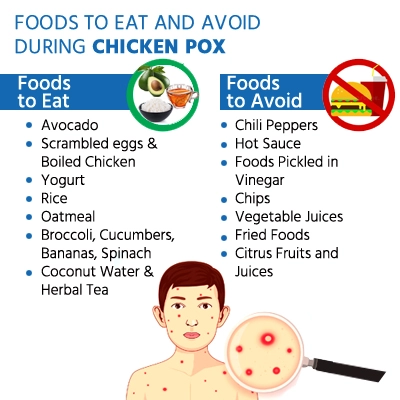
Chicken pox, a highly contagious viral infection, is a common childhood illness that can also affect adults. This article provides valuable information on the risk factors associated with chicken pox and the necessary precautions to take. By understanding the factors that increase the likelihood of contracting the virus and implementing preventive measures, you can protect yourself and your loved ones from this pesky ailment. So, let’s explore the various risk factors and precautions for chicken pox together!

Risk factors for Chicken Pox
Age
Chicken pox is commonly seen in young children, particularly between the ages of 5 and 9. This is because their immune systems are not fully developed, making them more susceptible to the virus. However, it is important to note that chicken pox can affect individuals of any age.
Immunocompromised individuals
People with weakened immune systems, such as those with HIV/AIDS or undergoing chemotherapy, have a higher risk of developing severe complications from chicken pox. Their bodies may not be able to fight off the virus effectively, leading to a more severe and prolonged illness.
Pregnancy
Pregnant women who have never had chicken pox or received the vaccine are at high risk of developing complications. Chicken pox during pregnancy can increase the risk of birth defects, especially if the infection occurs during the first trimester. It is crucial for pregnant women to avoid exposure to the virus and take necessary precautions.
Exposure to infected individuals
Close contact with someone who has chicken pox significantly increases the risk of contracting the virus. The varicella-zoster virus, which causes chicken pox, is highly contagious and spreads easily through airborne droplets from infected individuals. This is why it is important to take precautions to minimize exposure, especially in crowded environments.
Crowded living conditions
Living in close quarters, such as in crowded homes or dormitories, increases the risk of spreading the virus. People residing in these crowded conditions are more likely to come into contact with infected individuals and increase the chances of transmission. Maintaining good hygiene practices and implementing effective preventive measures are particularly important in such environments.
Contact with chicken pox blisters
Direct contact with the fluid from chicken pox blisters can lead to infection. The fluid contains a high concentration of the varicella-zoster virus, making it highly contagious. It is important to avoid touching or scratching the blisters and to wash hands thoroughly after any contact with infected individuals or materials.
Recent history of fever or illness
Having a recent history of fever or illness can weaken the immune system, making individuals more susceptible to chicken pox. When the body is already fighting off another infection, it may be less able to defend against the varicella-zoster virus. It is important to take extra precautions during periods of illness or when the immune system is compromised.
Lack of immunization
Individuals who have not been vaccinated against chicken pox are at a higher risk of contracting the virus. Vaccination is a safe and effective way to protect against chicken pox and its complications. It is recommended to follow the recommended immunization schedule, which includes two doses of the vaccine for optimal protection.
Travel to high-risk areas
Traveling to areas where chicken pox is more prevalent increases the risk of exposure to the virus. This is especially true in regions with limited access to healthcare and low vaccination rates. It is important to take necessary precautions, such as practicing good hygiene, avoiding close contact with infected individuals, and considering vaccination before traveling to high-risk areas.
Untreated or severe eczema
Individuals with untreated or severe eczema have a weakened skin barrier, which can make it easier for the varicella-zoster virus to enter the body. The virus can cause a more severe and extensive rash in these individuals. It is crucial for those with eczema to work closely with their healthcare providers to manage their condition effectively and reduce the risk of complications.
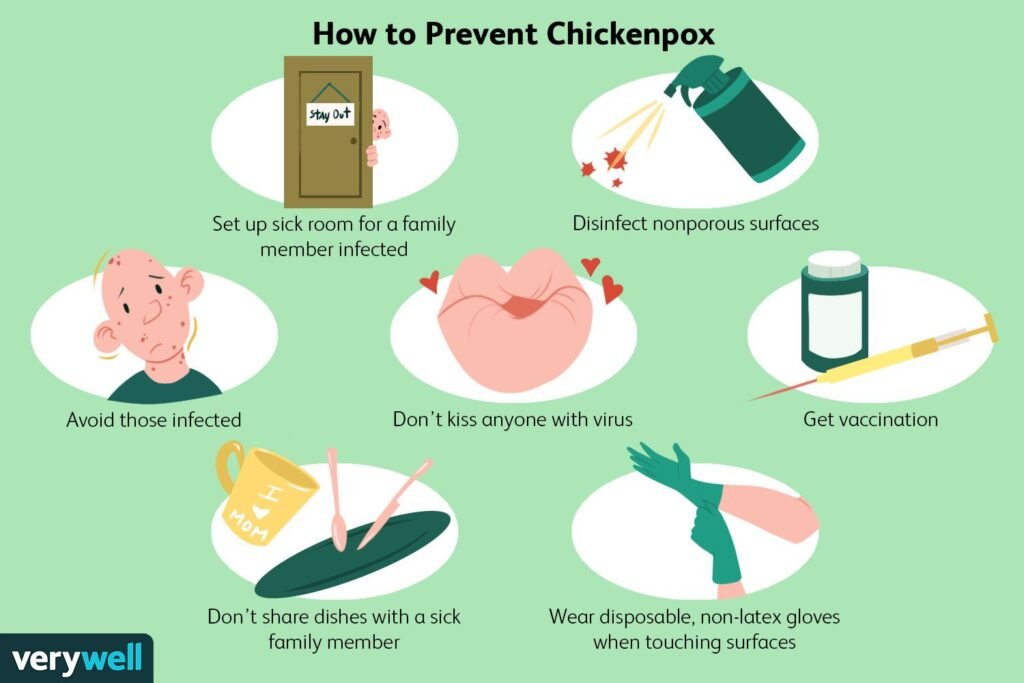
Precautions to prevent Chicken Pox
Vaccination
Vaccination is the most effective way to prevent chicken pox. The varicella vaccine is recommended for all children and adults who have not had chicken pox. It is given in two doses, usually starting at 12-15 months of age, with the second dose administered at 4-6 years of age. Vaccination not only reduces the risk of getting chicken pox but also lessens the severity of the illness if infection does occur.
Avoiding close contact with infected individuals
To minimize the risk of contracting chicken pox, it is important to avoid close contact with individuals who are infected. This includes staying away from school or work if someone in the vicinity has chicken pox. Maintaining a safe distance and avoiding direct contact with infected individuals can significantly reduce the chances of transmission.
Maintaining good personal hygiene
Practicing good personal hygiene is essential in preventing the spread of chicken pox. Regularly washing hands with soap and water for at least 20 seconds is crucial, especially after being in public spaces, using the restroom, or coming into contact with potentially contaminated surfaces. Good hygiene practices help remove any potential sources of viral transmission.
Isolation of infected individuals
Individuals who have chicken pox should isolate themselves until all the blisters have dried and scabbed over. This helps prevent the spread of the virus to others. It is important to stay home from work, school, or public gatherings until the contagious period has passed, typically around 5-7 days after the onset of the rash.
Covering mouth and nose when coughing or sneezing
Chicken pox is primarily transmitted through respiratory droplets. It is important to cover the mouth and nose with a tissue or the elbow when coughing or sneezing to prevent the spread of these droplets. Proper hygiene etiquette, such as disposing of used tissues and washing hands afterward, helps reduce the risk of transmitting the virus to others.
Avoiding scratching the blisters
Although the rash and blisters associated with chicken pox can be itchy, it is important to avoid scratching them. Scratching can lead to secondary bacterial infections and scarring. Trimmed fingernails and distractions, such as engaging in activities or using cool compresses, can help alleviate the itchiness and reduce the temptation to scratch.
Using antiviral medications
In certain situations, antiviral medications may be prescribed to individuals at high risk of developing severe complications from chicken pox. These medications can help reduce the duration of the illness and lessen the severity of symptoms. It is important to consult a healthcare professional to determine if antiviral treatment is necessary.
Avoiding pregnancy during active infection
Pregnant women should avoid becoming pregnant during an active chicken pox infection. The virus can cause serious complications for both the mother and the unborn baby. It is important to adopt appropriate preventive measures to minimize the risk of exposure during pregnancy and seek medical advice if chicken pox is suspected.
Quarantine measures in high-risk areas
In areas where chicken pox is prevalent or during outbreaks, implementing quarantine measures can help contain the spread of the virus. This may involve restricting the movement of infected individuals and implementing stringent preventive measures in high-risk environments, such as schools or healthcare facilities. These measures aim to minimize exposure and prevent further transmission.
Maintaining a healthy immune system
A strong immune system is crucial in fighting off infections, including chicken pox. Maintaining a healthy lifestyle, which includes regular exercise, a balanced diet, adequate rest, and stress management, can help support and boost the immune system. It is important to prioritize self-care and overall well-being to enhance the body’s natural defense mechanisms against infections.
In conclusion, being aware of the risk factors for chicken pox and taking necessary precautions can significantly reduce the chances of contracting and spreading the virus. Vaccination, avoiding close contact with infected individuals, practicing good personal hygiene, and maintaining a healthy immune system are key preventive measures. By implementing these precautions, individuals can protect themselves and their communities from the impact of chicken pox.