
Are you concerned about your child’s bow legs and want to understand the risk factors and precautions associated with this condition? Look no further! In this article, we will explore the causes and contributing factors of bow legs, as well as highlight important precautions that can help manage and prevent any potential complications. So, sit back and relax as we shed light on this common orthopedic issue and provide you with valuable insights, all aimed at keeping you well-informed and your child’s legs healthy and strong.
What Are Bow Legs?
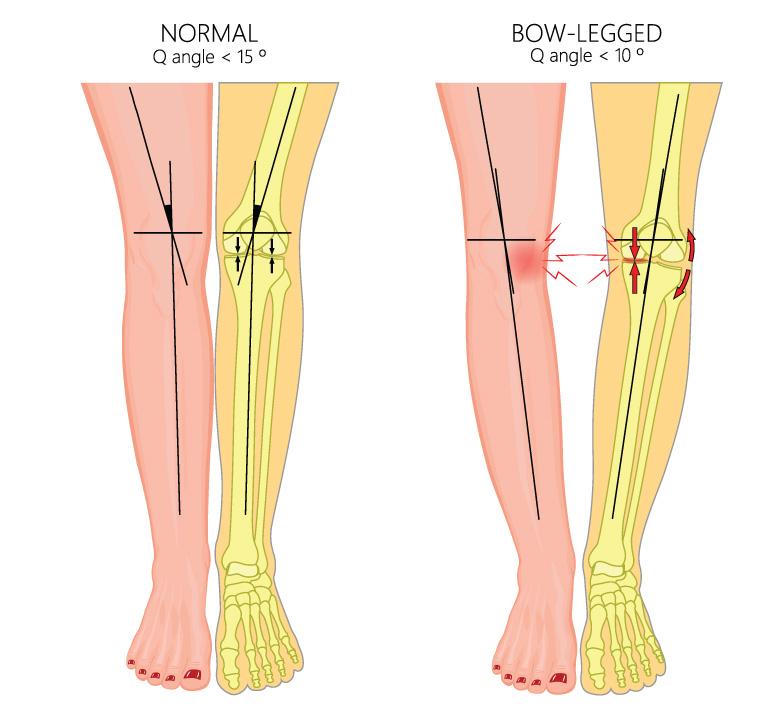
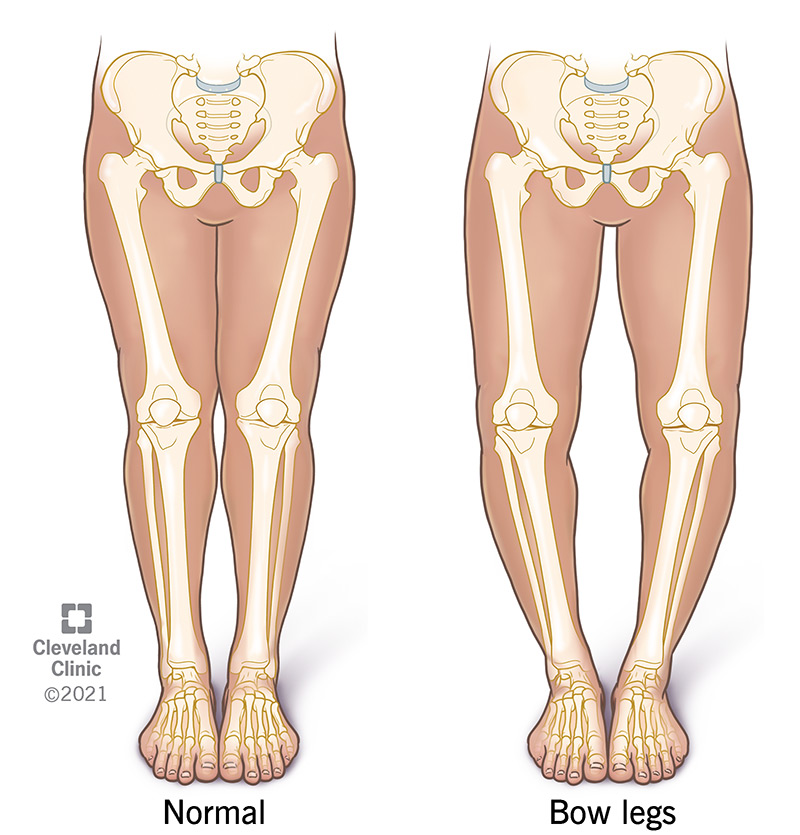
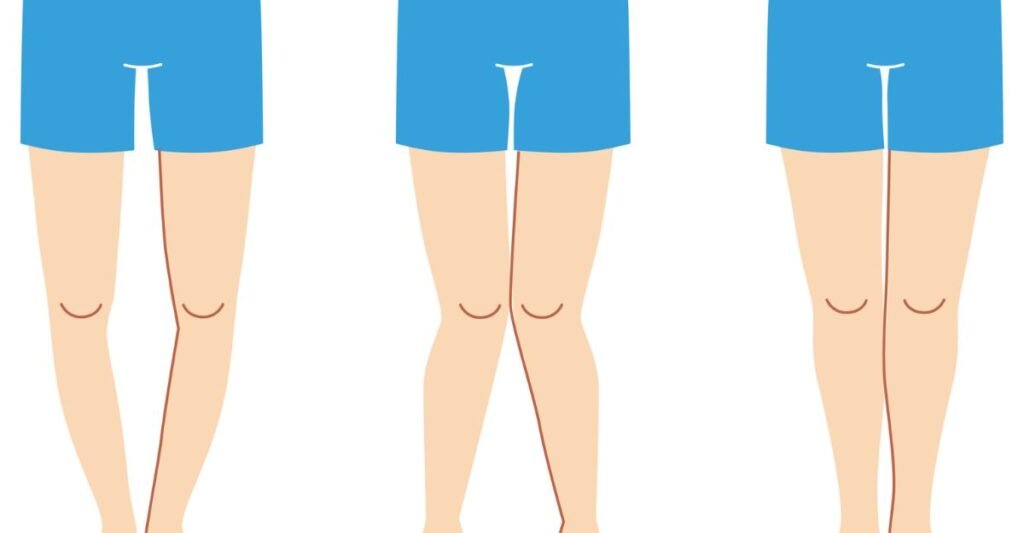
Bow legs, also known as genu varum, is a condition where the legs have a distinct outward curve, causing the knees to be further apart when standing with the feet together. This results in a noticeable gap between the ankles and knees. Although it is common for infants and toddlers to have bow legs as part of normal growth and development, in some cases, the condition persists or worsens into adulthood.
Definition of bow legs
Bow legs refer to a physical deformity characterized by an outward curve of the legs, causing the knees to be apart while the feet are together, creating a distinct bow-like appearance. This condition can affect one or both legs and may vary in severity among individuals.
Causes of bow legs
Several factors can contribute to the development of bow legs:
-
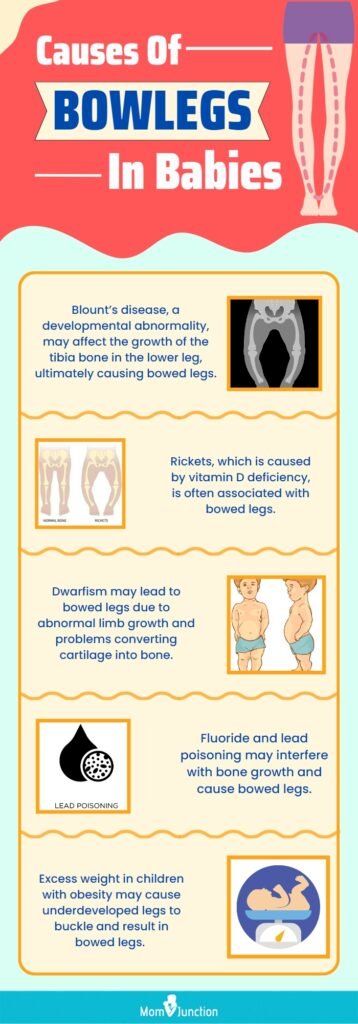
Genetics: Bow legs can be inherited, meaning that if a family member has the condition, you may be more likely to develop it as well.
-
Nutritional deficiencies: Inadequate intake of certain nutrients, such as vitamin D and calcium, during crucial periods of growth can contribute to the development of bow legs.
-
Medical conditions: Some medical conditions, like Blount’s disease, rickets, or bone dysplasia, can cause the legs to bow.
-
Obesity: Excessive weight can put added pressure on the legs and lead to bow legs.
-
Joint injuries: Trauma or repetitive stress injuries to the legs and knees can disrupt normal bone growth and contribute to the development of bow legs.
Symptoms of bow legs
The symptoms of bow legs can vary depending on the severity of the condition. Common signs and symptoms include:
-
Outward curving of the legs, creating a noticeable gap between the knees and feet when standing with the feet together.
-
Difficulty walking or a waddling gait.
-
Increased stress on the ankles and feet, leading to potential pain and discomfort.
-
Limited range of motion in the hips, knees, and ankles.
-
Tenderness or swelling around the knees.
Risk Factors for Bow Legs
While bow legs can occur in anyone, certain risk factors may increase the likelihood of developing this condition.
Genetics
If you have a family history of bow legs or any other leg deformities, you may be at a higher risk of developing the condition.
Nutritional deficiencies
Inadequate intake of key nutrients, such as vitamin D and calcium, during critical periods of skeletal development, can contribute to the development of bow legs.
Medical conditions
Certain medical conditions, such as Blount’s disease, rickets, or bone dysplasia, can increase the risk of developing bow legs.
Obesity
Excessive weight places increased pressure on the legs, potentially causing them to bow. Maintaining a healthy weight can help reduce the risk of developing bow legs.
Joint injuries
Trauma or repetitive stress injuries to the legs and knees can disrupt normal bone growth, leading to bow legs. It is crucial to take precautions and avoid activities that can put excessive stress on the joints.
Precautions to Prevent Bow Legs
While not all cases of bow legs are preventable, there are precautions you can take to reduce the risk of developing this condition.
Maintaining a healthy weight
Obesity can put additional stress on the legs and increase the likelihood of developing bow legs. By maintaining a healthy weight through regular exercise and a balanced diet, you can reduce the strain on your leg joints.
Eating a balanced diet
Proper nutrition is essential for healthy bone development. Ensure you consume a balanced diet that includes sufficient amounts of calcium, vitamin D, and other essential nutrients.
Taking vitamin and mineral supplements
If you have a history of nutritional deficiencies or if your diet does not provide adequate amounts of essential nutrients, consult with a healthcare professional about the need for supplements.
Regular exercise
Regular physical activity helps strengthen the muscles surrounding the legs and keeps the joints flexible. Engaging in weight-bearing exercises, such as walking, running, or strength training, can help maintain leg strength and alignment.
Avoiding excessive stress on the joints
To prevent joint injuries and potential complications, it is important to avoid activities that place excessive stress on the leg joints. This includes high-impact sports or repetitive motions that strain the legs and knees.
Early Detection and Diagnosis
Early detection and diagnosis of bow legs are crucial for effective management and treatment. Several methods are used to diagnose this condition.
Observation and physical examination
A healthcare professional will visually assess the alignment and curvature of your legs while standing, walking, and sitting. They will also evaluate your gait and range of motion to determine the severity of the condition.
Imaging tests
X-rays or imaging tests may be recommended to obtain a detailed view of the bones and joints. These images can help confirm the diagnosis and assess the extent of the leg deformity.
Consulting with a healthcare professional
If you suspect or notice any signs of bow legs, it is important to consult with a healthcare professional, such as an orthopedic surgeon or pediatrician. They can evaluate your condition, provide a proper diagnosis, and recommend the most appropriate treatment options.
Treatment Options for Bow Legs
The treatment options for bow legs depend on the severity of the condition and the individual’s age. Mild cases may not require intervention, while more severe cases may necessitate medical intervention.
Bracing
In some cases, especially for infants or young children, using specialized braces or splints can help promote proper alignment of the legs. These braces are typically worn for a designated period of time to guide the growth and development of the bones.
Physical therapy
Physical therapy can be beneficial for individuals with bow legs. It focuses on strengthening the muscles, improving range of motion, and correcting gait abnormalities. Specific exercises and stretches may be prescribed to target the muscles surrounding the legs and promote proper alignment.
Surgery
In severe cases where other treatments are ineffective, surgery may be recommended. Surgical procedures vary depending on the age and condition of the individual and may involve correcting bone deformities, realignment of the joints, or leg lengthening procedures.
Complications Associated with Bow Legs
If left untreated, bow legs can lead to various complications and impact daily life and overall well-being.
Delayed motor development
The abnormal leg alignment associated with bow legs can affect a child’s ability to walk and perform other motor skills properly. Early intervention and appropriate treatment can help minimize the impact on motor development.
Joint pain and stiffness
As bow legs can place additional stress on the joints, it may lead to chronic joint pain and stiffness. This discomfort can impact mobility and quality of life.
Gait abnormalities
The outward curvature of the legs can result in a waddling gait, making walking and running less efficient and potentially causing long-term gait abnormalities.
Psychological impact
Bow legs may lead to self-consciousness, especially during childhood and adolescence. The aesthetic concerns associated with the condition can contribute to low self-esteem and body image issues. Providing emotional support and addressing psychological concerns is an important aspect of managing bow legs.
Tips for Managing Bow Legs
While treatment options may vary, there are several strategies individuals with bow legs can incorporate into their daily lives to manage the condition effectively.
Exercise and stretching
Regular exercise, including targeted stretching and strengthening exercises, can help improve leg alignment and reduce associated muscle imbalances. Consult with a physical therapist or healthcare professional to determine the most appropriate exercises for your specific condition.
Wearing supportive footwear
Investing in properly fitted, supportive footwear can help provide stability, cushioning, and proper alignment for your feet and legs. This can alleviate some of the strain and discomfort associated with bow legs.
Using assistive devices
Depending on the severity of the condition, assistive devices such as orthotics or braces may be recommended to support leg alignment and provide stability during daily activities.
Regular follow-up with healthcare providers
Maintaining regular check-ups with your healthcare providers, including orthopedic surgeons, physical therapists, and orthotists, can help monitor the progression of your condition, address any concerns or complications, and adjust treatment plans accordingly.
When to Seek Medical Help
While mild cases of bow legs during childhood may resolve naturally, it is important to seek medical help if you experience the following:
Persistent pain or discomfort
If you experience persistent pain or discomfort in your knees, legs, or joints, it may be a sign of an underlying issue that requires medical attention.
Difficulty walking or performing daily activities
If bow legs significantly impact your ability to walk, run, or perform everyday activities, it is essential to consult with a healthcare professional for proper evaluation and treatment.
Frequent falls or balance issues
The improper alignment of the legs caused by bow legs can increase the risk of falls and balance issues. If you experience frequent falls or balance-related problems, it is advisable to seek medical help to address the underlying cause.

Importance of Consultation with Specialists
Consulting with specialists in the field of orthopedics, physical therapy, and orthotics is crucial for effectively managing and treating bow legs.
Orthopedic surgeon
An orthopedic surgeon specializes in the diagnosis, treatment, and management of musculoskeletal conditions. They can guide you through the treatment options, including bracing or surgical interventions, and provide expert advice based on the severity of your condition.
Physical therapist
A physical therapist can develop and implement customized exercise programs to strengthen the muscles surrounding the legs, improve range of motion, correct gait abnormalities, and minimize pain or discomfort associated with bow legs.
Orthotist
An orthotist specializes in designing and fitting orthotic devices, such as braces or splints, to assist in maintaining leg alignment, provide support, and promote optimal functionality.
Conclusion
Bow legs can affect people of all ages and can vary in severity. While not all cases of bow legs can be prevented, it is important to be aware of the risk factors and take precautions to reduce the likelihood of developing this condition. Regular communication with healthcare professionals, early detection, and appropriate treatment options can help manage and mitigate the potential complications of bow legs. By following the recommended precautions and seeking timely medical help, individuals with bow legs can lead active and fulfilling lives while effectively managing their condition.