
Are you prepared to fend off the cold and flu this season? In this article, discover the common risk factors that make us susceptible to these viruses, as well as practical precautions you can take to minimize your chances of getting sick. From simple hygiene practices to boosting your immune system, arm yourself with the knowledge and techniques to keep the cold and flu at bay. Stay healthy and enjoy a sniffle-free winter!

What is a Cold and Flu?
Definition of cold
A cold is a common viral infection that affects the nose and throat. It is usually characterized by symptoms such as a runny or stuffy nose, sneezing, sore throat, coughing, mild headache, and sometimes low-grade fever. Colds are typically milder than the flu and tend to resolve on their own within a week or two.
Definition of flu
Influenza, commonly known as the flu, is a contagious respiratory illness caused by influenza viruses. It can cause mild to severe symptoms and can sometimes lead to more serious complications. Flu symptoms include fever, cough, sore throat, muscle aches, fatigue, and headaches. Unlike a cold, the flu can last for several weeks and may require medical attention.
Risk Factors
Age
Age plays a significant role in the risk of contracting cold and flu. Young children, especially those in daycare or school, are more likely to catch colds and develop the flu due to their still-developing immune systems and increased exposure to viruses. Similarly, older adults, particularly those over the age of 65, are at higher risk of developing severe complications from the flu.
Weakened immune system
Individuals with weakened immune systems, such as those with chronic illnesses like HIV/AIDS, cancer, or autoimmune disorders, are more susceptible to cold and flu viruses. Their bodies may not be able to fight off infections as effectively, making them more vulnerable to complications from these illnesses.
Environmental Factors
Certain environmental factors can increase the risk of cold and flu transmission. Cold weather, for example, is associated with higher rates of respiratory infections. Spending time indoors, particularly in close quarters with others, can also contribute to the spread of viruses. Low humidity levels in indoor environments can further enhance the survival and transmission of these viruses.
Crowded Places
Crowded places, such as public transportation, shopping centers, schools, and offices, provide ideal conditions for the transmission of cold and flu viruses. The close proximity of individuals in these settings facilitates the spread of respiratory droplets, increasing the risk of infection. People who frequently visit or work in crowded places are more likely to come into contact with infected individuals.
Contact with infected individuals
Direct contact with individuals who are already infected with a cold or flu virus significantly increases the risk of transmission. Exposure may occur through physical contact, such as shaking hands, hugging, or kissing, or by touching surfaces contaminated with respiratory droplets and then touching the face, mouth, or nose.

Precautions
Hand hygiene
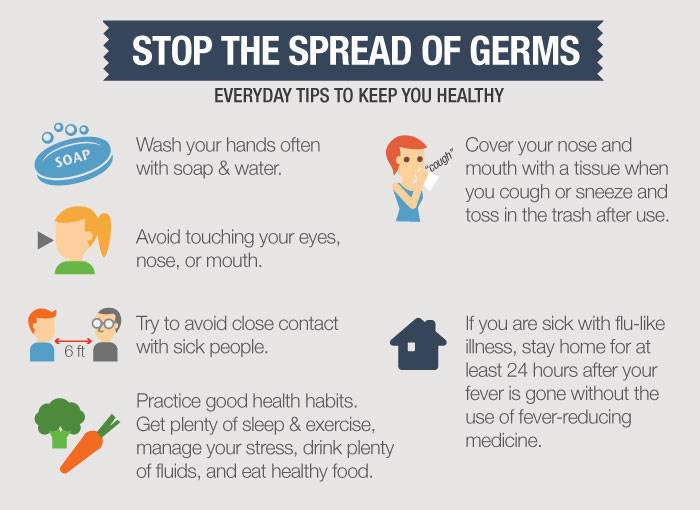
One of the most effective ways to prevent the spread of cold and flu viruses is by practicing good hand hygiene. Wash your hands frequently with soap and water for at least 20 seconds, especially after coughing, sneezing, or using the restroom. If soap and water are not available, use an alcohol-based hand sanitizer.
Vaccination
Getting vaccinated against the flu is highly recommended as it can significantly reduce your chances of getting infected and developing severe complications. The flu vaccine is updated annually to cover the strains of influenza viruses expected to be circulating during the flu season. It is particularly important for high-risk individuals, such as the elderly, young children, pregnant women, and individuals with chronic conditions.
Avoiding close contact
When possible, it’s best to avoid close contact with individuals who have a cold or flu. If you know someone is sick, try to keep a safe distance to minimize the risk of transmission. This includes avoiding crowded places, especially during peak flu seasons.
Covering mouth and nose
When coughing or sneezing, make sure to cover your mouth and nose with a tissue or the inside of your elbow. This helps prevent respiratory droplets from spreading in the air and contaminating surfaces. If using a tissue, dispose of it properly after use and wash your hands immediately.
Cleaning surfaces
Regularly clean and disinfect frequently-touched surfaces, such as doorknobs, light switches, countertops, and electronic devices. Cold and flu viruses can survive on surfaces for several hours, so maintaining a clean environment can help reduce the risk of transmission.
Staying home when sick
If you are experiencing cold or flu symptoms, it is important to stay home and avoid contact with others. This helps prevent the spread of the virus to your coworkers, friends, or family members. Resting and allowing your body to recover can also expedite your healing process.
Complications
Pneumonia
Pneumonia is a potentially serious complication that can arise from a cold or flu infection. It occurs when the infection spreads to the lungs, causing inflammation and fluid buildup. Pneumonia can cause symptoms such as cough with phlegm, chest pain, shortness of breath, and high fever. It is particularly dangerous for older adults, young children, and individuals with chronic medical conditions.
Sinus and ear infections
Cold and flu viruses can also lead to secondary bacterial infections in the sinuses and ears. Sinus infections (sinusitis) can cause facial pain, pressure, nasal congestion, and thick nasal discharge. Ear infections (otitis media) can result in ear pain, fluid buildup, and temporary hearing loss, especially in children.
Asthma exacerbation
Individuals with asthma may experience worsening of their symptoms during a cold or flu infection. The inflammation caused by these viral infections can trigger asthma attacks, leading to increased wheezing, coughing, shortness of breath, and chest tightness.
Treatment
Over-the-counter medications
Over-the-counter medications can help alleviate cold and flu symptoms, such as fever, congestion, cough, and sore throat. Common options include pain relievers (e.g., acetaminophen or ibuprofen), decongestants, expectorants, cough suppressants, and throat lozenges. It is essential to follow the recommended dosage and consult a healthcare professional, especially when taking multiple medications or if you have underlying medical conditions.
Prescription antiviral drugs
For individuals with severe or high-risk flu infections, prescription antiviral drugs may be prescribed by a healthcare professional. These medications can help reduce the intensity and duration of flu symptoms, as well as lower the risk of complications. Antiviral treatment is most effective when started within the first 48 hours of symptom onset.
Rest and hydration
Resting and staying hydrated are crucial aspects of recovering from a cold or flu. Getting plenty of sleep allows your body to focus on fighting off the infection, while staying hydrated helps to loosen mucus, soothe sore throat, and prevent dehydration, especially if experiencing fever or sweating.
Home remedies
Certain home remedies can provide relief from cold and flu symptoms. Gargling with warm saltwater can help soothe a sore throat, while steam inhalation can relieve nasal congestion. Honey and lemon tea can help ease coughing and sore throat, and humidifiers or vaporizers can increase moisture in the air, providing relief to dry nasal passages.
Risk Factors for Severe Infections
Chronic medical conditions
Individuals with chronic medical conditions, such as heart disease, diabetes, lung disease, or weakened immune systems, are at a higher risk of developing severe complications from cold and flu infections. These conditions can affect the body’s ability to fight off infections and increase the likelihood of experiencing severe symptoms or complications.
Pregnancy
Pregnant women experience changes in their immune system that can make them more susceptible to infections, including cold and flu. In addition to the potential risks to the mother’s health, certain viral infections like flu can also pose risks to the developing fetus. Pregnant women should take extra precautions to protect themselves from these illnesses.
Young children
Young children, especially those under the age of five, are more vulnerable to cold and flu infections due to their immature immune systems. They may also struggle to communicate their symptoms effectively, making it crucial for caregivers to be vigilant and take necessary precautions to prevent transmission.
Older adults
Older adults, particularly those over the age of 65, are more likely to experience severe complications from cold and flu infections. As the immune system weakens with age, their bodies may have a harder time fighting off these viruses. It is essential for older adults to receive the flu vaccine and take extra precautions to avoid exposure.

Precautions for Specific Groups
Caring for young children
When caring for young children, it is important to practice good hygiene and take preventive measures to minimize the risk of cold and flu transmission. This includes regular handwashing, keeping children away from sick individuals, and maintaining a clean environment by disinfecting frequently-touched surfaces and toys. Vaccinating eligible children against the flu is also highly recommended.
Caring for older adults
When caring for older adults, it is crucial to support their overall health and well-being to minimize the risk of cold and flu infections. This includes ensuring they receive their annual flu vaccine, practicing good hand hygiene, and avoiding close contact with individuals who are sick. Encouraging older adults to stay active, eat a nutritious diet, and get enough rest can also help boost their immune system.
Caring for pregnant women
Caring for pregnant women involves taking extra precautions to protect both the mother and the developing fetus from cold and flu infections. Pregnant women should receive the flu vaccine, practice good hand hygiene, and avoid contact with sick individuals. If experiencing symptoms or feeling unwell, it is important for pregnant women to consult their healthcare provider promptly.
Caring for individuals with chronic conditions
When caring for individuals with chronic medical conditions, it is essential to take extra precautions to prevent the spread of cold and flu viruses. This includes practicing good hand hygiene, avoiding close contact when sick, and following recommended infection control guidelines. Regular communication with their healthcare provider is also important to manage their underlying condition effectively and prevent complications.
Preventing Cold and Flu Spread at Work
Promoting vaccination
Employers can play a significant role in preventing the spread of cold and flu at work by promoting vaccination. Offering on-site flu vaccination clinics or providing information about nearby vaccination centers can encourage employees to get vaccinated. Education campaigns highlighting the importance of immunization can also help increase vaccine uptake.
Encouraging sick employees to stay home
Encouraging sick employees to stay home when they are unwell is crucial to prevent the spread of cold and flu viruses in the workplace. Employers should have policies in place that support and encourage employees to take time off when they are sick. This includes providing paid sick leave, flexible work arrangements, and clear communication about the importance of staying home when contagious.
Providing hand hygiene resources
Employers should provide adequate hand hygiene resources throughout the workplace to promote a hygienic environment. This includes placing hand sanitizers in common areas, such as entrances, meeting rooms, and break rooms, as well as ensuring access to soap, water, and hand drying facilities in restrooms. Regular reminders and educational materials on proper handwashing techniques can also be helpful.
Regularly cleaning shared spaces
Regular cleaning and disinfection of shared spaces, such as restrooms, kitchens, desks, and equipment, can help prevent the spread of cold and flu viruses. Employers should ensure that cleaning protocols are in place and that designated personnel are responsible for cleaning and disinfecting high-touch surfaces regularly. Providing disinfectant wipes or sprays for employees to clean their workstations can also be beneficial.

Understanding the Difference Between Cold and Flu
Symptoms of a cold
Common symptoms of a cold include a runny or stuffy nose, sneezing, sore throat, coughing, mild headache, and occasionally low-grade fever. These symptoms usually develop gradually over a few days and typically resolve within a week or two. Colds are generally milder than the flu and do not usually cause severe complications.
Symptoms of flu
Flu symptoms are often more severe compared to a cold. They can include a sudden onset of high fever, cough, sore throat, muscle aches, headaches, fatigue, and sometimes gastrointestinal symptoms like nausea and vomiting. The flu can make you feel extremely weak and tired, and symptoms can last for several weeks. Severe cases of the flu can lead to complications and even be life-threatening, especially for vulnerable populations.
Conclusion
Key takeaways
Understanding the risk factors and taking necessary precautions can help prevent the spread of cold and flu viruses. Key takeaways include practicing good hand hygiene, getting vaccinated, avoiding close contact with sick individuals, covering your mouth and nose when coughing or sneezing, cleaning surfaces regularly, and staying home when you are sick.
Importance of following precautions
Following these precautions is not only important for your own well-being but also for the well-being of those around you, especially high-risk individuals. By taking preventive measures, you can minimize the risk of transmission, reduce the severity of symptoms, and prevent complications associated with cold and flu infections. Stay informed and be proactive in protecting yourself and others from these common respiratory illnesses.