
Are you tired of constantly dealing with an itchy scalp and embarrassing flakes? Look no further! In this article, we will explore the risk factors associated with dandruff and provide you with some easy-to-follow precautions that will help you keep those pesky white flakes at bay. So sit back, relax, and let’s dive into the world of dandruff prevention!

Risk Factors for Dandruff
Dandruff is a common scalp condition that causes white flakes of dead skin to appear on the scalp and in the hair. While dandruff is not a serious medical condition, it can be embarrassing and uncomfortable. There are several risk factors that can increase the likelihood of developing dandruff, including scalp conditions, age, gender, stress, seasonal changes, poor hygiene, and certain medical conditions. By understanding these risk factors, you can take precautions to prevent or manage dandruff effectively.
Scalp Conditions
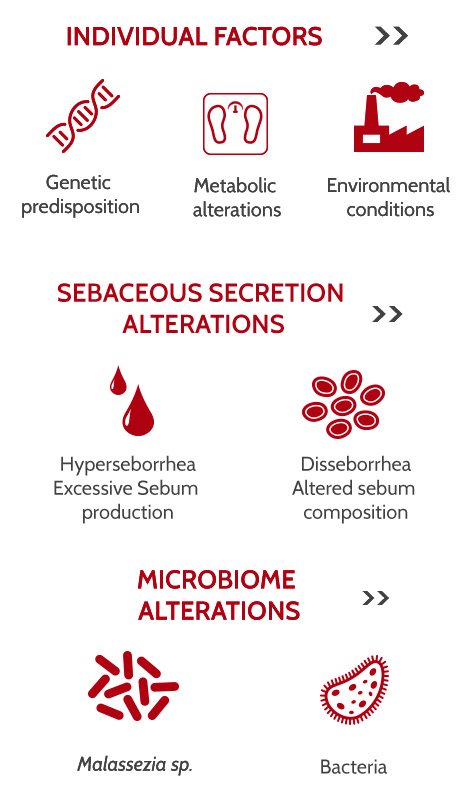
Certain scalp conditions can contribute to the development of dandruff. These conditions include seborrheic dermatitis, psoriasis, eczema, and an overgrowth of the Malassezia fungus. Seborrheic dermatitis is a common condition characterized by red, itchy, and flaky skin. Psoriasis is another chronic skin condition that can lead to a buildup of thick, scaly patches on the scalp. Eczema, also known as atopic dermatitis, can cause inflammation and itching of the scalp. Lastly, an overgrowth of the Malassezia fungus, which is a naturally occurring yeast on the scalp, can result in dandruff.

Age
Age is another factor that can influence the likelihood of developing dandruff. Infants can develop a form of dandruff known as “cradle cap,” which typically resolves on its own within a few months. Adolescents are also prone to dandruff due to hormonal fluctuations during puberty. In adulthood, the risk of dandruff may decrease, but it can still occur.
Gender
Gender can also play a role in dandruff development. Studies have shown that men are more likely to experience dandruff compared to women. The exact reasons for this gender difference are not fully understood, but it may be attributed to hormonal and genetic factors. However, women can still develop dandruff, especially during certain life stages such as pregnancy and menopause.
Stress
Stress is known to affect various aspects of our health, and dandruff is no exception. Both physical and emotional stress can contribute to the development or worsening of dandruff. When you are under stress, your body releases certain hormones that can disrupt the natural balance of the scalp, leading to increased oil production and flaking. Therefore, finding healthy ways to manage stress, such as exercise, relaxation techniques, and seeking support from friends and family, can help minimize the risk of dandruff.
Seasonal Changes
Seasonal changes can have an impact on dandruff occurrence. In winter, the cold weather and indoor heating can dry out the scalp, leading to increased flaking. On the other hand, in the summer, excessive sweating can create a favorable environment for the Malassezia fungus to thrive, resulting in dandruff. It is important to pay attention to the changing seasons and adjust your hair care routine accordingly to prevent or manage dandruff effectively.
Poor Hygiene
Maintaining good scalp hygiene is crucial in preventing dandruff. Poor hygiene practices, such as infrequent washing, inadequate shampooing, and excessive use of hair products, can contribute to the buildup of oil, dead skin cells, and product residue on the scalp. This buildup creates an ideal environment for the Malassezia fungus to grow, leading to dandruff. Therefore, it is important to wash your hair regularly, use a gentle shampoo suitable for your scalp type, and avoid overusing hair products.
Medical Conditions
Certain underlying medical conditions can also increase the risk of developing dandruff. For example, individuals with HIV/AIDS, Parkinson’s disease, and autoimmune diseases may be more prone to dandruff. These conditions can weaken the immune system, disrupt the balance of the scalp, or cause inflammation, making the scalp more susceptible to dandruff. If you have any pre-existing medical conditions, it is important to work closely with your healthcare provider to manage both the underlying condition and any associated dandruff.

Precautions for Dandruff
While dandruff can be bothersome, there are several precautions you can take to prevent or manage it effectively. Here are some tips to help maintain a healthy scalp and minimize dandruff:
-
Maintaining Scalp Hygiene: Regularly washing your hair and scalp with a gentle shampoo can help remove excess oil, dead skin cells, and any product residue.
-
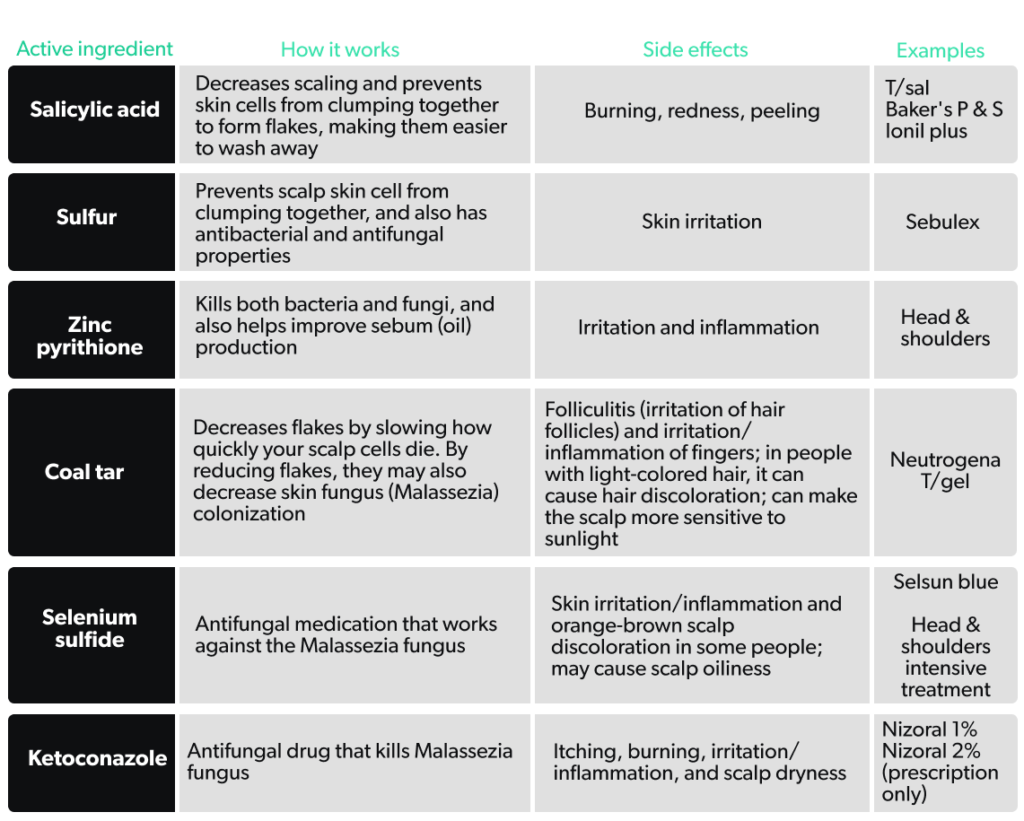
Using Mild Shampoos: Opt for mild shampoos specifically formulated for dandruff-prone scalps. These shampoos often contain ingredients such as zinc pyrithione, ketoconazole, or selenium sulfide, which can help combat dandruff.
-
Avoiding Hair Products with Harsh Chemicals: Harsh chemicals present in certain hair products can irritate the scalp and contribute to dandruff. Avoid products that contain sulfates, parabens, and alcohol.
-
Regularly Washing Beddings and Hats: Keeping your beddings and hats clean can help prevent the accumulation of oil, dead skin cells, and fungi that can lead to dandruff.
-
Managing Stress Levels: Finding healthy ways to manage stress, such as exercise, meditation, and hobbies, can reduce the risk of dandruff caused by stress.
-
Avoiding Overexposure to Sunlight: Excessive exposure to sunlight can dry out the scalp, leading to increased flaking. Protect your scalp by wearing a hat or using sunscreen.
-
Keeping Well-Hydrated: Drinking an adequate amount of water throughout the day helps maintain scalp hydration and overall skin health.
-
Eating a Balanced Diet: A diet rich in vitamins, minerals, and essential fatty acids can promote scalp health and reduce the risk of dandruff. Include foods like fruits, vegetables, whole grains, and healthy fats in your diet.
-
Seeking Medical Advice: If your dandruff persists despite trying home remedies, it is advisable to seek medical advice. A dermatologist can evaluate your scalp condition and recommend suitable treatments or medicated shampoos.
-
Avoiding Scratching the Scalp: Scratching the scalp can further irritate and damage the skin, leading to increased flaking. Trim your nails regularly and use anti-itch treatments to alleviate any itchiness. If the itching persists, consult a medical professional for further evaluation.
By following these precautions, you can significantly reduce your likelihood of developing dandruff and enjoy a healthy scalp. Remember, prevention is always better than cure when it comes to dandruff.