Imagine enjoying a sunny summer day, basking in the warm rays and relishing the carefree vibes. But amidst this idyllic scenario, a silent threat lurks: heatstroke. In this article, we will explore the risk factors that make individuals susceptible to heatstroke and discover the essential precautions one should take to prevent this potentially dangerous condition. So grab a cool drink, sit back, and let’s dive into the world of heatstroke prevention.
Risk Factors for Heatstroke
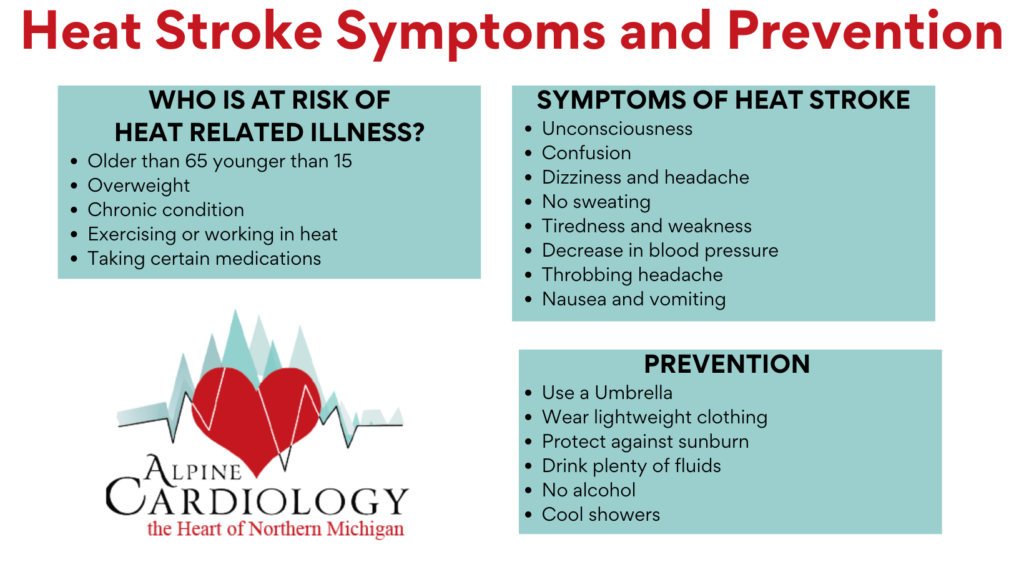
Heatstroke is a serious condition that occurs when the body is unable to regulate its temperature in extremely high temperatures. While anyone can be susceptible to heatstroke under extreme conditions, there are certain risk factors that can increase the likelihood of developing this heat-related illness. By understanding these risk factors, you can take appropriate precautions to protect yourself and others.
Exposure to High Temperatures
Exposure to high temperatures is one of the major risk factors for heatstroke. Whether it’s due to a heatwave or working in extreme heat, prolonged exposure to hot weather conditions can overwhelm the body’s cooling mechanisms. The risk is further heightened when individuals engage in physical activities during intense heat. Additionally, living in a poorly ventilated environment, such as a cramped apartment with no air conditioning, can increase the risk of heatstroke.
Physical Exertion
Physical exertion in high temperatures can significantly increase the risk of heatstroke. Engaging in strenuous activities, such as vigorous exercise or manual labor, exposes the body to additional heat. Similarly, participating in outdoor sports or exercising without appropriate rest intervals can lead to overheating. It is crucial to be mindful of the intensity of your physical activity and take necessary breaks to cool down and avoid heat-related illnesses.
Underlying Medical Conditions
Certain underlying medical conditions can make individuals more susceptible to heatstroke. Conditions such as heart disease, lung disease, kidney disease, high blood pressure, diabetes, obesity, thyroid problems, and Parkinson’s disease can impair the body’s ability to cope with heat stress. These conditions may affect the body’s ability to regulate temperature or increase the risk of dehydration, making individuals more vulnerable to heat-related illnesses.
Age
Age plays a significant role in heatstroke risk. Infants and young children, as well as older adults, are particularly vulnerable to heat-related illnesses. Infants and young children have immature thermoregulatory systems, making it harder for them to cool down in high temperatures. Older adults, especially those living in nursing homes, may have reduced mobility or difficulty accessing cooling facilities, increasing their risk of heatstroke.
Certain Medications
Some medications can increase the risk of heatstroke by affecting the body’s ability to regulate temperature or promoting dehydration. Diuretics, often prescribed for high blood pressure or heart conditions, can increase urine output and lead to dehydration. Antidepressants, antipsychotics, beta-blockers, and certain heart medications may also impact the body’s ability to regulate temperature, making individuals more vulnerable to heatstroke. It is crucial to consult healthcare professionals and be aware of the potential heat-related side effects of medications.
Dehydration
Dehydration is a risk factor that can exacerbate the effects of heat on the body. Insufficient fluid intake, excessive sweating, vomiting, or diarrhea can all contribute to dehydration. When the body lacks adequate fluids, it becomes more difficult to regulate temperature and cool down. It is essential to stay hydrated by drinking plenty of water and avoiding excessive fluid loss due to sweating or illness, especially during periods of high heat.
Alcohol Consumption
Consuming alcohol can increase the risk of heatstroke in several ways. Alcohol inhibits the body’s ability to regulate temperature by interfering with normal sweat production. This can lead to an improper cooling mechanism, making individuals more prone to heat-related illnesses. Additionally, alcohol impairs judgment and decision-making, which can lead to inadequate hydration or prolonged exposure to high temperatures. To prevent heatstroke, it is advisable to limit alcohol consumption, particularly in hot weather.
Being Overweight or Obese
Being overweight or obese can increase the risk of heatstroke. Excess body fat acts as insulation, trapping heat within the body and reducing heat dissipation. This makes it harder for the body to cool down and increases the risk of overheating. Additionally, obesity can impair the body’s cooling mechanisms, further predisposing individuals to heat-related illnesses. Maintaining a healthy weight and lifestyle can help minimize the risk of heatstroke.
Sudden Climate Change
Sudden climate change, such as traveling from a cooler climate to a hotter one, can put individuals at risk of heatstroke. The body needs time to acclimatize to a new environment, especially when exposed to significantly higher temperatures. When people are not accustomed to such heat, their ability to regulate temperature may be compromised. It’s important to take extra precautions, allow time to acclimate, and be cautious when transitioning between climates.
Limited Access to Cooling Facilities
Limited access to cooling facilities, such as air conditioning or shaded areas, can also increase the risk of heatstroke. This is a concern in areas with inadequate infrastructure, lower socioeconomic conditions, or for individuals without access to cooling resources. Lack of proper ventilation and minimal opportunities for heat relief can exacerbate the effects of high temperatures on the body. It is essential to provide access to cooling facilities and advocate for equitable resources to minimize the risk of heat-related illnesses.
Precautions to Prevent Heatstroke
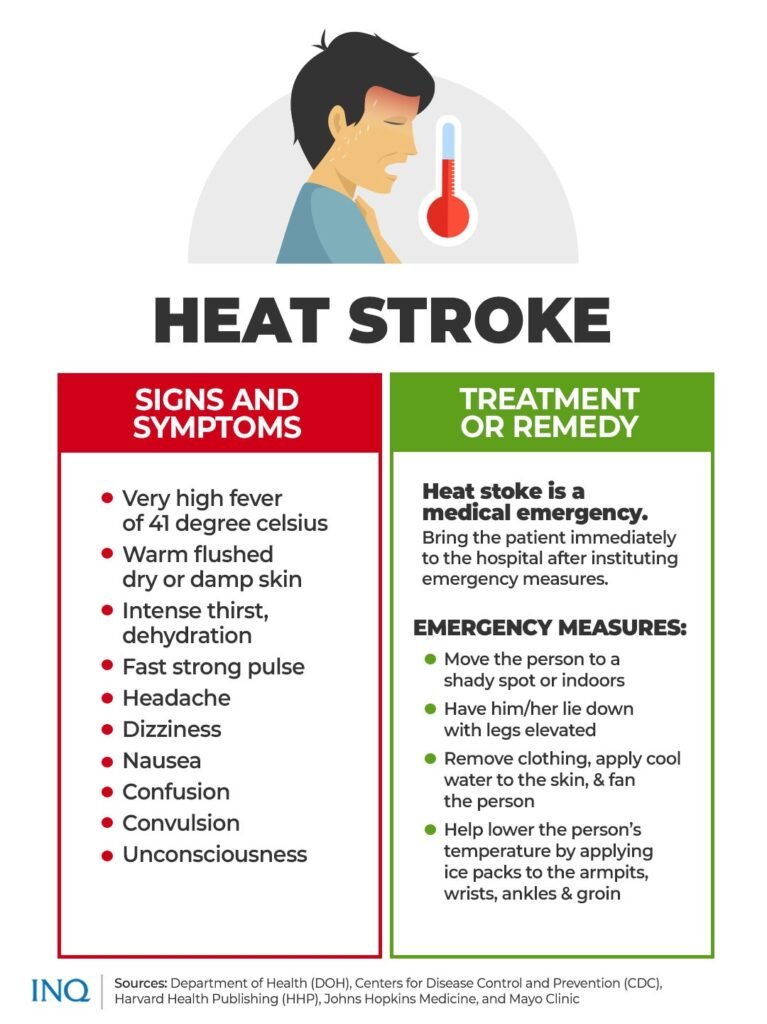
While it’s necessary to be aware of the risk factors for heatstroke, it’s equally important to know how to prevent it. By taking appropriate precautions, you can significantly reduce the likelihood of heat-related illnesses. Here are some precautionary measures to consider:
-
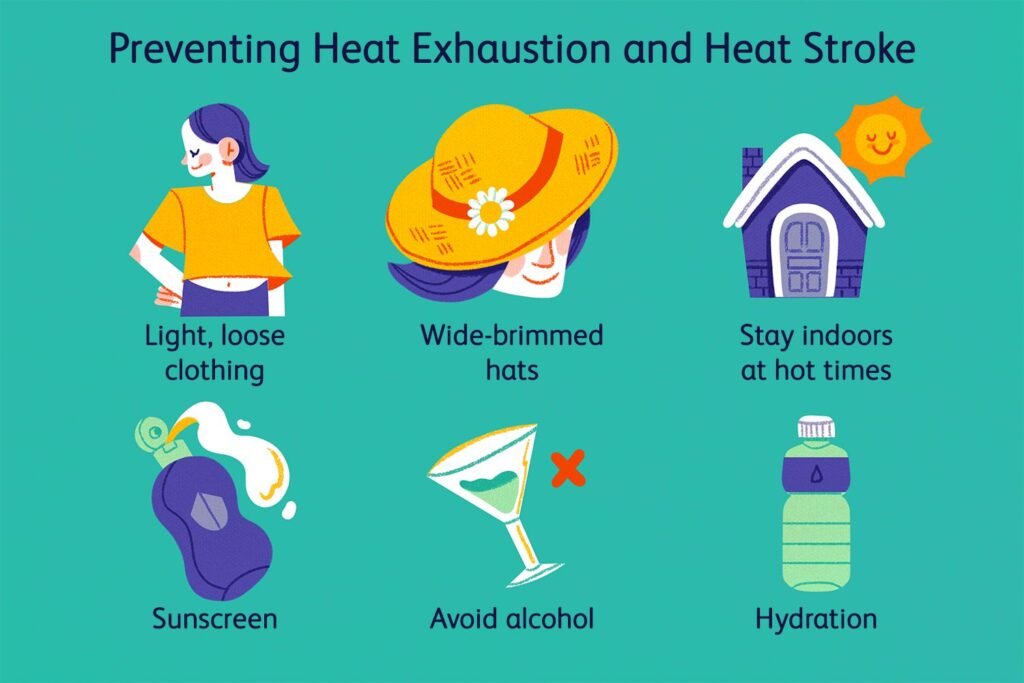
Stay hydrated: Drink plenty of water and other hydrating fluids to maintain proper hydration levels. Avoid excessive consumption of diuretic beverages, such as caffeine or alcohol, as they can increase fluid loss.
-
Avoid excessive physical exertion: Limit intense physical activities during peak heat hours, such as midday. Engage in outdoor exercise or sports during cooler parts of the day or in shaded areas. Take frequent breaks and rest in cool or shaded environments.
-
Wear lightweight, breathable clothing: Choose loose-fitting, lightweight clothing made of breathable fabrics to allow air circulation and facilitate sweat evaporation. Wear a hat and use sunscreen to protect yourself from direct sun exposure.
-
Stay indoors during peak heat hours: When temperatures are at their highest, it is advisable to stay indoors in cooler environments. If your home lacks air conditioning, consider visiting public places with adequate cooling facilities, such as shopping malls or community centers.
-
Ensure proper ventilation: If you are in an enclosed space without air conditioning, ensure proper ventilation by opening windows or using fans. Circulating air can help reduce the risk of overheating.
-
Avoid alcohol and caffeine: Both alcohol and caffeine can contribute to dehydration and hinder the body’s ability to regulate temperature. Minimize consumption, especially during hot weather, to prevent heat-related illnesses.
-
Monitor medications and consult healthcare professionals: Be aware of how medications you are taking may affect your body’s response to heat. Consult your healthcare professional if you have concerns or questions about your medication’s potential heat-related side effects.
-
Educate yourself and others: Stay informed about heatstroke prevention strategies and educate yourself and others on the risk factors and precautions. This knowledge can help protect yourself and those around you from heat-related illnesses.
By understanding the risk factors and taking appropriate precautions, you can minimize the risk of heatstroke and enjoy the summer months safely. Remember to take care of your health, stay cool, and stay hydrated to prevent heat-related illnesses.