
Heart failure is a serious condition that affects millions of people worldwide. In order to prevent this debilitating condition, it is important to understand the risk factors and take necessary precautions. This article will explore some of the common risk factors associated with heart failure and provide practical tips on how to reduce your risk. By being aware and taking proactive steps, you can safeguard your heart health and lead a happier, healthier life.
Risk Factors
Heart failure is a serious condition that affects millions of people worldwide. It occurs when the heart is unable to pump enough blood to meet the body’s needs. While heart failure can occur for a variety of reasons, there are several risk factors that can increase your chances of developing this condition. By understanding these risk factors and taking appropriate precautions, you can reduce your risk of heart failure and maintain a healthy heart.
Age
One of the primary risk factors for heart failure is age. As you get older, the risk of developing this condition increases. This is because the heart muscles weaken over time, making it harder for the heart to pump blood efficiently. While heart failure can occur at any age, people over the age of 65 are at a much higher risk.
Family history
Another significant risk factor for heart failure is family history. If you have immediate family members, such as parents or siblings, who have experienced heart failure, your risk for developing this condition is higher. This is because there may be a genetic predisposition to heart failure, meaning that certain genes increase the likelihood of developing this condition.
High blood pressure
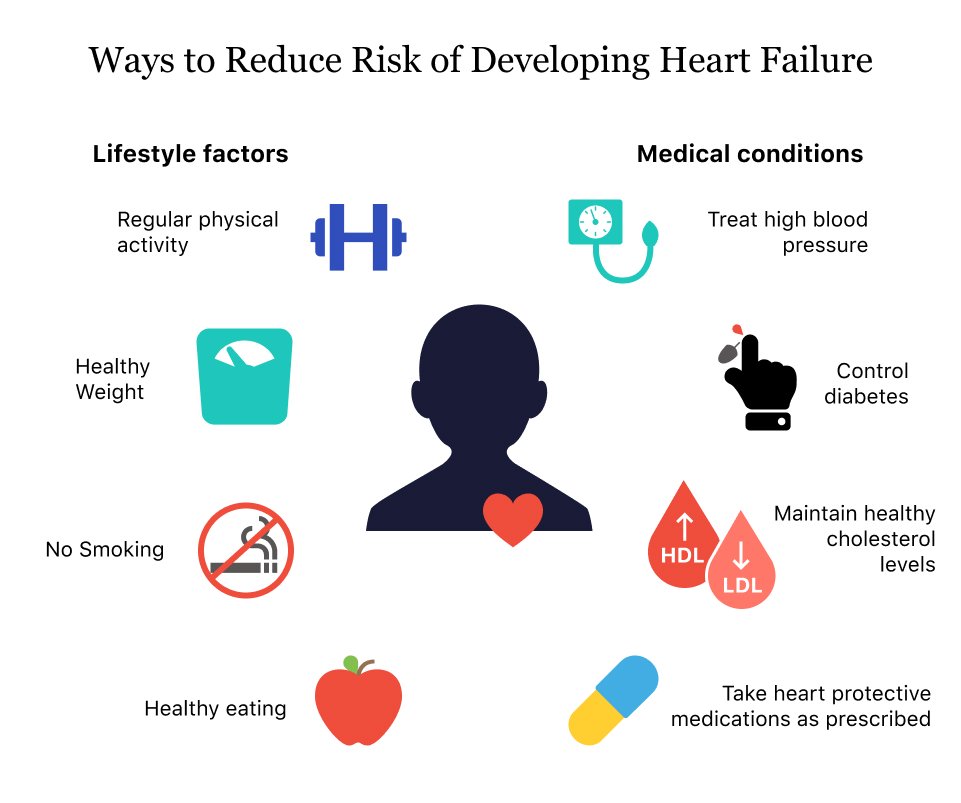
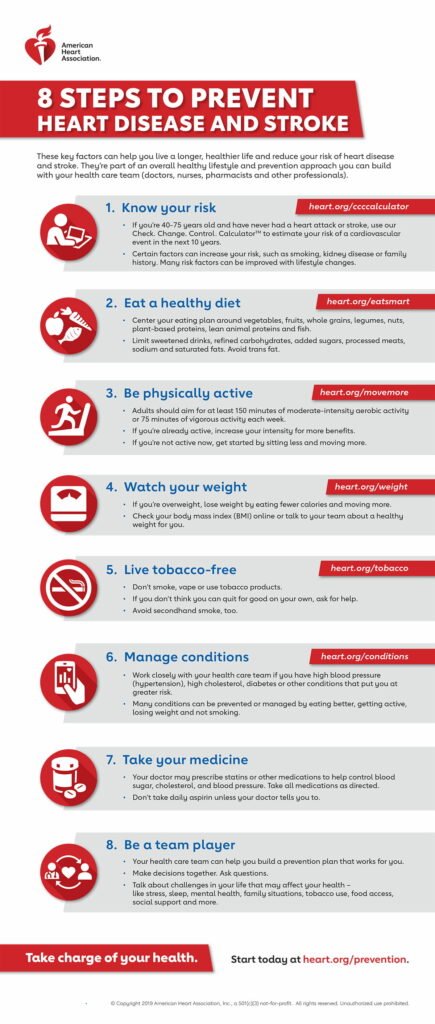
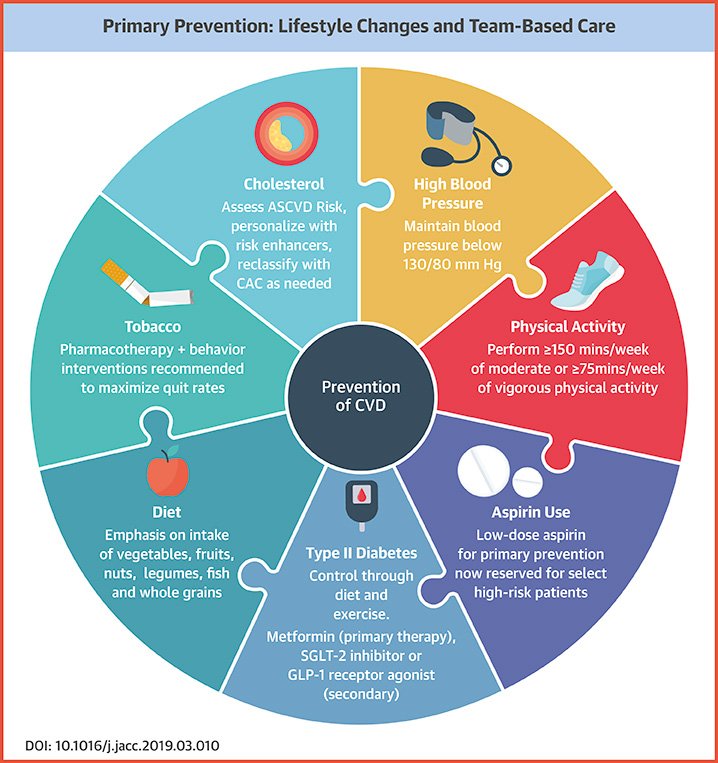
High blood pressure, or hypertension, is a common risk factor for heart failure. When blood pressure remains consistently high over a prolonged period, it can damage the heart muscles. This damage can make it more difficult for the heart to pump blood effectively, leading to heart failure. It is essential to monitor your blood pressure regularly and take steps to lower it if necessary, such as through lifestyle changes or medication.
Smoking
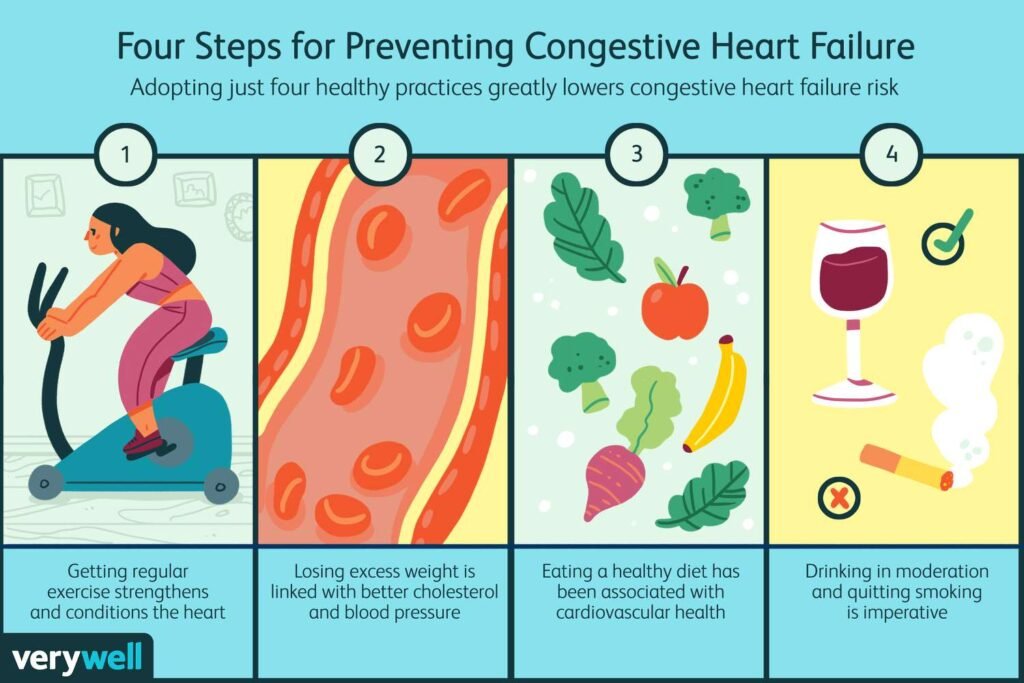
Smoking is not only detrimental to your overall health but also increases the risk of heart failure. The chemicals in tobacco smoke can damage the blood vessels, making them more susceptible to atherosclerosis, a condition where fatty deposits build up and narrow the arteries. This can restrict blood flow to the heart and increase the risk of heart failure. Quitting smoking is one of the most effective ways to reduce your risk.

Obesity
Excess weight can put strain on the heart and increase the risk of heart failure. When you carry excess body weight, your heart has to work harder to pump blood throughout the body. This can lead to an enlargement of the heart muscle, making it less efficient over time. Maintaining a healthy weight through proper nutrition and regular exercise is crucial for reducing the risk of heart failure.
Diabetes
Diabetes is a chronic condition characterized by high blood sugar levels. People with diabetes are at a higher risk of developing heart failure, as the condition can damage blood vessels and nerves. Additionally, poorly controlled blood sugar levels can further worsen heart health. It is essential for individuals with diabetes to manage their condition carefully and work closely with their healthcare team to keep their blood sugar levels within a healthy range.
High cholesterol
High cholesterol levels can lead to the buildup of fatty deposits in the arteries, a condition known as atherosclerosis. This narrowing of the blood vessels can restrict blood flow to the heart, increasing the risk of heart failure. Monitoring your cholesterol levels and taking steps to lower them, such as through a healthy diet and exercise, can help reduce your risk of heart failure.
Excessive alcohol consumption
While moderate alcohol consumption can have some health benefits, excessive drinking can significantly increase the risk of heart failure. Heavy alcohol consumption can weaken the heart muscle, leading to a condition known as alcoholic cardiomyopathy. This condition makes it harder for the heart to pump blood effectively and can increase the risk of heart failure. It is important to drink alcohol in moderation and seek help if you feel that your drinking habits are becoming problematic.
Sleep apnea
Sleep apnea is a sleep disorder characterized by pauses in breathing during sleep. This condition has been linked to an increased risk of heart failure. The repeated drops in oxygen levels and disrupted breathing patterns during sleep can put significant stress on the heart. Treating sleep apnea can help reduce the risk of heart failure and improve overall cardiovascular health.
Chronic conditions
Managing chronic conditions properly is essential for reducing the risk of heart failure. Conditions such as high blood pressure, diabetes, and high cholesterol can all contribute to heart failure if not adequately controlled. Regular medical check-ups and compliance with treatment plans are crucial for monitoring these conditions and making necessary adjustments to keep your heart in good health.
In conclusion, understanding the risk factors for heart failure is essential for maintaining a healthy heart. Age, family history, high blood pressure, smoking, obesity, diabetes, high cholesterol, excessive alcohol consumption, sleep apnea, and chronic conditions can all increase the risk of heart failure. By managing these risk factors through lifestyle changes, regular medical check-ups, and compliance with treatment plans, you can reduce your likelihood of developing heart failure and promote a healthier heart. Remember, taking care of your heart is a lifelong commitment, and by making positive choices, you can protect your heart and improve your overall well-being.