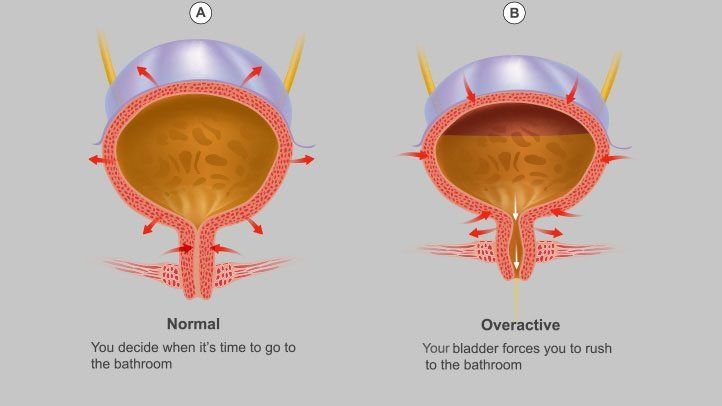
Imagine a life where you never have to worry about embarrassing bladder leaks or having the sudden urge to dash to the bathroom. Sounds pretty great, right? Well, unfortunately, for many people dealing with incontinence and overactive bladder, this is a daily struggle. In this article, we will explore the risk factors that contribute to these conditions and provide practical precautions to help you manage and potentially even prevent them. So, let’s dive in and take a closer look at how you can regain control over your bladder and enjoy a life free from the worries of incontinence.
Risk Factors
Age
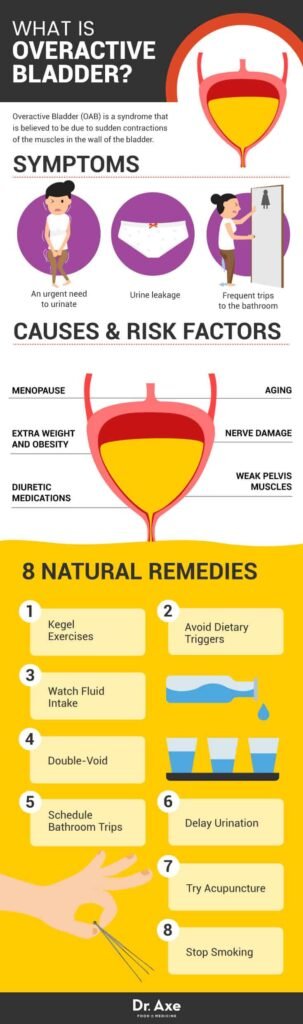
Age is one of the major risk factors for developing incontinence and an overactive bladder. As you grow older, the muscles in your bladder and urethra tend to weaken, and your bladder may not be able to hold as much urine as before. This can lead to an increased frequency of urination and possibly involuntary urine leakage. While age is not something you have control over, it’s important to be aware of the potential changes in your bladder function and take necessary precautions to manage any symptoms that may arise.
Gender
Gender can also play a role in the risk of developing incontinence and an overactive bladder. Women are more likely than men to experience these conditions due to factors such as pregnancy, childbirth, and menopause. Pregnancy and childbirth can weaken the pelvic floor muscles, which are responsible for supporting the bladder and controlling urine flow. Menopause, on the other hand, causes hormonal changes that can lead to bladder control issues. However, it’s important to note that men can also develop incontinence and an overactive bladder, so it’s essential for individuals of all genders to be aware of the potential risk factors and take necessary precautions.
Obesity
Obesity is a risk factor that can increase the likelihood of developing incontinence and an overactive bladder. Excessive body weight can put additional pressure on the bladder, causing it to become more easily irritated. This can result in involuntary urine leakage or a frequent need to urinate. Losing weight and maintaining a healthy BMI can help reduce the risk of bladder control issues and improve overall bladder health. Incorporating regular exercise and a balanced diet into your lifestyle can have a positive impact on your bladder function and reduce the chances of developing incontinence.
Medical conditions
Certain medical conditions can increase the risk of developing incontinence and an overactive bladder. Conditions such as diabetes, urinary tract infections, and neurological disorders can affect bladder control and lead to symptoms of incontinence. Diabetes can cause nerve damage, including the nerves that control bladder function. Urinary tract infections can irritate the bladder and lead to urinary urgency and frequency. Neurological disorders, such as Parkinson’s disease or multiple sclerosis, can interfere with the communication between the brain and the bladder, resulting in bladder control issues. Managing these underlying medical conditions is crucial for preventing or minimizing the impact of incontinence.
Neurological disorders
Neurological disorders are a significant risk factor for incontinence and an overactive bladder. Conditions that affect the nerves and the nervous system can disrupt the communication between the brain and the bladder, leading to bladder control problems. Neurological disorders such as multiple sclerosis, Parkinson’s disease, spinal cord injuries, and stroke can all cause damage to the nerves and affect bladder function. If you have a pre-existing neurological disorder, it’s essential to work closely with your healthcare provider to develop a comprehensive management plan that addresses your specific needs and minimizes the impact on your bladder control.
Menopause
Menopause is a natural stage in a woman’s life that involves hormonal changes and can contribute to the development of incontinence and an overactive bladder. As estrogen levels decline during menopause, the tissues of the urinary tract can become thinner and weaker. This can lead to reduced bladder support and control, resulting in symptoms such as urinary urgency, frequency, and even involuntary urine leakage. It’s important for women approaching or experiencing menopause to be aware of these potential changes and take steps to manage their bladder health. This may include practicing pelvic floor exercises, maintaining a healthy weight, and seeking medical advice if symptoms arise.
Pregnancy and childbirth
Pregnancy and childbirth are significant risk factors for incontinence and an overactive bladder in women. The processes of carrying a baby and giving birth can put strain on the pelvic floor muscles, which support the bladder and control urine flow. This can result in weakened muscles and decreased bladder control. Additionally, hormonal changes during pregnancy can affect bladder function. It’s crucial for pregnant women to take precautions to maintain good bladder health, such as engaging in pelvic floor exercises and discussing any concerns or symptoms with their healthcare provider. Providing adequate care to the pelvic floor muscles during and after pregnancy can help prevent or minimize the impact of bladder control issues.
Smoking
Smoking is not only harmful to your respiratory system but can also increase the risk of developing incontinence and an overactive bladder. Smoking can irritate the bladder and lead to bladder spasms, which can cause an urgent need to urinate. Additionally, chronic coughing from smoking can put strain on the pelvic floor muscles, weakening them and contributing to urinary leakage. Quitting smoking is beneficial for numerous aspects of your health, including your bladder function. If you are a smoker, consider seeking support and resources to help you quit, and your bladder will thank you in the long run.
Family history
Having a family history of incontinence and an overactive bladder can increase your risk of developing these conditions. Genetic factors can play a role in bladder function and may predispose you to bladder control issues. While you cannot change your family history, being aware of this risk factor can prompt you to take proactive steps to manage your bladder health. By implementing the precautions mentioned later in this article, you can reduce the impact of genetic predisposition and potentially prevent or delay the onset of symptoms.
Pelvic surgery
Undergoing pelvic surgery, such as surgery for prostate or gynecological conditions, can increase the risk of experiencing incontinence and an overactive bladder. These procedures can sometimes damage or weaken the muscles and nerves that control bladder function. It’s important for individuals who have had pelvic surgery to discuss potential bladder control issues with their healthcare provider before the surgery, as well as receive appropriate post-operative care and guidance to help minimize any negative impact on bladder health.
Precautions
Maintain a healthy weight
Maintaining a healthy weight is crucial in preventing or managing incontinence and an overactive bladder. Excess body weight can put additional pressure on the bladder and weaken the pelvic floor muscles, leading to symptoms such as urine leakage and frequent urination. By adopting a balanced diet and engaging in regular physical activity, you can achieve and maintain a healthy weight, reducing the strain on your bladder and improving your bladder control.
Stay hydrated
Keeping your body properly hydrated is essential for overall bladder health. Adequate hydration helps ensure that your urine is diluted and less likely to irritate the bladder. It’s recommended to drink enough fluids throughout the day, aiming for at least 8 cups (64 ounces) of water or other non-caffeinated beverages. However, it’s important to note that everyone’s fluid needs may vary, so it’s crucial to listen to your body and drink when you are thirsty. Avoiding excessive fluid intake before bedtime can also help minimize nighttime trips to the bathroom.
Manage chronic health conditions
If you have any chronic health conditions, it’s important to work closely with your healthcare provider to manage and control them. Conditions such as diabetes, high blood pressure, and obesity can affect bladder function and contribute to the development or exacerbation of incontinence and an overactive bladder. By actively managing these conditions through proper medication, lifestyle modifications, and regular check-ups, you can reduce the impact they have on your bladder health.
Strengthen pelvic floor muscles
Pelvic floor exercises, also known as Kegel exercises, are a preventive and management measure for incontinence and an overactive bladder. These exercises involve squeezing and releasing the muscles that support the bladder and control urine flow. Regularly practicing pelvic floor exercises can strengthen these muscles, improve their endurance, and enhance your overall bladder control. The key is to perform them correctly and consistently, so it may be helpful to consult a healthcare provider or pelvic floor physical therapist for guidance.
Practice bladder training
Bladder training is a technique that can help improve bladder control and reduce the frequency of urination. It involves gradually increasing the time intervals between bathroom visits, training your bladder to hold urine for longer periods. Start by scheduling regular bathroom breaks and gradually lengthening the time between each visit. This method can help increase your bladder’s capacity and reduce the urgency to urinate. Bladder training requires patience and persistence, but with time, it can be an effective strategy for managing incontinence and an overactive bladder.
Avoid irritants
Certain foods and beverages can irritate the bladder and contribute to bladder control problems. It’s important to be mindful of your diet and avoid or limit the intake of potential irritants, such as spicy foods, caffeine, alcohol, and artificial sweeteners. These substances can stimulate the bladder and increase the frequency or urgency to urinate. By making conscious choices and reducing your consumption of bladder irritants, you can maintain better bladder control and minimize the risk of developing or worsening incontinence symptoms.
Quit smoking
As mentioned earlier, smoking can have detrimental effects on bladder health. Quitting smoking is not only beneficial for your overall well-being but also for your bladder function. Smoking can irritate the bladder and lead to frequent urination or involuntary urine leakage. If you are a smoker, consider seeking support and resources to help you quit. Your bladder will thank you, and you’ll be taking a significant step towards improving your overall health.
Manage stress
Stress can impact your bladder function and potentially worsen symptoms of incontinence and an overactive bladder. When you are stressed, your body can release certain hormones that can affect bladder control and increase the frequency of urination. Managing stress through relaxation techniques such as deep breathing exercises, meditation, or engaging in hobbies and activities you enjoy can help reduce the impact on your bladder health. It’s important to find healthy coping mechanisms that work for you and prioritize stress management in your daily routine.
Limit caffeine and alcohol intake
Caffeine and alcohol are diuretics, substances that increase urine production and can irritate the bladder. Consuming these in excessive amounts can lead to increased urinary frequency, urgency, and even urine leakage. It’s important to be mindful of your intake of caffeinated beverages such as coffee, tea, energy drinks, and soft drinks. Likewise, limiting alcohol consumption can have a positive effect on your bladder health. Moderation is key, and making conscious choices about your caffeine and alcohol intake can help reduce the risk of developing or worsening bladder control problems.
Seek medical advice
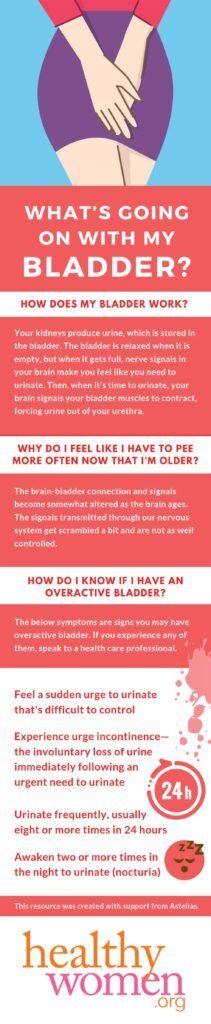
If you experience any symptoms of incontinence or an overactive bladder, it’s essential to seek medical advice. A healthcare provider can assess your symptoms, conduct necessary tests, and provide you with an accurate diagnosis and personalized treatment plan. They can guide you through the available treatment options, which may include pelvic floor exercises, medications, or other interventions. Remember that you are not alone in dealing with bladder control issues, and seeking medical advice is an important step towards addressing and managing the condition effectively.