
For those keeping a watchful eye on the economy, understanding the various risk factors and precautions becomes paramount. By identifying and assessing these risks, individuals and businesses alike can take the necessary steps to protect themselves and mitigate potential damage. From fluctuations in interest rates and currency exchange rates to political instability and natural disasters, each aspect presents its own unique challenges. Through careful analysis and proactive planning, the economy can navigate these uncertainties while safeguarding its stability and growth.
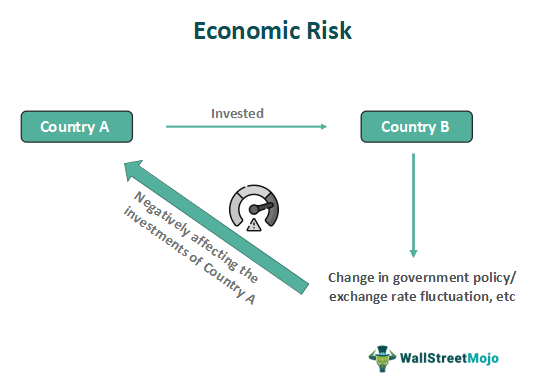
Economic Risk Factors
Inflation
Inflation is an economic risk factor that occurs when there is a sustained increase in the general price level of goods and services in an economy over time. This can lead to a decrease in the purchasing power of individuals and businesses, as the value of money is eroded. Inflation can be influenced by various factors, such as demand and supply imbalances, changes in production costs, and government policies. To mitigate the impact of inflation, individuals and businesses can take precautionary measures such as investing in assets that tend to appreciate in value over time, diversifying their portfolios, and hedging against inflation through the use of financial instruments such as inflation-indexed bonds.
Unemployment
Unemployment is another economic risk factor that refers to the condition of individuals who are willing and able to work but are unable to find suitable employment. High levels of unemployment can have detrimental effects on individuals, communities, and the overall economy. It can lead to decreased consumer spending, lower tax revenues for governments, and increased social and economic inequalities. To address unemployment, governments can implement policies aimed at promoting job creation, providing training and education programs to enhance employability, and supporting entrepreneurship and small business development. Individuals can also take proactive measures, such as acquiring relevant skills through education and training, networking, and adapting to changing market demands.
Interest Rates
Interest rates play a crucial role in shaping the economy by influencing borrowing costs, investment decisions, and consumer spending. Changes in interest rates can significantly impact businesses and individuals. Higher interest rates can discourage borrowing and investment, leading to decreased consumer spending and slower economic growth. Conversely, lower interest rates can stimulate borrowing and investment, promoting economic expansion. To manage interest rate risks, individuals and businesses can adopt strategies such as refinancing existing debts at lower interest rates, considering fixed-rate loans, and closely monitoring monetary policy decisions made by central banks.
Market Volatility
Market volatility is the degree of variation or fluctuation in the prices of financial instruments, such as stocks, bonds, and commodities, in a given market. It is influenced by factors such as economic conditions, geopolitical events, investor sentiment, and market liquidity. High market volatility can create uncertainty and pose risks to investors, businesses, and the overall stability of financial markets. To mitigate market volatility risks, individuals and businesses can diversify their investment portfolios, conduct thorough research and analysis before making investment decisions, and consider long-term investment strategies that align with their risk tolerance.
Global Economic Factors
Global economic factors encompass various risks that arise from international markets and global economic conditions. These factors can include changes in global trade patterns, geopolitical tensions, currency fluctuations, and shifts in global supply and demand. These risks can have far-reaching implications for businesses and individuals, including the potential for disrupted supply chains, increased competition, and changes in consumer behavior. To manage global economic risks, businesses may consider diversifying their markets and supply chains, closely monitoring international economic developments, and engaging in proactive risk management strategies. Individuals can also stay informed about global economic trends and adjust their financial plans accordingly.
Political and Legal Risk Factors
Government Policies
Government policies, including fiscal and monetary policies, taxation policies, and regulations, can significantly impact businesses and individuals. Changes in government policies can create uncertainties, alter market conditions, and affect economic activity. For example, policy changes related to trade agreements, subsidies, or industry regulations can have a direct impact on specific sectors or businesses. To mitigate the risks associated with government policy changes, businesses can engage in advocacy efforts, maintain strong relationships with policymakers, and actively participate in public consultations and policy-making processes. Individuals can stay informed about government policies and adjust their financial plans accordingly.
Regulatory Changes
Regulatory changes refer to alterations made by governments or regulatory bodies to rules, regulations, and laws that govern industries, markets, and economic activities. Regulatory changes can impact various aspects of businesses, including compliance requirements, product standards, and operational procedures. Failure to comply with new regulations can result in financial penalties, reputational damage, or even legal consequences. To manage regulatory risks, businesses need to stay informed about regulatory developments, maintain compliance systems and processes, and actively engage with regulatory authorities to ensure adherence to applicable regulations. Individuals can also stay informed about regulatory changes that may affect their financial activities and seek professional advice when needed.
Political Stability
Political stability is a critical factor for economic growth and stability. A stable political environment provides a conducive climate for businesses to operate and individuals to invest and pursue economic activities. Political instability, on the other hand, can lead to uncertainties, disruptions, and risks. Factors that can contribute to political instability include social unrest, political conflicts, changes in government leadership, and policy shifts. To mitigate risks associated with political instability, businesses can consider diversifying their operations across different countries or regions, establishing contingency plans, and conducting thorough risk assessments prior to entering new markets. Individuals can also monitor political developments and consider the potential impact on their investments and financial plans.
Legal Framework
The legal framework of a country or region sets the rules and regulations that govern economic activities, contracts, property rights, and dispute resolution. Changes in the legal framework can create risks for businesses and individuals, particularly if it introduces uncertainty or imposes new obligations or restrictions. A stable and predictable legal framework is essential for promoting economic growth and attracting investments. To manage legal risks, businesses should stay informed about changes in legislation or judicial decisions that may impact their operations, seek legal advice when necessary, and ensure compliance with applicable laws and regulations. Individuals can also stay updated on legal developments that may impact their rights and obligations as consumers or investors and seek legal advice when needed.

Financial Risk Factors
Debt Levels
Debt levels refer to the amount of debt, such as loans or bonds, that individuals, businesses, or governments have accumulated. High levels of debt can create risks, as it may become challenging to meet debt service obligations, especially if revenues or income streams decline. Failure to manage debt levels effectively can result in financial distress, credit rating downgrades, and even bankruptcy. To mitigate the risks associated with high debt levels, individuals and businesses should follow prudent borrowing practices, maintain a reasonable debt-to-equity ratio, and regularly assess their ability to service debt obligations. Effective debt management strategies, such as refinancing or debt restructuring, can also help alleviate financial pressures.
Credit Ratings
Credit ratings are assessments provided by credit rating agencies that measure the creditworthiness of borrowers, including individuals, businesses, and governments. Credit ratings influence the cost and availability of credit, as well as the perception of credit risk. Lower credit ratings can result in higher borrowing costs and limited access to credit, making it more challenging for individuals and businesses to meet their financial needs. To maintain or improve credit ratings, individuals and businesses need to establish a track record of timely debt repayment, maintain low levels of debt relative to income or equity, and demonstrate sound financial management practices. Regularly monitoring credit reports and addressing any discrepancies or errors can also help maintain good credit standing.
Liquidity
Liquidity refers to the ability of individuals, businesses, or financial markets to quickly convert assets into cash without significant loss in value. Lack of liquidity can pose risks, as it can hinder the ability to meet short-term financial obligations or take advantage of investment opportunities. High levels of illiquidity can lead to financial crises, market disruptions, and economic instability. To manage liquidity risks, individuals and businesses should maintain adequate cash reserves, diversify their investment portfolios, and ensure access to alternative sources of funding. For financial institutions and markets, effective liquidity management strategies, such as maintaining adequate capital buffers and establishing contingency funding facilities, are essential to ensure stability and resilience.
Banking Crises
Banking crises occur when there is a severe disruption in the financial system, primarily affecting banks and other financial institutions. Banking crises can have devastating effects on the economy, leading to bank failures, credit crunches, and a loss of confidence in the financial sector. Factors that can contribute to banking crises include excessive risk-taking, inadequate regulatory oversight, unstable financial markets, and unsustainable lending practices. To mitigate the risks associated with banking crises, governments and regulators need to establish robust prudential regulations and supervision frameworks, conduct stress tests to assess the resilience of banks, and implement effective crisis management and resolution mechanisms. Individuals and businesses can also reduce their exposure to banking risks by diversifying their banking relationships and adopting sound financial management practices.
Default Risk
Default risk refers to the possibility that borrowers may fail to fulfill their debt obligations, resulting in a loss of principal or interest payments for lenders. Default risks can arise from various factors, such as economic downturns, financial distress, or adverse events that impact borrowers’ ability to generate income or cash flows. Default risks can have significant implications for lenders, particularly if they hold a large amount of loans or bonds issued by a borrower. To manage default risks, lenders should conduct thorough credit assessments before extending credit, diversify their credit portfolios across different types of borrowers or sectors, and regularly monitor the financial health and creditworthiness of borrowers. Lenders may also consider securing collateral or obtaining guarantees to mitigate potential losses in the event of default.
Supply and Demand Risk Factors
Resource Scarcity
Resource scarcity refers to the limited availability or depletion of natural resources, such as fossil fuels, minerals, or water, which are essential for economic activities and the production of goods and services. Resource scarcity can create risks, as it can lead to increased prices, supply disruptions, and potential conflicts over scarce resources. To address resource scarcity risks, businesses can adopt sustainable practices that promote resource efficiency, explore alternative sources of energy or materials, and invest in research and development to develop new technologies or methods that reduce resource consumption. Governments can also play a role by promoting resource conservation measures, implementing environmental regulations, and facilitating international cooperation on resource management.
Productivity
Productivity is a measure of the efficiency with which inputs, such as labor, capital, and technology, are transformed into outputs or goods and services. Changes in productivity levels can have significant implications for economic growth, competitiveness, and standards of living. Low productivity growth can lead to stagnant wages, lower profitability for businesses, and slower economic expansion. To enhance productivity, businesses can invest in technology and automation, improve workforce skills through training and education, foster innovation and research, and streamline operational processes. Governments can also support productivity growth through infrastructure investments, regulatory reforms that promote business competitiveness, and policies that encourage entrepreneurship and innovation.
Technological Disruptions
Technological disruptions refer to changes or advancements in technology that can significantly alter the way businesses operate and deliver goods and services. Technological disruptions can create both opportunities and risks. On one hand, they can lead to increased efficiency, new business models, and improved customer experiences. On the other hand, they can disrupt traditional industries, eliminate jobs, and challenge established business models. To manage technological disruption risks, businesses need to stay updated on emerging technologies, assess their potential impact on operations and market dynamics, and adapt their strategies and business models accordingly. Individuals should also stay informed about technological trends and consider acquiring relevant skills or adapting to new ways of working to remain competitive in the evolving job market.
Trade Barriers
Trade barriers refer to restrictions or obstacles imposed by governments on the flow of goods, services, or investments between countries. Trade barriers can take various forms, such as tariffs, quotas, import restrictions, or regulatory barriers. They can create risks by limiting market access, increasing production costs, and distorting competition. To manage trade barrier risks, businesses can diversify their markets and supply chains, seek opportunities in countries with favorable trade policies, and engage in advocacy efforts to promote free and fair trade. Governments can also negotiate trade agreements, remove trade barriers, and establish regulatory frameworks that facilitate cross-border trade and investment.
Consumer Demand
Consumer demand refers to the desire, willingness, and ability of individuals to purchase goods and services. Changes in consumer demand can create risks for businesses, particularly if they fail to anticipate or respond to shifting consumer preferences or market trends. Factors that can influence consumer demand include changes in income levels, demographics, lifestyle choices, and cultural values. To manage demand risks, businesses need to conduct market research and analysis to understand consumer preferences, develop products and services that align with market demands, and establish effective marketing and distribution strategies. Continuous innovation, quality improvement, and excellent customer service can also help businesses attract and retain customers in a dynamic and competitive market environment.

Market Risk Factors
Competition
Competition is a market risk factor that refers to the rivalry or rivalry among businesses operating in the same industry or market. Intense competition can create risks for businesses, including price pressure, reduced market share, and decreased profitability. Factors that can influence competition include the number of competitors, market concentration, barriers to entry, and the level of product differentiation. To manage competitive risks, businesses need to develop strategies that differentiate their products or services, establish strong brand identities, focus on customer value and satisfaction, and continuously monitor and adapt to changes in the competitive landscape. Continuous investment in research and development, product innovation, and marketing can help businesses gain a competitive edge.
Industry Trends
Industry trends encompass the developments and changes that occur within a specific industry or sector over time. Industry trends can create risks or opportunities, depending on businesses’ ability to anticipate and adapt to these changes. Examples of industry trends include technological advancements, changing consumer preferences, regulatory shifts, and emerging market segments. To manage industry trend risks, businesses need to stay informed about industry developments, conduct market research, and monitor competitors’ strategies. Flexibility, agility, and the ability to quickly adapt business models, operations, and products to align with evolving industry trends are essential to remain competitive and sustainable in dynamic markets.
Market Saturation
Market saturation occurs when the demand for a particular product or service reaches its peak, and further growth becomes challenging or limited due to market conditions or saturation. Market saturation can pose risks to businesses, as it can lead to increased competition, price erosion, and decreased profit margins. To manage market saturation risks, businesses need to diversify their product or service offerings, enter new markets or customer segments, and focus on innovation to create unique value propositions. Building strong customer relationships, providing excellent customer service, and promoting brand loyalty can also help businesses maintain market share and sustain growth even in saturated markets.
Shifts in Customer Preferences
Shifts in customer preferences refer to changes in consumers’ tastes, preferences, or buying behaviors. Such shifts can stem from various factors such as demographic changes, cultural influences, technological advancements, or evolving societal norms. Businesses that fail to adapt to changing customer preferences can face risks such as declining sales, reduced market share, and loss of relevance. To manage risks associated with shifts in customer preferences, businesses need to monitor consumer trends, engage in market research, and seek feedback from their target audience. This information can guide product development and innovation, marketing strategies, and customer engagement initiatives. Flexibility, agility, and the ability to pivot or diversify product offerings are crucial to meeting changing customer demands.
Changing Demographics
Changing demographics refer to shifts in the population composition, including age, gender, income levels, and ethnic diversity. These changes can have significant implications for businesses, as they can impact consumer preferences, market demand, and workforce dynamics. Understanding and responding to changing demographics is essential for businesses to remain relevant and capture market opportunities. For example, an aging population may create demand for products or services targeted towards seniors, while a younger demographic may have different preferences and purchasing behaviors. To manage risks associated with changing demographics, businesses should conduct market research to understand the characteristics and needs of their target audience, develop products or services that cater to specific demographic groups, and establish inclusive and diverse workforce practices to leverage the skills and perspectives of different demographic segments.
Environmental Risk Factors
Natural Disasters
Natural disasters, such as earthquakes, hurricanes, floods, or wildfires, can create significant risks for economies, communities, and businesses. These events can lead to loss of life, physical damage to infrastructure and property, disruption of supply chains, and increased production costs. Businesses need to assess their vulnerability to natural disasters, develop business continuity plans, and establish disaster response and recovery mechanisms to mitigate the impact of these events. Governments can also play a crucial role by implementing effective disaster preparedness and response measures, investing in infrastructure resilience, and promoting sustainable land use practices that minimize the risk of natural disasters.
Climate Change
Climate change refers to long-term shifts in weather patterns and temperatures due to increased greenhouse gas emissions, primarily caused by human activities. Climate change can create risks for businesses and economies, such as increased frequency and intensity of extreme weather events, shifts in agricultural productivity, rising sea levels, and changes in customer preferences and demand. To manage climate change risks, businesses can adopt sustainable practices that reduce their carbon footprint, promote resource efficiency, and invest in renewable energy sources. Governments can implement policies and regulations that promote climate resilience, support clean energy transitions, and encourage businesses to reduce greenhouse gas emissions.
Environmental Regulations
Environmental regulations establish standards and requirements for businesses to manage their environmental impact, reduce pollution, and conserve natural resources. Changes in environmental regulations can create risks for businesses that fail to comply with new requirements or fail to anticipate and address potential environmental liabilities. To manage environmental regulatory risks, businesses need to stay informed about applicable regulations, conduct environmental impact assessments, implement robust environmental management systems, and engage in proactive measures to reduce their ecological footprint. Demonstrating corporate social responsibility, investing in environmentally friendly technologies, and engaging in transparent reporting can help businesses build trust, mitigate risks, and seize opportunities in a sustainability-focused market.
Sustainability Practices
Sustainability practices refer to actions and initiatives undertaken by businesses to operate in an environmentally responsible and socially conscious manner. Adopting sustainable practices can reduce environmental risks, enhance brand reputation, attract socially conscious customers, and drive innovation and operational efficiencies. Sustainability practices can include measures such as energy and water conservation, waste reduction and recycling, supply chain transparency, ethical sourcing, and stakeholder engagement. To integrate sustainability into their operations, businesses need to develop sustainability strategies, set measurable goals and targets, engage employees and stakeholders, and regularly monitor and report on their sustainability performance.
Resource Depletion
Resource depletion refers to the exhaustion or depletion of natural resources, such as minerals, fossil fuels, or water, due to unsustainable extraction or consumption practices. Resource depletion can create risks for businesses that rely on these resources for their operations or supply chains. Diminishing resources can lead to increased prices, supply disruptions, and potential conflicts over scarce resources. To manage risks associated with resource depletion, businesses need to adopt sustainable resource management practices, explore alternative materials or sources, and engage in circular economy approaches that promote resource reuse and recycling. Governments can also play a role by implementing policies that encourage resource conservation, promote responsible resource extraction, and support the development of sustainable technologies or industries.

Social and Cultural Risk Factors
Labor Relations
Labor relations refer to the interactions and dynamics between employers, employees, and labor unions. Unfavorable labor relations can create risks for businesses, including strikes, work stoppages, reputational damage, and increased labor costs. Factors that can influence labor relations include wage levels, working conditions, job security, and employee satisfaction. To manage risks associated with labor relations, businesses need to foster positive work environments, maintain open lines of communication with employees and unions, and ensure fair treatment and equitable remuneration. Investing in employee training and development, promoting work-life balance, and offering competitive compensation and benefits can help maintain harmonious labor relations.
Social Unrest
Social unrest refers to collective actions or protests by groups of individuals who are dissatisfied with social, political, or economic conditions. Social unrest can create risks for businesses, as it can lead to disruptions in operations, market volatility, reputational damage, and increased security risks. Factors that can contribute to social unrest include income inequality, political conflicts, discrimination, or perceived injustice. To manage risks associated with social unrest, businesses need to engage with stakeholders, listen to their concerns, and contribute to social and economic development in the communities where they operate. Ethical business practices, corporate social responsibility initiatives, and stakeholder engagement can help build trust, mitigate risks, and contribute to social stability.
Cultural Values
Cultural values refer to the beliefs, norms, and behaviors that shape the attitudes and preferences of individuals and communities. Cultural values can influence consumer behaviors, market demand, and business practices. Failure to understand and respect cultural values can create risks for businesses, as it can lead to customer backlash, negative public perception, and reputational damage. To manage risks associated with cultural values, businesses need to conduct market research, engage in cultural sensitivity training, and adapt their products, services, and marketing strategies to resonate with diverse cultural backgrounds. Demonstrating cultural intelligence and fostering an inclusive business environment can help businesses build strong relationships with customers and stakeholders.
Public Perception
Public perception refers to the collective opinions, views, and attitudes of individuals or groups in society towards businesses, brands, or specific issues. Positive public perception can enhance brand reputation, attract customers, and generate goodwill, while negative public perception can result in reputational damage, customer backlash, and decreased market share. To manage risks associated with public perception, businesses need to actively engage in corporate communication, build transparent and ethical business practices, and listen to feedback from customers, employees, and the wider community. Demonstrating commitment to social and environmental responsibility, responding promptly and effectively to crises or controversies, and fostering a positive corporate culture can help businesses maintain a favorable public perception.
Consumer Behavior
Consumer behavior refers to the decision-making processes, attitudes, and purchasing behaviors of individuals or households. Understanding consumer behavior is essential for businesses to develop effective marketing strategies, meet customer needs, and drive sales. Changes in consumer behavior can create risks for businesses that fail to adapt to evolving market trends or customer preferences. Factors that can influence consumer behavior include social influences, cultural values, economic conditions, and technological advancements. To manage risks associated with consumer behavior, businesses need to conduct market research, segment their target audience, and tailor their products, services, and marketing messages to meet customer expectations. Offering personalized experiences, providing excellent customer service, and actively listening to customer feedback can help businesses stay competitive in a dynamic consumer-driven market.
Technological Risk Factors
Cybersecurity
Cybersecurity refers to measures and practices undertaken to protect computer systems, networks, and data from unauthorized access, cyber threats, and cyber-attacks. Technological advancements have brought about new risks related to cybersecurity, as cybercriminals continually develop sophisticated methods to exploit vulnerabilities. Cybersecurity risks can lead to data breaches, financial loss, reputational damage, and legal liabilities for businesses. To manage cybersecurity risks, businesses need to establish robust cybersecurity policies and procedures, conduct regular vulnerability assessments and penetration testing, and invest in technologies that detect and mitigate cyber threats. Employee training, regular software updates, and proactive monitoring of network activities are also essential to maintain a secure digital environment.
Data Privacy
Data privacy refers to the protection of individuals’ personal information and the responsible handling of data by businesses and organizations. With the proliferation of digital technologies and the collection of vast amounts of data, there is an increasing need to address data privacy risks. Failure to respect data privacy regulations or adequately protect customer data can result in reputational damage, legal consequences, and loss of customer trust. To manage data privacy risks, businesses need to establish data protection policies and practices, comply with applicable privacy laws, obtain informed consent from individuals when collecting their data, and implement safeguards to secure data storage and transmission. Regular auditing of data privacy practices and proactive communication with customers about data handling can help businesses maintain data privacy compliance.
Automation
Automation refers to the use of technology to perform tasks or processes that were previously done by humans. While automation can lead to increased efficiency, productivity, and cost savings, it can also create risks for businesses and workers. Automation can result in job displacement or changes in job requirements, potentially leading to unemployment or skills gaps. To manage risks associated with automation, businesses need to conduct impact assessments, develop reskilling or upskilling programs for affected employees, and create new job opportunities that leverage human skills alongside automation technologies. Engaging in open dialogue with employees and unions, offering training and support during the transition, and fostering a culture of continuous learning and adaptability can help businesses navigate the changing nature of work due to automation.
Technology Obsolescence
Technology obsolescence refers to the state of being outdated or no longer useful due to the rapid pace of technological advancements. Keeping up with evolving technologies can be challenging for businesses, as failure to adopt or adapt to emerging technologies can result in competitive disadvantages or loss of market share. To manage risks associated with technology obsolescence, businesses need to invest in research and development, conduct technology audits, and stay informed about emerging trends and innovations in their respective industries. Collaborating with technology partners, engaging in industry forums, and fostering a culture of innovation and flexibility are essential for businesses to remain competitive in rapidly evolving technology landscapes.
Infrastructure Vulnerabilities
Infrastructure vulnerabilities refer to weaknesses or deficiencies in physical or digital infrastructure that can be exploited by malicious actors or cause disruptions to essential services. Infrastructure vulnerabilities can include weaknesses in power grids, transportation systems, communication networks, or cloud-based services. Disruptions to infrastructure can have severe consequences for businesses, particularly if they rely on critical infrastructure for their operations or supply chains. To manage infrastructure vulnerability risks, businesses need to conduct risk assessments, develop contingency plans, and establish redundant systems or alternative infrastructure options. Collaborating with infrastructure service providers, engaging with government security agencies, and investing in cybersecurity and disaster recovery measures can help businesses mitigate the impact of infrastructure vulnerabilities.

Macroeconomic Risk Factors
GDP Growth
Gross Domestic Product (GDP) growth refers to the expansion of an economy as measured by the total value of goods and services produced over a specific period. GDP growth is a fundamental indicator of economic health and can impact businesses’ performance, consumer spending, and investment decisions. Slow or negative GDP growth can create risks for businesses, such as decreased demand, declining profitability, and reduced credit availability. To manage risks associated with GDP growth, businesses need to closely monitor economic indicators, conduct scenario planning, and adopt flexible strategies that can adapt to different economic conditions. Diversifying markets, maintaining strong financial health, and focusing on innovation and efficiency can help businesses navigate economic cycles and seize opportunities for growth.
Fiscal Policies
Fiscal policies refer to government decisions and actions related to taxation, government spending, and debt management. Fiscal policies can have significant implications for businesses and individuals, as they can influence disposable incomes, public investments, and the overall economy. Changes in fiscal policies, such as tax rate adjustments or changes in government spending priorities, can create risks for businesses, particularly if they affect profitability, consumer spending, or investment incentives. To manage risks associated with fiscal policies, businesses need to stay informed about fiscal developments, engage in proactive tax planning, and assess the potential impact of fiscal policies on their operations and financial performance. Collaborating with tax advisors and maintaining compliance with tax regulations are also crucial for businesses to mitigate tax-related risks.
Monetary Policies
Monetary policies refer to actions taken by central banks or monetary authorities to manage the money supply, interest rates, and credit conditions in an economy. Changes in monetary policies, such as interest rate adjustments or quantitative easing measures, can impact borrowing costs, investment decisions, and inflation expectations. Monetary policy shifts can create risks for businesses, particularly if they result in tightening credit conditions or increased market volatility. To manage risks associated with monetary policies, businesses need to monitor central bank decisions, assess the potential impact on their financing costs, and adjust their financial plans and investment strategies accordingly. Maintaining good relationships with financial institutions, diversifying funding sources, and considering hedging strategies can help businesses mitigate risks associated with changes in monetary policies.
Exchange Rates
Exchange rates refer to the value of one currency in relation to another currency and can impact international trade, foreign investments, and the competitiveness of businesses. Fluctuations in exchange rates can create risks for businesses engaged in international trade or exposed to currency volatility. Exchange rate risks can affect pricing, cost structures, profit margins, and financial performance. To manage risks associated with exchange rates, businesses need to understand and monitor currency markets, implement currency risk management strategies, and consider alternative financing or hedging options. Building currency buffers, diversifying currency exposures, and utilizing financial instruments, such as forward contracts or currency swaps, can help businesses mitigate the impact of exchange rate fluctuations.
Income Inequality
Income inequality refers to the unequal distribution of income or wealth among individuals or households within a society. High levels of income inequality can create risks for businesses and economies, as they can lead to social and political instability, decreased consumer spending, and reduced market opportunities. Businesses need to be aware of the potential impact of income inequality on their target markets and adjust their strategies and pricing accordingly. Emphasizing affordability, inclusive pricing, and the provision of products or services that cater to diverse income groups can help businesses navigate income inequality risks. Engaging in corporate social responsibility initiatives, promoting fair labor practices, and contributing to community development efforts can also contribute to reducing income inequality and building a more equitable society.
Precautions for Economic Risks
Diversification
Diversification is a risk management strategy that involves spreading investments, operations, or resources across different asset classes, markets, or sectors. Diversification can help mitigate risks associated with economic factors by reducing exposure to specific risks or vulnerabilities. By diversifying, businesses and individuals can reduce the impact of adverse events in one area or sector and benefit from opportunities in others. Diversification can be achieved through various means, such as investing in different stocks, bonds, or real estate properties, expanding into new markets or customer segments, or diversifying the product or service offerings. Careful analysis, research, and risk assessments are essential for effective diversification strategies.
Risk Management Strategies
Risk management strategies involve identifying, assessing, and mitigating risks that can impact businesses or individuals’ financial health, operations, or investment portfolios. Risk management strategies vary depending on the nature of risks and the specific circumstances. Businesses can adopt risk management frameworks, such as the Enterprise Risk Management (ERM) approach, to systematically identify and manage risks across the organization. Individuals can also implement risk management strategies by diversifying their investments, maintaining emergency funds, and obtaining appropriate insurance coverage. Regular risk assessments, risk monitoring, and adjustment of risk management strategies are essential to adapt to changing economic conditions and emerging risks.
Government Interventions
Government interventions play a crucial role in managing economic risks and promoting stability. Governments can implement various measures to mitigate risks and support economic growth, such as fiscal stimulus programs, monetary policy adjustments, and regulatory reforms. For businesses and individuals, it is important to stay informed about government policies and initiatives and consider how they may impact the economy, markets, or specific industries. Engaging in proactive dialogue with government representatives, participating in public consultations, and providing feedback on policy proposals can help influence government interventions in a way that supports economic resilience and growth.
Monetary and Fiscal Policy Adjustments
Monetary policy and fiscal policy adjustments are tools used by governments and central banks to manage economic conditions, such as inflation, unemployment, and economic growth. Monetary policy adjustments involve changes in interest rates, money supply, or credit conditions, while fiscal policy adjustments involve changes in government spending, taxation, or borrowing. Businesses and individuals need to stay informed about monetary and fiscal policy decisions and assess the potential impact on their financial plans, investment strategies, or operations. When needed, businesses and individuals may need to adjust their financial models, loan structures, or investment allocations to align with monetary and fiscal policy changes.
Business Continuity Planning
Business continuity planning involves developing strategies and actions to ensure the continuation of critical business operations and the rapid recovery from disruptions or crises. Economic risks can cause significant disruptions to businesses, and having a robust business continuity plan in place is essential to minimize the impact on operations, reputation, and financial stability. Business continuity planning involves conducting risk assessments, identifying critical processes, developing emergency response protocols, establishing alternative supply chains or suppliers, and regularly testing and updating the plan. By proactively preparing for potential economic risks, businesses can enhance their resilience and ability to navigate challenges and emerge stronger.