Meningioma, a type of brain tumor that arises from the meninges, the membranes that surround the brain and spinal cord, can be a cause for concern. Understanding the risk factors associated with this condition and taking necessary precautions are crucial to safeguard your health. In this article, we will explore the potential risk factors for developing meningioma and discuss preventive measures you can adopt to minimize your chances of developing this condition. Whether you have a personal history of meningioma or are simply interested in learning more about this condition, this article aims to provide you with valuable insights and information to empower you to make informed decisions about your health.
Risk Factors for Meningioma
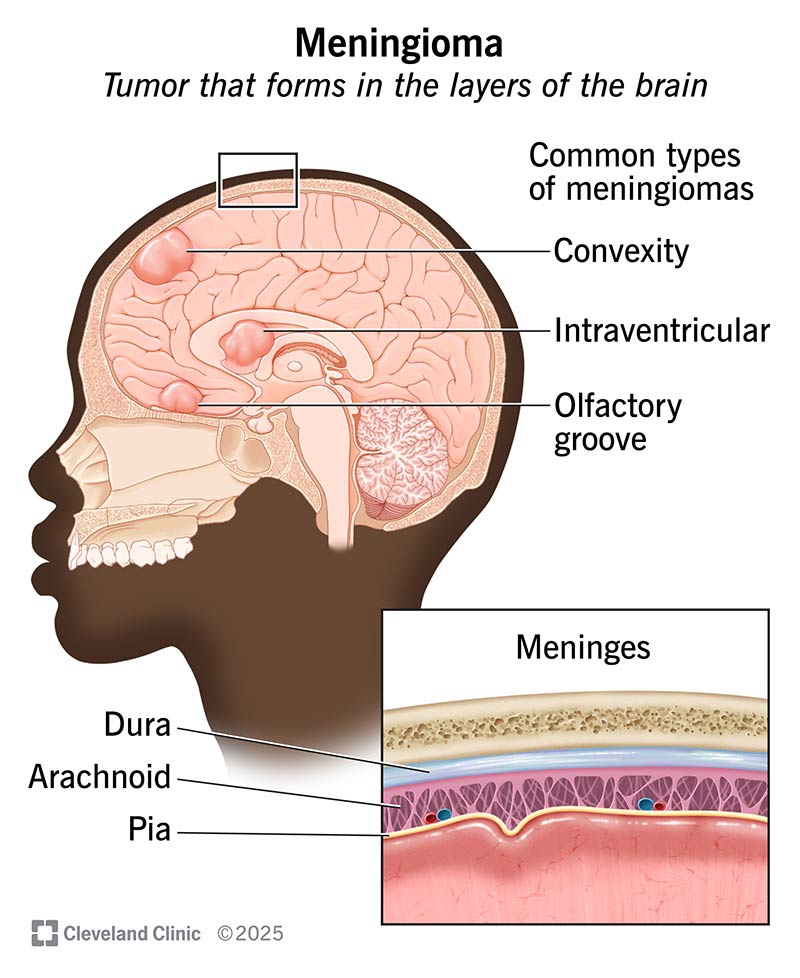
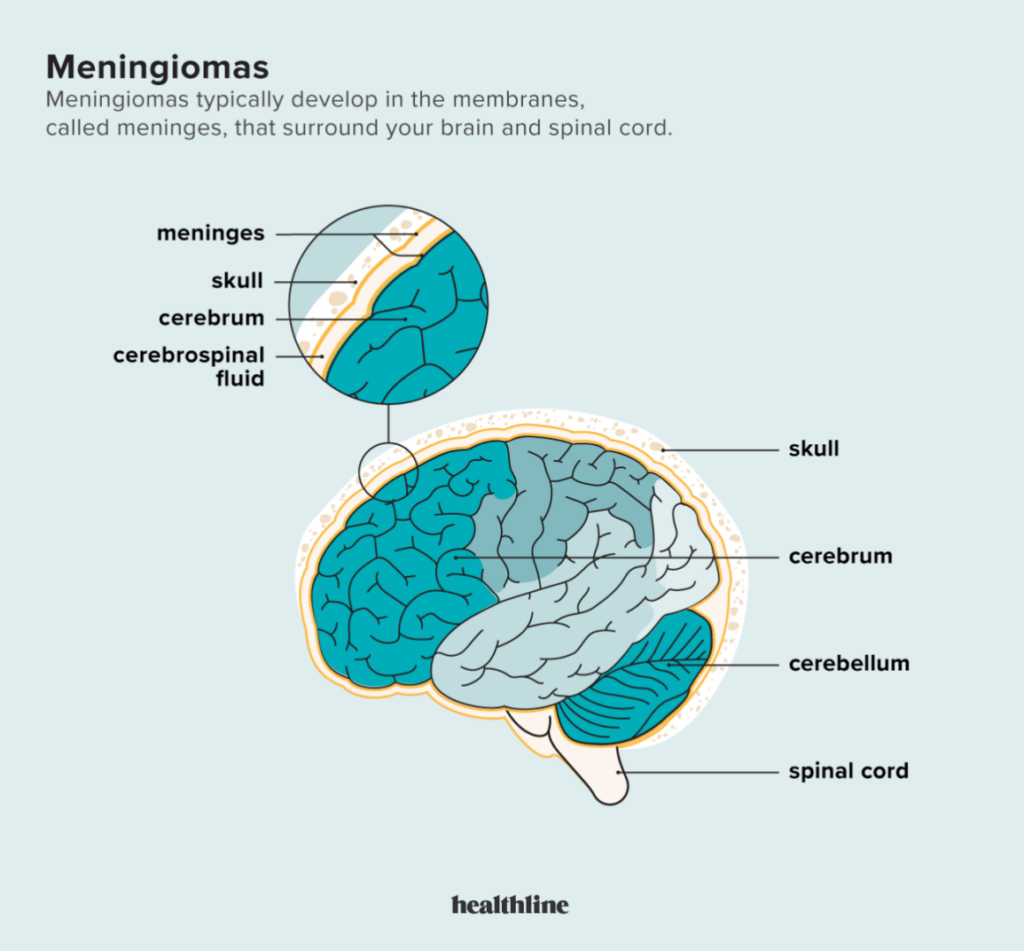
Meningioma is a type of brain tumor that forms in the meninges, the protective layers surrounding the brain and spinal cord. While the exact cause of meningioma is still unknown, certain risk factors have been identified. Understanding these risk factors can help individuals take necessary precautions and seek appropriate medical care.
Gender
One of the risk factors for developing meningioma is gender. The tumor is more commonly found in females than males. Although the reason behind this gender disparity remains unclear, researchers believe that hormonal factors play a significant role.
Females
Research suggests that the higher incidence of meningioma in females could be linked to the influence of female hormones, such as estrogen and progesterone. These hormones are believed to contribute to the growth and development of the tumor. However, further studies are needed to fully understand this relationship between female hormones and meningioma.
Males
While meningioma occurs more frequently in females, it is still important to recognize that males can also develop this brain tumor. Although the reasons for this gender difference are not fully understood, it is crucial for all individuals, regardless of gender, to be aware of the potential risks and take appropriate precautions.
Age
Age is another significant risk factor for meningioma. The tumor most commonly affects middle-aged and older adults, with the average age of diagnosis being around 60 years old. However, it is important to note that meningioma can also occur in children and young adults, although it is relatively rare in these age groups.
Middle-aged and older adults
As mentioned earlier, the likelihood of developing meningioma increases with age, particularly in individuals over the age of 60. Regular medical check-ups and awareness of the common symptoms can aid in early detection and prompt treatment.
Children and young adults
Although meningioma is less common in children and young adults, it is still essential to remain vigilant, as early detection and intervention can lead to improved outcomes. Parents should be aware of any unusual symptoms in their children and consult a healthcare professional if they have concerns.
Radiation exposure
Exposure to radiation, particularly ionizing radiation, is a known risk factor for meningioma. Ionizing radiation includes exposure from sources such as X-rays, CT scans, and certain environmental factors. Additionally, individuals who have received radiation therapy as part of their medical treatment are also at an increased risk.
Ionizing radiation
Excessive exposure to ionizing radiation increases the likelihood of developing meningioma. It is important to minimize unnecessary exposure to radiation whenever possible. This can be achieved by ensuring that medical imaging tests, such as X-rays and CT scans, are only performed when medically necessary.
Radiation therapy
While radiation therapy can effectively treat various medical conditions, it can also increase the risk of developing meningioma later in life. If you have received radiation therapy in the past, it is important to stay in close contact with your healthcare provider and have regular check-ups to monitor any potential long-term effects.
Hormonal factors
Hormonal factors, particularly those related to female hormones, have been implicated in the development of meningioma. The influence of female hormones, pregnancy, menopause, and hormone replacement therapy are all considered potential risk factors.
Female hormones
Female hormones, such as estrogen and progesterone, are thought to contribute to the growth of meningioma. The relationship between these hormones and the tumor is complex and not fully understood, but hormonal therapies may potentially affect tumor growth.
Pregnancy
Some studies suggest that pregnancy may be associated with a temporary increase in the growth of meningiomas. However, the majority of meningiomas do not require any specific treatment during pregnancy. Regular check-ups with your healthcare provider are crucial to monitor any changes in the tumor during pregnancy.
Menopause and hormonal replacement therapy
The hormonal changes that occur during menopause, as well as the use of hormonal replacement therapies, have been linked to an increased risk of meningioma. If you are going through menopause or considering hormonal replacement therapy, it is advisable to consult your healthcare provider to discuss the potential risks and benefits.
Genetic predisposition
While most cases of meningioma occur sporadically without a clear genetic cause, certain genetic conditions have been associated with an increased risk of developing this tumor.
Neurofibromatosis type 2
Individuals with neurofibromatosis type 2 (NF2), a rare genetic disorder, have a significantly higher risk of developing meningioma. NF2 is characterized by the growth of noncancerous tumors on the nerves that control balance and hearing, as well as the development of meningiomas and other tumors in the central nervous system. Genetic testing and counseling are crucial for individuals with a family history of NF2.
Other rare genetic syndromes
In addition to NF2, other rare genetic syndromes, such as Cowden syndrome and familial multiple meningioma syndrome, have also been associated with an increased risk of meningioma. These syndromes involve specific genetic mutations that predispose individuals to develop multiple meningiomas at a younger age. Genetic counseling and testing are essential for individuals with a family history of these conditions.
Environmental factors
While the role of environmental factors in meningioma development is not fully understood, some potential associations have been identified.
Cell phone use
Concerns have been raised about the potential link between cell phone use and brain tumors, including meningioma. However, current research has not provided conclusive evidence to support this claim. It is always advisable to follow the recommended guidelines for safe cell phone usage, such as using hands-free devices and limiting exposure.
Exposure to certain chemicals
Exposure to specific chemicals, such as vinyl chloride and formaldehyde, has been suggested as a potential risk factor for meningioma. However, the relationship between chemical exposure and tumor development is complex and requires further investigation. It is important to be mindful of potential chemical exposures in the workplace and take necessary precautions to minimize risks.
High doses of non-aspirin pain relievers
Some studies have suggested a potential association between regular use of non-aspirin pain relievers, such as acetaminophen and ibuprofen, and an increased risk of developing meningioma. However, more research is needed to fully understand this relationship and establish any causative link. If you have concerns, it is advisable to discuss your pain relief options with your healthcare provider.
Precautions for Meningioma
While it may not be possible to prevent meningioma completely, there are several precautions individuals can take to reduce their risk and ensure early detection.
Regular medical check-ups
Regular medical check-ups are crucial for the early detection and management of meningioma. Your healthcare provider can perform neurological examinations and order imaging tests, such as CT scans or MRI scans, to monitor any changes in the brain and identify any potential tumors. Regular check-ups are especially important as you age, have a family history of meningioma, or have other risk factors.
Avoiding unnecessary radiation exposure
Minimizing unnecessary exposure to radiation is essential for reducing the risk of meningioma. It is important to discuss the potential risks and benefits of medical imaging tests, such as X-rays and CT scans, with your healthcare provider. They can help determine if these tests are necessary and explore alternative diagnostic methods if available.
Hormonal therapy considerations
If you are considering hormonal therapy, such as hormone replacement therapy during menopause, it is important to have open and honest discussions with your healthcare provider. They can assess your individual risks and benefits, guide you on the best treatment options, and monitor any potential effects on meningioma growth.
Genetic counseling and testing
If you have a family history of genetic conditions associated with an increased risk of meningioma, such as neurofibromatosis type 2, it is essential to consult a genetic counselor. Genetic testing can help identify any underlying genetic mutations and provide valuable information for screening and management options.
Lifestyle modifications
Maintaining a healthy lifestyle can contribute to overall well-being and potentially reduce the risk of developing meningioma. This includes maintaining a balanced diet, engaging in regular physical exercise, managing chronic health conditions effectively, and avoiding tobacco and excessive alcohol consumption. While these lifestyle modifications may not directly prevent meningioma, they can contribute to overall health and well-being.
Awareness and education
Increasing public awareness about meningioma is crucial for early detection and improved outcomes. Understanding the risk factors, symptoms, and available treatment options can empower individuals to seek medical attention promptly. Additionally, educating healthcare professionals about the latest research and guidelines ensures that patients receive accurate information and appropriate care. Support groups and educational resources can also provide valuable information and support for individuals and their families affected by meningioma.
In conclusion, while the exact cause of meningioma remains unknown, several risk factors have been identified. Understanding these risk factors and taking the necessary precautions can help individuals reduce their risk and seek early medical intervention. Regular medical check-ups, avoiding unnecessary radiation exposure, considering hormonal therapy carefully, genetic counseling and testing, lifestyle modifications, and increased awareness and education are all essential aspects of managing and addressing meningioma. By remaining vigilant and seeking appropriate medical care, individuals can improve their chances of early diagnosis and successful treatment.