
If you’ve ever wondered about the risk factors and precautions associated with hepatitis, this article is here to shed some light on the subject. Whether you’re concerned about your own health or simply curious to learn more, understanding the factors that contribute to hepatitis and the precautions you can take is essential. From lifestyle choices to vaccination options, this article will provide you with valuable information to help you protect yourself and others from this potentially serious virus. So let’s dive in and explore the world of hepatitis together.
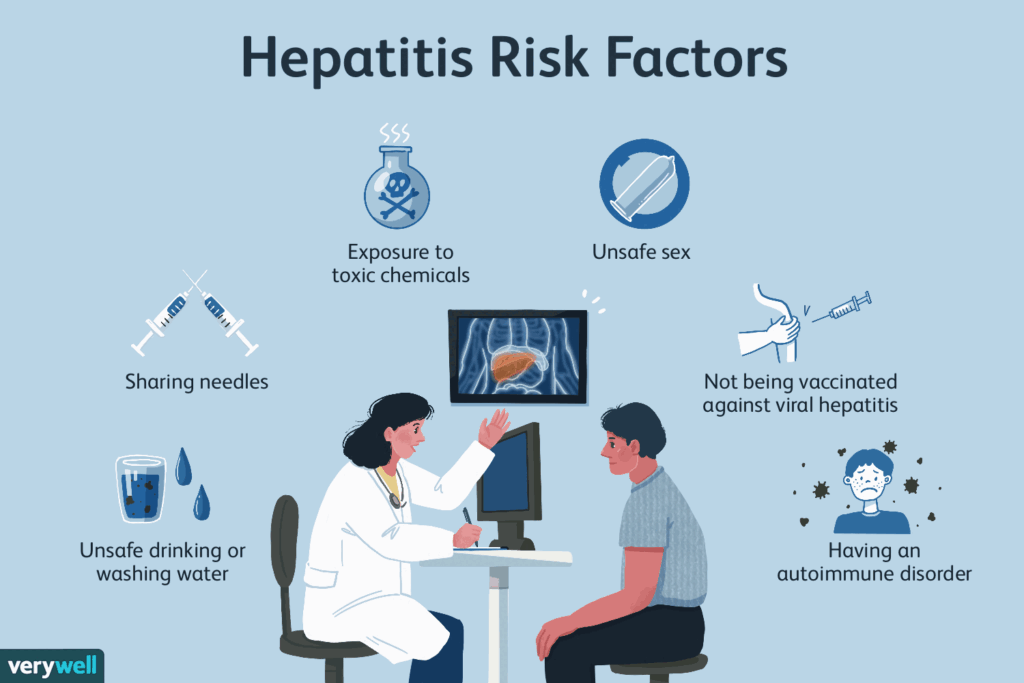
Types of Hepatitis
Hepatitis A
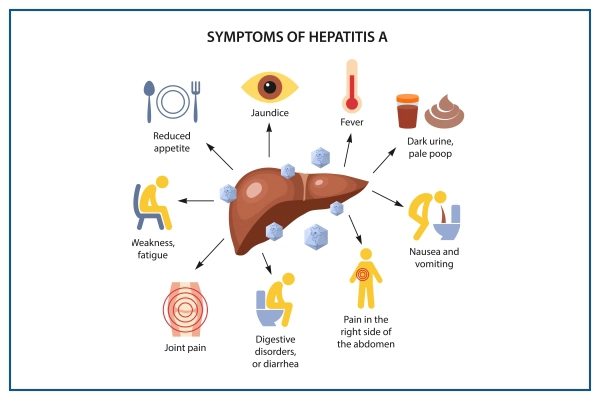
Hepatitis A is a highly contagious liver infection caused by the hepatitis A virus (HAV). It is usually spread through the consumption of contaminated food or water, or through close contact with an infected person. While most people recover from hepatitis A without any long-term complications, it can cause severe symptoms such as fatigue, nausea, abdominal pain, and yellowing of the skin and eyes (jaundice). Hepatitis A can be prevented through vaccination.
Hepatitis B
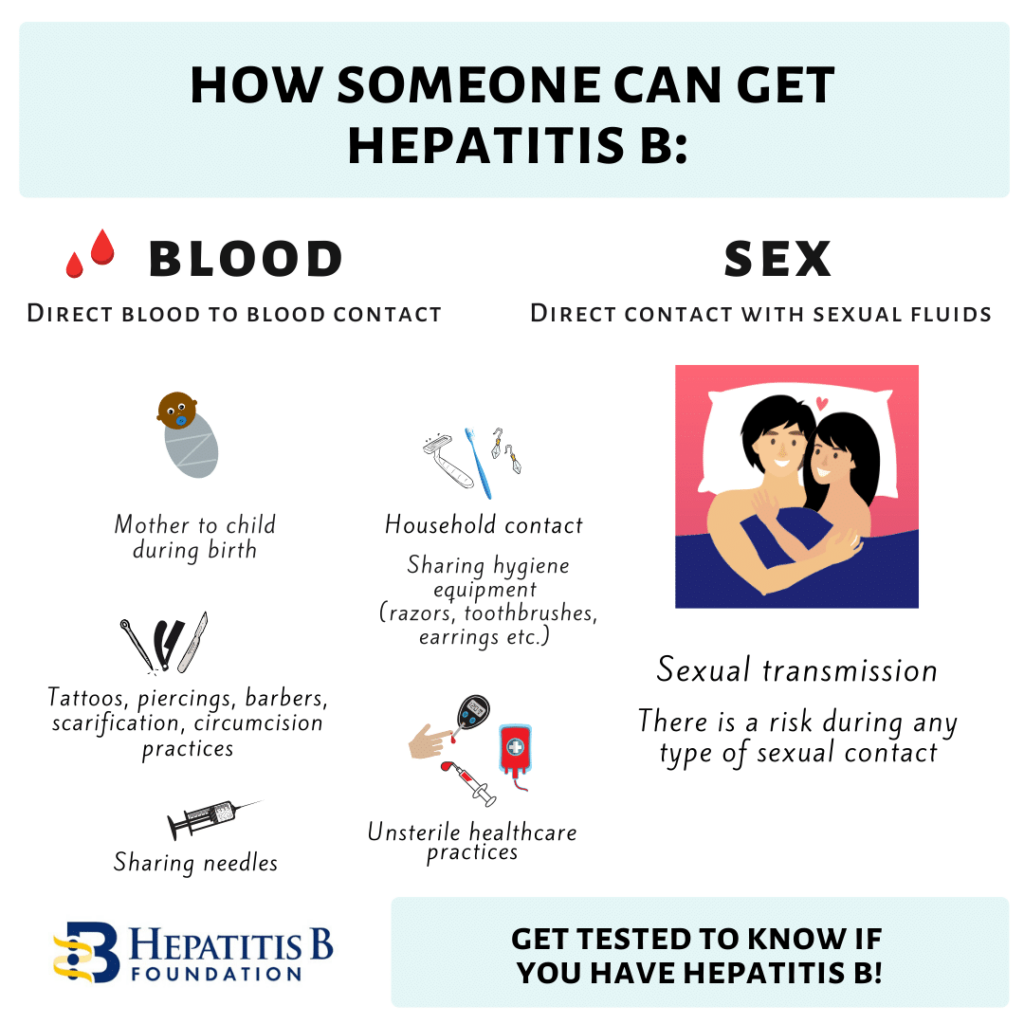
Hepatitis B is a viral infection that affects the liver and is transmitted through blood and other body fluids. It can be spread through sexual contact, sharing of needles or other drug paraphernalia, or from an infected mother to her baby during childbirth. Hepatitis B can cause both acute and chronic infections, with chronic infections leading to long-term complications such as liver cirrhosis and liver cancer. Vaccination is available to prevent hepatitis B.
Hepatitis C
Hepatitis C is a bloodborne virus that primarily infects the liver and can lead to chronic liver disease. It is most commonly spread through the sharing of needles or other drug paraphernalia during drug use. Hepatitis C can also be transmitted through unsafe medical procedures or through sexual contact with an infected person, although these modes of transmission are less common. Many people with hepatitis C do not experience symptoms until the later stages of the disease, making screening and early detection important. Antiviral medications are available to treat hepatitis C and prevent further liver damage.
Hepatitis D
Hepatitis D, also known as delta hepatitis, is a liver infection caused by the hepatitis D virus (HDV). It can only occur in conjunction with a hepatitis B infection, as HDV requires the presence of the hepatitis B virus to replicate itself. Hepatitis D is primarily spread through sexual contact and sharing of needles or other drug paraphernalia. The symptoms, transmission, and prevention of hepatitis D are similar to hepatitis B. Hepatitis B vaccination also provides protection against hepatitis D.
Hepatitis E
Hepatitis E is a liver infection caused by the hepatitis E virus (HEV). It is spread through the consumption of contaminated food or water, especially in areas with poor sanitation. Unlike the other types of hepatitis, hepatitis E does not commonly result in chronic infection. However, it can cause severe symptoms and complications in pregnant women, particularly during the third trimester. Hepatitis E can be prevented by improving sanitation and ensuring access to clean and safe water sources.
Transmission of Hepatitis
Contaminated Food and Water
Hepatitis A and E are primarily transmitted through the consumption of contaminated food or water. Poor sanitation practices and inadequate hygiene can contribute to the spread of these viruses. By practicing safe food and water practices, such as washing hands before eating and preparing meals, avoiding undercooked or raw seafood, and drinking clean water from reputable sources, you can reduce the risk of contracting hepatitis from contaminated foods and drinks.
Fecal-Oral Route
The fecal-oral route is a common mode of transmission for hepatitis A and E. This means that the virus is present in an infected person’s feces and can be spread through contact with contaminated objects, surfaces, or hands. To prevent transmission through the fecal-oral route, it is important to practice good hygiene, including washing hands with soap and water after using the toilet, changing diapers, and before preparing or consuming food.
Blood and Body Fluids
Hepatitis B, C, and D can be transmitted through contact with infected blood or other body fluids, such as semen or vaginal fluids. This can occur through sharing of needles or other drug paraphernalia, unsafe medical procedures, or through sexual contact with an infected person. To reduce the risk of transmission via blood and body fluids, it is important to practice safe injection practices, use sterile needles and equipment, and engage in safe sexual practices, including the use of condoms.
Sexual Contact
Hepatitis B, C, and D can be transmitted through sexual contact, particularly if there are breaks in the skin or mucous membranes. The risk of transmission can be reduced by practicing safe sex, which includes using condoms correctly and consistently, limiting the number of sexual partners, and getting vaccinated against hepatitis B.
Mother to Child Transmission
Hepatitis B and C can be transmitted from an infected mother to her baby during childbirth. To prevent mother-to-child transmission, it is important for pregnant women to receive appropriate medical care, including being tested for hepatitis B and C. Infants born to mothers with hepatitis B should also receive hepatitis B immunoglobulin and the hepatitis B vaccine within 12 hours of birth.
Risk Factors for Hepatitis
Unprotected Sexual Activity
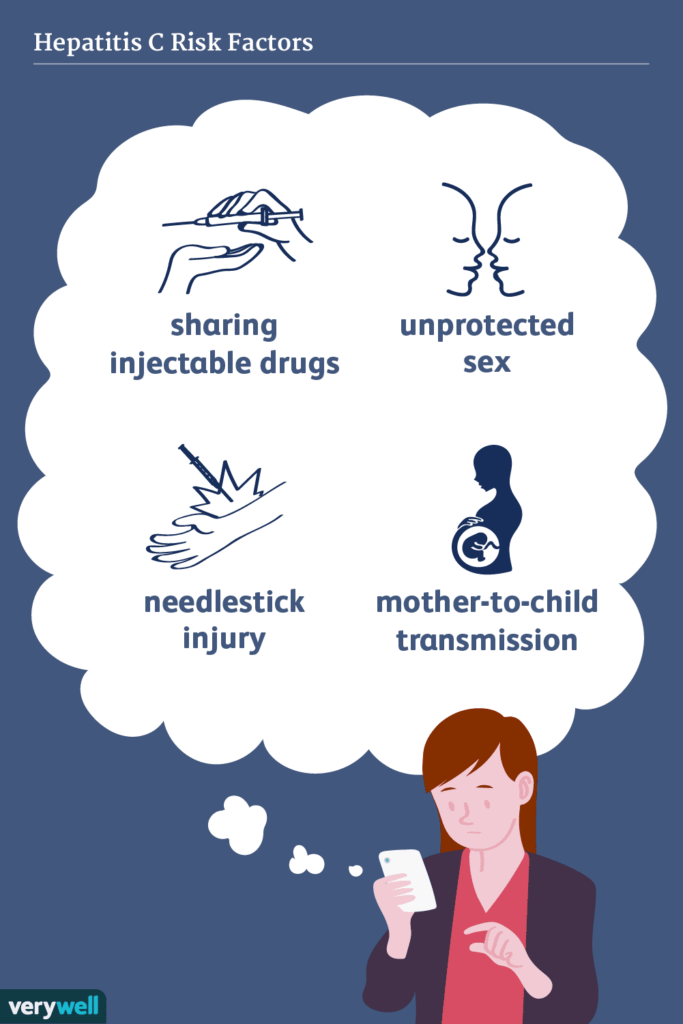
Engaging in unprotected sexual activity, including vaginal, anal, or oral sex, with an infected individual increases the risk of contracting hepatitis B, C, and D. Using barrier methods such as condoms can help reduce the risk of transmission.
Sharing of Needles or Drug Paraphernalia
Sharing needles, syringes, or other drug paraphernalia can expose individuals to hepatitis B, C, and D. It is crucial to avoid sharing these items and to use sterile equipment to reduce the risk of hepatitis transmission.
Tattoo or Body Piercing with Unsterilized Equipment
Having tattoos or body piercings done with unsterilized equipment can increase the risk of contracting hepatitis B and C. It is important to choose reputable establishments that follow proper sterilization procedures to minimize the risk of infection.
Living or Working in Close Quarters with Infected Individuals
Living or working in close quarters with individuals who have hepatitis, especially hepatitis B or C, can increase the risk of transmission. This is particularly true if there is exposure to an infected person’s blood or body fluids. Taking precautions such as using gloves when handling blood or body fluids, practicing good hygiene, and getting vaccinated can help reduce the risk.
Traveling to Regions with High Hepatitis Prevalence
Some regions of the world have a higher prevalence of hepatitis, including hepatitis A, B, and E. Traveling to these areas may increase the risk of exposure. It is important to research the prevalence of hepatitis in the destination country and take appropriate precautions, such as getting vaccinated before travel and practicing safe food and water practices.
Precautions to Reduce Hepatitis Risk
Maintaining Good Hygiene Practices
Practicing good hygiene is essential in reducing the risk of hepatitis transmission, especially for hepatitis A and E. This includes washing hands thoroughly with soap and water before eating or preparing meals, after using the toilet or changing diapers, and after coming into contact with potentially contaminated surfaces or objects. It is also important to maintain a clean and sanitary environment.
Practicing Safe Sex
Using barrier methods, such as condoms, during sexual activity can help reduce the risk of hepatitis B, C, and D transmission. It is also important to limit the number of sexual partners and engage in open and honest communication about sexual history and potential risks.
Avoiding Sharing Personal Items
Sharing personal items such as razors, toothbrushes, or needles can increase the risk of hepatitis transmission. It is important to avoid sharing these items and to use your own personal items to minimize the risk.
Getting Vaccinated
Vaccination is available for hepatitis A and B. Getting vaccinated can provide long-term protection against these viruses, reducing the risk of infection and its complications. Vaccination is also recommended for individuals at high risk of hepatitis B and those traveling to regions with high hepatitis prevalence.
Using Sterile Needles and Equipment
Using sterile needles and equipment is crucial in preventing hepatitis B, C, and D transmission, especially for individuals who inject drugs. This includes using new needles for each injection and not sharing needles or other drug paraphernalia with others.
Following Safe Food and Water Practices
Safe food and water practices help reduce the risk of hepatitis A and E transmission. This includes consuming properly cooked food, avoiding raw or undercooked seafood, washing fruits and vegetables thoroughly, and drinking clean and safe water from reputable sources.

Hepatitis Vaccinations
Hepatitis A Vaccine
The hepatitis A vaccine is recommended for individuals at increased risk of hepatitis A infection, including travelers to regions with high hepatitis A prevalence, men who have sex with men, and individuals with chronic liver disease. The vaccine provides long-term protection against hepatitis A and is given in two doses, with the second dose administered six months after the first dose.
Hepatitis B Vaccine
The hepatitis B vaccine is recommended for all infants, as well as for individuals at increased risk of hepatitis B infection, including healthcare workers, individuals with multiple sexual partners, people who inject drugs, and those with chronic liver disease. The vaccine provides long-term protection against hepatitis B and is typically given in a series of three doses over a six-month period.
Combined Hepatitis A and B Vaccine
For individuals at risk of both hepatitis A and B infections, a combined hepatitis A and B vaccine is available. This vaccine provides protection against both viruses and is administered in a series of three doses.
Screening and Diagnosis
Physical Examination
During a physical examination, a healthcare provider may assess your overall health and look for any signs or symptoms of hepatitis, such as jaundice, abdominal pain, or an enlarged liver.
Blood Tests
Blood tests are commonly used to diagnose hepatitis and determine the type and severity of the infection. These tests can detect the presence of specific hepatitis viruses or antibodies, as well as assess liver function and determine the viral load.
Liver Function Tests
Liver function tests are blood tests that measure the levels of certain enzymes and proteins in the blood that are indicative of liver health and function. Abnormal liver function test results can suggest the presence of hepatitis or other liver conditions.
Viral Serology Tests
Viral serology tests detect specific antibodies or antigens related to hepatitis viruses in the blood. These tests can help determine if a person has been previously infected with a hepatitis virus, if they are currently infected, or if they have developed immunity through vaccination.
Complications of Hepatitis
Liver Cirrhosis
Liver cirrhosis is a late-stage scarring of the liver that is often the result of long-term liver damage caused by hepatitis B or C infections. Cirrhosis can lead to liver failure and other complications, including fluid buildup in the abdomen (ascites), bleeding disorders, and an increased risk of liver cancer.
Liver Failure
Liver failure is a serious and potentially life-threatening condition that occurs when the liver is no longer able to function properly. It can be a result of acute liver failure, which occurs rapidly, or chronic liver failure, which develops gradually over time. Hepatitis B and C infections can lead to liver failure if left untreated or if the disease progresses to an advanced stage.
Liver Cancer
Chronic hepatitis B and C infections are major risk factors for the development of liver cancer, also known as hepatocellular carcinoma. Regular screenings and early detection are crucial in identifying liver cancer at its early stages when treatment is most effective.
Fulminant Hepatitis
Fulminant hepatitis is a rare but severe form of acute hepatitis that can cause rapid liver failure and is usually accompanied by mental confusion, bleeding disorders, and jaundice. It is a medical emergency that requires immediate treatment, including possible liver transplantation.
Treatment Options for Hepatitis
Antiviral Medications
Antiviral medications are commonly used to treat hepatitis B and C infections. These medications aim to suppress the replication of the virus and slow down the progression of liver damage. The specific antiviral medications prescribed may vary depending on the type and severity of hepatitis.
Liver Transplant
In cases of advanced liver disease or liver failure, a liver transplant may be necessary. This involves replacing the diseased liver with a healthy liver from a donor. Liver transplantation can be a life-saving treatment option for individuals with end-stage liver disease caused by hepatitis.
Supportive Care
Supportive care, which focuses on managing symptoms and providing comfort, is an integral part of hepatitis treatment. This may include medications to relieve symptoms such as nausea and pain, dietary modifications, and regular follow-up appointments to monitor liver function and disease progression.
Lifestyle Modifications for Hepatitis Patients
Avoiding Alcohol Consumption
Alcohol consumption can worsen liver damage and increase the risk of complications in individuals with hepatitis. It is important for hepatitis patients to avoid alcohol completely to minimize further liver damage and optimize liver health.
Maintaining a Healthy Diet
A healthy diet is essential for individuals with hepatitis as it helps support liver function and overall well-being. A diet rich in fruits, vegetables, whole grains, and lean proteins can help provide essential nutrients and reduce the risk of complications.
Regular Exercise
Regular exercise is beneficial for individuals with hepatitis as it can help improve liver function, reduce inflammation, and maintain a healthy weight. Engaging in moderate-intensity aerobic activities, such as brisk walking or swimming, for at least 150 minutes per week is recommended.
Rest and Stress Management
Adequate rest and stress management are crucial for individuals with hepatitis as they can help reduce inflammation, support immune function, and promote overall well-being. It is important to prioritize sleep, engage in relaxation techniques, and seek support from healthcare professionals or support groups when needed.
Prevention of Hepatitis Transmission
Practicing Safe Injections and Healthcare Waste Disposal
Appropriate injection practices and proper disposal of healthcare waste are essential in preventing hepatitis transmission within healthcare settings. This includes using sterile needles and syringes, following infection control practices, and ensuring the safe disposal of sharps and other hazardous waste.
Ensuring Access to Clean and Safe Water
Improving access to clean and safe water sources is crucial in reducing the prevalence of hepatitis A and E infections. This can be achieved through improving sanitation systems, treating water from contaminated sources, and promoting safe water practices within communities.
Improving Sanitation and Hygiene Facilities
Enhancing sanitation and hygiene facilities, such as proper waste management and handwashing stations, can help reduce the transmission of hepatitis A and E. This includes promoting hand hygiene practices, improving public sanitation infrastructure, and providing education on proper hygiene practices.
Enhancing Blood Screening and Safety Measures
Ensuring the safety of blood and blood products is vital in preventing hepatitis B, C, and D transmission. This includes implementing strict screening protocols for blood donors, testing donated blood for hepatitis viruses, and implementing appropriate infection control practices within healthcare facilities.
By understanding the different types of hepatitis, how it is transmitted, and the associated risk factors, individuals can take informed precautions to reduce their risk of hepatitis infection. Regular vaccination, practicing good hygiene, and making lifestyle modifications can help protect against hepatitis and minimize its impact on overall health and well-being.