Morning sickness can be an uncomfortable and sometimes debilitating experience for expectant mothers. It is a common condition that affects many women during pregnancy, especially during the first trimester. Understanding the risk factors and taking necessary precautions can help in managing and even preventing morning sickness. In this article, we will explore some of the factors that may increase the likelihood of experiencing morning sickness, as well as effective precautions that can alleviate symptoms and promote a healthier pregnancy.
Risk Factors for Morning Sickness
Pregnancy Hormones
During pregnancy, your body undergoes many hormonal changes, and these hormones play a significant role in the development of morning sickness. Increased levels of human chorionic gonadotropin (hCG), estrogen, and progestogen hormones have been linked to this condition. These hormones can cause nausea and vomiting, especially during the first trimester of pregnancy. Each woman’s reaction to these hormonal shifts varies, so some may experience severe morning sickness while others may have a milder form.
Previous Experience
If you have had morning sickness in a previous pregnancy, there is a higher likelihood that you will experience it again in subsequent pregnancies. Your previous experience may also give you an indication of the severity and duration of your morning sickness symptoms. It’s important to be prepared and make necessary precautions, especially if you had a difficult time managing morning sickness in the past.
Multiple Pregnancies
If you are carrying multiple babies, such as twins or triplets, you have an increased risk of experiencing morning sickness. The hormonal changes in your body are more pronounced with multiple pregnancies, and this can lead to a higher probability of experiencing nausea and vomiting. It is crucial to take extra precautions and consult with your healthcare provider to ensure the well-being of both you and your babies.
Family History
Your family history can also play a role in the likelihood of experiencing morning sickness. If your mother or sisters had morning sickness during their pregnancies, there may be a genetic predisposition that increases your chances of experiencing it as well. While there is no surefire way to prevent morning sickness based on family history alone, being aware of this risk factor can help you be better prepared and seek appropriate support and treatment if needed.
Obesity
Obesity is another risk factor for morning sickness, and it is associated with more severe symptoms. The exact reason behind this correlation is not fully understood, but it is believed that hormonally active fat cells and increased inflammatory markers contribute to the development and severity of morning sickness. Additionally, obesity also increases the risk of a more severe form of morning sickness called hyperemesis gravidarum, which can lead to complications if left untreated.
Stress
Stress can have a significant impact on morning sickness. High-stress levels can contribute to the development and severity of nausea and vomiting during pregnancy. Pregnancy itself can be a stressful time, and external stressors, such as work pressures or personal challenges, can exacerbate morning sickness symptoms. Finding effective stress management techniques and prioritizing self-care is essential in reducing the impact of stress on morning sickness.

Precautions to Reduce Morning Sickness
Maintain a Healthy Diet
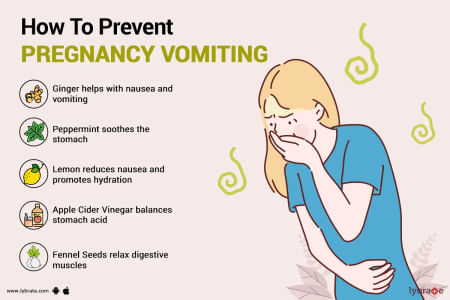
Maintaining a healthy diet is crucial to managing morning sickness. Ensure a balanced nutrient intake by incorporating fruits, vegetables, whole grains, and lean proteins into your meals. Avoid spicy and fatty foods, as they can trigger nausea. Some women find that incorporating ginger and mint into their diet helps alleviate morning sickness symptoms. Experiment with different foods and find what works best for you.
Stay Hydrated
Staying hydrated is vital during pregnancy, especially if you are experiencing morning sickness. Vomiting can lead to dehydration, which can worsen your symptoms. Sip on water throughout the day and consider trying flavored drinks or herbal teas if plain water is difficult to tolerate. If your morning sickness is severe, consult with your healthcare provider about potential hydration options, such as intravenous fluids.
Eat Small, Frequent Meals
Eating small, frequent meals throughout the day can help alleviate morning sickness. Instead of large meals, opt for smaller portions to prevent overwhelming your stomach. Some women find that snacking on bland foods like crackers or plain yogurt helps keep nausea at bay. Experiment with different foods and eating patterns to find what suits you best. Remember to listen to your body and eat when you feel hungry, even if it deviates from traditional meal times.
Avoid Triggers
Identify and avoid triggers that worsen your morning sickness symptoms. Certain smells, sights, or tastes can trigger nausea and vomiting. If you know a particular food, fragrance, or activity makes you feel queasy, try to avoid it. This might involve making changes to your daily routine or asking for support from your partner or loved ones to alleviate exposure to triggers.
Ginger
Ginger has long been used as a natural remedy for nausea, including morning sickness. It has soothing properties that can help alleviate the queasiness associated with pregnancy. Incorporate ginger into your diet through ginger tea, ginger candies, or ginger-infused dishes. However, it’s important to consult with your healthcare provider before using any herbal remedies to ensure they are safe for you and your baby.
Acupuncture or Acupressure
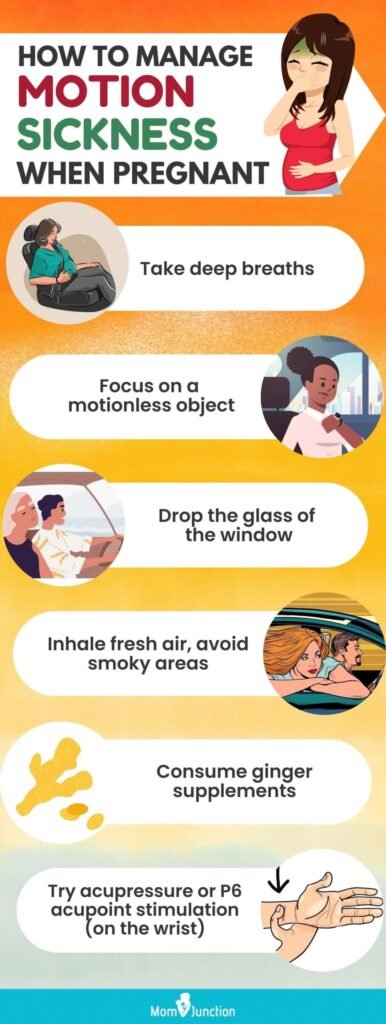
Some women find relief from morning sickness symptoms through acupuncture or acupressure. These techniques involve stimulating specific points on the body to alleviate nausea and vomiting. While not all studies show conclusive evidence of their effectiveness, many women report positive outcomes. Consult with a qualified practitioner to discuss the potential benefits and risks of acupuncture or acupressure during pregnancy.
Vitamin B6
Vitamin B6, also known as pyridoxine, has been found to be effective in reducing morning sickness symptoms for some women. It is available in supplement form and can be taken under the guidance of your healthcare provider. If you are interested in trying vitamin B6, discuss it with your healthcare provider to determine the appropriate dosage and to ensure it is safe for you and your baby.
Aromatherapy
Certain scents and aromas can have a calming effect and aid in reducing morning sickness symptoms. Aromatherapy involves using essential oils, such as lemon, lavender, or peppermint, to promote relaxation and alleviate nausea. However, not all essential oils are safe for use during pregnancy, so it’s important to consult with a qualified aromatherapist or your healthcare provider to ensure the oils you choose are safe for you and your baby.
Avoid Strong Odors
Strong smells can trigger morning sickness symptoms, so it’s important to avoid exposure to strong odors whenever possible. Open windows for fresh air, request scent-free or unscented products, and ask for support from your loved ones to minimize exposure to strong odors. Consider using a fan or air purifier to improve air circulation in your living spaces if necessary.
Rest and Relaxation
Rest and relaxation are key to managing morning sickness. Adequate sleep is essential for your overall well-being and may help reduce the severity of symptoms. Incorporate stress reduction techniques into your daily routine, such as deep breathing exercises, meditation, or gentle yoga. Prioritize self-care activities that help you relax and unwind, such as taking baths, listening to soothing music, or engaging in hobbies you enjoy.
By understanding the risk factors and taking necessary precautions, you can reduce the impact of morning sickness on your daily life. Remember that each pregnancy is unique, and what works for one woman may not work for another. Listen to your body, seek support from your healthcare provider, and adjust your routine as needed to ensure a healthy and comfortable pregnancy journey.