Lyme disease, a tick-borne illness, can have serious implications on your health if left untreated. It is crucial to be aware of the risk factors and take necessary precautions to protect yourself. In this article, you will learn about the key risk factors associated with Lyme disease and discover effective measures you can take to reduce your chances of contracting this potentially debilitating condition. Stay informed and safeguard your wellbeing by understanding the risks and implementing the right precautions.

Risk Factors for Lyme Disease
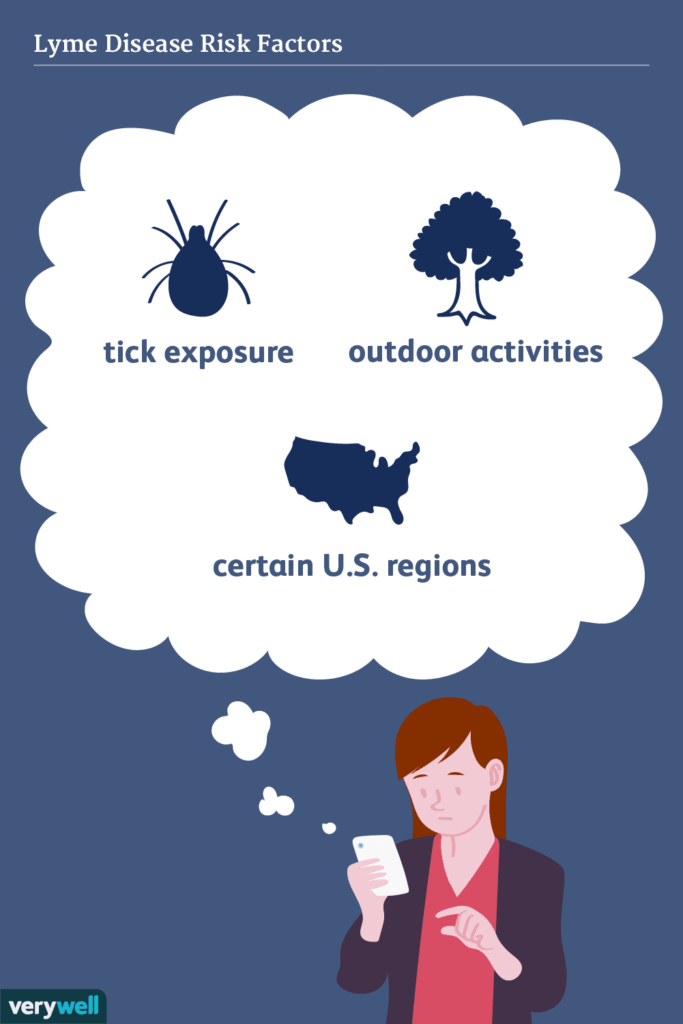
Lyme disease, a tick-borne illness caused by the bacterium Borrelia burgdorferi, can have serious health implications if left untreated. While it can affect anyone, there are certain risk factors that can increase your chances of contracting this disease. By understanding these risk factors and taking necessary precautions, you can protect yourself and your loved ones.
Geographical Location
One of the primary risk factors for Lyme disease is your geographical location. Certain areas are known to have a higher prevalence of infected ticks, increasing the likelihood of transmission. In the United States, the Northeast, Mid-Atlantic, and Upper Midwest regions are considered high-risk areas. These regions include states such as Connecticut, Massachusetts, New Jersey, Pennsylvania, Wisconsin, and Minnesota, among others.
Outdoor Activities
Engaging in outdoor activities is another risk factor for Lyme disease. Spending time in wooded or grassy areas where ticks thrive can increase your exposure to infected ticks. Certain activities, such as camping and hiking, put you at a higher risk as they involve prolonged outdoor exposure. Similarly, gardening and landscaping activities that involve direct contact with vegetation can also increase the chances of encountering ticks.
Exposure to Ticks
Direct exposure to ticks is a significant risk factor for Lyme disease. Tick bites can occur when the tick latches onto your skin and feeds on your blood. Spending time in tick-infested areas, such as forests, meadows, and gardens, increases the likelihood of getting bitten. The longer the tick remains attached, the greater the chances of disease transmission.
Seasonal Factors
Seasonal factors play a crucial role in the risk of contracting Lyme disease. Ticks are most active during the spring and summer months when the weather is warm and humid. Their activity peaks during these seasons, increasing the chances of encountering an infected tick. It is important to remain vigilant during this time and take necessary precautions to protect yourself from tick bites.
Age and Gender
Age and gender can also influence your risk of contracting Lyme disease. Children are considered more vulnerable due to their tendency to spend a significant amount of time outdoors and their smaller physical size, which makes it easier for ticks to go unnoticed. However, adults who engage in outdoor activities are equally susceptible. Additionally, women have been found to be at a slightly higher risk compared to men, although the reasons for this are not yet fully understood.
Weakened Immune System
Having a weakened immune system can increase the risk and severity of Lyme disease. Individuals with conditions such as HIV/AIDS, cancer, or those undergoing immunosuppressive treatments are more likely to experience complications if infected with the Lyme disease bacterium. Their immune systems may not effectively fight the infection, making prompt diagnosis and treatment even more critical.
Geographical Location
The risk of Lyme disease varies depending on your geographical location. Some areas are considered high-risk due to the presence of infected ticks. In the United States, the Northeast, Mid-Atlantic, and Upper Midwest regions have a higher incidence of Lyme disease. These regions are characterized by forested landscapes, abundant wildlife, and suitable tick habitats. Therefore, it is essential to be aware of your location’s risk level and take appropriate precautions.
High-Risk Areas
Certain states within the United States are renowned for their high incidence of Lyme disease. These states include Connecticut, Massachusetts, New Jersey, Pennsylvania, Wisconsin, and Minnesota, among others. The tick populations in these areas are more likely to carry the Lyme disease bacterium, increasing the chances of transmission. If you reside or travel to these high-risk areas, it is crucial to be extra vigilant and take necessary precautions.
Spread of Lyme Disease
It is important to note that Lyme disease is not confined to high-risk areas alone. The disease has been reported in all 50 states of the United States and across various countries worldwide. Ticks can easily hitch a ride on migratory birds or other animals, spreading the disease to new regions. Therefore, regardless of your location, it is essential to be aware of the risk factors and take appropriate precautions to protect yourself.
Outdoor Activities
Engaging in outdoor activities is a common risk factor for Lyme disease. Spending time in environments where ticks thrive increases your exposure to these disease-carrying parasites. There are specific activities that pose a higher risk, requiring additional precautions to prevent tick bites.
Campers and Hikers
Campers and hikers spend extended periods of time in wooded or grassy areas, making them more susceptible to tick bites. These activities involve close contact with nature and increase the likelihood of tick encounters. Tall grass, leaf litter, and bushes provide ideal habitats for ticks, and they may cling onto clothing or skin when brushed against. If planning a camping or hiking trip, it is crucial to take preventive measures to minimize the risk of tick bites.
Gardening and Landscaping
Gardening and landscaping enthusiasts also face an increased risk of Lyme disease. These activities involve direct contact with vegetation, mulch, and soil where ticks may be present. Simple tasks such as weeding, planting, or pruning can result in tick bites if proper precautions are not taken. It is advisable to wear protective clothing and perform regular tick checks when working in the garden or manipulating the landscape.
Exposure to Ticks
Direct exposure to ticks is a key risk factor for contracting Lyme disease. Understanding how ticks bite and where they can be found is crucial in minimizing exposure and preventing infection.
Tick Bite
Ticks attach to their hosts by latching onto the skin and feeding on blood. They often prefer warm and moist areas, such as the armpits, groin, or scalp. However, they can attach themselves anywhere on the body. Tick bites are usually painless, as ticks secret an anesthetic when they bite. This makes it important to thoroughly check your body for ticks after spending time outdoors, especially in high-risk areas.
Tick-Infested Areas
Ticks are commonly found in wooded or grassy areas, often near animal habitats or popular hiking trails. They tend to thrive in environments with abundant wildlife, such as deer or rodents, which serve as their hosts. When exploring these areas, it is essential to stay on designated trails, avoid tall grass and dense vegetation, and use appropriate personal protective measures such as insect repellent and protective clothing.
Seasonal Factors
Seasonal factors significantly influence the risk of contracting Lyme disease. Ticks are most active during the spring and summer months when the weather is warm and humid. Understanding the peak times for tick activity can help you take necessary precautions to avoid tick bites.
Spring and Summer
Ticks become more active as temperatures rise during the spring and summer. They tend to be more prevalent during these seasons, increasing the chances of encountering an infected tick. Higher levels of rainfall and humidity also contribute to the ideal conditions for ticks to thrive. It is essential to be particularly vigilant during these months and practice preventive measures to reduce the risk of tick bites.
Tick Activity
Ticks are most active when temperatures are above freezing, typically around 45°F (7°C) or higher. They become more active in the daytime when the weather is mild, especially during the spring and fall months. However, they can remain active throughout the year, even in colder climates. It is important not to underestimate the risk of tick bites during any season and always be mindful of preventive measures.
Age and Gender
Age and gender can influence an individual’s susceptibility to Lyme disease. Understanding how these factors may impact the risk can help prioritize preventive measures and increase awareness.
Children
Children are considered more vulnerable to Lyme disease due to various factors. They tend to spend more time engaged in outdoor activities, such as playing in grassy areas or exploring wooded environments. Their smaller size also makes it easier for ticks to go unnoticed, increasing the chances of infection. Parents and caregivers should be extra cautious and take necessary precautions to protect children from tick bites.
Adults
Adults who engage in outdoor activities are equally susceptible to Lyme disease. Whether it’s going for a hike, camping, or gardening, adult individuals who spend time outdoors are at risk of tick bites. It is important for them to be aware of the potential dangers and take preventive measures to reduce the risk of infection.
Women
Studies have shown that women may have a slightly higher risk of Lyme disease compared to men. The reasons for this gender difference are not yet fully understood. It is believed that hormonal differences and varying immune responses between sexes may play a role. Regardless of gender, it is crucial for both men and women to be vigilant and take necessary precautions to prevent Lyme disease.
Weakened Immune System
Having a weakened immune system can increase the risk and severity of Lyme disease. Individuals with conditions that compromise their immune system, such as HIV/AIDS or cancer, are more vulnerable to infections, including Lyme disease. Similarly, those undergoing immunosuppressive treatments, such as organ transplant recipients, are at higher risk. It is important for individuals with weakened immune systems to take extra precautions and seek prompt medical attention if they suspect a tick bite or exhibit any concerning symptoms.
Immunocompromised Individuals
Immunocompromised individuals face unique challenges when it comes to Lyme disease. Their compromised immune systems may not effectively fight off the infection, leading to more severe symptoms and potential complications. It is crucial for these individuals to promptly seek medical attention if they suspect a tick bite or develop any signs or symptoms associated with Lyme disease.
Precautions for Lyme Disease
Taking necessary precautions can significantly reduce the risk of contracting Lyme disease. By implementing these preventive measures, you can protect yourself, your loved ones, and your pets from tick bites and potential infections.
Wear Protective Clothing
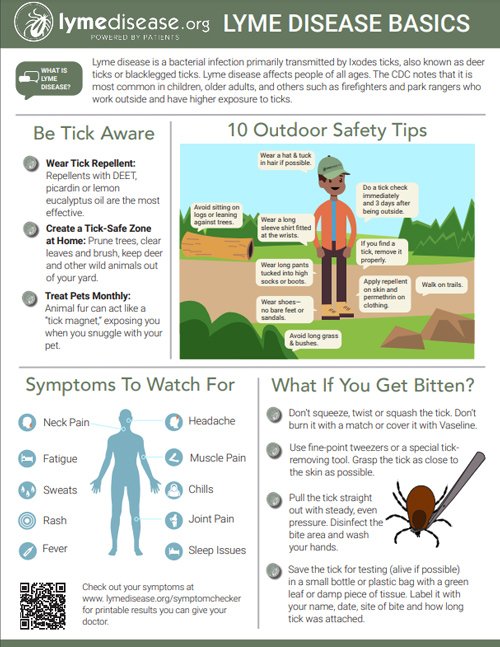
When spending time outdoors in tick-prone areas, wearing protective clothing can help minimize the risk of tick bites. This includes wearing long-sleeved shirts, long pants, and closed-toe shoes. Tucking your pants into your socks provides an added layer of protection, making it more difficult for ticks to reach your skin. Additionally, choosing light-colored clothing makes it easier to spot ticks that may have hitched a ride.
Use Insect Repellent
Applying an effective insect repellent can help repel ticks and reduce the chances of getting bitten. Look for repellent products that contain ingredients like DEET, picaridin, or oil of lemon eucalyptus. Follow the instructions on the product label for proper application and reapplication, especially if you are engaging in outdoor activities for an extended period.
Perform Regular Tick Checks
After spending time outdoors, it is crucial to perform thorough tick checks on yourself, your family members, and your pets. Pay close attention to concealed areas, such as the scalp, armpits, groin area, and behind the ears. Inspecting your body for any ticks ensures prompt removal and reduces the risk of infection. If you find a tick attached, remove it carefully using tweezers or a tick removal tool while ensuring its mouthparts are fully extracted.
Create Tick-Free Zones
Creating tick-free zones in your outdoor living spaces adds an extra layer of protection. Regularly mowing the lawn, removing leaf litter, and trimming shrubs can reduce tick habitats. Consider utilizing gravel or wood chips as a barrier between your lawn and wooded areas, creating a separation that discourages ticks from entering your yard. Additionally, keeping play areas and recreational spaces away from wooded or grassy areas can help minimize tick encounters.
Proper Tick Removal
If you find a tick attached to your skin, proper removal is crucial to minimize the risk of infection. Using fine-tipped tweezers, grasp the tick as close to the skin’s surface as possible and gently pull upward with steady pressure. Avoid twisting or squeezing the tick, as this may cause its mouthparts to break off and remain in the skin. After removing the tick, clean the area with an antiseptic lotion or soap and water.
Tick Control in Pets
Pets, especially dogs, can also be vulnerable to tick bites and Lyme disease. Consult with your veterinarian about appropriate tick prevention methods for your pets. Prescription tick preventives, tick collars, and regular grooming can help protect your furry companions from ticks. Additionally, perform regular tick checks on your pets, especially after spending time in tick-prone areas.
Landscaping Tips
Taking preventive measures in your landscaping can help reduce the presence of ticks and minimize the risk of tick bites. Consider implementing landscaping practices that discourage tick habitats, such as removing leaf litter, clearing tall grass, and creating barriers between your yard and wooded areas. Additionally, employing integrated pest management techniques and utilizing tick-repellent plants can provide natural tick control.
Awareness of Signs and Symptoms
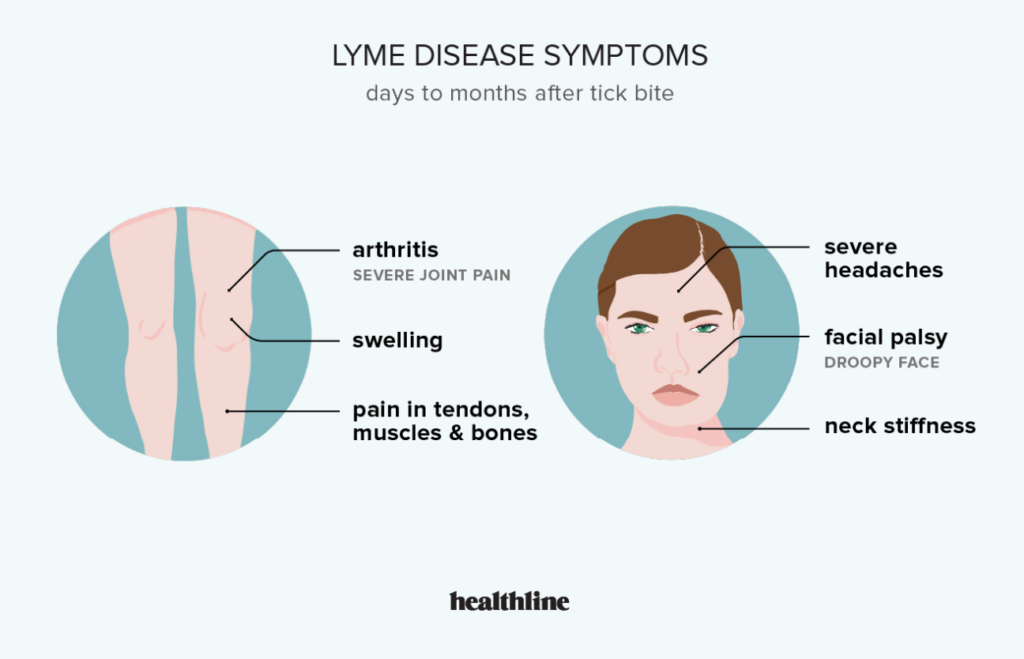
Being aware of the signs and symptoms of Lyme disease is essential for early detection and prompt treatment. Common symptoms include fever, fatigue, headache, and a characteristic rash known as erythema migrans. However, these symptoms may vary from person to person. It is important to seek medical attention if you develop any concerning symptoms after a tick bite or after spending time in tick-infested areas.
Prompt Diagnosis and Treatment
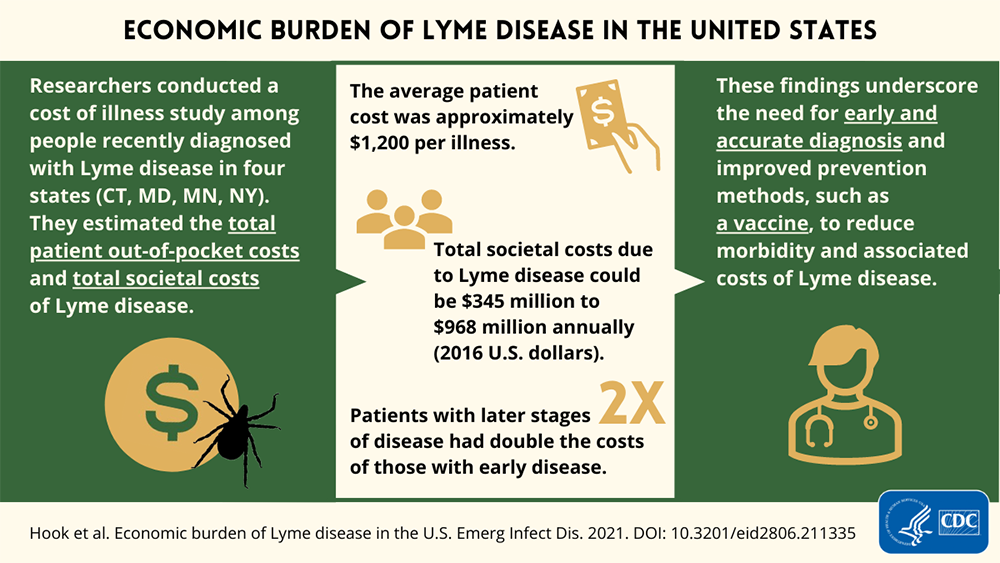
If you suspect that you have been bitten by a tick or have symptoms suggestive of Lyme disease, it is crucial to seek medical attention promptly. Early diagnosis and treatment with antibiotics are essential to prevent complications and long-term health issues. Inform your healthcare provider about your potential exposure to ticks, and they can guide you through the necessary diagnostic tests and prescribe appropriate treatment if needed.
By understanding the risk factors associated with Lyme disease and implementing necessary precautions, you can significantly reduce the chances of contracting this debilitating illness. Remember to be vigilant, protect yourself and your loved ones, and seek medical attention if warranted. With proper knowledge and preventive measures, you can enjoy the outdoors safely and maintain your health and well-being.