Psoriatic arthritis is a condition that affects individuals who already have psoriasis, a chronic skin condition characterized by red, scaly patches. However, not all individuals with psoriasis develop psoriatic arthritis. This article aims to provide a brief overview of the risk factors associated with psoriatic arthritis and the precautions that can be taken to manage this condition effectively. By understanding these factors and taking necessary precautions, you can reduce the risk and impact of psoriatic arthritis on your life.
Risk Factors for Psoriatic Arthritis
Family History
If you have a family history of psoriasis or psoriatic arthritis, you may be at a higher risk of developing this condition. Research has shown that certain genes can make individuals more susceptible to developing psoriatic arthritis. While having a family history does not guarantee that you will develop the condition, it is important to be aware of this risk factor and monitor your health closely.
Psoriasis
Psoriasis is a chronic skin condition characterized by red, itchy, and scaly patches on the skin. It is estimated that up to 30% of individuals with psoriasis will eventually develop psoriatic arthritis. The link between psoriasis and psoriatic arthritis is not fully understood, but research suggests that the inflammatory processes involved in both conditions are intertwined. If you have psoriasis, it is essential to pay attention to any joint pain or stiffness and consult with a healthcare professional.
Age
While psoriatic arthritis can affect individuals of any age, it is more commonly seen in adults between the ages of 30 and 50. The risk of developing psoriatic arthritis generally increases with age. However, it is important to note that children and teenagers can also develop this condition. If you experience any joint pain, swelling, or stiffness, regardless of your age, it is crucial to seek medical attention.
Gender
Psoriatic arthritis can affect both men and women. However, research has shown that men are more likely to develop psoriatic arthritis at an earlier age compared to women. On the other hand, women have a higher risk of developing psoriasis. It is still uncertain as to why there is a gender difference in the development and progression of psoriatic arthritis. Regardless of your gender, it is important to be aware of the risk factors and take appropriate precautions.
Obesity
Obesity is a risk factor that can contribute to the development and progression of psoriatic arthritis. Excess body weight puts additional stress on the joints, leading to increased inflammation and a higher risk of developing joint problems. Maintaining a healthy weight through a balanced diet and regular exercise can help reduce the risk of developing not only psoriatic arthritis but also other chronic conditions.
Infections
Certain infections, such as streptococcal throat infections or respiratory infections, may trigger the onset of psoriatic arthritis in individuals who are genetically predisposed to the condition. The infection can stimulate an immune response in susceptible individuals, leading to the development of psoriatic arthritis. Taking precautions to prevent and promptly treat infections may help reduce the risk of developing this condition.
Smoking
Smoking has been identified as a risk factor for the development and severity of psoriatic arthritis. Research has shown that smoking can worsen the symptoms of psoriasis and increase the risk of developing psoriatic arthritis. Smoking can also interfere with the effectiveness of treatments for psoriatic arthritis. Quitting smoking is crucial for managing psoriatic arthritis and improving overall health.
Stress
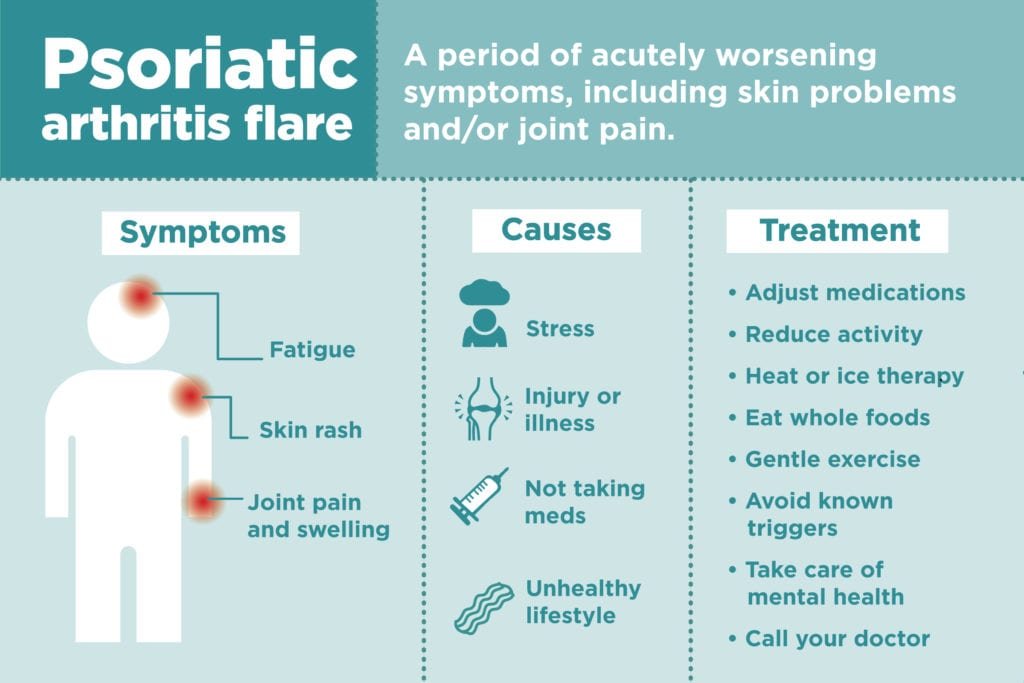
Stress is known to worsen symptoms of psoriasis and can potentially trigger the development of psoriatic arthritis. When you are stressed, your body releases stress hormones that can increase inflammation in the body, including the joints. Engaging in stress-reducing activities such as meditation, yoga, or hobbies can help manage stress and potentially reduce the risk of developing psoriatic arthritis.
Joint Injury
Sustaining a joint injury, such as a fracture or sprain, can increase the risk of developing psoriatic arthritis. The injury can trigger an inflammatory response in the joints, especially in individuals who are genetically predisposed to psoriatic arthritis. Taking appropriate precautions to prevent joint injuries is important, especially if you already have psoriasis or a family history of psoriatic arthritis.
Medications
Certain medications, especially those used to treat psoriasis, can increase the risk of developing psoriatic arthritis. These medications, known as systemic biologic therapies, can suppress the immune system, which can sometimes trigger the development of psoriatic arthritis. It is important to discuss any potential risks with your healthcare provider before starting any medication for psoriasis.

Precautions for Psoriatic Arthritis
Regular Exercise
Regular exercise is vital for maintaining joint flexibility, strength, and overall physical well-being. Engaging in low-impact exercises such as swimming, walking, or yoga can help relieve joint pain and stiffness associated with psoriatic arthritis. Consult with a healthcare professional or a physiotherapist to develop an exercise plan that is suitable for your condition and individual needs.
Healthy Diet
A healthy diet plays a crucial role in managing psoriatic arthritis. Consuming a balanced diet rich in fruits, vegetables, whole grains, lean proteins, and healthy fats can help reduce inflammation in the body. It is important to limit the intake of processed foods, sugary beverages, and foods high in saturated and trans fats, as they can contribute to inflammation and worsen symptoms. Consulting with a registered dietitian can provide personalized dietary recommendations.
Maintain a Healthy Weight
Maintaining a healthy weight is essential for managing psoriatic arthritis. Excess weight puts additional stress on the joints, leading to increased pain and inflammation. Adopting a healthy lifestyle that includes regular exercise and a balanced diet can help achieve and maintain a healthy weight. It is important to set realistic weight-loss goals and focus on gradual, sustainable changes rather than quick fixes.
Manage Stress
Stress management is crucial for individuals with psoriatic arthritis, as stress can trigger flare-ups and worsen symptoms. Incorporating stress-reducing activities into your daily routine, such as practicing mindfulness, deep breathing exercises, or engaging in hobbies, can help manage stress and improve overall well-being. Don’t hesitate to seek support from therapists or support groups if you feel overwhelmed.
Take Medications as Prescribed
If you have been prescribed medications for psoriatic arthritis, it is important to take them as prescribed by your healthcare provider. Medications such as nonsteroidal anti-inflammatory drugs (NSAIDs), disease-modifying anti-rheumatic drugs (DMARDs), and biologic therapies can help manage symptoms, reduce inflammation, and slow down the progression of the disease. Regularly communicate with your healthcare provider regarding the effectiveness and potential side effects of these medications.
Avoid Triggers
Identifying and avoiding triggers that worsen symptoms of psoriatic arthritis can help minimize flare-ups. Triggers can vary from person to person, but common triggers include stress, certain foods, alcohol, extreme weather conditions, and exposure to chemicals or irritants. Keeping a symptom diary can help identify potential triggers, allowing you to make necessary lifestyle adjustments to improve your quality of life.
Proper Joint Care
Taking care of your joints is essential for managing psoriatic arthritis. Avoiding repetitive motions or overuse of affected joints can help prevent further damage and reduce pain. Utilizing assistive devices, such as braces or orthotics, can provide support and reduce stress on the joints. It is important to consult with a healthcare professional or occupational therapist for advice on joint protection techniques.
Regular Check-ups
Regular check-ups with a healthcare provider who specializes in arthritis or rheumatology are important for monitoring the progression of psoriatic arthritis. During these appointments, your healthcare provider may perform physical examinations, order laboratory tests, and assess your response to medications. It is important to communicate any changes or concerns regarding your symptoms to your healthcare provider.
Quit Smoking
If you are a smoker, quitting smoking is crucial for managing psoriatic arthritis. Smoking worsens both psoriasis and psoriatic arthritis symptoms and can interfere with the effectiveness of treatments. Quitting smoking can significantly improve your overall health outcomes and reduce the risk of developing other smoking-related diseases. Seek support from healthcare professionals or smoking cessation programs to help you quit successfully.
Protect Your Joints
Protecting your joints from injury or excessive strain is key for managing psoriatic arthritis. Avoid activities that put excessive stress on the joints, such as high-impact sports or heavy lifting. Use proper body mechanics and ergonomic tools to minimize strain on your joints during daily activities. Wearing appropriate footwear that provides cushioning and support can also help reduce joint pain and inflammation.
In conclusion, being aware of the risk factors for psoriatic arthritis and taking appropriate precautions can help minimize the likelihood of developing this condition or manage its symptoms effectively. By embracing a healthy lifestyle, seeking professional medical care, and making necessary lifestyle adjustments, you can enhance your quality of life and reduce the impact of psoriatic arthritis on your daily activities. Remember, you are not alone in this journey, and there is a multitude of resources and support available to help you navigate and manage psoriatic arthritis successfully.