Swollen testicles, medically known as orchitis, can be a cause for concern among men. This article provides valuable insights into the risk factors associated with swollen testicles and practical precautions to prevent or manage this condition. By understanding the factors that contribute to the swelling and implementing the necessary precautions, you can ensure the well-being of your testicles and maintain good overall health. So, let’s explore the world of swollen testicles and equip ourselves with the knowledge to take care of our precious assets!

Risk Factors
Age
One of the risk factors for swollen testicles is age. It is more common for younger boys and adolescent males to experience swollen testicles. This is because during puberty, there is an increased production of hormones, which can lead to various changes in the body, including the growth and development of the testicles. As boys grow older and reach adulthood, the risk of swollen testicles decreases.
Injury or trauma
Injury or trauma to the testicles can also be a risk factor for swelling. Accidents, falls, or direct blows to the groin area can cause damage to the testicles, resulting in swelling and pain. It is important to be cautious during physical activities and sports to prevent such injuries. Wearing protective gear, such as a cup or athletic supporter, can help reduce the risk of testicular trauma.
Infection
Infections in the testicles or surrounding areas can lead to swelling. Common infections that can cause this include epididymitis, orchitis, and sexually transmitted diseases (STDs). These infections can be caused by bacteria or viruses and may result in inflammation and pain. Practicing safe sex, maintaining good hygiene, and seeking prompt medical attention for any signs of infection can help reduce the risk of testicular swelling.
Sexually transmitted diseases
Sexually transmitted diseases are a significant risk factor for swollen testicles. STDs, such as gonorrhea and chlamydia, can cause infections in the reproductive system, including the testicles. These infections can lead to swelling, pain, and other complications. Using barrier methods of contraception, such as condoms, and getting tested regularly for STDs can help prevent the transmission of these infections and reduce the risk of swollen testicles.
Testicular torsion
Testicular torsion occurs when the spermatic cord, which provides blood supply to the testicles, becomes twisted. This can result in a sudden and severe pain in the testicles, along with swelling. Testicular torsion is a medical emergency that requires immediate attention to prevent permanent damage to the testicles. While it is not possible to prevent testicular torsion, understanding the symptoms and seeking immediate medical help can improve the chances of successful treatment.
Varicocele
Varicoceles are enlarged and swollen veins in the scrotum. They are similar to varicose veins that occur in the legs. Varicoceles can cause discomfort and swelling in the testicles. While the exact cause of varicoceles is unknown, they are more commonly found in adolescent boys and adult men. If varicoceles are causing significant discomfort or affecting fertility, medical intervention may be necessary.
Hydrocele
A hydrocele is a buildup of fluid around the testicles, resulting in swelling. It can occur due to various reasons, such as injury, infection, or an underlying medical condition. While hydroceles can sometimes resolve on their own, persistent or large hydroceles may require medical treatment. Maintaining good overall health and seeking medical advice if any abnormal swelling occurs can help address this risk factor.
Orchitis
Orchitis is the inflammation of one or both testicles, usually caused by a viral or bacterial infection. Swelling, pain, and tenderness are common symptoms of orchitis. It is important to seek medical attention promptly for proper diagnosis and treatment. Preventive measures, such as practicing good hygiene, avoiding contact with infected individuals, and getting vaccinated against diseases like mumps, can help reduce the risk of orchitis.
Epididymitis
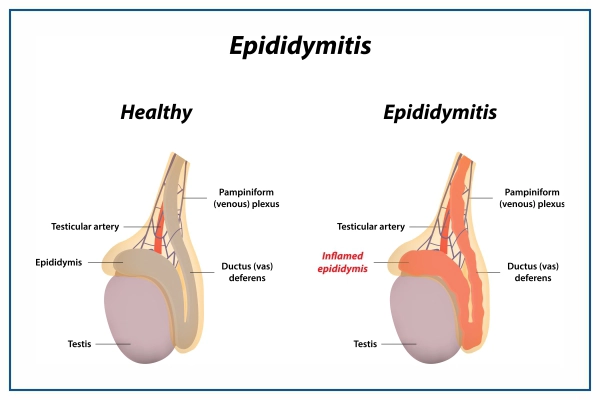
Epididymitis is the inflammation of the epididymis, a tube that carries sperm from the testicle. Infections, such as those caused by bacteria or sexually transmitted diseases, can lead to epididymitis and subsequent swelling of the testicles. Early diagnosis and appropriate treatment are essential to prevent complications. Practicing safe sex, maintaining good hygiene, and seeking prompt medical attention if symptoms occur can help reduce the risk of epididymitis.
Testicular cancer
While relatively rare, testicular cancer is an important risk factor for swollen testicles. Testicular cancer often presents as a lump or swelling in the testicles. Regular self-examinations and prompt medical evaluation of any abnormal findings are crucial in detecting testicular cancer at an early stage. Young men are at a higher risk of developing testicular cancer, so awareness and regular screenings are essential for managing this risk factor.
Precautions
Self-examination
Regular self-examinations of the testicles can help identify any changes or abnormalities, such as swelling or lumps. This can be done by gently feeling the testicles and the surrounding areas to check for any lumps, changes in size, or pain. Self-examinations should be performed at least once a month, and any concerns should be promptly discussed with a healthcare professional.
Protection during sports and physical activities
Engaging in sports and physical activities carries the risk of testicular injury. Wearing appropriate protective gear, such as a cup or athletic supporter, can provide an extra layer of protection and help prevent testicular trauma. It is important to choose gear that fits well and provides adequate support during physical activities.
Safe sexual practices
Practicing safe sex is crucial in reducing the risk of sexually transmitted infections that can cause testicular swelling. This includes consistent and correct use of condoms, regular STD testing, and limiting sexual partners or having mutually monogamous relationships. Open communication with sexual partners about sexual health and seeking medical attention if any symptoms or concerns arise are also important precautions.
Prompt treatment of infections
Infections, such as epididymitis, orchitis, and STDs, can lead to testicular swelling. Seeking prompt medical attention at the first sign of an infection can help prevent complications and reduce the risk of testicular swelling. It is important to complete the prescribed course of antibiotics or antiviral medication as directed by a healthcare professional.
Healthy lifestyle choices
Maintaining a healthy lifestyle can contribute to overall well-being, including the health of the testicles. This includes regular exercise, a balanced diet, and adequate hydration. Avoiding smoking, excessive alcohol consumption, and illicit drug use is also important in reducing the risk of testicular problems.
Regular physical examinations
Regular physical examinations by a healthcare professional can help detect any testicular abnormalities at an early stage. During these examinations, a healthcare professional will evaluate the size, shape, and texture of the testicles, as well as check for any swelling or other abnormalities. Regular check-ups should be scheduled as recommended by a healthcare provider.
Prompt medical attention
If you notice any swelling, pain, or other abnormalities in your testicles, it is important to seek prompt medical attention. Early evaluation and diagnosis by a healthcare professional can help determine the underlying cause and provide appropriate treatment. Delaying medical attention may lead to complications or delay in addressing the issue.
By understanding the risk factors and taking appropriate precautions, you can reduce the likelihood of experiencing swollen testicles. Being proactive in maintaining good overall health, practicing safe sex, and seeking prompt medical attention when needed are all essential in minimizing the risk and potential complications associated with testicular swelling. Remember, your health is important, and taking care of your reproductive health is an integral part of overall well-being.