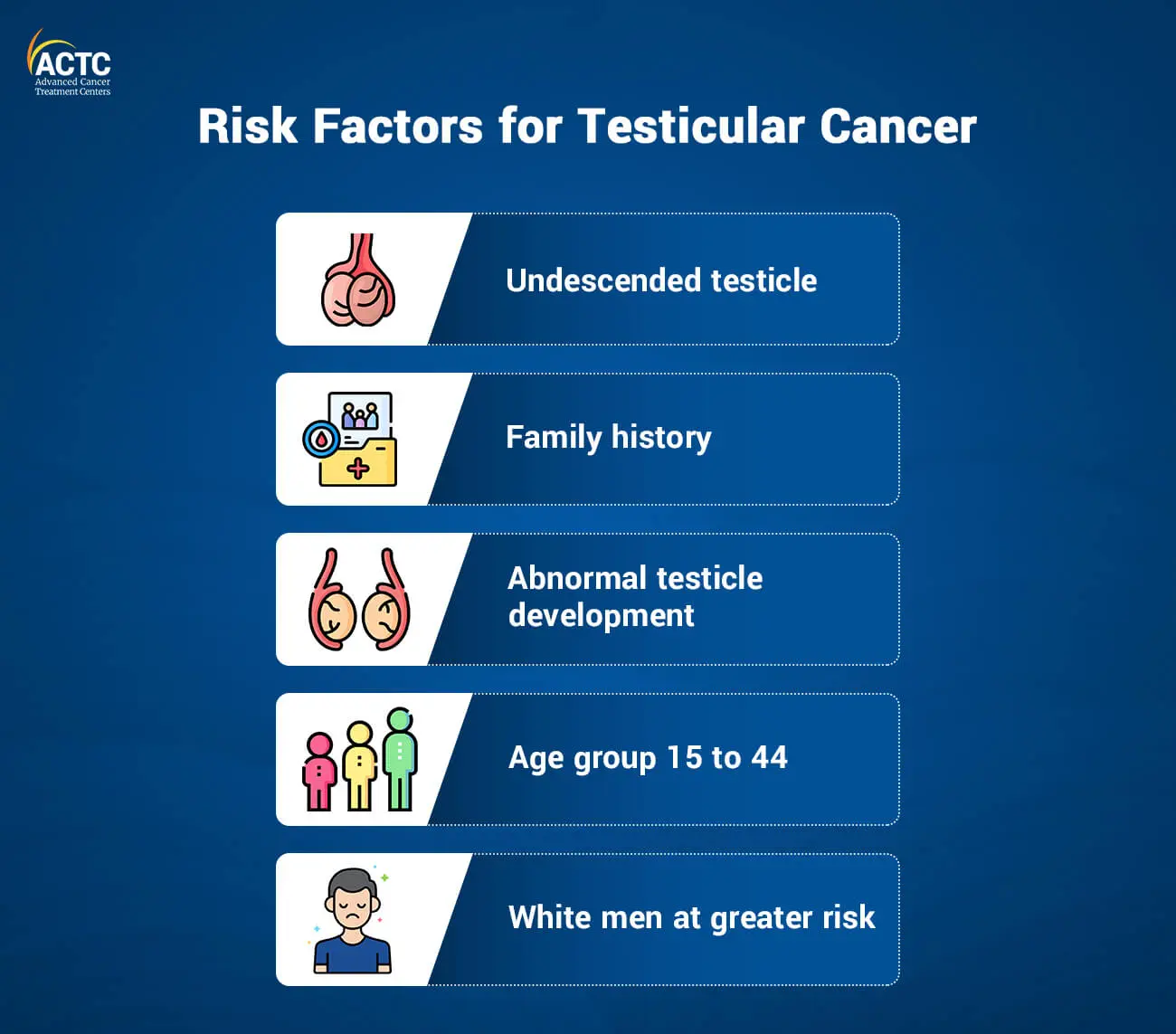
Are you aware of the risk factors associated with testicular cancer? Understanding the potential triggers and taking necessary precautions can greatly reduce your chances of developing this form of cancer. In this article, we will explore the various risk factors that may contribute to testicular cancer and identify the precautions you can take to protect yourself. By staying informed and proactive, you can safeguard your health and lower the risks associated with this disease.
Risk Factors for Testicular Cancer
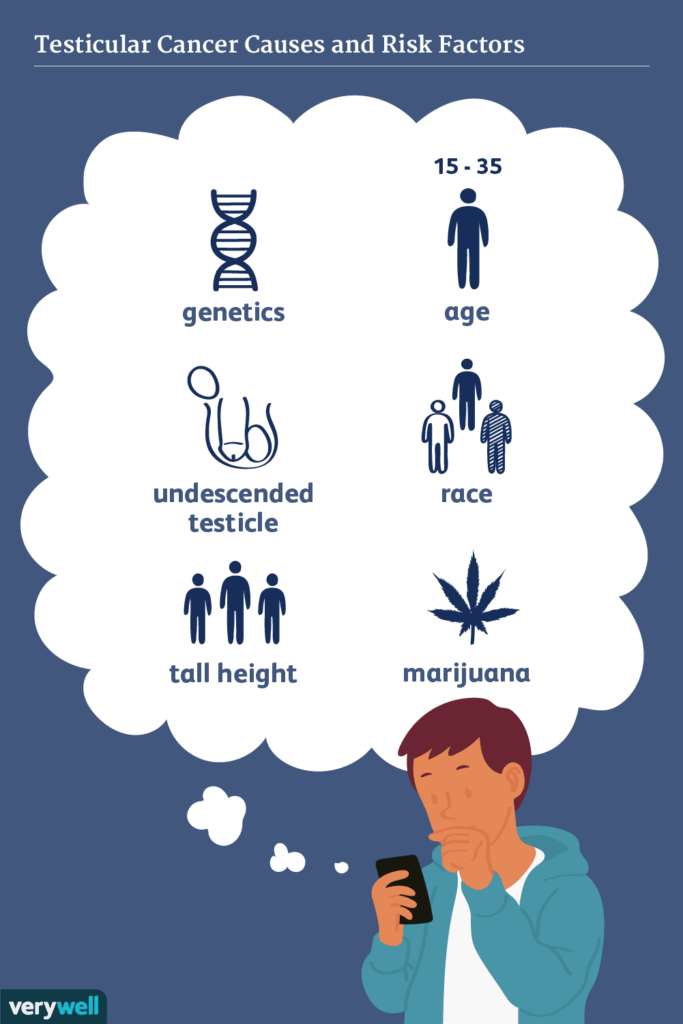
Testicular cancer is a type of cancer that occurs in the testicles, which are responsible for producing sperm and testosterone. While the exact causes of testicular cancer are still unknown, several risk factors have been identified that may increase the chances of developing this disease. By being aware of these risk factors, you can take proactive steps to reduce your risk and maintain optimal health.
Age
Age is a significant risk factor for testicular cancer, with most cases diagnosed in young and middle-aged men. The highest risk occurs between the ages of 15 and 44, with the peak incidence around the age of 30. It is essential for men within this age group to be vigilant about their testicular health and be aware of any abnormalities.
Cryptorchidism
Cryptorchidism, or undescended testicle(s), is a condition where the testicles fail to move into the scrotum during fetal development. Men with a history of cryptorchidism are at an increased risk of testicular cancer, especially if both testicles were affected. Regular monitoring and early treatment of this condition are crucial to minimize the risk of testicular cancer development.
Family History
A family history of testicular cancer can significantly increase an individual’s risk of developing the disease. If you have a close relative, such as a father or brother, who has had testicular cancer, it is essential to be vigilant and take appropriate screening measures. Genetic counseling can provide valuable insights into the potential risks and screening recommendations for individuals with a family history of testicular cancer.
Ethnicity
Ethnicity plays a role in the risk of testicular cancer. White men have a higher incidence rate compared to men of Asian or African-American descent. The reasons for these differences are not entirely understood but may be linked to genetic factors or variations in lifestyle and environmental exposures. Regardless of ethnicity, all men should take proactive steps to reduce their risk of testicular cancer.
HIV Infection
Men with HIV infection, especially those with a weakened immune system, are at a higher risk of developing testicular cancer. Regular medical check-ups and close monitoring of testicular health are crucial for individuals living with HIV. By maintaining a strong immune system and following appropriate precautions, the risk of testicular cancer can be minimized.
Personal History of Testicular Cancer
Men who have previously had testicular cancer are at an increased risk of developing a second testicular cancer. This risk persists even after successful treatment. Regular follow-up and surveillance, including self-examinations and medical check-ups, are essential to detect any recurrence or new developments at an early stage.
Abnormal Testicular Development
Abnormal testicular development, such as testicular atrophy or hypoplasia, can be a risk factor for testicular cancer. Certain conditions, including testicular dysgenesis syndrome or disorders affecting hormone production, may increase the risk further. Regular monitoring by medical professionals and appropriate treatment measures can help reduce the risk associated with abnormal testicular development.
Klinefelter Syndrome
Klinefelter syndrome is a genetic condition characterized by the presence of an additional X chromosome in males (XXY). Men with Klinefelter syndrome have an increased risk of developing testicular cancer. Diagnostic tests, such as hormone levels and imaging studies, can aid in early detection and prompt intervention, leading to improved outcomes.
Occupational Hazards
Certain occupations or exposures to certain hazards can increase the risk of testicular cancer. Individuals working in industries such as agriculture, construction, or manufacturing may face a higher risk due to potential exposure to harmful chemicals or substances. Minimizing exposure to occupational hazards through proper safety measures and protective equipment is crucial to reducing the risk of testicular cancer.
Radiation Exposure
Exposure to radiation, either through medical treatments such as radiation therapy or environmental factors such as nuclear accidents, can increase the risk of testicular cancer. Minimizing unnecessary radiation exposure, following appropriate safety guidelines during medical procedures, and taking necessary precautions in radioactive environments are essential preventive measures.
Precautions to Reduce the Risk of Testicular Cancer
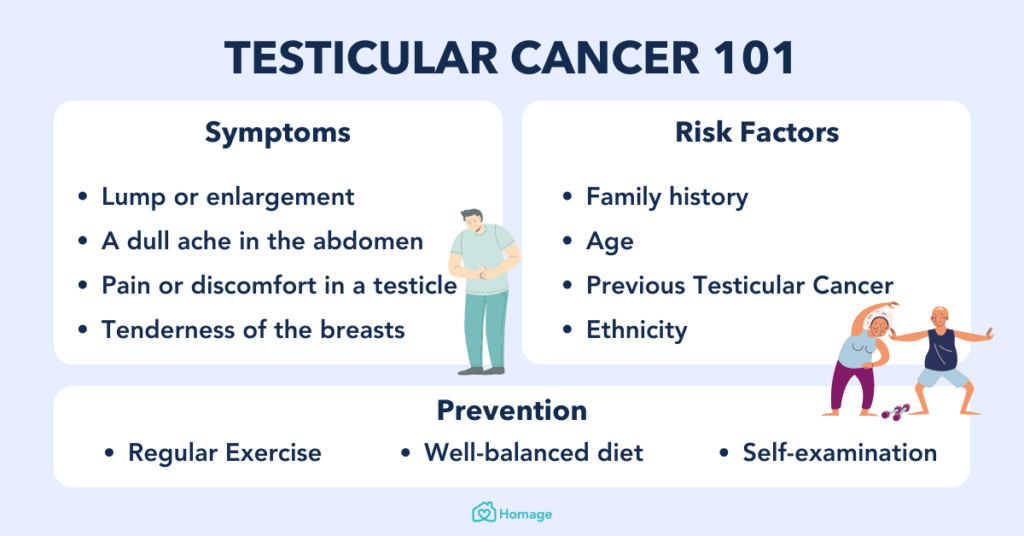
While some risk factors for testicular cancer cannot be controlled, there are several precautions individuals can take to reduce their risk and maintain optimal testicular health.
Self-Examination
Regular self-examinations of the testicles can help identify any abnormalities or changes. By familiarizing yourself with how your testicles normally feel, you can quickly detect any lumps, swellings, or other changes that may indicate a potential problem. If you notice any abnormalities, it is important to consult a healthcare professional promptly.
Regular Medical Check-ups
Scheduling regular check-ups with a healthcare professional is essential for maintaining overall health, including the early detection of any potential testicular issues. During these check-ups, your healthcare provider can perform a physical examination, discuss any concerns or symptoms, and recommend appropriate screenings or diagnostic tests based on your risk factors.
Healthy Lifestyle Choices
Adopting a healthy lifestyle can significantly contribute to reducing the risk of various cancers, including testicular cancer. Maintaining a balanced diet, engaging in regular exercise, avoiding tobacco and excessive alcohol consumption, and managing stress can enhance overall health and potentially decrease the risk of developing testicular cancer.
Avoiding Testicular Trauma
Protecting the testicles from trauma is important to maintain their health. Taking precautions during physical activities or sports, such as wearing protective gear, can significantly reduce the risk of testicular injuries that may lead to long-term complications, including testicular cancer.
Protection from Occupational Hazards
If you work in an industry that exposes you to potential hazards, such as harmful chemicals or substances, it is crucial to follow safety guidelines and use appropriate protective equipment. Employers should provide comprehensive training and implement policies that prioritize the safety and well-being of their employees.
Minimizing Radiation Exposure
If you require radiation therapy for any condition, it is important to discuss potential risks and preventative measures with your healthcare provider. Following appropriate safety protocols during treatment and minimizing unnecessary exposure to radiation can help reduce the risk of testicular cancer and other potential complications.
In conclusion, understanding the risk factors associated with testicular cancer empowers individuals to take appropriate precautions and prioritize their testicular health. By being proactive and adopting healthy lifestyle choices, undergoing regular check-ups, and adhering to recommended screening guidelines, the risk of testicular cancer can be minimized, allowing for early detection and improved outcomes. Remember, your health is in your hands, and taking care of your testicular health is essential for overall well-being.