
Having a healthy scalp is not only essential for a great head of hair, but it also contributes to your overall well-being. Unfortunately, scalp psoriasis can disrupt this balance and lead to discomfort, embarrassment, and frustration. Understanding the risk factors associated with scalp psoriasis and taking necessary precautions is crucial in managing this condition effectively. In this article, we will explore the various risk factors that can increase your susceptibility to scalp psoriasis and provide valuable tips on preventive measures you can take to alleviate symptoms and maintain a healthy scalp.
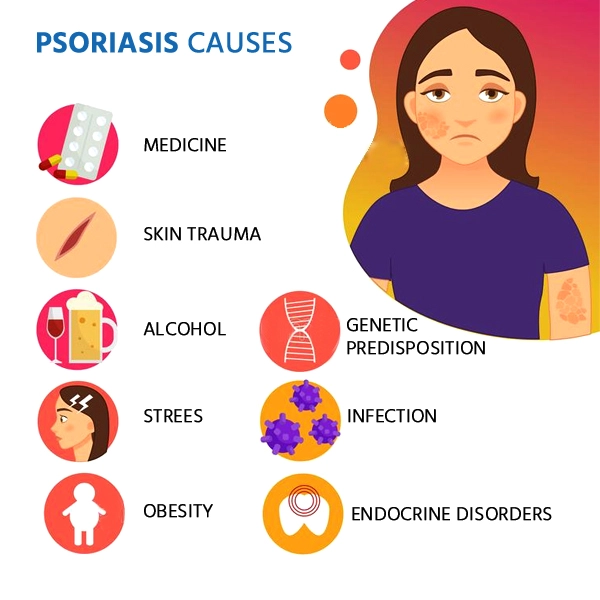
Risk Factors
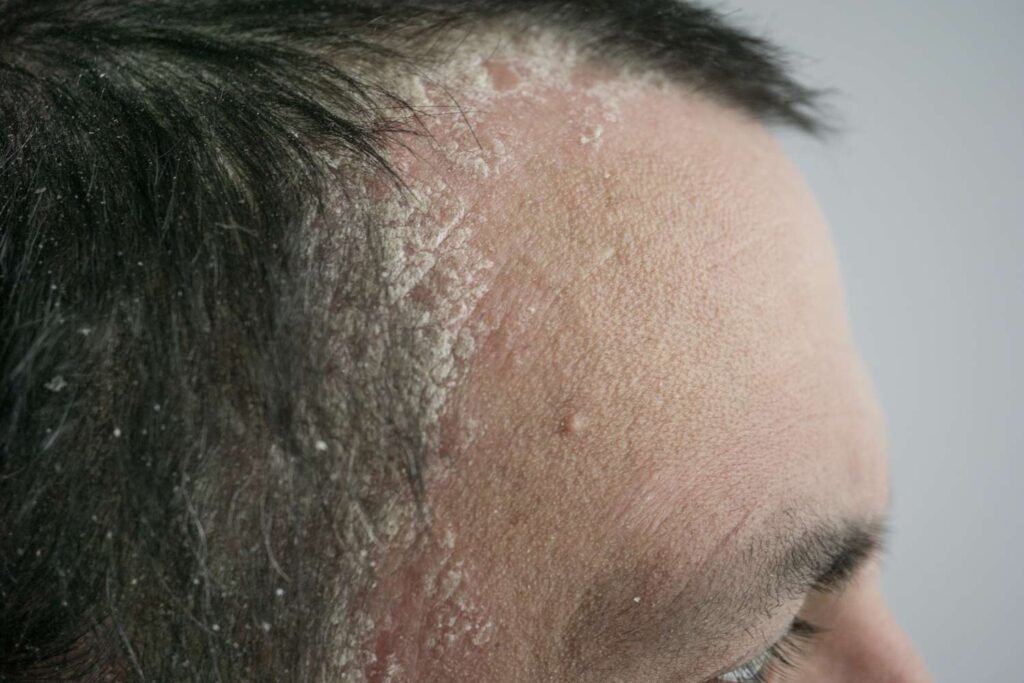
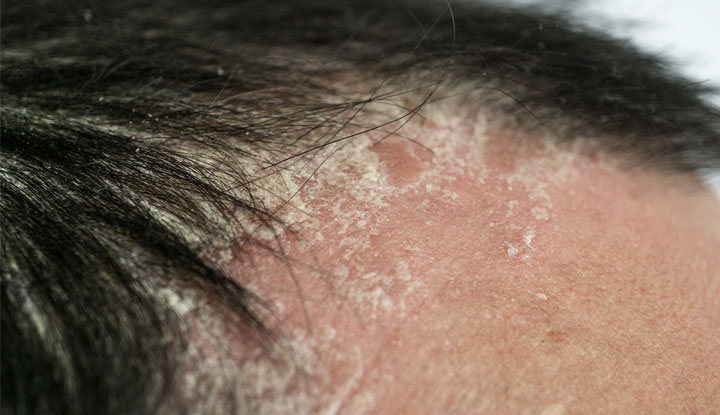
Scalp psoriasis is a chronic skin condition characterized by the presence of red, flaky patches on the scalp. While the exact cause of scalp psoriasis is still unknown, several risk factors have been identified. It is important to be aware of these risk factors in order to take necessary precautions and minimize the chances of developing this condition.
Genetic factors
One of the primary risk factors for scalp psoriasis is genetic predisposition. If you have a family history of psoriasis, especially scalp psoriasis, you may be at a higher risk of developing the condition yourself. The susceptibility genes associated with psoriasis play a role in regulating the immune system and the growth of skin cells. Therefore, individuals with these genes are more likely to develop psoriasis, including scalp psoriasis.
Environmental factors
Environmental factors can also contribute to the development of scalp psoriasis. Climate plays a significant role, as dry and cold weather conditions are known to exacerbate symptoms. Low humidity levels can cause the skin to dry out, leading to increased itching and flaking. Additionally, exposure to certain chemicals, such as hair dyes or hair styling products, can trigger or worsen scalp psoriasis in susceptible individuals. It is important to be mindful of these environmental factors and take precautions accordingly.
Stress
Stress, both psychological and physical, has been identified as a risk factor for scalp psoriasis. Psychological stressors, such as work-related stress, relationship issues, or financial difficulties, can activate the body’s stress response system. This can lead to an increase in inflammation in the body, which in turn can worsen scalp psoriasis symptoms. Similarly, physical stressors like illness, injury, or surgery can also trigger or aggravate scalp psoriasis. It is crucial to manage stress effectively and adopt stress-reducing techniques to minimize its impact on scalp psoriasis.
Obesity
Studies have shown a link between obesity and the development of psoriasis. Being overweight or obese can increase the risk of developing scalp psoriasis, as well as other forms of psoriasis. The exact mechanisms linking obesity and psoriasis are still being studied, but it is believed that adipose tissue (fat cells) release inflammatory substances that contribute to the development and progression of psoriasis. Maintaining a healthy weight through proper diet and regular exercise can be beneficial in reducing the risk of scalp psoriasis.
Smoking
Smoking has been identified as a potential risk factor for scalp psoriasis. Research suggests that there is an association between smoking and psoriasis, including scalp psoriasis. The exact mechanisms by which smoking contributes to psoriasis are not fully understood, but it is believed that smoking affects the immune system and increases inflammation in the body, which can exacerbate scalp psoriasis symptoms. Quitting smoking can not only improve your overall health, but it may also help in managing scalp psoriasis effectively.
Precautions
While it may not be possible to completely prevent the development of scalp psoriasis, there are certain precautions that can be taken to minimize the risk and manage the condition effectively.
Avoid triggers
Identifying and avoiding triggers that can worsen scalp psoriasis is an important precaution to take. Some common triggers include irritating hair products, such as harsh shampoos or styling gels, cold and dry weather conditions, injury to the scalp, and certain medications. By being aware of these triggers and making conscious choices to avoid them, you can help reduce the frequency and severity of scalp psoriasis flare-ups.
Maintain proper scalp hygiene
Maintaining good scalp hygiene is crucial in managing scalp psoriasis. Regular shampooing is important to keep the scalp clean and reduce the buildup of scales. It is recommended to use mild, fragrance-free shampoos that are specially formulated for sensitive scalps. Gently massaging the scalp while shampooing can help in removing scales without causing irritation. Additionally, avoiding excessive scratching can prevent further damage to the scalp and minimize the risk of secondary infections.
Moisturize the scalp
Applying moisturizers to the scalp can help in reducing dryness and itchiness associated with scalp psoriasis. Look for moisturizers that are specifically designed for psoriasis or sensitive skin and apply them after shampooing. It is important to choose non-greasy moisturizers that won’t weigh down the hair or leave a residue. Regular moisturizing can help in soothing the scalp and preventing excessive flaking.
Use gentle hair products
Choosing gentle hair products can make a significant difference in managing scalp psoriasis. Avoid using harsh shampoos or styling products that contain chemicals that can irritate the scalp. Look for products that are labeled as hypoallergenic or specifically formulated for sensitive scalps. It is also recommended to minimize heat styling and avoid tight hairstyles that can put additional strain on the scalp.
Protect the scalp from trauma
Taking precautions to protect your scalp from trauma can help in preventing scalp psoriasis flare-ups. This includes wearing protective headgear, such as hats or scarves, to shield the scalp from cold weather or direct sunlight. Additionally, avoiding tight hairstyles that pull on the hair and scalp can reduce the risk of scalp irritation. It is also important to protect the scalp from sunburn by applying sunscreen or wearing a wide-brimmed hat when spending time outdoors.
Genetic factors
Family history and psoriasis susceptibility genes play a significant role in determining the risk of developing scalp psoriasis.
Family history
If you have a family member, such as a parent or sibling, who has psoriasis, you may have an increased risk of developing scalp psoriasis. Research has shown that there is a genetic component to psoriasis, and individuals with a family history of the condition are more likely to develop it themselves. It is important to be aware of your family history and inform your healthcare provider in order to receive appropriate screening and early intervention if needed.
Psoriasis susceptibility genes
Certain genes have been identified as being associated with an increased risk of developing psoriasis. These genes are involved in regulating the immune system and the growth of skin cells. Variations in these genes can contribute to an overactive immune response and abnormal skin cell growth, leading to the development of psoriasis, including scalp psoriasis. Genetic testing can help in identifying these susceptibility genes, but it is important to note that not everyone with these genes will develop psoriasis.
Environmental factors
Environmental factors can play a role in triggering or exacerbating scalp psoriasis symptoms.
Climate
Climate, particularly dry and cold weather conditions, can contribute to the development and worsening of scalp psoriasis. Low humidity levels can cause the skin to become dry and flaky, leading to increased itching and flaking. It is important to protect the scalp from extreme weather conditions by wearing appropriate headgear and using moisturizers to maintain hydration.
Infections
Certain infections, such as streptococcal throat infections, can trigger or worsen scalp psoriasis in susceptible individuals. It is believed that the immune response to the infection can lead to inflammation and the development of psoriasis symptoms. Taking precautions to prevent and manage infections, such as practicing good hand hygiene and seeking medical treatment when necessary, can help reduce the risk of scalp psoriasis flare-ups.
Exposure to certain chemicals
Exposure to certain chemicals, such as hair dyes or hair styling products, can trigger or aggravate scalp psoriasis in susceptible individuals. These chemicals can irritate the scalp and disrupt the skin’s natural barrier function, leading to inflammation and the development of psoriasis symptoms. It is important to be mindful of the ingredients in hair products and choose gentle, fragrance-free options that are less likely to cause irritation.
Medications
Certain medications, such as lithium or beta-blockers, have been associated with an increased risk of developing scalp psoriasis. These medications can potentially trigger or worsen psoriasis symptoms in susceptible individuals. If you are taking any medications and notice new or worsening scalp psoriasis symptoms, it is important to discuss this with your healthcare provider. They may be able to recommend alternative medications or adjust your treatment plan to minimize the impact on your scalp psoriasis.
Stress
Stress, both psychological and physical, can contribute to the development and exacerbation of scalp psoriasis.
Psychological stress
Psychological stressors, such as work-related stress, relationship issues, or financial difficulties, can activate the body’s stress response system. This can lead to an increase in inflammation and immune system dysregulation, which in turn can worsen scalp psoriasis symptoms. It is important to identify and address sources of psychological stress in your life and adopt stress management techniques, such as mindfulness, exercise, or therapy, to minimize their impact on scalp psoriasis.
Physical stress
Physical stressors, such as illness, injury, or surgery, can also trigger or aggravate scalp psoriasis symptoms. The body’s response to physical stress can increase inflammation and disrupt immune system functioning, making individuals more susceptible to psoriasis flare-ups. It is important to take proper care of your overall health and prioritize rest and recovery when experiencing physical stress in order to minimize its impact on scalp psoriasis.
Obesity
There is a significant link between obesity and the development of scalp psoriasis.
Link between obesity and psoriasis
Numerous studies have demonstrated an association between obesity and psoriasis, including scalp psoriasis. It is believed that the chronic low-grade inflammation present in obesity plays a role in the development and progression of psoriasis. Fat cells release inflammatory substances called adipokines, which contribute to the immune dysregulation and abnormal skin cell growth seen in psoriasis. Therefore, individuals who are overweight or obese are at a higher risk of developing scalp psoriasis.
Effect of weight loss on scalp psoriasis
Weight loss has been shown to have a positive impact on scalp psoriasis symptoms. When individuals lose weight, the levels of pro-inflammatory substances in the body decrease, leading to a reduction in overall inflammation. This can result in improved scalp psoriasis symptoms, including reduced redness, flaking, and itching. Incorporating healthy eating habits and regular exercise into your lifestyle can not only aid in weight loss but also help in managing scalp psoriasis effectively.

Smoking
Smoking has been identified as a potential risk factor for scalp psoriasis.
Association between smoking and psoriasis
Multiple studies have found an association between smoking and psoriasis, including scalp psoriasis. It is believed that smoking affects the immune system and increases inflammation in the body, which can worsen scalp psoriasis symptoms. The chemicals in tobacco smoke can disrupt the immune system’s response and trigger an abnormal immune reaction that contributes to the development and severity of psoriasis. Quitting smoking can not only improve your overall health but may also help in managing scalp psoriasis more effectively.
Impact of smoking on scalp psoriasis
Smoking has been shown to have a detrimental effect on scalp psoriasis, making it more difficult to manage the symptoms. Smokers often experience more severe and widespread psoriasis lesions, including those on the scalp. Additionally, smoking can decrease the effectiveness of certain psoriasis treatments, making it harder to achieve symptom control. Quitting smoking can significantly improve scalp psoriasis symptoms and increase the effectiveness of treatment options.
Avoid triggers
To minimize the risk of scalp psoriasis flare-ups, it is important to be aware of and avoid common triggers.
Irritating hair products
Harsh shampoos, hair dyes, and styling products that contain irritants can trigger or worsen scalp psoriasis. It is recommended to choose gentle, fragrance-free hair products that are specifically formulated for sensitive scalps. Reading product labels and avoiding ingredients known to cause irritation, such as sulfates or fragrances, can help in reducing the risk of scalp psoriasis flare-ups.
Cold and dry weather
Cold and dry weather conditions can cause the scalp to become dry and flaky, leading to increased itching and flaking. It is important to protect the scalp from extreme weather conditions by wearing hats or scarves to maintain warmth and moisture. Additionally, using moisturizers to keep the scalp hydrated and avoiding excessive heat styling can help in preventing scalp psoriasis flare-ups during cold and dry seasons.
Injury to the scalp
Injury to the scalp, such as cuts, scrapes, or burns, can trigger or exacerbate scalp psoriasis. It is important to take precautions to prevent injury to the scalp, such as wearing protective headgear during physical activities or avoiding hairstyles that pull on the hair follicles. By minimizing trauma to the scalp, you can reduce the risk of scalp psoriasis flare-ups.
Certain medications
Some medications, such as nonsteroidal anti-inflammatory drugs (NSAIDs) or beta-blockers, can worsen scalp psoriasis symptoms in susceptible individuals. If you are taking any medications and notice new or worsening scalp psoriasis symptoms, it is important to discuss this with your healthcare provider. They may be able to recommend alternative medications or adjust your treatment plan to minimize the impact on your scalp psoriasis.

Maintain proper scalp hygiene
Maintaining good scalp hygiene is essential in managing scalp psoriasis effectively.
Regular shampooing
Regular shampooing is important to keep the scalp clean and minimize the buildup of scales. It is recommended to use mild, fragrance-free shampoos that are specifically formulated for sensitive scalps. Gently massaging the scalp while shampooing can help in removing scales without causing irritation. It is important to rinse thoroughly to ensure that no shampoo residue is left on the scalp, as this can contribute to scalp irritation.
Gently removing scales
To avoid further irritation and damage to the scalp, it is important to gently remove scales. Using a soft brush or comb, gently loosen and remove scales after shampooing. It is important to be gentle and avoid vigorous scratching or scrubbing, as this can worsen scalp psoriasis symptoms. Remember to clean the brush or comb regularly to prevent the buildup of scales and bacteria.
Avoiding excessive scratching
Although scratching may provide temporary relief from itching, it can exacerbate scalp psoriasis symptoms in the long run. Excessive scratching can cause trauma to the scalp, leading to further inflammation and flaring of psoriasis lesions. It is important to resist the urge to scratch and find alternative ways to manage itching, such as applying moisturizers or using cool compresses. If itching persists or becomes unbearable, consult with your healthcare provider for further advice and treatment options.
Protect the scalp from trauma
Taking precautions to protect the scalp from trauma can help in preventing scalp psoriasis flare-ups.
Wearing protective headgear
When engaging in physical activities, such as sports or work-related tasks, it is important to wear protective headgear to prevent injury to the scalp. Helmets, hats, or beanies that provide cushioning and coverage can help in minimizing the risk of scalp trauma. It is important to ensure that the headgear fits properly and does not cause excessive pressure or friction on the scalp.
Avoiding tight hairstyles
Hairstyles that pull tightly on the hair follicles, such as braids, ponytails, or buns, can increase the risk of scalp irritation and inflammation. It is important to avoid tight hairstyles and opt for looser, more relaxed hairstyles that put less strain on the scalp. Additionally, using hair accessories, such as scrunchies or clips, that are gentle and do not tug on the hair can help in minimizing the risk of scalp psoriasis flare-ups.
Preventing sunburn on the scalp
The scalp is often exposed to the sun’s rays, making it susceptible to sunburn. Sunburn can trigger or worsen scalp psoriasis symptoms, leading to increased redness, flaking, and itching. It is important to protect the scalp from the sun by wearing a wide-brimmed hat or using sunscreen specifically formulated for the scalp. Additionally, seeking shade or avoiding the sun during peak hours can help in preventing sunburn and reducing the risk of scalp psoriasis flare-ups.
In conclusion, understanding the risk factors and taking necessary precautions can play a significant role in managing scalp psoriasis. Genetic factors, environmental factors, stress, obesity, and smoking are some of the key risk factors associated with this condition. By avoiding triggers, maintaining proper scalp hygiene, moisturizing the scalp, using gentle hair products, and protecting the scalp from trauma, individuals can minimize the risk of scalp psoriasis flare-ups and effectively manage the condition. It is important to consult with a healthcare provider for personalized advice and treatment options to effectively manage scalp psoriasis.