
If you wear a prosthetic eye or are considering getting one, it is important to be aware of the potential risk factors and necessary precautions. While prosthetic eyes can greatly improve the appearance and function of the eye socket, there are certain factors that can increase the risk of complications. By understanding and taking proper precautions, you can minimize the risks associated with wearing a prosthetic eye and ensure its longevity and effectiveness.

Risk Factors
Age
Age is a significant risk factor when it comes to the need for a prosthetic eye. As you age, the chances of developing conditions such as eye diseases or injuries increase. Since these conditions can lead to the loss of an eye, the need for a prosthetic eye becomes more likely.
Eye conditions
Certain eye conditions increase the risk of losing an eye and requiring a prosthetic eye. Conditions such as glaucoma, diabetic retinopathy, or macular degeneration can lead to severe vision loss or even total blindness. In such cases, a prosthetic eye may be the best option to restore a sense of normalcy.
Eye injuries
Eye injuries, whether through accidents or trauma, can result in the loss of an eye. These injuries may occur due to workplace accidents, sports-related incidents, car accidents, or even violent encounters. If the damage to the eye is irreparable, a prosthetic eye may be necessary.
Infection
Infections, particularly those that affect the eye, can contribute to the need for a prosthetic eye. Eye infections can be caused by bacteria, viruses, or fungi, and if left untreated or not responding to treatment, they can lead to vision loss. In severe cases, removing the infected eye and replacing it with a prosthetic eye may be the only option.
Allergies
Allergies, especially severe allergic reactions, can cause significant damage to the eye tissues. Conditions like allergic conjunctivitis or severe ocular allergies can lead to permanent eye damage and vision loss. In some cases, a prosthetic eye may be required to restore the appearance and function of the eye.
Precautions for Prosthetic Eye
Regular cleaning
Maintaining proper hygiene is essential for the care of a prosthetic eye. Regularly cleaning the prosthesis with recommended cleaning solutions helps prevent the buildup of dirt, debris, and bacteria. It is crucial to follow the cleaning instructions provided by your ocularist to ensure effective cleaning without causing any damage.
Avoiding moisture
While cleaning the prosthetic eye is essential, it is crucial to avoid excessive moisture. Excessive moisture can lead to the growth of bacteria or fungi, causing infections or discomfort. Ensure that the prosthesis is completely dry before wearing it and avoid swimming or showering with the prosthesis in place.
Preventing damage
To prolong the lifespan of a prosthetic eye, it is essential to prevent damage. Avoid any activities or situations that may result in trauma to the eye socket or the prosthesis. Be cautious when engaging in physical activities, such as contact sports or high-impact exercises, as these can potentially dislodge or damage the prosthesis.
Protecting from UV rays
Ultraviolet (UV) radiation can be detrimental to the prosthesis and the tissues surrounding the eye socket. When spending time outdoors, it is crucial to protect the prosthetic eye from harmful UV rays. Wear sunglasses or a wide-brimmed hat to shield the eye from direct sunlight, reducing the risk of discoloration or damage to the prosthesis.
Avoiding allergens
If you have known allergies, it is essential to identify and avoid the allergens that trigger your symptoms. Allergic reactions can cause discomfort and irritation to the eye, potentially affecting the prosthesis. Be mindful of environments or substances that may trigger your allergies and take necessary precautions to avoid exposure.
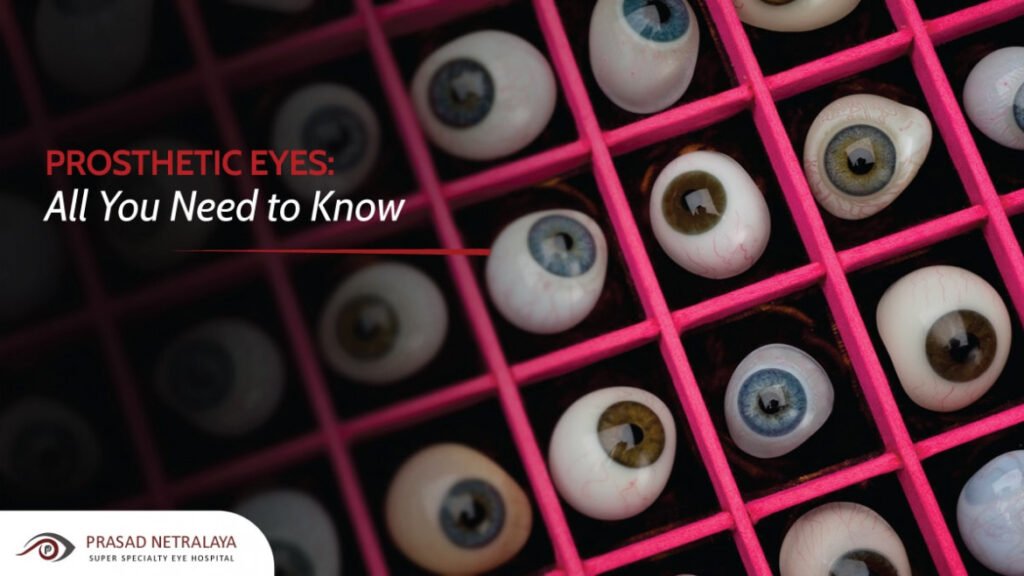
Choosing the Right Prosthetic Eye
Consultation with an ocularist
When considering a prosthetic eye, it is crucial to seek the expertise of an ocularist. A consultation with an ocularist will allow for a comprehensive evaluation of your condition and requirements. They will guide you through the entire process, from taking measurements to fitting and adjusting the prosthesis.
Customized fit
A well-fitted prosthetic eye is essential for comfort, proper eye movement, and natural appearance. The ocularist will take precise measurements of your eye socket to ensure a customized fit. They will consider factors like eyelid movement, eye alignment, and the unique contours of your face.
High-quality materials
Choosing a prosthetic eye made from high-quality materials is crucial for longevity and aesthetics. High-quality materials are more resistant to damage and discoloration over time. The ocularist will help you select the most suitable materials for your prosthesis based on your needs and preferences.
Matching color and shape
To achieve a natural appearance, it is important to have a prosthetic eye that matches the color and shape of your remaining eye. The ocularist will work closely with you to match the color and create a prosthesis that closely resembles your natural eye. This attention to detail ensures a seamless blend between the prosthetic eye and your surrounding facial features.
Natural movement
A realistic and natural movement of the prosthetic eye is essential for a convincing appearance. An ocularist will focus on achieving proper eye movement, which involves aligning the prosthesis with the muscles and tissues surrounding the eye socket. This careful adjustment allows for coordinated movement with the functioning eye, enhancing the overall realism.
Potential Complications
Irritation and discomfort
Occasionally, individuals wearing a prosthetic eye may experience irritation or discomfort. This can be due to factors such as dryness, allergies, or improper fitting. If you experience persistent discomfort, it is important to consult with your ocularist for an evaluation and adjustment of the prosthesis.
Infection
Although the risk of infection is relatively low, there is still a possibility of developing an infection around the prosthetic eye. It is crucial to maintain proper hygiene by regular cleaning and avoiding contact with potential sources of contamination. If you notice any signs of an infection, such as redness, swelling, or discharge, seek immediate medical attention.
Dryness and itchiness
Dryness and itchiness can occur if the ocular tissues do not receive adequate lubrication. Regular use of lubricating eye drops recommended by your ocularist can help alleviate these symptoms. If dryness and itchiness persist, consult your ocularist for further evaluation and appropriate management.
Dislodgement
In rare cases, the prosthetic eye may become dislodged from the eye socket. This can occur due to trauma, improper fitting, or vigorous eye rubbing. If the prosthetic eye becomes dislodged, seek immediate medical attention for proper reinsertion and evaluation by your ocularist.
Uneven movement
The prosthetic eye should move in a coordinated manner with the functioning eye. Occasionally, individuals may experience uneven movement or limited mobility of the prosthetic eye. If you notice any issues with eye movement, consult your ocularist for an assessment and adjustment of the prosthesis.

Caring for a Prosthetic Eye
Cleaning instructions
Proper cleaning is crucial for maintaining the hygiene and appearance of a prosthetic eye. Follow the cleaning instructions provided by your ocularist carefully. Typically, cleaning involves gently wiping the prosthesis with a recommended cleaning solution and a soft cloth. Thoroughly rinse and dry the prosthesis before reinserting it.
Handling with care
When handling a prosthetic eye, it is important to exercise caution and gentle touch. Avoid dropping or mishandling the prosthesis, as it can result in damage or dislodgement. Treat the prosthesis as you would a delicate object, using a careful and gentle approach.
Removing and inserting the prosthesis
Proper technique is necessary when removing and inserting a prosthetic eye. Follow the instructions provided by your ocularist and practice the recommended method consistently. Avoid applying excessive force or haste during the process to prevent any potential damage or injury.
Regular check-ups
Regular check-ups with your ocularist are essential for ensuring the prosthesis remains in optimal condition. During these visits, your ocularist will evaluate the fit, alignment, and overall health of the eye socket. Any necessary adjustments or replacements can be made to maintain the highest level of comfort and functionality.
Replacement schedule
Over time, prosthetic eyes may require replacement due to normal wear and tear or changes in the eye socket. Your ocularist will advise you on the appropriate replacement schedule based on your specific circumstances. Adhering to the recommended replacement schedule ensures the prosthesis remains functional and cosmetically appealing.
Proper Hygiene Practices
Washing hands before handling
Maintaining proper hygiene starts with washing your hands before handling the prosthetic eye. Wash your hands thoroughly with soap and warm water for at least 20 seconds to remove any potential contaminants. This simple step minimizes the risk of introducing bacteria or dirt to the prosthesis or the eye socket.
Using proper cleaning solutions
Using the appropriate cleaning solutions as recommended by your ocularist is crucial for the care of a prosthetic eye. Avoid using harsh chemicals or abrasive cleaners as they can damage the prosthesis. Follow the instructions provided and use the recommended cleaning solutions to ensure effective and safe cleaning.
Avoiding harsh chemicals
Harsh chemicals, such as ammonia-based cleaners or strong soaps, can damage the prosthetic eye or irritate the surrounding tissues. It is important to avoid using such products when cleaning or handling the prosthesis. Stick to the cleaning solutions recommended by your ocularist to maintain the integrity and appearance of the prosthetic eye.
Storing in a clean case
When not wearing the prosthetic eye, store it in a clean and dry case specifically designed for this purpose. The case should be free of any contaminants or debris that may compromise the cleanliness of the prosthesis. Ensure the case is securely closed to protect the prosthesis from potential damage.
Changing cleaning supplies regularly
Just like any other cleaning supplies, the tools used for cleaning the prosthetic eye should be replaced regularly. Clean the cleaning supplies, such as cloths or brushes, after each use and replace them periodically to prevent any buildup of bacteria or debris. Fresh cleaning supplies ensure effective and hygienic cleaning.
Maintaining Moisture Balance
Using lubricating eye drops
To maintain adequate moisture balance and prevent dryness, your ocularist may recommend the use of lubricating eye drops. These drops provide additional lubrication to the ocular tissues and help alleviate discomfort associated with dryness. Follow the recommended frequency and dosage provided by your ocularist.
Avoiding excessive dryness
Excessive dryness can lead to discomfort and irritation. Avoid environments with low humidity or situations that may contribute to dryness, such as exposure to air conditioning vents or windy conditions. In case of persistent dryness, consult your ocularist for additional guidance on managing this symptom.
Preventing excessive moisture
Excessive moisture can promote bacterial or fungal growth and increase the risk of infection. Avoid exposing the prosthetic eye to excessive moisture, such as swimming or using steam rooms or hot tubs. Excessive moisture may also cause the prosthesis to dislodge or shift, affecting its appearance and functionality.
Using artificial tears
In addition to lubricating eye drops, artificial tears can provide temporary relief for dryness and irritation. Artificial tears are readily available over-the-counter and can help restore moisture to the ocular tissues. Consult your ocularist or pharmacist for recommendations on suitable artificial tear products.
Avoiding steam and hot water
Steam and hot water can negatively affect the prosthesis and the surrounding tissues. Avoid exposing the prosthetic eye to direct steam or hot water, as it can cause damage or discomfort. Use caution during activities like cooking or bathing, ensuring the prosthesis remains protected from hot steam or water.
Handling and Storing
Gentle removal and insertion techniques
When removing or inserting the prosthetic eye, it is important to use gentle techniques. Avoid applying excessive force or pulling on the prosthesis forcefully, as it can damage the prosthesis or the eye socket. Follow the instructions provided by your ocularist for proper removal and insertion techniques.
Proper storage and handling during sleep
During sleep, it is important to store the prosthetic eye properly to avoid damage or loss. Use a clean and secure case designed specifically for storing the prosthesis overnight. Ensure the case is properly closed to prevent any accidental dislodgement or exposure to contaminants.
Preventing damage during physical activities
Engaging in physical activities requires special care to protect the prosthetic eye. Wear appropriate protective eyewear during contact sports or activities with a high risk of eye injury. Additionally, avoid activities that may result in direct trauma to the eye socket, such as vigorous rubbing or pushing on the prosthesis.
Avoiding contact with sharp objects
To prevent damage to the prosthetic eye, it is important to avoid contact with sharp objects. Be cautious when applying makeup or using hairstyling tools near the eye area. Carefully handle objects that could potentially come into contact with the prosthesis, minimizing the risk of accidental damage.
Keeping away from pets and children
Pets and young children may be curious about the prosthetic eye and attempt to touch or play with it. To prevent accidental damage or dislodgement, it is important to keep the prosthesis out of reach of pets and young children. Store the prosthesis securely and educate family members on the importance of handling it with care.

Regular Check-ups and Maintenance
Ocularist follow-ups
Regular follow-ups with your ocularist are crucial for ongoing maintenance and evaluation of the prosthetic eye. The ocularist will assess the fit, alignment, and overall condition of the prosthesis during these visits. They can make any necessary adjustments or recommendations to ensure continued comfort and functionality.
Checking for signs of wear and tear
Regularly inspect the prosthetic eye for signs of wear and tear. Look for any cracks, discoloration, or changes in the shape or texture of the prosthesis. If you notice any abnormalities, contact your ocularist for further evaluation and potential replacement.
Polishing the prosthesis
Over time, the prosthetic eye may develop slight imperfections or become dull. Your ocularist can perform regular polishing to restore the prosthesis’ shine and smoothness. Polishing not only improves the appearance of the eye but also helps minimize friction and discomfort.
Adjusting fit and alignment
Changes in the eye socket or surrounding tissues may require adjustments to the fit and alignment of the prosthetic eye. Regular check-ups with your ocularist allow for monitoring and addressing any changes promptly. Proper fit and alignment ensure the prosthesis remains comfortable and provides optimal eye movement.
Updating with new advancements
Advancements in prosthetic eye technology can offer improved functionality and aesthetics. Regular check-ups with your ocularist provide an opportunity to explore any new advancements or options that may benefit you. Stay informed about the latest developments in prosthetic eye technology and discuss them with your ocularist during follow-up visits.
Psychological and Emotional Support
Coping with appearance changes
The loss of an eye can have a significant impact on one’s appearance and self-image. It is important to acknowledge and address any psychological or emotional challenges that may arise. Talk to your loved ones, seek support from professionals, or consider joining support groups to help cope with the changes in your appearance and boost self-confidence.
Support groups and counseling
Support groups and counseling can provide valuable emotional support and guidance throughout your adaptation to having a prosthetic eye. Joining a support group allows you to connect with individuals who have undergone similar experiences, fostering a sense of community and understanding. Professional counseling can help you navigate the emotional aspects of living with a prosthetic eye.
Building self-confidence
Living with a prosthetic eye may require adjustments to how you perceive yourself. Building self-confidence is an important part of embracing your new appearance. Focus on your strengths and unique qualities, and surround yourself with a supportive network of friends and family who encourage your self-esteem.
Educating friends and family
Educating your friends and family about the prosthetic eye and its care can help create a supportive environment. Share information about proper hygiene practices, potential complications, and any specific needs or limitations you may have. Open communication can foster understanding and empathy among your loved ones.
Positive self-image
Developing a positive self-image is crucial for embracing your prosthetic eye. Remember that your appearance does not define your worth or abilities. Focus on building a strong sense of self and celebrating your unique qualities. Embrace your prosthetic eye as a part of who you are and let it contribute to your overall confidence and self-assurance.
Conclusion
Understanding the risk factors and taking necessary precautions for a prosthetic eye is crucial for maintaining its appearance and functionality. By being aware of potential complications and following proper care and hygiene practices, individuals with a prosthetic eye can achieve a comfortable and realistic appearance. Regular check-ups with an ocularist, combined with psychological and emotional support, further contribute to a positive experience living with a prosthetic eye. Remember to embrace your uniqueness and maintain a positive self-image, allowing your prosthetic eye to become a seamless part of your identity.