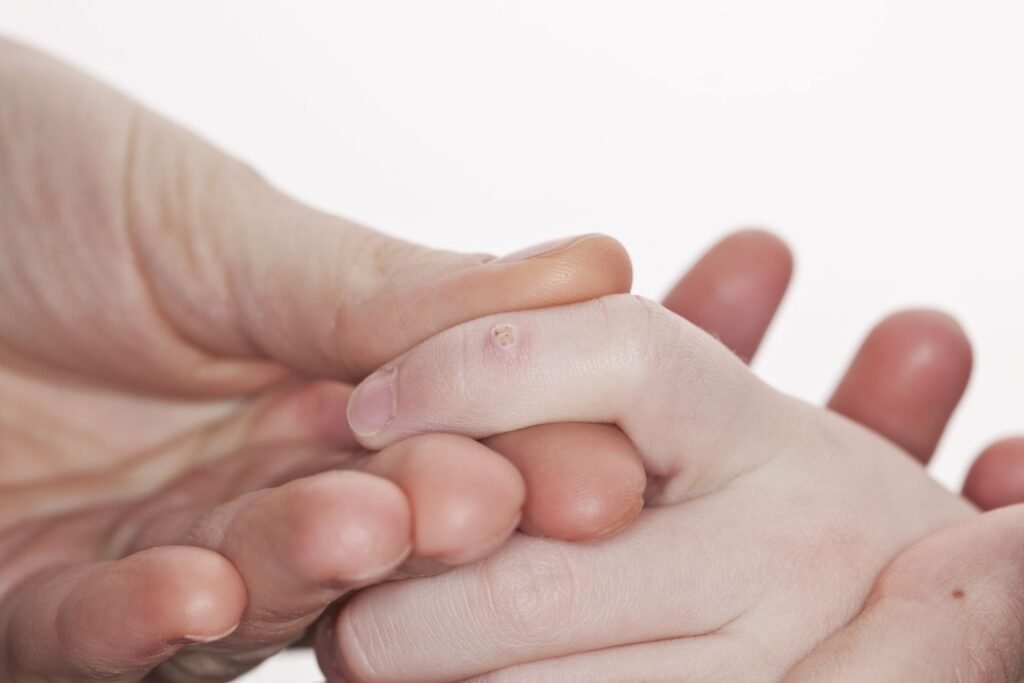
Have you ever wondered what puts you at risk for developing warts? Warts, those pesky and often unsightly growths on the skin, can be a nuisance to deal with. In this article, we will explore the various risk factors that increase your chances of getting warts and discuss some simple precautions you can take to protect yourself. By understanding these factors and implementing the necessary precautions, you can reduce the likelihood of developing warts and keep your skin healthy and wart-free. So, let’s get started on this informative journey to better understand the risk factors and precautions for warts.

Risk Factors for Warts
Weakened immune system
One of the major risk factors for developing warts is having a weakened immune system. Your immune system plays a vital role in fighting off infections, including those caused by the human papillomavirus (HPV) which is responsible for warts. If your immune system is compromised due to certain medical conditions such as HIV/AIDS or if you’re undergoing immunosuppressive therapy, you’re at a higher risk of developing warts.
Direct contact
Direct contact with individuals who have warts significantly increases your chances of getting infected. The human papillomavirus can easily pass from one person to another through direct contact, especially if there are any open cuts, scratches, or breaks in the skin. This makes it important to be cautious when in close contact or sharing personal items with individuals who have warts.
Shared surfaces
Just like direct contact, coming into contact with surfaces that have been contaminated with the human papillomavirus can put you at risk of developing warts. This includes shared surfaces such as doorknobs, countertops, gym equipment, and swimming pool areas. It’s crucial to regularly clean and disinfect such surfaces to minimize the risk of transmission.
Age
Age can also be a contributing factor when it comes to warts. Children and teenagers tend to be more susceptible to warts, especially those caused by the common type of human papillomavirus. This is mainly due to their still developing immune systems and the likelihood of engaging in activities that involve skin-to-skin contact or sharing personal items.
Skin-to-skin contact
Engaging in activities that involve skin-to-skin contact, such as shaking hands or intimate contact, can increase the risk of contracting warts. The human papillomavirus can easily transfer from one person to another through direct contact with the affected area. It’s important to exercise caution when engaging in such activities, especially if you know the other person has warts.
Walking barefoot
Walking barefoot, particularly in public areas like communal showers, locker rooms, and pool decks, can expose your feet to the human papillomavirus. The virus thrives in warm and moist environments, making these places the perfect breeding grounds for warts. By wearing protective footwear, such as flip-flops, you can significantly reduce the risk of HPV transmission to your feet.
Frequenting warm and moist places
As mentioned earlier, the human papillomavirus thrives in warm and moist environments. Therefore, frequenting warm and moist places like saunas, hot tubs, and public swimming pools can increase your chances of encountering the virus. It’s important to be cautious in these environments by using protective footwear and practicing good personal hygiene.
Personal hygiene
Maintaining good personal hygiene is crucial in preventing the spread of warts. Regularly washing your hands with soap and water not only helps to remove any potential sources of the virus from your skin but also eliminates the risk of transferring it to other surfaces or people. Additionally, keeping your skin clean and dry can create an unfavorable environment for the human papillomavirus to thrive.
Certain occupations
Certain occupations put individuals at a higher risk of developing warts due to the nature of their work. Jobs that involve frequent contact with the public, shared equipment, or working in warm and moist environments, such as healthcare workers, gym instructors, or swimmers, may increase the risk of exposure to the human papillomavirus. Proper precautions and adherence to personal hygiene can help mitigate this risk.
Inadequate footwear
Wearing inadequate footwear, such as worn-out or ill-fitting shoes, can make your feet more susceptible to the human papillomavirus. This is because any cuts, blisters, or abrasions on your feet can provide an entry point for the virus. It’s important to choose well-fitting and comfortable shoes that provide proper protection for your feet, especially in environments where warts are more likely to be present.
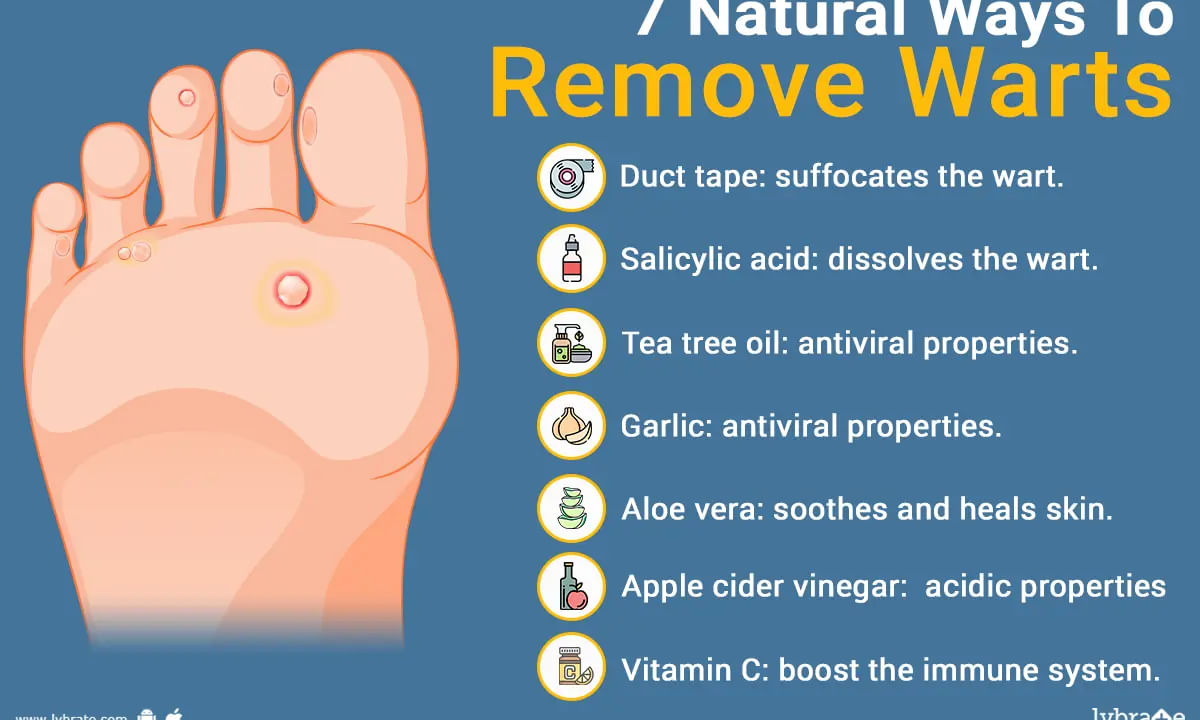
Precautions to Prevent Warts
Boosting your immune system
Strengthening your immune system is crucial in preventing the onset of warts. Eating a balanced diet rich in vitamins and minerals, getting regular exercise, and managing stress levels are all factors that can contribute to a healthy immune system. Additionally, if you have a weakened immune system or are at a higher risk of warts due to certain medical conditions, consult with a healthcare professional about potential immunization options.
Avoiding direct contact with warts
To minimize the risk of contracting warts, it is important to avoid direct contact with individuals who have visible warts. This includes refraining from touching or scratching their warts, as well as avoiding sharing personal items such as towels, socks, or shoes. If you do come into contact with warts, make sure to wash your hands thoroughly with soap and water.
Maintaining good personal hygiene
Practicing good personal hygiene is essential in preventing the spread of warts. Regularly washing your hands with soap and water, especially after using public facilities, can help eliminate any potential sources of the virus. It is also important to keep your skin clean and dry, as the human papillomavirus thrives in warm and moist environments. By adopting good personal hygiene habits, you can significantly reduce the risk of developing warts.
Using protection in public areas
When using public areas that are known to be potential hotspots for the human papillomavirus, such as swimming pools or locker rooms, it is crucial to use protective measures. Wearing waterproof footwear, like flip-flops or sandals, can provide a barrier between your feet and the contaminated surfaces. This can greatly reduce the risk of contracting warts in such environments.
Wearing footwear in public places
In general, it is advisable to wear footwear in all public places, especially those that are warm and moist. By wearing proper shoes or sandals, you are creating a physical barrier between your feet and the potential sources of the human papillomavirus. This is particularly important in shared facilities like gyms, public showers, and communal changing rooms, where the risk of encountering the virus is higher.
Avoiding sharing personal items
Sharing personal items, such as towels, razors, or nail clippers, can increase the risk of transmitting warts. The human papillomavirus can easily live on these items and be transferred to individuals who use them. To avoid potential exposure, it is important to refrain from sharing personal items with others, especially if you know they have warts.
Treating cuts and scrapes promptly
Promptly treating any cuts, scrapes, or open wounds on your skin is crucial in preventing the entry of the human papillomavirus. Keeping your skin intact and healthy reduces the risk of the virus finding a point of entry. Use antiseptic solutions and appropriate dressings to clean and protect any cuts or wounds, and consult with a healthcare professional if the wound appears to be developing signs of infection or if you are concerned.
Avoiding scratching or picking at warts
Although it may be tempting, scratching or picking at warts can increase the risk of spreading the virus to other parts of your body or to other individuals. It is important to resist the urge to disturb or irritate warts, as this can lead to further infection. If you have warts, consult with a healthcare professional to discuss appropriate treatment options and avoid self-removal methods that can potentially worsen the condition.
Cleaning and disinfecting shared surfaces
Regularly cleaning and disinfecting shared surfaces is crucial in preventing the spread of warts. Pay special attention to high-touch areas, such as doorknobs, countertops, and exercise equipment, as these are common points of contact for the human papillomavirus. Using household disinfectants or antibacterial wipes can help eliminate any potential sources of the virus and minimize the risk of transmission.
Regularly checking your body for signs of warts
Regularly inspecting your body for signs of warts allows for early detection and prompt treatment. Pay attention to any new growths, bumps, or changes in the appearance of your skin, especially in areas that are prone to warts, such as the hands, feet, and genital area. If you notice any suspicious skin abnormalities, consult with a healthcare professional for a proper diagnosis and appropriate treatment. Early intervention can prevent the further spread of warts and minimize their impact on your daily life.
By understanding the risk factors and implementing these precautions, you can significantly reduce your chances of developing warts. Taking proactive measures to protect yourself and practicing good personal hygiene are key in preventing the spread of warts and ensuring your overall well-being. Remember, prevention is always better than cure, so make sure to prioritize these precautions in your daily routine.