
Yellow fever is a serious viral infection that is transmitted through the bite of infected mosquitoes. In order to protect yourself and prevent the spread of this disease, it is vital to be aware of the risk factors and take necessary precautions. This article aims to provide you with essential information about the risk factors associated with yellow fever and offer valuable tips on how to stay safe and healthy. By understanding these risk factors and implementing the recommended precautions, you can effectively reduce your chances of contracting yellow fever and safeguard your well-being.
Risk Factors for Yellow Fever
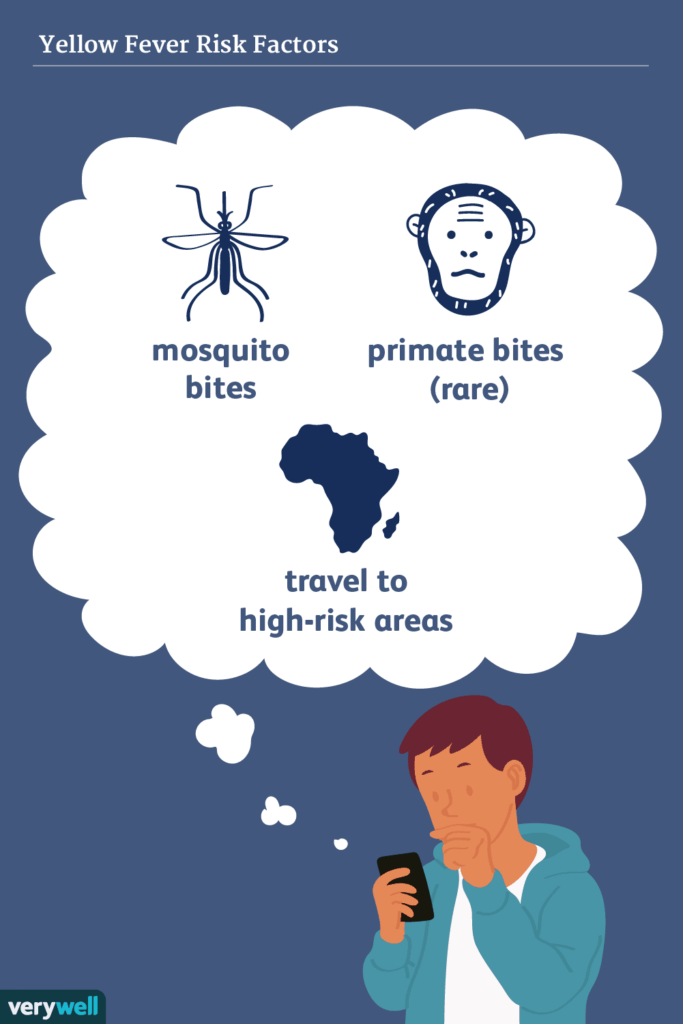
Yellow fever is a serious viral infection that is spread by mosquitoes. Understanding the risk factors associated with yellow fever is crucial in order to prevent infection and ensure the well-being of individuals. There are several factors that can increase the risk of contracting yellow fever, including geographical location, travel history, exposure to mosquitoes, age, and immune status. By being aware of these risk factors, appropriate precautions can be taken to minimize the chances of yellow fever transmission.
Geographical Location
The geographical location plays a significant role in determining the risk of yellow fever. Yellow fever is primarily found in certain regions of Africa and South America. Some countries in these regions are more prone to outbreaks of yellow fever, making them higher risk areas. It is important for individuals to be aware of the countries at risk in order to assess their own personal risk.
Specific regions within countries can have varying levels of yellow fever risk. For example, in countries with both urban and jungle areas, the risk of yellow fever may differ between these regions. Urban areas may have a lower risk due to better mosquito control measures, while jungle areas may have a higher risk due to the presence of mosquitoes and wildlife that can carry the virus. Understanding these regional differences is essential for travelers to make informed decisions.
Travel History
Another significant risk factor for yellow fever is travel history. If you have previously traveled to areas where yellow fever is endemic, you may be at a higher risk of contracting the virus. Endemic areas are locations where yellow fever is regularly present and outbreaks can occur. It is crucial to be aware of these areas and take appropriate precautions when planning travel.
Certain countries also require proof of yellow fever vaccination upon entry for individuals who have recently traveled to endemic areas. This is done to prevent the introduction and spread of the virus within the country. Therefore, understanding vaccination requirements for travel is essential to ensure a smooth and hassle-free journey.
The duration of travel also plays a role in the risk of yellow fever. Longer stays in endemic areas may increase the chance of exposure to infected mosquitoes and, subsequently, the risk of infection. It is important to consider the duration of travel and take necessary precautions accordingly.
Exposure to Mosquitoes
Mosquitoes are the primary vectors for yellow fever transmission. Therefore, exposure to mosquitoes is a significant risk factor for contracting the virus. Different species of mosquitoes can transmit the yellow fever virus, and their presence varies depending on the geographical location.
Engaging in outdoor activities, especially during times when mosquitoes are most active, can increase the risk of exposure. Mosquitoes are most active during dawn and dusk, so taking appropriate protective measures during these times is crucial.
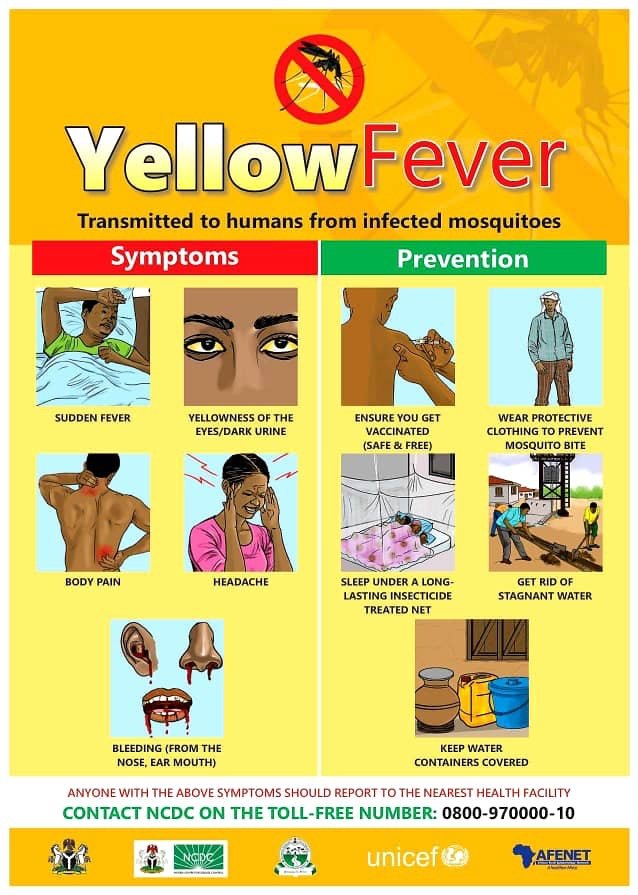
Wearing protective clothing, such as long sleeves and pants, can help minimize skin exposure to mosquitoes and reduce the risk of bites. Additionally, applying mosquito repellents to exposed skin and using mosquito nets can further protect against mosquito bites.
Age
Age can influence the risk of yellow fever infection. Children and the elderly are more susceptible to severe forms of the disease. This may be due to weaker immune systems and a reduced ability to fight off the virus. Therefore, extra precautions should be taken to protect these vulnerable age groups.
Children should be closely supervised to ensure they are taking necessary precautions to prevent mosquito bites. Providing them with appropriate clothing and applying mosquito repellents suitable for their age can help reduce the risk. Additionally, ensuring that elderly individuals have access to mosquito nets and are aware of the importance of protective measures is crucial.
Immune Status
The immune status of an individual can also impact the risk of yellow fever. Non-immune individuals, meaning those who have never been vaccinated against yellow fever or have not previously had the infection, are particularly vulnerable to the virus. This is because their immune systems have not developed the necessary defense mechanisms to fight off the virus.
Those who have received a yellow fever vaccine in the past are considered immune and have a lower risk of infection. However, it is important to be aware of the duration of vaccine efficacy as booster doses may be required to maintain immunity.
Individuals who are immune-suppressed, such as those undergoing certain medical treatments or with weakened immune systems, are also at higher risk of developing severe forms of yellow fever if infected. It is important for these individuals to consult with their healthcare provider before traveling to endemic areas.
Precautions for Yellow Fever
Taking precautions to prevent yellow fever transmission is vital in protecting oneself and others from this potentially life-threatening disease. There are several key precautions that can be taken, including vaccination, avoiding mosquito bites, conducting a risk assessment, and consulting with a healthcare provider.
Vaccination
Yellow fever vaccination is the most significant precautionary measure against the virus. The World Health Organization (WHO) has approved specific vaccines for yellow fever prevention. These vaccines provide long-term protection and are highly effective. It is essential to ensure that any required vaccinations are received well in advance of travel, as some countries require proof of vaccination upon entry.
The vaccination schedule for yellow fever typically involves a single dose, which provides lifetime protection for most individuals. However, in some cases, a booster dose may be recommended to maintain immunity, especially for those who have received the vaccine many years ago or who may be traveling to higher risk areas.
Avoiding Mosquito Bites
Preventing mosquito bites is an important measure to reduce the risk of yellow fever transmission. Using mosquito repellents is highly recommended, as they can effectively repel mosquitoes and prevent bites. It is important to select repellents that are registered and approved for use in the specific location.
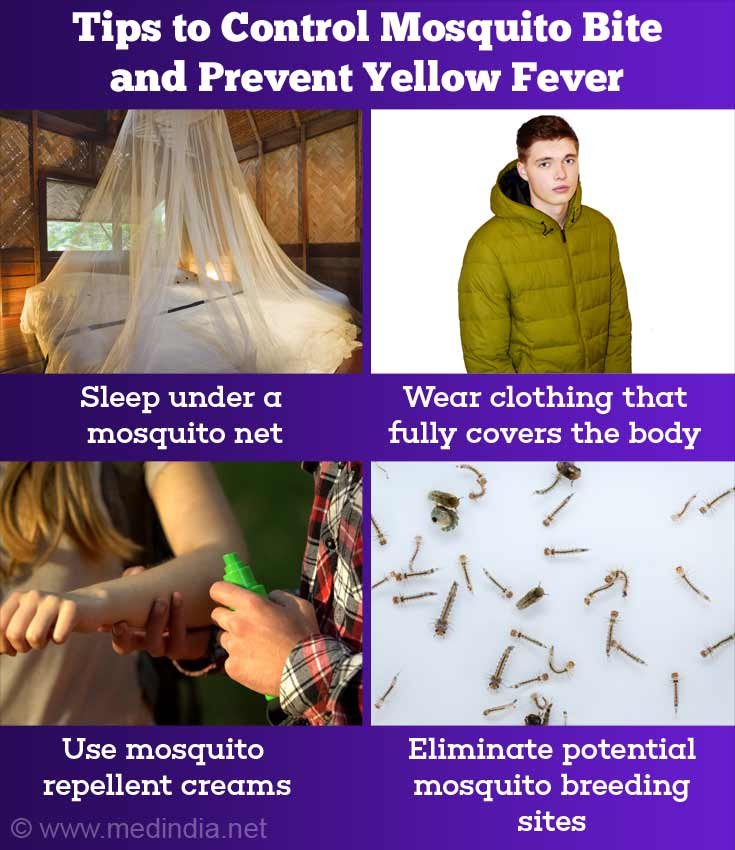
In addition to repellents, wearing protective clothing that covers the skin, such as long sleeves, pants, and closed-toe shoes, can help minimize skin exposure and reduce the risk of mosquito bites. Sleeping under mosquito nets, especially in areas with higher mosquito activity, is also a recommended precaution.
Taking steps to minimize mosquito presence indoors, such as using screens on windows and doors, and keeping living spaces clean and free from stagnant water where mosquitoes breed, can further reduce the risk of bites.
Healthcare Provider Consultation
Seeking guidance from a healthcare provider is another important step in protecting against yellow fever. Before traveling to endemic areas, individuals should consult with a healthcare provider for pre-travel advice. The healthcare provider can assess the individual’s risk factors, recommend appropriate preventive measures, and provide information about potential health risks in the specific destination.
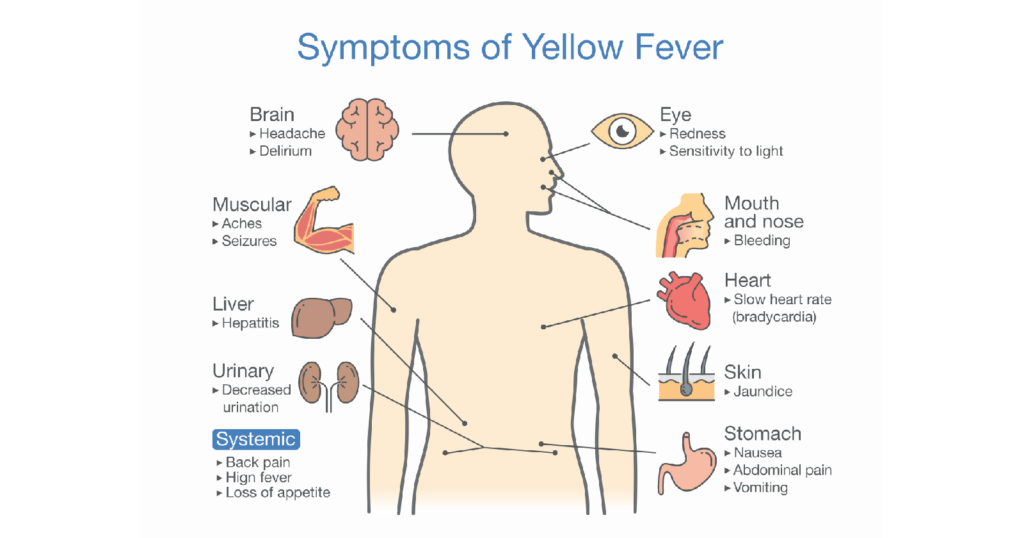
After returning from travel to endemic areas, a post-travel evaluation with a healthcare provider is advised. This evaluation can help identify any symptoms or signs of infection and ensure timely medical intervention if needed. Being aware of the symptoms of yellow fever, such as fever, body aches, nausea, and jaundice, is crucial in recognizing potential infection and seeking prompt medical attention.
In conclusion, understanding the risk factors for yellow fever and taking necessary precautions can greatly reduce the chances of contracting this serious viral infection. By being aware of your geographical location, travel history, exposure to mosquitoes, age, and immune status, you can make informed decisions and protect yourself from yellow fever. Remember to stay up-to-date with vaccination recommendations, practice mosquito bite prevention, conduct a risk assessment before traveling, and consult with a healthcare provider for personalized advice. Stay safe and enjoy your travels!