
Tennis elbow is a common condition that causes pain and tenderness on the outer part of the elbow. It is not just limited to tennis players, as the name suggests, but can affect anyone who repeatedly uses their forearm muscles. In this article, we will explore the risk factors for developing tennis elbow and provide some helpful precautions to prevent or manage this condition. By understanding the factors that contribute to the onset of tennis elbow and taking necessary precautions, you can minimize the risk of experiencing this debilitating condition and continue enjoying your daily activities pain-free.

Risk Factors for Tennis Elbow
Tennis elbow, also known as lateral epicondylitis, is a condition that causes pain and inflammation in the tendons on the outside of your elbow. While it is commonly associated with playing tennis, it can actually affect anyone who engages in activities that involve repetitive arm movements and wrist movements. Understanding the risk factors for tennis elbow can help you take preventive measures and reduce your chances of developing this painful condition.
Age
Age is a significant risk factor for tennis elbow. While it can affect people of all ages, it is more common in individuals between the ages of 30 and 50. As we age, the tendons in our body tend to become less flexible and more prone to injury. This is particularly true for the tendons around the elbow joint. Therefore, if you fall within this age range, it is essential to take extra precautions to protect your elbows during physical activities.
Occupation
Your occupation plays a crucial role in your risk of developing tennis elbow. Jobs that involve repetitive arm movements, forceful gripping, and awkward wrist positions put you at a higher risk of developing this condition. Examples of occupations that are commonly associated with tennis elbow include painters, plumbers, carpenters, and manual laborers. If your job involves these types of activities, it is important to be mindful of your form and take regular breaks to avoid overexertion.
Sports Activities
While tennis may be the sport most commonly associated with tennis elbow, several other sports also pose a risk. Activities that involve frequent overhead motions, such as baseball, volleyball, swimming, and weightlifting, can strain the tendons in your elbow and lead to the development of tennis elbow. It is crucial to use proper technique and equipment in these sports to minimize the risk of injury.
Technique and Form
Another significant risk factor for tennis elbow is improper technique and form during physical activities. Poor backhand technique, overuse of the forehand stroke, and a faulty service motion can all put excessive strain on the tendons around the elbow joint. It is important to receive proper instruction on the correct technique for your specific sport or activity. Taking the time to master proper form can go a long way in preventing tennis elbow.
Racquet Type and String Tension
If you are an avid tennis player, the type of racquet and string tension you use can also contribute to your risk of developing tennis elbow. A heavy racquet can put more strain on your arm, especially if you have weak forearm muscles or poor form. Similarly, using a racquet with a loose string tension can cause excessive vibration and stress on your tendons. Additionally, the grip size of your racquet can affect your wrist position and overall comfort, which can impact your risk of developing tennis elbow.
Previous Injuries
If you have previously injured your elbow or forearm, you are more susceptible to developing tennis elbow. Prior injuries, such as ligament sprains or fractures, can weaken the tendons and make them more prone to inflammation and injury. It is important to allow sufficient time for healing and rehabilitation after an injury to reduce the risk of developing tennis elbow.
Occupational Risk Factors
In addition to the general risk factors discussed above, specific occupational factors can increase the likelihood of developing tennis elbow. If your job involves repetitive movements, forceful gripping, or awkward wrist positions, you are at a higher risk.
Repetitive Movements
Jobs that require repetitive movements, such as assembly line work or operating machinery, can increase your risk of developing tennis elbow. The repeated stress on your forearm muscles and tendons can lead to inflammation and eventually result in tennis elbow. If possible, try to vary your movements throughout the day or take regular breaks to give your muscles a chance to rest.
Forceful Gripping
Jobs that involve forceful gripping, such as using hand tools or carrying heavy objects, can put significant strain on the tendons in your forearm. This forceful gripping can lead to micro-tears in the tendons and ultimately result in tennis elbow. Whenever possible, try to use ergonomic tools or equipment that minimize the need for excessive force.
Awkward Wrist Positions
Some jobs require maintaining awkward wrist positions for extended periods, such as typing on a keyboard or using a cash register. These positions can strain the tendons in your forearm and increase your risk of developing tennis elbow. It is crucial to practice proper ergonomics and make adjustments to your workstation to ensure a neutral wrist position.

Sports-Related Risk Factors
Sports activities that involve repetitive arm movements and wrist motions can put you at a higher risk of developing tennis elbow. Understanding these risk factors can help you make necessary adjustments to your technique and equipment to prevent injury.
Frequent Overhead Motions
Sports such as tennis, baseball, volleyball, and swimming often require frequent overhead motions. These motions can strain the tendons in your forearm and increase the risk of tennis elbow. If you participate in these sports, it is crucial to use proper technique, strengthen your forearm muscles, and take breaks when needed to avoid overuse injuries.
Improper Equipment
Using improper equipment, such as a tennis racquet with the wrong grip size or a baseball bat with improper weight distribution, can also contribute to the development of tennis elbow. It is important to select equipment that is appropriate for your size, skill level, and playing style. Additionally, maintaining your equipment in good condition, such as replacing worn-out strings on a racquet, can also help prevent unnecessary strain on your arm.
Inadequate Warm-up and Recovery
Failing to warm-up properly before engaging in sports activities and neglecting proper recovery practices can increase your risk of developing tennis elbow. Warm-up exercises help prepare your muscles and tendons for the demands of the activity, while cool-down exercises and stretching can help prevent muscle tightness and promote blood flow for efficient recovery. Make sure to incorporate appropriate warm-up and cool-down routines into your sports routine to minimize your risk of injury.
Technique and Form
Proper technique and form play a crucial role in reducing the risk of tennis elbow. It is important to pay attention to your body mechanics and make adjustments if necessary to minimize stress on your tendons.
Poor Backhand Technique
If you play a sport that involves a backhand stroke, such as tennis or squash, it is important to learn and practice proper technique. Poor backhand technique, such as excessive wrist movement or incorrect body positioning, can put excessive strain on your forearm tendons and increase the risk of developing tennis elbow. Work with a coach or instructor to improve your technique and reduce the risk of injury.
Overuse of Forehand Stroke
While the forehand stroke is an essential part of many sports, overusing it can lead to overexertion and strain on the tendons in your forearm. It is important to maintain a balanced approach and incorporate variety into your stroke execution to avoid excessive stress on specific muscle groups. Take breaks when needed and consider cross-training or participating in different activities to reduce the risk of developing tennis elbow.
Faulty Service Motion
In sports such as tennis, the service motion can be a significant source of strain on your elbow tendons. A faulty service motion that involves excessive force or improper arm positioning can increase the risk of developing tennis elbow. It is important to work on your service technique with a coach or instructor to ensure proper mechanics and minimize the risk of injury.
Racquet Type and String Tension
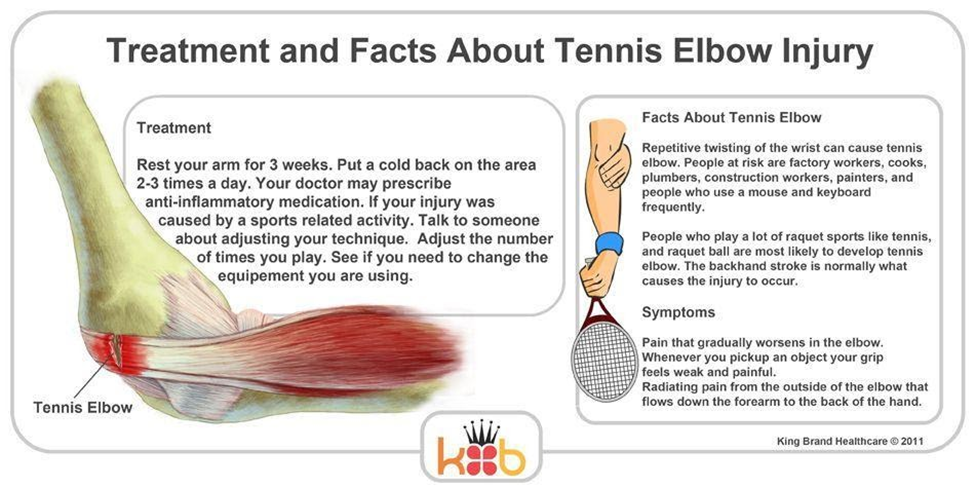
If you are a tennis player, the type of racquet you use and the tension of the strings can impact your risk of developing tennis elbow. Paying attention to these factors and making appropriate adjustments can help reduce the strain on your arm.
Heavy Racquet
Using a racquet that is too heavy for your strength and skill level can put unnecessary strain on your arm. The weight of the racquet, combined with the repetitive motions involved in playing tennis, can increase the risk of tennis elbow. It is important to select a racquet that is appropriate for your size and playing style to minimize the risk of injury.
Loose String Tension
String tension refers to the tightness of the strings on your tennis racquet. Using a racquet with loose string tension can increase the vibration and shock absorption, putting more strain on your arm. It is important to find the right balance of string tension that provides optimal control and comfort while minimizing the risk of injury.
Grip Size
The grip size of your tennis racquet can also impact your risk of developing tennis elbow. Using a grip size that is too small or too big for your hand can lead to improper wrist positioning and increased strain on your forearm tendons. It is essential to find the right grip size that allows for a comfortable and neutral wrist position during play.
Precautions for Tennis Elbow
Taking appropriate precautions can help minimize the risk of developing tennis elbow. Incorporating these preventive measures into your routine can make a significant difference in protecting your elbows.
Proper Technique and Form
One of the most effective ways to prevent tennis elbow is to practice proper technique and form during physical activities. Whether you are playing sports or engaging in repetitive movements at work, it is crucial to receive proper instruction and regularly practice correct form. Taking the time to learn and maintain proper technique can significantly reduce the stress on your tendons and lower your risk of tennis elbow.
Equipment Modification
Making appropriate modifications to your equipment can also help prevent tennis elbow. For example, adjusting the grip size of your tennis racquet to fit your hand comfortably and using racquets with lighter weight can reduce strain on your arm. If necessary, consult with a sports equipment specialist to ensure your equipment is suitable for your needs.
Warm-ups and Cool-downs
Engaging in adequate warm-up and cool-down routines before and after physical activities is essential for preventing injuries, including tennis elbow. Dynamic stretching, range of motion exercises, joint mobilization, and wrist stretches can help prepare your muscles and tendons for the activity and promote efficient recovery. Incorporate warm-up and cool-down exercises into your routine to minimize the risk of developing tennis elbow.
Strength and Flexibility Exercises
Maintaining strong and flexible muscles around your forearm can help protect your tendons from injury. Incorporating specific strength and flexibility exercises for your forearm and wrist muscles can help reduce the risk of developing tennis elbow. Consult with a fitness professional or physical therapist to learn appropriate exercises for your needs and capabilities.
Rest and Recovery
Giving your body sufficient time to rest and recover is crucial for preventing overuse injuries like tennis elbow. Avoid excessive repetitive movements or engaging in activities for extended periods without breaks. Listen to your body and take rest days or modify your activities as needed to allow for adequate recovery.
Professional Guidance
Seeking professional guidance from certified coaches, physical therapists, and healthcare providers can provide valuable insights and guidance in preventing tennis elbow. Certified coaches can help improve your technique, physical therapists can provide specific exercises and treatments for prevention, and regular check-ups with healthcare providers can ensure any early symptoms are addressed promptly.
Proper Technique and Form
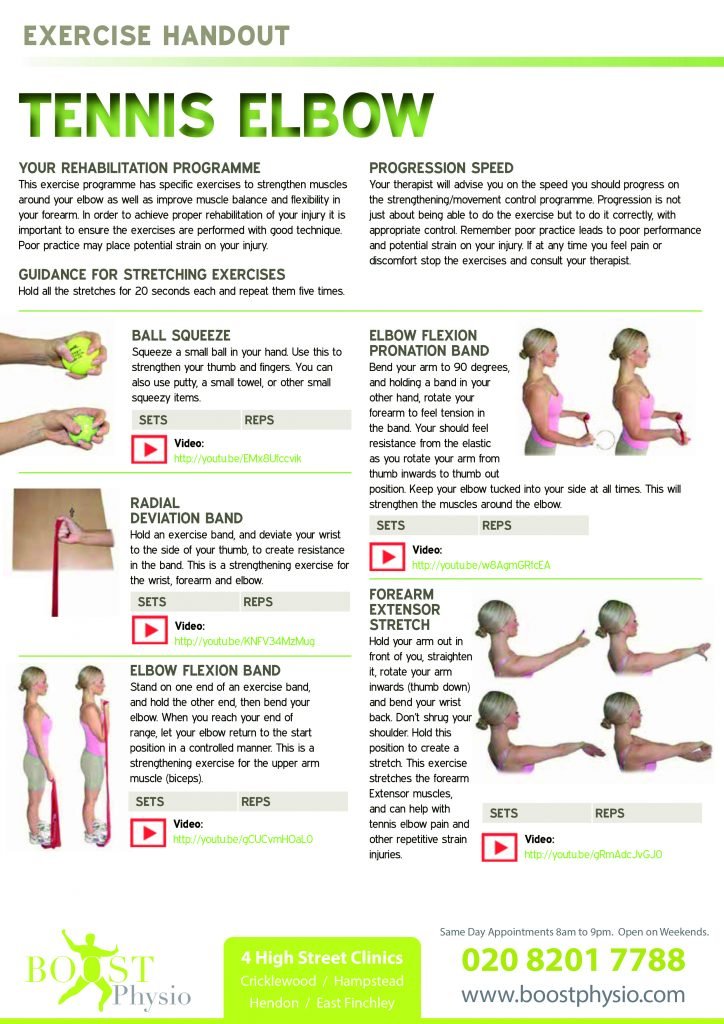
Maintaining proper technique and form during physical activities is essential for reducing the risk of tennis elbow. Paying attention to a few key elements can help protect your tendons and joints.
Maintaining Neutral Wrist Position
A neutral wrist position refers to keeping your wrist in a straight, aligned position during movements. Avoid excessive bending or flexing of the wrist, as this can strain the tendons and increase the risk of tennis elbow. Focus on maintaining a neutral wrist position when engaging in any activities that involve repetitive arm movements or gripping.
Rotation of Forearm
During activities that require forearm rotation, such as throwing or serving a tennis ball, it is important to practice proper forearm rotation. Engaging the forearm muscles and avoiding excessive wrist movement can help distribute the forces more evenly and reduce the strain on the tendons.
Balanced Stroke Execution
Maintaining a balanced stroke execution is essential for preventing tennis elbow. Whether you are hitting a backhand stroke, a forehand stroke, or serving a tennis ball, it is crucial to distribute the forces evenly across your forearm muscles. Avoid overusing specific muscle groups or relying solely on one stroke, as this can lead to overexertion and strain on the tendons.
Equipment Modification
Making appropriate modifications to your equipment can help alleviate strain on your elbow tendons and reduce the risk of developing tennis elbow.
Grip Size Adjustment
Using a grip size that is appropriate for your hand size and comfort is essential for preventing tennis elbow. A grip that is too small or too big can lead to improper wrist positioning and increased strain on your forearm tendons. Consult with a sports equipment specialist or coach to determine the correct grip size for you.
Racquet Selection
Choosing the right racquet can significantly impact your risk of developing tennis elbow. Factors to consider include weight, balance, and stiffness of the racquet. A racquet that is too heavy or lacks proper flexibility can increase the strain on your arm. Consult with a knowledgeable sports equipment specialist to find a racquet that suits your needs and playing style.
String Tension and Type
String tension and type can also influence your risk of tennis elbow. Too loose of a string tension increases vibration and shock absorption, straining your tendons. Similarly, using a string that is too stiff can transfer more force to your arm. Experiment with different string tensions and types to find the optimal combination for your playing style and arm comfort.
Warm-ups and Cool-downs
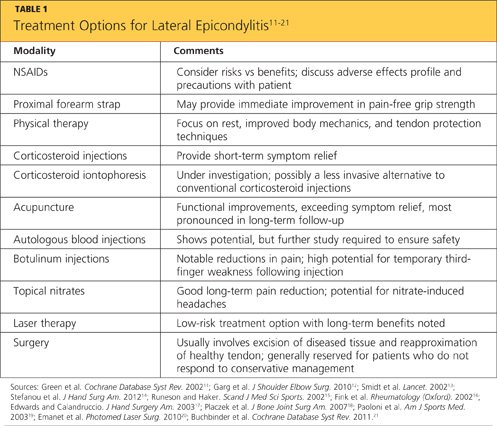
Incorporating warm-up and cool-down routines into your regular exercise or sports routine is essential for preventing injuries like tennis elbow.
Dynamic Stretching
Dynamic stretching involves moving your muscles and joints through a full range of motion to warm them up before engaging in activities. Incorporate dynamic stretches that specifically target your forearm and wrist muscles to prepare them for the demands of the activity.
Range of Motion Exercises
Range of motion exercises help improve flexibility and prepare your joints for movement. Engage in exercises that promote a full range of motion in your elbows, wrists, and shoulders to reduce the strain on your tendons during activities.
Joint Mobilization
Gentle joint mobilization exercises help improve joint mobility and reduce stiffness. Focus on exercises that target your elbow joints and wrist joints to promote optimal movement during activities.
Wrist Stretches
Stretching your wrist muscles and tendons can help prevent tennis elbow. Incorporate wrist stretches into your warm-up and cool-down routines to increase flexibility and reduce tension in your forearm muscles.
Professional Guidance
Seeking professional guidance from certified coaches, physical therapists, and healthcare providers can provide valuable support and guidance in preventing tennis elbow.
Training from Certified Coaches
Working with a certified coach can help improve your technique, identify any deficiencies in your form, and make appropriate adjustments to reduce the risk of tennis elbow. A coach can provide personalized guidance to help you develop optimal stroke mechanics and minimize the strain on your tendons.
Consulting with Physical Therapists
If you have a history of tennis elbow or are experiencing early symptoms, consulting with a physical therapist can be beneficial. They can assess your specific condition, provide targeted exercises and treatments to prevent further aggravation, and offer additional techniques to protect your elbows during physical activities.
Regular Check-ups with Healthcare Providers
Regular check-ups with healthcare providers, such as orthopedic specialists or sports medicine physicians, can help identify any potential risk factors or early signs of tennis elbow. They can provide guidance on injury prevention, recommend appropriate exercises or modifications, and address any concerns or symptoms that arise.
By understanding the risk factors and taking appropriate precautions, you can significantly reduce your chances of developing tennis elbow. Make sure to pay attention to your technique, maintain proper form, modify your equipment as needed, warm up before engaging in activities, and seek professional guidance when necessary. Your elbows will thank you for it, allowing you to enjoy your favorite activities without the pain and inconvenience of tennis elbow.