In this fascinating article, you’ll discover valuable information about the risk factors and precautions associated with vitamins and minerals. We’ll delve into the potential risks involved in consuming excessive amounts of these essential nutrients and explore the various precautions one should take to ensure a balanced and healthy intake. So, prepare to gain a comprehensive understanding of the dos and don’ts when it comes to vitamins and minerals, empowering you to make informed and mindful choices for your well-being.
Risk Factors for Vitamins and Minerals
When it comes to maintaining good health, vitamins and minerals play a crucial role. They are essential for the proper functioning of our body, supporting various bodily processes and maintaining overall well-being. However, it’s important to understand that not everyone has the same nutritional needs. Several risk factors can affect the absorption and utilization of vitamins and minerals in our bodies. By being aware of these risk factors, we can take necessary precautions to ensure optimal nutrient intake and avoid potential complications.
Age
Age is one of the most significant risk factors when it comes to vitamins and minerals. Different age groups have varying nutrient requirements, making it essential to cater to these specific needs.
Infants and Children
During infancy and childhood, rapid growth and development take place, making proper nutrition critical. Breast milk or appropriate infant formula provides essential vitamins and minerals for infants. As they transition to solid foods, it’s crucial to introduce a variety of nutrient-rich foods to ensure adequate intake. Deficiencies in vitamins such as vitamin D, vitamin A, and iron can lead to developmental issues and compromised immune function in young children.
Older Adults
As we age, our bodies undergo various changes that can affect nutrient absorption and utilization. Older adults may experience decreased appetite, reduced ability to absorb certain vitamins and minerals, and changes in metabolism. This puts them at a higher risk of deficiencies in nutrients such as vitamin B12, calcium, and vitamin D. Regular monitoring of nutrient levels and appropriate supplementation can help older adults meet their nutritional needs.
Medical Conditions
Certain medical conditions can interfere with the absorption, metabolism, and utilization of vitamins and minerals. It’s important to be aware of these conditions to address potential nutrient deficiencies effectively.
Chronic Diseases
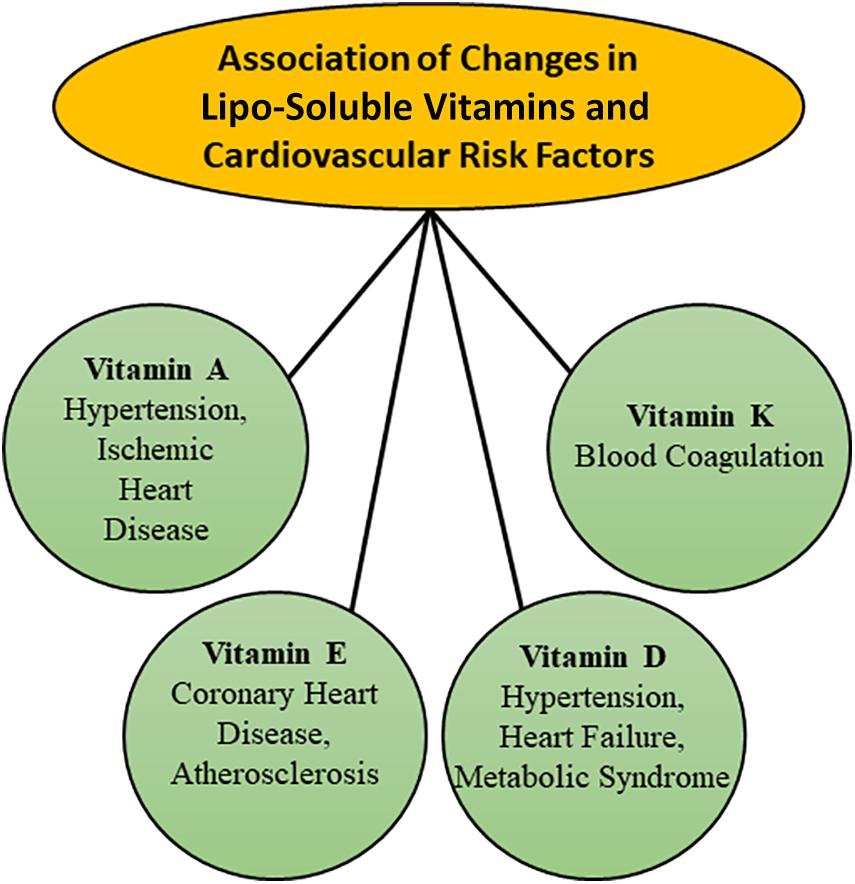
Chronic diseases such as diabetes, cardiovascular disease, and inflammatory bowel disease can impact nutrient absorption and utilization. For example, individuals with diabetes may have an increased risk of vitamin D deficiency, while those with inflammatory bowel disease may have difficulty absorbing vitamins A, D, E, and K. Close monitoring and appropriate supplementation, as advised by healthcare professionals, can help manage these conditions and prevent nutrient deficiencies.
Gastrointestinal Disorders
Gastrointestinal disorders, such as celiac disease and Crohn’s disease, can negatively affect the absorption of vitamins and minerals. In celiac disease, the body’s reaction to gluten damages the lining of the small intestine, impairing nutrient absorption. Crohn’s disease, on the other hand, causes inflammation and damage to the lining of the digestive tract, interfering with the absorption of various nutrients. Proper management of these conditions, including dietary modifications and supplementation, is crucial to prevent deficiencies and maintain adequate nutrient levels.
Kidney or Liver Disease
Kidney or liver disease can impact the body’s ability to process and eliminate waste products, including vitamins and minerals. Disorders such as chronic kidney disease or liver cirrhosis can lead to imbalances in electrolytes and deficiencies in vitamins such as vitamin D, vitamin K, and magnesium. Close monitoring of nutrient levels and appropriate medical intervention can help manage these conditions and prevent further complications.
Medications
Certain medications can interfere with the absorption, metabolism, and utilization of vitamins and minerals. It’s important to be aware of these potential interactions to ensure optimal nutrient intake.
Prescription Drugs
Prescription medications, such as diuretics, antacids, and cholesterol-lowering drugs, can affect the absorption and utilization of vitamins and minerals. For example, diuretics can increase the excretion of potassium and magnesium, leading to deficiencies. Cholesterol-lowering drugs known as statins can interfere with the production of coenzyme Q10, impacting energy production in cells. It’s essential to discuss possible nutrient interactions with healthcare providers when starting new medications and consider appropriate supplementation if necessary.
Over-the-Counter Drugs
Over-the-counter medications, including antacids, laxatives, and cold medicines, can also have an impact on nutrient absorption and utilization. Antacids, for instance, can reduce the absorption of certain minerals like calcium, iron, and zinc. Laxatives, if used excessively, can lead to imbalances in electrolytes and interfere with nutrient absorption. Understanding these potential interactions can help individuals make informed decisions and take necessary precautions to prevent nutrient deficiencies.
Herbal Supplements
While herbal supplements are often touted for their health benefits, they can also have potential risks when it comes to vitamins and minerals. Certain herbal supplements, such as St. John’s Wort and ginkgo biloba, can interact with prescription medications and affect nutrient metabolism. It’s crucial to consult with a healthcare provider before incorporating herbal supplements into your routine to avoid any potential adverse effects on nutrient balance.
Dietary Factors
The choices we make in our diet can significantly impact the absorption and utilization of vitamins and minerals. Considering these dietary factors can help ensure optimal nutrient intake.
Unbalanced Diet
Consuming an unbalanced diet, lacking in variety and essential nutrients, can put individuals at risk of vitamin and mineral deficiencies. A diet predominantly composed of processed foods, high in sugar, unhealthy fats, and low in fruits, vegetables, and whole grains, can lead to inadequate intake of essential nutrients. Striving for a well-balanced diet that includes a variety of nutrient-dense foods is crucial for meeting our nutritional needs.
Restricted Diets
Certain dietary restrictions, such as vegan or vegetarian diets, may increase the risk of specific nutrient deficiencies. For example, individuals following a strict plant-based diet may face challenges in obtaining adequate amounts of vitamin B12, iron, and zinc, which are mainly found in animal-based foods. It’s important for those with restricted diets to ensure they are meeting their nutrient needs through food choices or appropriate supplementation, if necessary.
Food Allergies or Intolerances
Food allergies or intolerances can also impact the absorption and utilization of vitamins and minerals. Individuals with food allergies or intolerances may avoid certain foods or food groups, potentially leading to nutrient deficiencies. For instance, those with lactose intolerance may have difficulty getting sufficient amounts of calcium and vitamin D from dairy sources. Working with healthcare providers or registered dietitians can help identify suitable alternatives and ensure proper nutritional support.
Lifestyle Factors
Certain lifestyle factors can affect the absorption, metabolism, and utilization of vitamins and minerals. Being aware of these factors can help individuals make informed choices to maintain optimal nutrient status.
Alcohol Consumption
Excessive alcohol consumption can interfere with the absorption and utilization of vitamins and minerals in the body. Alcohol can impair the absorption of essential nutrients like thiamin, folate, and vitamin B12. Prolonged alcohol abuse can lead to severe nutrient deficiencies, such as Wernicke-Korsakoff syndrome caused by thiamin deficiency. Moderating alcohol intake and ensuring a balanced diet can help mitigate potential nutrient imbalances associated with excessive alcohol consumption.
Tobacco Use
Smoking has been linked to various health issues, including nutrient deficiencies. Tobacco use can impact the absorption and metabolism of vitamins and minerals, particularly vitamin C, vitamin E, and beta-carotene. Smokers may require higher intakes of these nutrients to counteract the oxidative stress caused by smoking. Quitting smoking and adopting a nutrient-rich diet can help improve overall health and reduce the risk of nutrient deficiencies.
Physical Inactivity
Leading a sedentary lifestyle, with minimal physical activity, can affect nutrient metabolism and utilization. Regular exercise promotes overall health and can improve nutrient absorption and utilization. Physical activity enhances blood circulation, aiding the delivery of essential nutrients to cells and tissues. Engaging in regular exercise, paired with a balanced diet, can help maximize the benefits of vitamins and minerals on overall health.

Precautions for Vitamins and Minerals
While vitamins and minerals are essential for health, taking precautions is necessary to ensure their safe and effective use. These precautions can help individuals make informed decisions and minimize the risk of nutrient imbalances or adverse effects.
Consultation with Healthcare Provider
Before starting any vitamin or mineral supplementation regimen, it’s important to consult with a healthcare provider. They can assess your specific nutritional needs, consider any underlying medical conditions or medications, and provide guidance on appropriate supplementation.
Appropriate Dosage
Following the recommended dosage guidelines for vitamins and minerals is essential for safety and effectiveness. The dosage can vary depending on factors such as age, gender, and specific health conditions. Taking excessive amounts of certain vitamins and minerals can lead to toxicity and adverse effects. It’s crucial to adhere to the recommended daily dosage or therapeutic dosage as advised by healthcare professionals.
Avoiding Self-Diagnosis
Self-diagnosing nutrient deficiencies and self-prescribing supplements can be risky. Symptoms of nutrient deficiencies can sometimes overlap with other health conditions. It’s important to consult with a healthcare provider for proper diagnosis and treatment. They can perform necessary laboratory testing and review your health history to identify any potential nutrient imbalances and recommend appropriate interventions.
Storage Conditions
Proper storage of vitamins and minerals is vital in ensuring their potency and effectiveness. Exposure to light, heat, and humidity can degrade the quality and efficacy of supplements. It’s important to store them in cool, dry places away from direct sunlight and moisture to maintain their integrity. Checking expiration dates and properly disposing of expired supplements are also important to avoid using ineffective or potentially harmful products.
Monitoring of Side Effects
Being aware of any potential side effects or adverse reactions associated with vitamins and minerals is crucial. It’s important to monitor your body’s response to supplementation and seek medical advice if any unexpected symptoms or reactions occur. Some individuals may experience allergic reactions, such as itching, swelling, or difficulty breathing, in response to certain supplements. Others may experience symptoms of toxicity, such as nausea, fatigue, or muscle weakness, if excessive amounts of certain vitamins or minerals are consumed. Additionally, some supplements may interact with medications, leading to unwanted effects. Regularly discussing any concerns or changes in your health with your healthcare provider can help ensure the safe use of vitamins and minerals.
Regular Check-ups
Regular check-ups with healthcare providers are important for monitoring overall health, including nutrient status. They can assess your nutrient levels through laboratory testing and make any necessary adjustments to your supplementation regimen. Regular follow-ups can help identify and address potential nutrient imbalances before they lead to complications.
Laboratory Testing
Laboratory testing can provide valuable insights into your nutrient status and help identify any deficiencies or imbalances. Blood tests can measure specific vitamin and mineral levels in the body, aiding in the diagnosis and treatment of deficiencies. Regular laboratory testing, as recommended by healthcare professionals, can help track your nutrient status and inform any necessary interventions.
Health History Review
A comprehensive review of your health history can help identify any factors that may impact nutrient absorption, metabolism, or utilization. It’s important to provide healthcare providers with information about any medical conditions, medications, dietary restrictions, or lifestyle habits, as these can influence your nutritional needs. Considering your individual health history allows for personalized recommendations and interventions to optimize your nutrient intake.
Recommended Daily Allowance (RDA)
The Recommended Daily Allowance (RDA) provides guidelines for the intake of essential vitamins and minerals to meet the needs of healthy individuals. RDAs vary depending on factors such as age, gender, and life stage. Following the RDAs can help individuals achieve adequate nutrient intake and maintain overall health. It’s important to note that specific nutrient requirements may differ based on individual health conditions or specific nutrient deficiencies.
Therapeutic Dosage
In certain cases, therapeutic dosages of vitamins and minerals may be needed to manage specific health conditions or address nutrient deficiencies. Therapeutic dosages are higher than the regular RDAs and are often recommended under the guidance of healthcare professionals. It’s crucial to follow these therapeutic dosages as prescribed and undergo regular monitoring to ensure safety and effectiveness.
Upper Limit (UL)
The Upper Limit (UL) represents the maximum amount of vitamins and minerals that individuals can safely consume without adverse effects. Exceeding the UL can lead to toxicity and potential health risks. It’s important to be aware of the ULs for different vitamins and minerals and avoid excessive supplementation beyond these limits. Considering your total nutrient intake, including both dietary sources and supplementation, can help prevent nutrient imbalances and promote overall health.
Allergic Reactions
Individuals can experience allergic reactions to certain vitamins, minerals, or other ingredients used in supplements. Allergic reactions can range from mild symptoms, such as itching or hives, to severe reactions, including difficulty breathing or anaphylaxis. If you experience any signs of an allergic reaction after taking a supplement, discontinue use and seek immediate medical attention. It’s important to read labels carefully and be aware of any potential allergens before starting any new supplements.
Toxicity Symptoms
Some vitamins and minerals can be toxic if consumed in excessive amounts. Symptoms of toxicity can vary depending on the nutrient but may include nausea, vomiting, diarrhea, fatigue, or organ damage in severe cases. It’s crucial to be mindful of the dosage and adhere to the recommended intake levels to avoid toxicity. If you experience any symptoms that may indicate nutrient toxicity, consult with a healthcare provider immediately.
Interactions with Medications
Certain vitamins and minerals can interact with prescription medications, affecting their absorption, metabolism, or effectiveness. For example, vitamin K can interact with blood thinners, while calcium can interfere with the absorption of certain antibiotics. It’s important to inform healthcare providers about all medications and supplements you are taking to avoid any potential interactions. They can provide guidance on appropriate timing or dosage adjustments to ensure the safe use of vitamins and minerals alongside prescribed medications.
In conclusion, vitamins and minerals play a vital role in maintaining good health. However, several risk factors can impact their absorption, metabolism, and utilization in the body. Age, medical conditions, medications, dietary factors, and lifestyle habits all contribute to these risk factors. By taking necessary precautions and being mindful of potential interactions and deficiencies, individuals can optimize their nutrient intake and minimize the risk of complications. Consulting with healthcare providers, adhering to appropriate dosages, and monitoring for side effects are all essential steps in ensuring the safe and effective use of vitamins and minerals. Prioritizing a well-balanced diet, regular exercise, and healthy lifestyle habits can also contribute to overall nutrient status and promote optimal health. Remember, everyone has unique nutritional needs, and personalized care is crucial in achieving and maintaining optimal levels of vitamins and minerals.