
Imagine waking up one morning with a sudden weakness in your arm, slurred speech, and dizziness. These could be warning signs of a TIA, or transient ischemic attack. While the symptoms may seem minor and transient, they should not be taken lightly. In this article, we will explore the risk factors that can increase your chances of experiencing a TIA and discuss the precautions you can take to prevent its occurrence. So, let’s delve into the world of TIAs and equip yourself with the knowledge you need to stay healthy and safe.
Understanding TIA
Definition of TIA
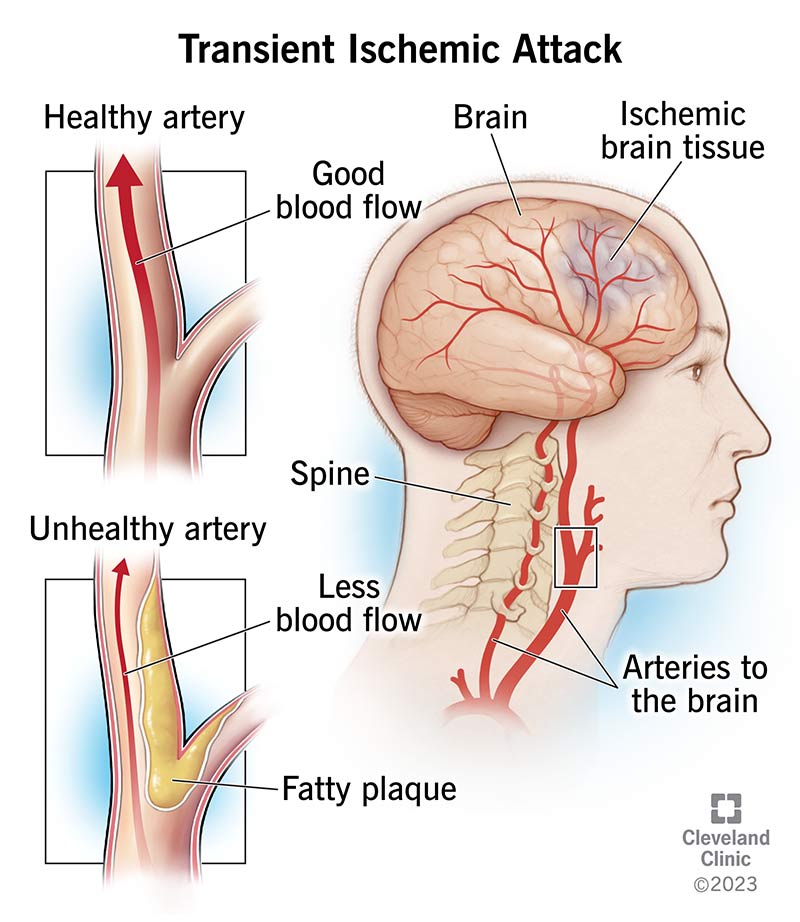
Transient Ischemic Attack (TIA) is a temporary interruption of blood flow to the brain, leading to a sudden onset of neurological symptoms. Unlike a stroke, the symptoms of TIA typically last for a short period, usually less than 24 hours. However, it is crucial to understand that even though the symptoms may resolve quickly, TIA should never be ignored or downplayed. TIA serves as a warning sign of an underlying condition that requires immediate medical attention.
Difference between TIA and stroke
TIA and stroke share similarities in terms of symptoms and causes, but they differ in duration and severity. The main difference is that a TIA is transient, with symptoms usually lasting only a few minutes to several hours, whereas a stroke results in long-lasting neurological damage. While a stroke can cause permanent disability or even be fatal, TIA often resolves itself before causing significant harm. However, it is important to remember that TIAs should still be taken seriously as they can serve as a warning sign that a stroke may occur in the future.
Importance of recognizing TIA
Recognizing and promptly addressing a TIA is crucial, as it can help prevent a future stroke. Research has shown that individuals who experience a TIA are at an increased risk of having a stroke within the following days or weeks. By identifying and treating the underlying conditions that contribute to TIAs, such as high blood pressure or high cholesterol, the risk of stroke can be significantly reduced. Therefore, knowing the signs and symptoms of a TIA and seeking immediate medical attention is essential for early intervention and prevention of a stroke.
Risk Factors for TIA
Age
Advancing age is a significant risk factor for TIA. As we grow older, our blood vessels become less elastic and more prone to damage. This, coupled with age-related health conditions such as high blood pressure and diabetes, increases the likelihood of experiencing a TIA.
High blood pressure
High blood pressure, also known as hypertension, is a leading risk factor for TIA. With elevated blood pressure, the arteries in the brain can become narrowed or blocked, reducing blood flow and increasing the chances of a TIA occurring.
Smoking
Cigarette smoking significantly raises the risk of TIA. The chemicals in tobacco smoke promote blood clot formation and damage the lining of blood vessels, both of which contribute to the development of TIAs.
Diabetes
People with diabetes are at a higher risk of developing TIAs due to the impact of the disease on blood vessels. Uncontrolled diabetes can lead to the build-up of fatty deposits in the arteries, increasing the chances of a TIA occurring.
High cholesterol levels
Elevated cholesterol levels, particularly high levels of “bad” LDL cholesterol, can contribute to the development of TIAs. When cholesterol accumulates in the blood vessels, it can form plaques that narrow the arteries and impede blood flow to the brain.
Obesity
Being overweight or obese increases the risk of TIA. Excess weight puts additional strain on the cardiovascular system and can lead to conditions such as high blood pressure and diabetes, which are known risk factors for TIAs.
Heart diseases
Certain heart conditions, such as atrial fibrillation or heart valve abnormalities, can increase the likelihood of blood clots forming in the heart. These clots can then travel to the brain and cause a TIA.
Family history
A family history of TIAs or strokes can predispose individuals to experiencing a TIA themselves. Genetics play a role in determining an individual’s susceptibility to certain health conditions, including those that increase the risk of TIAs.
Ethnicity
Certain ethnic groups, such as African Americans and Hispanics, have been found to have a higher incidence of TIAs. Genetic and lifestyle factors specific to these populations may contribute to the increased risk.
Previous history of TIA or stroke
Having experienced a previous TIA or stroke increases the likelihood of future TIAs. It is important for individuals who have had a TIA in the past to take preventive measures in order to minimize the risk of a subsequent TIA or stroke.

Prevention and Precautions
Lifestyle modifications
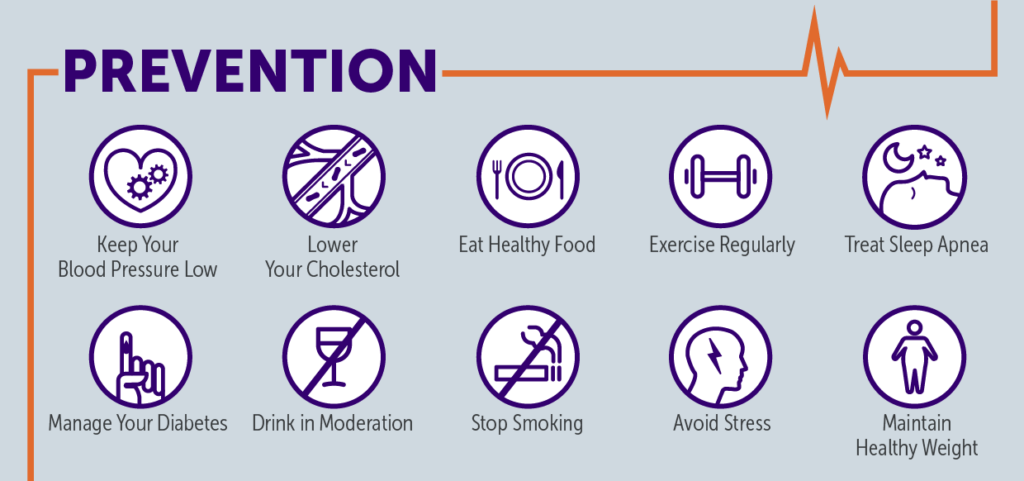
Modifying certain lifestyle factors can significantly reduce the risk of TIA. Adopting a healthy lifestyle that includes regular exercise, a balanced diet, and stress management can help maintain a healthy cardiovascular system and minimize the chances of a TIA occurring.
Smoking cessation
Quitting smoking is a crucial step in reducing the risk of TIA. It is important to seek support and resources to aid in smoking cessation, as this can be a challenging process. Quitting smoking not only lowers the risk of TIA but also provides numerous other health benefits.
Healthy diet
A nutritious diet plays a vital role in preventing TIAs. Emphasize the consumption of fruits, vegetables, whole grains, lean proteins, and healthy fats while reducing the intake of processed foods, saturated fats, and added sugars. A diet rich in antioxidants, vitamins, and minerals can help protect blood vessels and reduce the risk of TIA.
Regular exercise
Engaging in regular physical activity promotes cardiovascular health and reduces the risk of TIAs. Aim for at least 150 minutes of moderate-intensity aerobic exercise per week, along with strength training exercises. Activities such as walking, swimming, cycling, and dancing can be enjoyable and effective in maintaining a healthy lifestyle.
Maintaining a healthy weight
Maintaining a healthy weight is essential for reducing the risk of TIA. By achieving and maintaining a body mass index (BMI) within the healthy range, the strain on the cardiovascular system is reduced, which can help prevent TIAs.
Managing chronic conditions
Proper management of chronic conditions, such as high blood pressure, diabetes, and high cholesterol, is crucial in preventing TIAs. This may include medication, lifestyle modifications, regular check-ups, and close monitoring of symptoms and blood test results.
Control of high blood pressure
Controlling high blood pressure is key to preventing TIAs. This may involve medication prescribed by a healthcare professional, dietary changes, regular exercise, stress reduction techniques, and avoiding excessive alcohol consumption.
Diabetes management
Effectively managing diabetes is essential for minimizing the risk of TIAs. This typically involves maintaining optimal blood sugar levels through medication, diet, regular physical activity, and routine monitoring.
Cholesterol control
Lowering and managing cholesterol levels is vital for preventing TIAs. Medications and lifestyle modifications such as a heart-healthy diet, regular exercise, and weight management can help achieve and maintain healthy cholesterol levels.
Antiplatelet medications
Antiplatelet medications, such as aspirin or clopidogrel, may be prescribed by a healthcare professional to reduce the risk of blood clot formation and minimize the chances of a TIA or stroke. These medications should only be taken under medical supervision.
Recognizing Symptoms and Seeking Prompt Medical Attention
Signs and symptoms of TIA
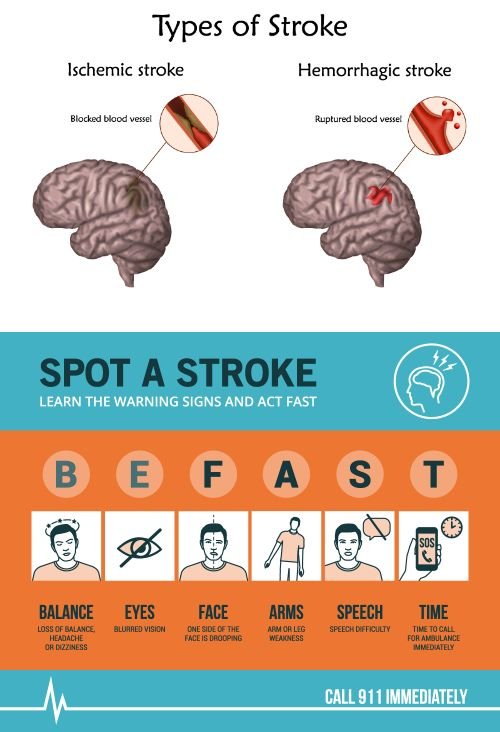
Recognizing the signs and symptoms of a TIA is crucial for seeking prompt medical attention. Common symptoms include sudden weakness or numbness in the face, arm, or leg (usually on one side of the body), difficulty speaking or understanding speech, vision changes, dizziness, and a sudden severe headache. These symptoms may come on suddenly and last for a short period of time before resolving.
When to seek immediate medical help
If you experience any symptoms of a TIA, it is important to seek immediate medical attention. Do not wait for the symptoms to resolve on their own, as this could indicate a more serious underlying condition. Call emergency services or go to the nearest emergency room to receive appropriate care and evaluation.
Emergency response to TIA
In some cases, a TIA can require immediate emergency response. Emergency medical professionals will assess your condition and determine the appropriate course of action, which may include administering medication to prevent further blood clotting, recommending further testing, or admitting you to the hospital for further monitoring and evaluation.
Medical Evaluation and Diagnosis
Physical examination
During a medical evaluation for TIA, a healthcare professional will conduct a thorough physical examination. This may include checking blood pressure, heart rate, and neurological assessments to evaluate muscle strength, coordination, reflexes, and sensory responses.
Neurological examination
A neurological examination is an essential part of the diagnostic process for TIA. This evaluation assesses various aspects of brain function, such as cognition, speech, vision, and sensory perception. It helps to determine the severity and potential cause of the TIA.
Diagnostic tests and imaging
Several diagnostic tests and imaging techniques may be used to evaluate TIA. These can include blood tests to check for underlying conditions, electrocardiography (ECG) to assess heart function, carotid ultrasound to evaluate blood flow in the neck arteries leading to the brain, and imaging scans such as computed tomography (CT) or magnetic resonance imaging (MRI) to visualize the brain and blood vessels.
Differential diagnosis between TIA and other conditions
Distinguishing a TIA from other conditions that may present with similar symptoms is important for appropriate treatment. A healthcare professional will review the patient’s medical history, conduct a thorough examination, and utilize diagnostic tests to differentiate TIAs from conditions such as migraines, seizures, or other transient neurological events.
Complications and Long-Term Effects
Risk of subsequent stroke
One of the primary concerns following a TIA is the increased risk of a subsequent stroke. Individuals who have experienced a TIA are at a significantly higher risk of having a stroke in the near future. This highlights the importance of early intervention and preventive measures to minimize the risk of future neurological damage.
Cognitive impairment
TIAs can potentially lead to cognitive impairment over time. The temporary interruption of blood flow to the brain during a TIA can cause subtle brain damage, which may accumulate and result in cognitive decline. Regular cognitive assessments and appropriate management can help minimize the impact of TIAs on cognitive function.
Depression and anxiety
Experiencing a TIA can also have psychological effects, including an increased risk of depression and anxiety. The sudden onset of neurological symptoms and the potential fear of a future stroke can lead to emotional distress. It is important to seek appropriate support and mental health resources if needed.
Disability and functional limitations
While TIAs are generally transient and do not result in long-term disability, they can still cause temporary functional limitations. For example, weakness or numbness in an arm or leg may impact daily activities until the symptoms subside. Prompt medical attention and appropriate management can help reduce the impact of these temporary impairments.

Treatment and Management
Emergency treatment during TIA
During a TIA, urgent medical interventions may be necessary to prevent further complications. Emergency responders or healthcare professionals may administer medications to prevent the formation of blood clots, conduct imaging tests to identify potential causes of the TIA, and provide additional evaluations to prevent a subsequent stroke.
Secondary prevention strategies
After a TIA, the focus shifts to implementing secondary prevention strategies to decrease the risk of future TIAs and strokes. This may involve lifestyle modifications such as adopting a heart-healthy diet, engaging in regular exercise, and quitting smoking. Additionally, medications may be prescribed to control blood pressure, manage cholesterol levels, and prevent blood clot formation.
Medications for TIA
Medications are an important component of TIA treatment and management. Depending on the individual’s specific circumstances, healthcare professionals may prescribe antiplatelet medications, such as aspirin or clopidogrel, to prevent blood clot formation. Additionally, medications to control blood pressure, manage cholesterol levels, and regulate blood sugar may be prescribed as needed.
Surgical interventions
In some cases, surgical interventions may be necessary to address underlying conditions that contribute to TIAs. For example, if a person has severe carotid artery stenosis (narrowing), a surgical procedure such as carotid endarterectomy or angioplasty with stenting may be recommended to restore adequate blood flow to the brain.
Rehabilitation and Recovery
Importance of rehabilitation
Rehabilitation plays a crucial role in the recovery after a TIA. While TIAs are transient and do not typically cause long-term disability, rehabilitation can help individuals regain strength and function, manage any lingering impairments, and prevent further complications.
Physical therapy
Physical therapy is an integral part of the rehabilitation process following a TIA. It focuses on improving strength, balance, coordination, and mobility. Physical therapists can create personalized exercise programs to help individuals regain their physical abilities.
Occupational therapy
Occupational therapy addresses the functional limitations caused by a TIA. Occupational therapists help individuals develop strategies to perform activities of daily living, regain independence, and adapt their environment to ensure safety and optimal functioning.
Speech therapy
Speech therapy, also known as language therapy or speech-language pathology, is beneficial for individuals who experience speech or language difficulties following a TIA. Speech therapists can provide exercises, techniques, and strategies to improve speech articulation, comprehension, and expression.
Psychological support
Psychological support is essential during the recovery process after a TIA. It is common for individuals to experience heightened anxiety, depression, or emotional distress following a TIA. Seeking counseling, support groups, or individual therapy can provide the necessary support and coping mechanisms.
Prognosis and Follow-Up Care
Prognostic factors for future stroke
Several factors can influence the prognosis and the risk of future stroke following a TIA. These include the presence of underlying medical conditions (such as diabetes or high blood pressure), the severity of the initial TIA, the promptness of medical intervention, and the implementation of preventive measures.
Follow-up appointments and monitoring
After a TIA, it is important to attend regular follow-up appointments with healthcare professionals. These appointments allow for ongoing monitoring of blood pressure, cholesterol levels, and overall health. Additionally, follow-up appointments provide an opportunity for healthcare professionals to adjust medications and provide further guidance for preventive measures.
Lifestyle adjustments for a healthy future
Optimizing lifestyle choices is crucial for preventing future TIAs and strokes. Continuing to engage in regular exercise, maintaining a healthy diet, managing chronic conditions, and quitting smoking can significantly decrease the risk of a recurrent TIA or stroke. It is important to view a TIA as a wake-up call to prioritize health and make lasting lifestyle changes.
Educational Resources and Support
Patient education materials
Patient education materials play a significant role in providing information and resources to individuals who have experienced a TIA. These materials may cover topics such as the signs and symptoms of a TIA, preventive measures, treatment options, and lifestyle modifications. Healthcare professionals and reputable online sources can provide these educational materials.
Support groups and counseling
Joining support groups specific to TIA or stroke survivors can be beneficial for emotional support and the exchange of experiences. Being able to connect with others who have gone through similar situations can provide a sense of understanding and camaraderie. Additionally, individual counseling or therapy can help individuals cope with any psychological challenges that may arise.
Online resources for TIA
Numerous reputable online resources provide information on TIAs, stroke prevention, and recovery. Websites from reputable sources, such as medical associations and organizations dedicated to stroke awareness, can provide comprehensive and up-to-date information on TIAs. It is important to rely on reliable sources and consult with healthcare professionals for personalized guidance.
In conclusion, understanding TIA is essential in recognizing the signs and symptoms, seeking prompt medical attention, and implementing preventive measures. Risk factors such as age, high blood pressure, smoking, diabetes, and high cholesterol levels contribute to the development of TIAs. Lifestyle modifications, managing chronic conditions, and taking prescribed medications are essential for prevention. Recognizing the symptoms of a TIA and seeking immediate medical help can prevent further complications. Medical evaluation and diagnosis involve physical examinations, neurological assessments, diagnostic tests, and imaging to differentiate TIAs from other conditions. Complications and long-term effects of TIAs include the risk of subsequent stroke, cognitive impairment, depression, anxiety, and temporary functional limitations. Treatment and management encompass emergency response, secondary prevention strategies, medications, and surgical interventions. Rehabilitation and recovery involve physical therapy, occupational therapy, speech therapy, and psychological support. Prognosis and follow-up care involve monitoring, follow-up appointments, and lifestyle adjustments. Lastly, educational resources and support, such as patient education materials, support groups, counseling, and online resources, are invaluable for individuals who have experienced a TIA.