
Yeast infections can be a pesky and uncomfortable issue that many people have to deal with. But did you know that there are certain risk factors that can increase your chances of developing a yeast infection? In this article, we will explore these risk factors, as well as provide you with some helpful precautions to minimize your risk. From understanding the importance of personal hygiene to being aware of certain underlying health conditions, we will equip you with the knowledge you need to stay one step ahead of those pesky yeast infections. So, get ready to learn some valuable information that will help you protect yourself and keep you feeling fresh and comfortable.
Risk Factors for Yeast Infection
Yeast infection, also known as candidiasis, is a common condition that affects many individuals. While it is often harmless and easily treated, there are certain risk factors that can increase your chances of developing a yeast infection. By understanding these risk factors, you can take proactive steps to protect yourself and reduce the likelihood of experiencing this uncomfortable condition.
Pregnancy
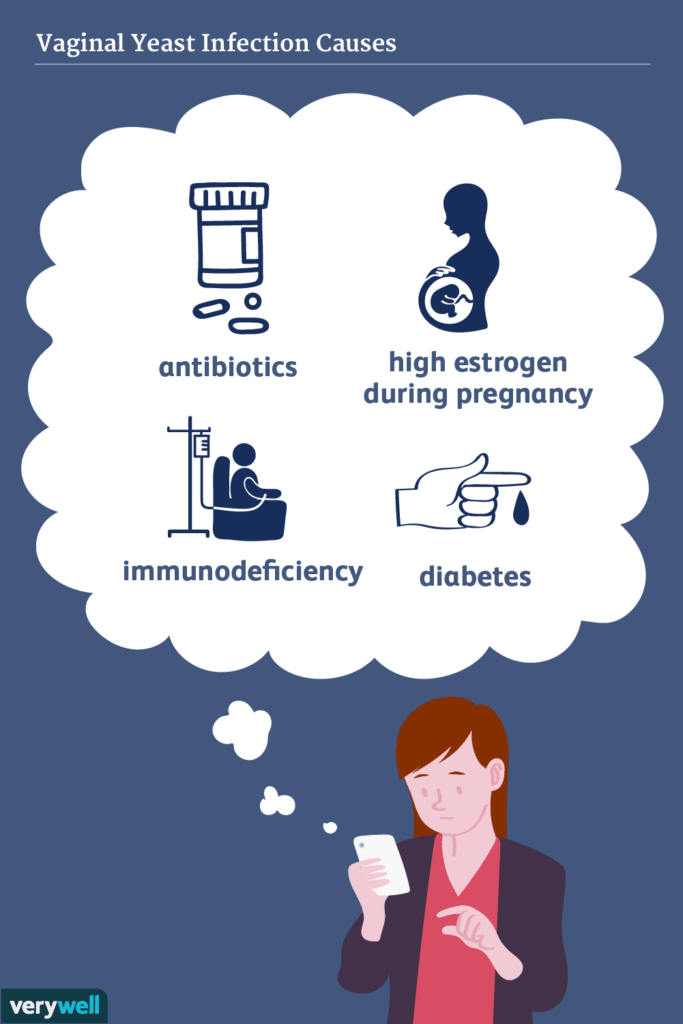
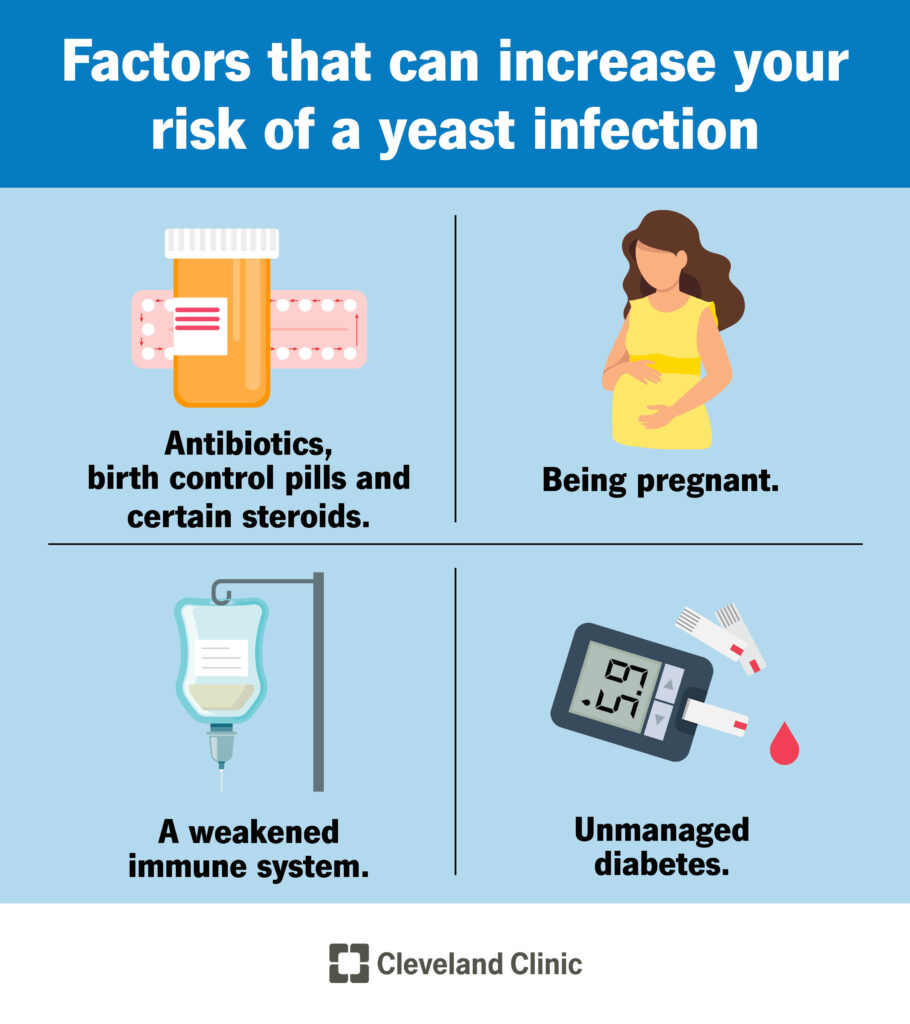
Pregnancy is one of the risk factors for yeast infections. The hormonal changes that occur during pregnancy can disrupt the natural balance of bacteria and yeast in the vaginal area, leading to an overgrowth of yeast. Additionally, the increased levels of glycogen, a type of sugar, in the vaginal secretions during pregnancy create an ideal environment for yeast to thrive. As a result, pregnant women are more susceptible to developing yeast infections.
Weakened Immune System
Having a weakened immune system can also increase your risk of developing a yeast infection. Your immune system plays a critical role in regulating the growth of yeast and other microorganisms in the body. When the immune system is compromised, such as in individuals with HIV/AIDS or those undergoing chemotherapy, the body’s ability to control yeast overgrowth is diminished. Consequently, these individuals are more susceptible to yeast infections.
Diabetes
Diabetes is another risk factor for yeast infections. High blood sugar levels provide an abundant source of food for yeast, allowing it to multiply and cause an infection. Diabetic individuals may also experience changes in the skin’s pH levels and impaired wound healing, which can further contribute to the development of yeast infections. Proper management of diabetes, including maintaining stable blood sugar levels, is crucial in reducing the risk of yeast infections.
Obesity
Obesity can increase the risk of yeast infections, particularly in the folds of the skin. Excess skin folds can create a warm and moist environment conducive to yeast growth. Furthermore, obesity is often associated with higher blood sugar levels, which can further worsen the risk of yeast overgrowth. Maintaining a healthy weight through regular exercise and a balanced diet can help reduce the risk of yeast infections.
Antibiotic Use
The use of antibiotics is a well-known risk factor for yeast infections. Antibiotics kill not only harmful bacteria but also the beneficial bacteria that help maintain a healthy balance in the body. In the absence of these beneficial bacteria, yeast can multiply at an accelerated rate and cause an infection. It is important to take antibiotics only when necessary and under the guidance of a healthcare professional to minimize the risk of yeast infections.
Oral Contraceptives
Oral contraceptives, commonly known as birth control pills, can also increase the risk of yeast infections. The hormones present in these contraceptives can alter the vaginal environment, making it more favorable for yeast growth. Additionally, the estrogen in some oral contraceptives can lead to increased glycogen levels, which further encourages yeast overgrowth. If you are experiencing recurrent yeast infections while on oral contraceptives, it is advisable to consult with your healthcare provider to explore alternative options.
Hormonal Changes
Hormonal changes, such as those experienced during the menstrual cycle or menopause, can contribute to the development of yeast infections. These hormonal fluctuations can disrupt the natural balance of yeast and bacteria in the vagina, paving the way for yeast overgrowth. Women who are experiencing hormonal changes may need to take extra precautions to maintain vaginal health and prevent yeast infections.
Tight Clothing
Wearing tight clothing, particularly in the genital area, can increase the risk of yeast infections. Tight-fitting clothes trap moisture, creating a warm and moist environment that yeast thrives in. The friction caused by tight clothing can also irritate the skin, making it more susceptible to yeast overgrowth. Opting for loose-fitting clothing made of breathable fabrics, such as cotton, can help reduce the risk of yeast infections by promoting airflow and keeping the genitals dry.
Douching
Douching, the act of rinsing or cleaning the vagina with water or other solutions, is not recommended as it can disrupt the natural balance of yeast and bacteria in the vaginal area. The vagina is a self-cleaning organ and has a delicate pH balance that helps maintain its health. Douching can strip away the protective layer of healthy bacteria, leaving the vagina more susceptible to yeast overgrowth. It is best to avoid douching and allow the vagina to maintain its own natural balance.
Unprotected Sex
Engaging in unprotected sex with a partner who has a yeast infection can increase your risk of developing one as well. Yeast infections can be transmitted through sexual activity, particularly when there is an overgrowth of yeast present in the infected partner. Using condoms can help reduce the risk of yeast infections and other sexually transmitted infections. It is important to communicate openly with your partner and seek medical advice if you suspect a yeast infection.
Precautions for Yeast Infection
While some risk factors for yeast infections may be beyond your control, there are precautions you can take to reduce the likelihood of developing one. By incorporating these habits into your lifestyle, you can promote vaginal health and minimize the risk of yeast infections.
Maintaining good hygiene
Maintaining good hygiene is essential in preventing yeast infections. This includes regularly washing the vaginal area with mild, fragrance-free soap and warm water. It is important to avoid harsh soaps or cleansers that can disrupt the natural pH balance of the vagina. After bathing or using the restroom, gently pat the area dry to prevent moisture buildup.
Avoiding irritants
Avoiding irritants is crucial in preventing yeast infections. This includes staying away from scented products, such as soaps, tampons, and feminine hygiene sprays. These products may contain chemicals that can irritate the vagina and disrupt its natural balance. Opt for fragrance-free alternatives to minimize the risk of irritation and yeast overgrowth.
Wearing breathable clothing
Wearing breathable clothing is essential in promoting vaginal health. Choose loose-fitting clothing made of breathable fabrics, such as cotton, to allow air circulation and reduce moisture buildup. Avoid wearing tight underwear or synthetic materials that can trap moisture and create an environment conducive to yeast growth.
Limiting sugar intake
Limiting sugar intake is important in preventing yeast infections. Yeast feeds on sugar, and a high-sugar diet can provide the ideal conditions for yeast overgrowth. Reduce your consumption of sugary foods and beverages, including sweets, sodas, and processed snacks. Instead, focus on a well-balanced diet that includes plenty of fruits, vegetables, and whole grains.
Taking probiotics
Taking probiotics can help maintain a healthy balance of bacteria in the body, including the vaginal area. Probiotics are beneficial bacteria that can help regulate yeast overgrowth. You can incorporate probiotics into your diet by consuming foods like yogurt or by taking supplements specifically formulated for vaginal health. Consult with your healthcare provider to determine the best probiotic regimen for you.
Avoiding douching
As mentioned earlier, douching can disrupt the natural balance of yeast and bacteria in the vagina. Avoid douching and allow the vagina to maintain its own self-cleansing mechanism. If you have concerns about vaginal odor or discharge, it is best to consult with your healthcare provider for appropriate advice and treatment options.
Practicing safe sex
Practicing safe sex is crucial in preventing yeast infections and other sexually transmitted infections. Use condoms consistently and correctly during sexual activity to reduce the risk of transmission. It is essential to communicate openly with your partner about any concerns or potential infections to ensure both of your reproductive health.
Using fragrance-free products
Using fragrance-free products is important in maintaining vaginal health. Fragrances can cause irritation and disrupt the delicate pH balance of the vagina. When choosing products such as soap, laundry detergent, or menstrual hygiene products, opt for fragrance-free options to minimize the risk of irritation and yeast overgrowth.
Limiting use of antibiotics
As mentioned earlier, the use of antibiotics can disrupt the balance of bacteria and yeast in the body. To reduce the risk of yeast infections, it is advisable to limit the use of antibiotics to when they are absolutely necessary and prescribed by a healthcare professional. If you need to take antibiotics, discuss with your healthcare provider about ways to mitigate the risk of yeast overgrowth.
Managing underlying conditions
If you have an underlying medical condition, such as diabetes or a weakened immune system, it is essential to manage and control the condition effectively. Proper management of these conditions can help reduce the likelihood of yeast infections. Adhere to your healthcare provider’s recommendations, take prescribed medications as directed, and maintain a healthy lifestyle to support your overall health and well-being.
By understanding the risk factors for yeast infections and taking necessary precautions, you can lower your chances of experiencing this uncomfortable condition. Remember to prioritize your vaginal health by practicing good hygiene, avoiding irritants, maintaining a balanced diet, and seeking medical advice when needed. Your resilient body has the ability to maintain a healthy balance, and with these precautions, you can support its natural defense against yeast infections.
