
Are you familiar with the risk factors and precautions for the West Nile Virus? It’s essential to understand the factors that increase your chances of contracting this disease and the measures you can take to protect yourself. In this article, we will explore the various risk factors associated with the West Nile Virus and discuss the precautions you can take to minimize your exposure to this potentially harmful virus. So, let’s dive in and equip you with the knowledge needed to stay safe!

Risk Factors
Geographical Location
Geographical location plays a significant role in the risk of contracting the West Nile Virus. The virus is most commonly found in parts of Africa, Europe, the Middle East, and North America. Within these regions, certain areas have a higher prevalence of the virus compared to others. It is essential to be aware of the prevalence of West Nile Virus in your specific geographical location to understand the level of risk you may be exposed to.
Seasonal Variation
The risk of West Nile Virus infection varies throughout the year, with peak transmission occurring during warmer months when mosquito populations are at their highest. In regions with distinct seasons, the risk is generally highest during late summer and early fall. It is crucial to stay vigilant and take preventive measures during these seasons, including the use of insect repellents, protective clothing, and avoiding peak mosquito activity times.
Age
Age is another significant risk factor for West Nile Virus infection. While individuals of all ages can become infected, older adults above the age of 60 are at a higher risk of developing severe symptoms and complications. Aging can impact the immune system’s response to the virus, making older individuals more susceptible to severe illness. Taking preventive measures to reduce mosquito exposure is especially important for this age group.
Occupation and Outdoor Activities
Certain occupations and outdoor activities can increase the risk of West Nile Virus infection. Jobs that involve working outdoors, such as agriculture, construction, and landscaping, may expose individuals to mosquito bites more frequently. Similarly, outdoor activities like camping, hiking, and gardening can increase the risk of mosquito exposure. It is crucial for individuals in these occupations or engaging in outdoor activities to take precautions, such as wearing protective clothing and using insect repellents.
Immunosuppression
Individuals with weakened immune systems, such as those living with HIV/AIDS or undergoing immunosuppressive therapy, have an increased risk of severe West Nile Virus infection. Immunosuppression can impair the body’s ability to fight off the virus effectively, leading to more severe symptoms and complications. It is crucial for immunocompromised individuals to take extra precautions, including reducing mosquito exposure and seeking medical attention at the first sign of symptoms.
Pregnancy
Pregnant women are another vulnerable population when it comes to West Nile Virus infection. While the virus generally does not pose a significant risk to the fetus, pregnant women have a higher likelihood of experiencing severe symptoms if infected. It is essential for pregnant women to protect themselves from mosquito bites by using repellents, wearing protective clothing, and staying indoors during peak mosquito activity times. Seeking medical advice if any symptoms arise is also vital for early detection and management.
Prevention Measures
Reduce Exposure to Mosquitoes
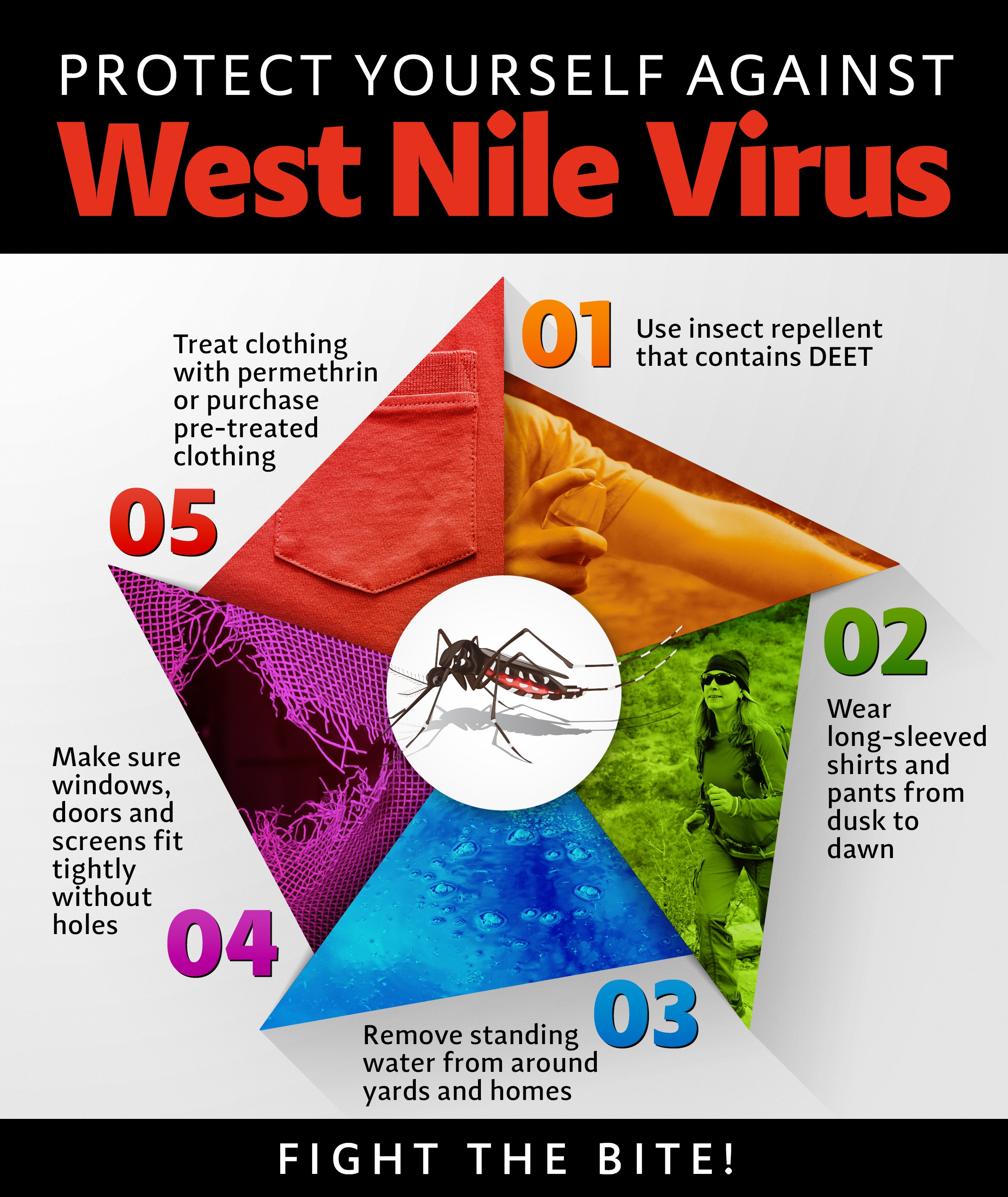
One of the most effective ways to prevent West Nile Virus infection is to reduce exposure to mosquitoes. This can be achieved by eliminating standing water sources in and around your home, as mosquitoes use these areas to breed. Regularly emptying and cleaning water containers, using larvicides in stagnant water, and ensuring proper drainage will help reduce mosquito breeding sites. Additionally, using window and door screens, and keeping them in good condition, will help prevent mosquitoes from entering your home.
Use of Insect Repellents
Using insect repellents is a crucial preventive measure to reduce the risk of West Nile Virus infection. Repellents containing ingredients like DEET, picaridin, or oil of lemon eucalyptus have been proven effective in repelling mosquitoes. When applying repellents, follow the instructions on the product label, and avoid applying them to infants under two months of age. It is also advisable to apply sunscreen before using insect repellent and to wash it off when coming indoors.
Wearing Protective Clothing
Wearing protective clothing can provide an additional layer of defense against mosquito bites. When spending time outdoors in areas with a high risk of West Nile Virus transmission, it is recommended to wear long-sleeved shirts, long pants, socks, and closed-toe shoes. Choosing light-colored clothing can also help to deter mosquitoes. By covering exposed skin, you can significantly reduce the risk of mosquito bites and potential infection.
Mosquito Control in the Environment
Mosquito control measures in the environment can help reduce the mosquito population and decrease the risk of West Nile Virus transmission. This can be achieved through community-wide efforts, such as mosquito surveillance programs, larviciding, and adulticiding. These measures aim to identify and eliminate mosquito breeding sites, use appropriate insecticides to target mosquito larvae and adults, and minimize the mosquito population in affected areas.
Avoidance of Peak Mosquito Activity Times
Mosquitoes that transmit West Nile Virus are most active during dawn and dusk. Therefore, it is important to avoid being outside during these peak mosquito activity times, especially in areas with a high prevalence of the virus. If it is necessary to be outdoors during these times, take extra precautions such as using repellents, wearing protective clothing, and seeking shelter in well-screened areas.
Protection of Infants and Children
Infants and children are susceptible to West Nile Virus infection and can experience severe symptoms. Taking preventive measures to protect them is crucial. Infants under two months of age should be kept indoors as much as possible and protected with mosquito nets or screens. For older children, using insect repellents and dressing them in long-sleeved clothing and pants can reduce their risk of mosquito bites. It is also essential to educate children about the importance of mosquito bite prevention.
Protection for Pregnant Women
Pregnant women should be particularly cautious and take additional measures to protect themselves from West Nile Virus infection. In addition to using insect repellents and wearing protective clothing, pregnant women should avoid outdoor activities during peak mosquito activity times. Seeking prenatal care and informing healthcare providers of any potential exposure to mosquitoes or symptoms are crucial for early detection and management.
Protection for Immunocompromised Individuals
Immunocompromised individuals, such as those living with HIV/AIDS or undergoing immunosuppressive therapy, are at an increased risk of severe West Nile Virus infection. They should take extra precautions to protect themselves from mosquito bites by using repellents, wearing protective clothing, and staying indoors during peak mosquito activity times. It is important for healthcare providers to monitor these individuals closely and provide appropriate guidance for prevention and management.
Preventing Mosquito Breeding Sites
Preventing mosquito breeding sites is an essential step in reducing the risk of West Nile Virus transmission. Individuals should regularly inspect their surroundings for standing water and eliminate or treat potential breeding sites. This includes emptying water from flower pots, gutters, birdbaths, and other containers, as well as ensuring proper drainage. The community should also be engaged in mosquito control programs to identify and address breeding sites in public areas.
Vaccination
Currently, there is no specific vaccine available for the prevention of West Nile Virus infection in humans. However, vaccination has been developed for horses, which are highly susceptible to the virus. Vaccinating horses can help reduce the overall circulation of the virus, ultimately lowering the risk of human infections. It is essential for horse owners to regularly vaccinate their horses and consult with veterinarians for appropriate vaccination schedules and protocols.
Symptoms and Diagnosis
Asymptomatic Infections
Many individuals who become infected with the West Nile Virus do not exhibit any symptoms and are considered asymptomatic. Estimates suggest that approximately 80% of infected individuals do not develop any noticeable symptoms. While these individuals may not experience any adverse health effects, they can still serve as potential sources of infection for others. It is crucial to practice preventive measures, such as reducing mosquito exposure and protecting against mosquito bites, even if no symptoms are present.
Mild Symptoms
For individuals who do exhibit symptoms, the typical presentation of West Nile Virus infection includes mild symptoms that resemble a flu-like illness. These include fever, headache, body aches, fatigue, and occasionally a skin rash. Mild symptoms usually resolve on their own without specific medical treatment. However, it is essential to rest, stay hydrated, and manage symptoms with over-the-counter medications under the guidance of a healthcare professional.
Severe Symptoms
In some cases, West Nile Virus infection can progress to more severe symptoms, particularly in older adults and individuals with weakened immune systems. Severe symptoms may include high fever, neck stiffness, confusion, muscle weakness, tremors, convulsions, and paralysis. These symptoms necessitate immediate medical attention, as they may indicate the development of severe neurological complications. Early detection and appropriate management are crucial for optimal outcomes.
Neurological Symptoms
Neurological complications are among the most severe manifestations of West Nile Virus infection. These include encephalitis (inflammation of the brain), meningitis (inflammation of the lining around the brain and spinal cord), and acute flaccid paralysis (sudden onset of weakness or paralysis in one or more limbs). Neurological symptoms require prompt medical evaluation and may necessitate hospitalization and specialized treatment.
Laboratory Diagnosis
Laboratory testing is necessary for confirming a West Nile Virus diagnosis, especially in cases with severe symptoms or neurological complications. The most commonly used tests include serologic testing and molecular assays to detect the presence of the virus or antibodies in blood or cerebrospinal fluid samples. These tests can help differentiate West Nile Virus infection from other similar viral illnesses and assist in appropriate patient management.
Differential Diagnosis
The symptoms of West Nile Virus infection can overlap with other mosquito-borne and viral illnesses, making differential diagnosis crucial. Healthcare providers will consider a patient’s symptoms, travel history, and potential exposure to determine the most likely cause of their illness. Differential diagnosis may include diseases such as dengue fever, chikungunya virus infection, Zika virus infection, and other viral encephalitis or meningitis.
Treatment and Management
Supportive Care
There is currently no specific antiviral treatment for West Nile Virus infection in humans. Most individuals with mild symptoms or uncomplicated cases can recover on their own with supportive care measures. Supportive care includes rest, hydration, and over-the-counter medications to relieve symptoms such as fever, headache, and body aches. If symptoms worsen or severe complications develop, hospitalization and specialized care may be required.
Hospitalization
Severe cases of West Nile Virus infection, particularly those with neurological complications, usually require hospitalization. Hospitalization allows for close monitoring of the patient’s condition and the provision of specialized care. Intravenous fluids may be administered to maintain hydration, and medications may be prescribed to manage symptoms, control seizures, or reduce inflammation. Some individuals with severe neurological complications may require intensive care treatment.
Antiviral Medications
While there is no specific antiviral medication for West Nile Virus infection, in certain cases, physicians may consider off-label use of antiviral drugs to manage severe cases or complications. These decisions are made on a case-by-case basis, considering the patient’s overall condition, progression of the disease, and potential benefits of the medication. Antiviral medications may help reduce the viral load and potentially improve outcomes.
Management of Neurological Complications
Neurological complications, such as encephalitis or meningitis, require specialized management and care. Patients may receive specific treatments aimed at reducing brain inflammation, controlling seizures, and managing other neurological symptoms. Additionally, rehabilitation services may be necessary to assist individuals in recovering from any long-term impacts on their motor or cognitive functions.
Medications for Symptom Relief
Symptomatic treatment plays a significant role in managing West Nile Virus infection, particularly for individuals with mild to moderate symptoms. Over-the-counter medications, such as acetaminophen or nonsteroidal anti-inflammatory drugs (NSAIDs), can help relieve fever, headache, muscle aches, and other symptoms. It is important to follow dosing instructions and consult a healthcare professional if symptoms persist or worsen.
Preventive Measures for Transmission
In addition to providing appropriate treatment and management for infected individuals, it is crucial to implement preventive measures to limit further transmission. This includes isolating severe cases to minimize the risk of mosquito bites and implementing infection control measures in healthcare settings. Public health authorities should also engage in contact tracing and surveillance to identify potential sources of infection and take necessary actions to prevent further spread.

Public Health Interventions
Surveillance and Monitoring
Surveillance and monitoring of West Nile Virus activity are essential for understanding its epidemiology and implementing effective prevention measures. This includes monitoring human cases, avian populations, mosquito populations, and environmental factors. Robust surveillance systems enable public health authorities to detect outbreaks, identify high-risk areas, and evaluate the effectiveness of interventions. Data integration and analysis facilitate timely decision-making and targeted interventions.
Public Awareness and Education
Public awareness and education campaigns are crucial in preventing West Nile Virus infection. These campaigns aim to inform individuals about the risk factors, symptoms, and preventive measures associated with the virus. By promoting personal protective measures, such as the use of repellents and the elimination of mosquito breeding sites, public health authorities can empower individuals to take action to reduce their risk of infection.
Mosquito Control Programs
Mosquito control programs play a vital role in reducing the mosquito population and interrupting the transmission cycle of West Nile Virus. These programs typically involve larviciding, which targets mosquito larvae in breeding sites, and adulticiding, which targets adult mosquitoes. Effective mosquito control programs require collaboration between public health agencies, vector control districts, and the community to implement proactive and sustainable strategies.
Community Outreach and Engagement
Engaging the community is essential for the success of West Nile Virus prevention efforts. Community outreach initiatives can involve educating residents about the importance of mosquito bite prevention and encouraging their participation in mosquito control programs. By fostering a sense of collective responsibility, community engagement promotes the adoption of preventive measures, such as the elimination of breeding sites, wearing protective clothing, and reporting dead birds, which can serve as indicators of West Nile Virus activity.
Vector Control Strategies
Implementing effective vector control strategies is vital for reducing the risk of West Nile Virus transmission. These strategies focus on interrupting the mosquito life cycle and minimizing mosquito-human contact. Integrated vector management, which combines multiple approaches such as source reduction, biological control, and chemical control, can help achieve sustainable and long-term reductions in mosquito populations. Targeted application of insecticides and larvicides can also be employed to control localized outbreaks.
Public Health Policy and Legislation
Public health policy and legislation play a significant role in West Nile Virus prevention and control. Governments and public health authorities often develop policies and regulations to guide surveillance and response efforts, establish reporting requirements, allocate resources, and coordinate activities between various stakeholders. Effective policies help streamline prevention measures, facilitate data sharing, and empower public health agencies to respond efficiently to outbreaks and emerging threats.
Epidemiology and Risk Assessment
Global Distribution
West Nile Virus is primarily found in parts of Africa, Europe, the Middle East, and North America. The virus has a broad global distribution, with specific endemic areas where the virus consistently circulates in mosquito and bird populations. However, cases of West Nile Virus infection have been reported outside these endemic regions, indicating the potential for global spread. Monitoring global distribution allows for preparedness and targeted prevention efforts.
Epidemic Outbreaks
Periodic epidemic outbreaks of West Nile Virus occur in various parts of the world, resulting in increased human cases and severe disease outcomes. These outbreaks are often associated with specific ecological and environmental factors that favor viral amplification and increased transmission. Timely detection and response to outbreaks are critical to implementing effective control measures and mitigating the impact on public health.
Seasonal Patterns
West Nile Virus transmission exhibits seasonal patterns, with the risk of infection generally highest during warmer months. In temperate regions, peak transmission occurs in late summer and early fall, coinciding with the highest mosquito activity. Understanding these seasonal patterns helps public health authorities determine the timing of preventive measures, allocate resources effectively, and educate the public about the need for heightened vigilance during specific periods.
Transmission Cycles
West Nile Virus has complex transmission cycles involving both mosquitoes and birds. Mosquitoes become infected by feeding on infected birds, which serve as reservoir hosts for the virus. Infected mosquitoes can then transmit the virus to humans and other animals through subsequent blood meals. Understanding the intricacies of these transmission cycles is crucial for implementing targeted prevention strategies and interrupting the virus’s circulation.
Risk Assessment Models
Risk assessment models are valuable tools for predicting the potential spread and impact of West Nile Virus. These models combine surveillance data, ecological parameters, and environmental factors to estimate the risk of transmission in specific geographic areas. By identifying high-risk areas and populations, risk assessment models assist in prioritizing interventions and allocating resources where they are most needed. Continuous refinement and validation of these models enhance their accuracy and utility.
Zoonotic Transmission and Reservoirs
Mosquito-Bird-Mosquito Cycle
The primary transmission cycle of West Nile Virus involves mosquitoes and birds. Infected mosquitoes acquire the virus when feeding on infected birds, which act as reservoir hosts. The virus then replicates in the mosquito and can be transmitted to humans and other animals through subsequent blood meals. This cycle perpetuates virus circulation and amplification in bird populations, with mosquitoes acting as the bridge between birds and humans.
Other Animal Reservoirs
In addition to birds, West Nile Virus can infect other animals, serving as potential reservoir hosts. This includes mammals, reptiles, and amphibians. While the role of these animal reservoirs in the virus’s epidemiology and transmission to humans is not fully understood, they can contribute to the maintenance and amplification of the virus in specific ecological niches. Ongoing research aims to elucidate the significance of these reservoirs in West Nile Virus ecology.
Arboviral Amplification
West Nile Virus is an arbovirus, which refers to viruses that are transmitted by arthropods such as mosquitoes. Arboviral amplification is a process whereby a virus increases in abundance within a specific environment, typically involving competent vertebrate hosts and competent mosquito vectors. Amplification occurs when infected mosquitoes feed on susceptible vertebrate hosts, and the virus replicates within them, causing an increased number of infectious mosquitoes. This amplification contributes to the overall risk of West Nile Virus transmission.
Climate Change and West Nile Virus
Impact of Temperature
Climate change can influence the transmission dynamics of West Nile Virus by altering mosquito behaviors and population dynamics. Increasing temperatures can shorten the developmental timeline of mosquitoes, allowing for more rapid virus replication and transmission. Warmer temperatures may also expand the geographic range of mosquito species capable of transmitting the virus, potentially increasing the risk of spread to new areas.
Effect of Rainfall Patterns
Climate change can also affect rainfall patterns, which have implications for West Nile Virus transmission. Heavy rainfall can create stagnant water sources, providing favorable breeding conditions for mosquitoes. This could result in increased mosquito populations and higher transmission rates. Conversely, drought conditions may lead to the concentration of mosquitoes in limited water sources, increasing the likelihood of virus transmission.
Altered Distribution
Climate change can alter the distribution of West Nile Virus by influencing the range of mosquito species and the availability and suitability of ecological habitats. Higher temperatures may allow mosquitoes to expand their geographic range into previously unaffected areas. Changes in precipitation patterns can also create favorable conditions for mosquito populations, leading to increased virus circulation in new regions.
Ecological and Environmental Factors
Changes in ecological and environmental factors due to climate change can impact West Nile Virus transmission. These factors include land use changes, habitat fragmentation, urbanization, and altered wildlife populations. Modifications in vegetation cover and availability of suitable breeding sites can influence mosquito populations and their interactions with bird reservoirs, thereby affecting virus circulation and the risk of human infection.

Surveillance and Monitoring
Human Case Surveillance
Monitoring human cases of West Nile Virus infection is essential for tracking the virus’s impact on public health. Public health authorities collect data on the number of cases, demographics, symptoms, and outcomes to identify trends and patterns. This information enables the assessment of disease burden, identification of high-risk populations, and evaluation of the effectiveness of preventive measures. Timely reporting and accurate diagnosis of cases are crucial for robust surveillance.
Avian Surveillance
Birds play a central role in West Nile Virus transmission, and monitoring avian populations is crucial for understanding virus circulation and assessing the risk of human infection. Avian surveillance involves the collection and testing of bird samples for the presence of the virus or antibodies. By monitoring avian mortality and seroprevalence, public health authorities can detect virus activity, identify high-risk areas, and implement targeted prevention strategies.
Vector Surveillance
Vector surveillance involves monitoring mosquito populations for West Nile Virus activity. This includes identifying mosquito species, collecting and testing mosquitoes for the virus, and monitoring changes in mosquito populations over time. Vector surveillance helps identify high-risk areas, track the introduction or spread of new mosquito species, and guide mosquito control efforts. Monitoring mosquito infection rates provides an early warning system for potential human cases.
Environmental Monitoring
Environmental monitoring focuses on assessing ecological and environmental factors that influence West Nile Virus transmission. This includes monitoring temperature, rainfall, vegetation cover, and water sources. By understanding the impact of these factors on mosquito populations and virus amplification, public health authorities can predict transmission patterns, identify areas at highest risk, and implement targeted interventions.
Integration of Data
Integration of data from various surveillance systems is crucial for a comprehensive understanding of West Nile Virus activity. This involves integrating human case data, avian surveillance data, vector surveillance data, and environmental data to identify correlations, trends, and spatial relationships. Integrated data analysis enables better risk assessment, early detection of outbreaks, and informed decision-making for public health interventions.
Challenges and Future Directions
Rapidly Evolving Virus
West Nile Virus is a rapidly evolving virus that presents challenges in terms of prevention, surveillance, and treatment. The virus can undergo genetic mutations, potentially leading to changes in its virulence, transmissibility, or host range. Continuous monitoring of the virus and its variants is necessary to adapt prevention measures and ensure accurate diagnosis and treatment.
Complexity of Transmission
The transmission dynamics of West Nile Virus are complex and involve interactions between mosquitoes, birds, humans, and other animal reservoirs. Understanding these transmission dynamics and the ecological factors that influence virus circulation is challenging. Advanced modeling techniques and interdisciplinary collaboration between epidemiologists, entomologists, veterinarians, and ecologists are crucial for unraveling the complexities of West Nile Virus transmission.
Antiviral Resistance
The emergence of antiviral resistance is a concern in the management of West Nile Virus infection. While antiviral medications may be effective in reducing viral load and symptoms, prolonged or inappropriate use can potentially lead to the development of resistance. Surveillance for antiviral resistance and ongoing research to develop new treatment options are essential for effective management of West Nile Virus infections.
Integration into Existing Public Health Systems
Integration of West Nile Virus prevention and control measures into existing public health systems can be challenging. Public health agencies need to ensure effective coordination between various departments, including vector control, surveillance, laboratory testing, and healthcare providers. Integration of data systems, communication channels, and protocols enhances the efficiency of response efforts and enables timely interventions.
Vaccine Development
The development of a specific vaccine for West Nile Virus remains an ongoing area of research. A safe and effective vaccine would provide an additional tool for preventing infection and reducing the burden of severe disease and complications. Continued investment in vaccine research and development is crucial to overcoming the challenges posed by this virus and achieving comprehensive control strategies.
In conclusion, understanding the risk factors, practicing prevention measures, recognizing symptoms, ensuring prompt diagnosis and treatment, and implementing effective public health interventions are essential in addressing the challenges posed by West Nile Virus. Continuous research, surveillance, and collaboration between various stakeholders will help advance our knowledge and improve our ability to prevent and manage this viral infection. By adopting a comprehensive approach, we can work towards reducing the impact of West Nile Virus on individuals and communities worldwide.