
You’ve probably heard about the rising incidence of colorectal cancer, a condition that affects millions of people worldwide. But did you know that there are several simple steps you can take to minimize your risk? In this article, we’ll explore some effective strategies that can help you prevent colorectal cancer and maintain a healthy lifestyle. From making dietary changes to engaging in regular exercise, these practical tips can make a significant difference in reducing your chances of developing this potentially life-threatening disease. So, let’s dive into the world of colorectal cancer prevention and empower ourselves with valuable information.
Maintaining a Healthy Diet
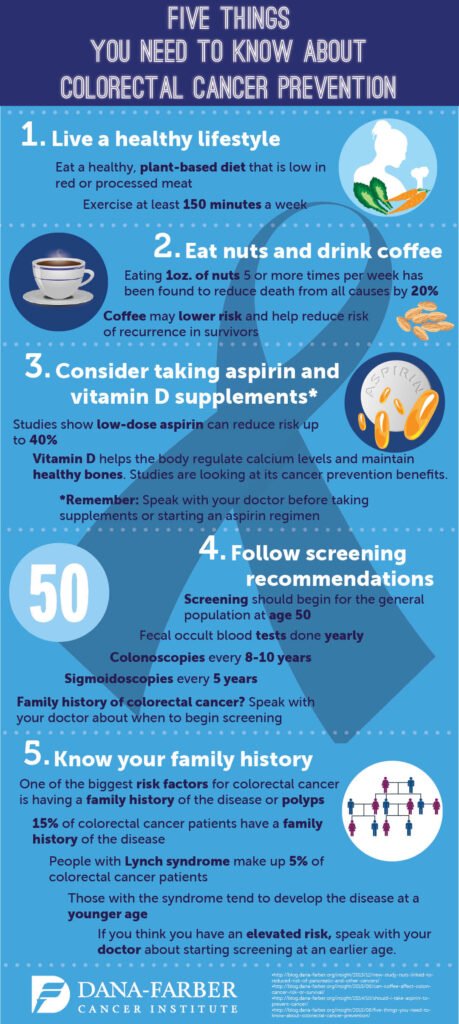
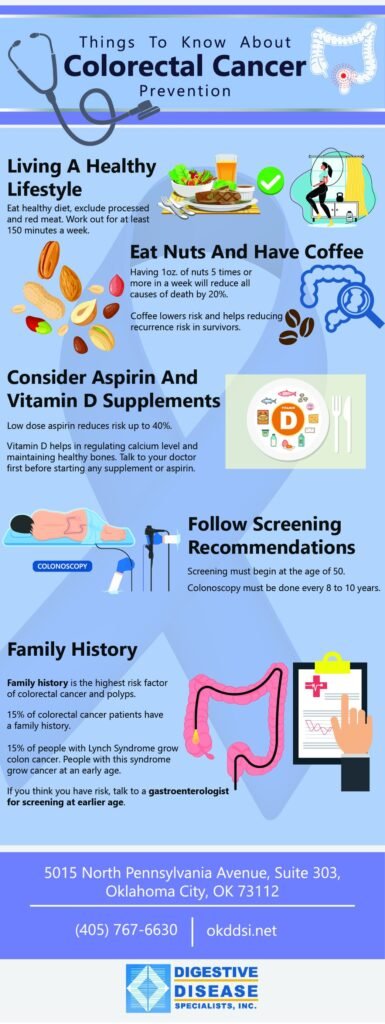
Eating a balanced and nutritious diet is essential for maintaining good health and reducing the risk of colorectal cancer. One of the key aspects of a healthy diet is increasing your fiber intake. Fiber plays a crucial role in promoting healthy digestion and preventing constipation. It can also help lower your risk of developing colorectal cancer. To increase your fiber intake, incorporate more whole grains, such as whole wheat bread, brown rice, and oatmeal, into your diet. You can also include legumes and beans, such as lentils, chickpeas, and black beans, as they are excellent sources of dietary fiber.
In addition to increasing fiber intake, it is important to reduce consumption of red and processed meats. These types of meats have been associated with an increased risk of colorectal cancer. Instead, opt for lean cuts of meat and limit the amount of processed and cured meats in your diet. Consider incorporating plant-based alternatives, such as tofu, tempeh, and seitan, into your meals.
Furthermore, consuming more fruits and vegetables is another important aspect of maintaining a healthy diet and reducing the risk of colorectal cancer. Fruits and vegetables are rich in essential vitamins, minerals, and antioxidants that can help protect against various types of cancer. Aim to eat a variety of colorful fruits, such as berries, citrus fruits, and melons, as they are packed with beneficial nutrients. Additionally, include leafy greens, like spinach, kale, and Swiss chard, in your meals to boost your vegetable intake. Don’t be afraid to experiment with different cooking methods, such as steaming or grilling, to enhance the flavor and nutritional value of your fruits and vegetables.
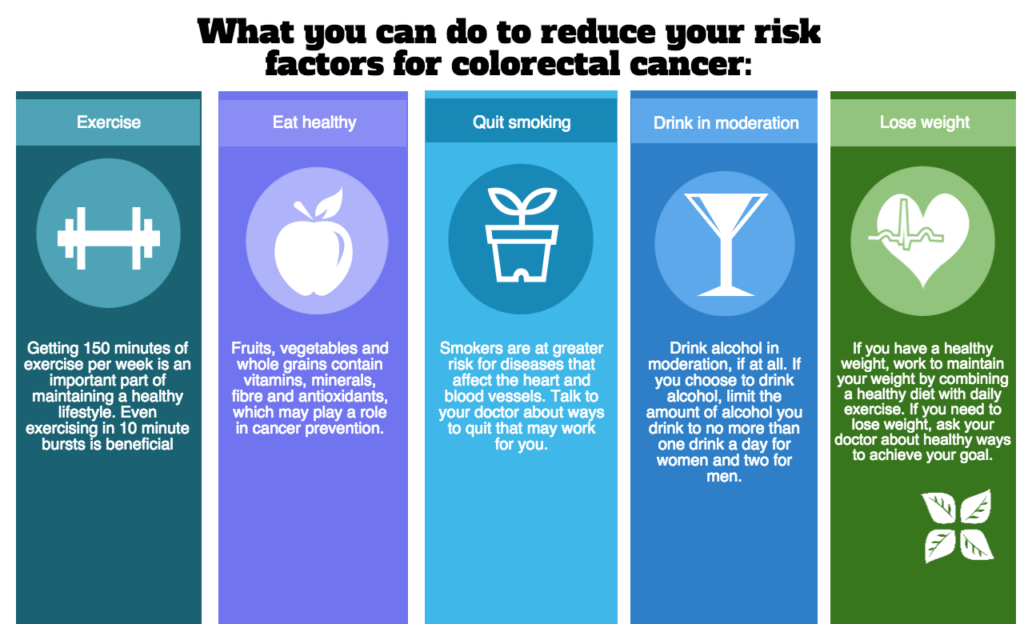
To complete a healthy diet, it is crucial to limit alcohol and tobacco consumption. Excessive alcohol consumption has been linked to an increased risk of colorectal cancer, so it is important to drink in moderation. For men, this means limiting alcohol intake to no more than two drinks per day, and for women, it is recommended to have no more than one drink per day. Additionally, avoiding tobacco use is essential for reducing the risk of various types of cancer, including colorectal cancer. If you are a smoker, consider enrolling in smoking cessation programs to help you quit and improve your overall health.
Regular Physical Activity
Engaging in regular physical activity is not only important for maintaining a healthy weight but also plays a crucial role in reducing the risk of colorectal cancer. Aim to incorporate moderate-intensity exercises, such as brisk walking, cycling, swimming, or dancing, into your routine. Regular physical activity can help improve digestion, reduce inflammation, and regulate hormone levels, all of which can contribute to a lower risk of colorectal cancer.
In addition to engaging in exercise, maintaining a healthy weight is essential for reducing the risk of various types of cancer, including colorectal cancer. Being overweight or obese increases the likelihood of developing colorectal cancer. Therefore, it is important to monitor your weight and make necessary lifestyle changes to achieve and maintain a healthy weight. This can be done by following a balanced diet and engaging in regular physical activity.
Another important aspect of maintaining a healthy weight is limiting sedentary behavior. Prolonged sitting or inactivity has been associated with an increased risk of colorectal cancer. Therefore, it is important to find ways to incorporate more movement into your daily routine. Consider taking short breaks to stand up, stretch, and walk around, especially if you have a sedentary job. Even small changes, such as taking the stairs instead of the elevator or parking further away from your destination, can make a significant difference in reducing sedentary behavior and promoting overall health.
Screening and Early Detection
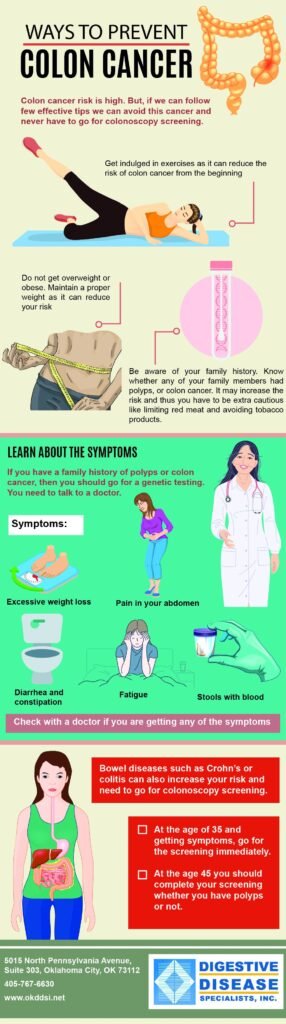
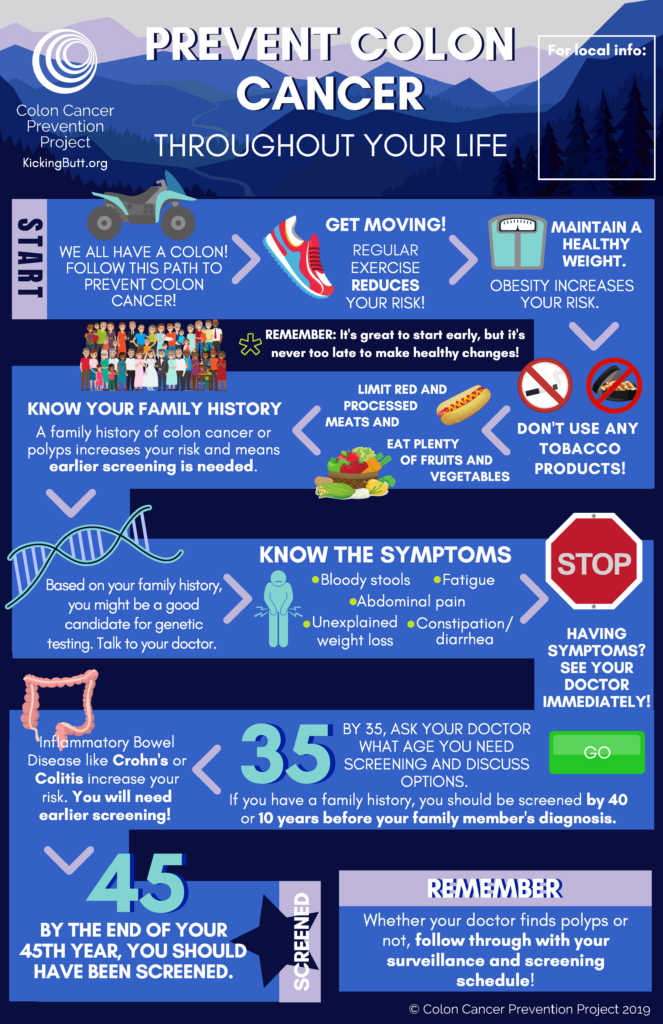
Regular screening tests are vital for the early detection and prevention of colorectal cancer. These tests can identify precancerous polyps or detect cancer in its early stages when treatment is most effective. It is recommended to undergo regular screening tests starting at the age of 50, or earlier if you have a family history of colorectal cancer or other risk factors. Common screening methods include colonoscopies, flexible sigmoidoscopies, and fecal occult blood tests.
In addition to regular screening tests, it is important to be aware of the symptoms and signs of colorectal cancer. Common symptoms include persistent changes in bowel movements, such as diarrhea or constipation, blood in the stool, abdominal pain, unexplained weight loss, and fatigue. If you experience any of these symptoms or notice any abnormalities, it is crucial to seek medical attention promptly. Early detection and treatment can significantly improve the prognosis and outcomes of colorectal cancer.
Healthy Lifestyle Choices
In addition to maintaining a healthy diet and engaging in regular physical activity, making other healthy lifestyle choices can further reduce the risk of colorectal cancer. Limiting alcohol consumption is important not only for maintaining a healthy diet but also for reducing the risk of various types of cancer, including colorectal cancer. As mentioned earlier, it is recommended to drink alcohol in moderation, with a limit of no more than two drinks per day for men and one drink per day for women.
Quitting smoking is another crucial step in reducing the risk of colorectal cancer and other health problems. Smoking has been linked to an increased risk of various types of cancer, including colorectal cancer. If you are a smoker, consider enrolling in smoking cessation programs or seeking support from healthcare professionals to help you quit.
Managing stress levels is also an important aspect of a healthy lifestyle and reducing the risk of colorectal cancer. Chronic stress can weaken the immune system and contribute to the development of various diseases, including cancer. Find healthy and effective ways to manage stress, such as practicing relaxation techniques, exercise, meditation, or engaging in hobbies and activities that bring you joy and peace.
Lastly, getting enough sleep is essential for overall health and well-being, including reducing the risk of colorectal cancer. Lack of sleep or poor-quality sleep has been associated with an increased risk of various health conditions, including cancer. Aim to get at least 7-9 hours of quality sleep each night. Establish a relaxing bedtime routine, create a comfortable sleep environment, and prioritize sleep as an important aspect of your daily routine.
Maintaining a Healthy Weight
Maintaining a healthy weight is crucial for reducing the risk of colorectal cancer and other health conditions. Following a balanced diet that includes a variety of nutrient-rich foods is essential for achieving and maintaining a healthy weight. Incorporate a mix of fruits, vegetables, whole grains, lean proteins, and healthy fats into your meals. Avoid restrictive crash diets or fad diets, as these can be detrimental to your health and may increase the risk of certain diseases.
In addition to a balanced diet, engaging in regular exercise is key to maintaining a healthy weight. Aim for at least 150 minutes of moderate-intensity aerobic exercise or 75 minutes of vigorous-intensity exercise each week. Include a mix of cardio exercises, such as walking, jogging, cycling, or swimming, as well as strength-training exercises, such as lifting weights or using resistance bands. Finding activities that you enjoy and incorporating them into your routine can make it easier to stay motivated and maintain regular physical activity.
Monitoring portion sizes is another important aspect of maintaining a healthy weight. Overeating or consuming larger portions than necessary can contribute to weight gain and increase the risk of colorectal cancer. Practice mindful eating by paying attention to hunger and fullness cues, and aim to eat smaller, more frequent meals throughout the day. Incorporate a variety of colorful fruits and vegetables into your meals, as these are low in calories and packed with essential nutrients.
Lastly, it is important to avoid crash diets or extreme weight loss methods. These can be harmful to your health, disrupt your metabolism, and increase the risk of various health problems, including colorectal cancer. Instead, focus on making sustainable lifestyle changes that promote long-term weight maintenance and overall health.
Increase Fiber Intake
Increasing fiber intake is an important aspect of maintaining a healthy diet and reducing the risk of colorectal cancer. Fiber is a nutrient found in plant-based foods that is not digested by the body. It plays a crucial role in promoting healthy digestion, preventing constipation, and reducing the risk of colorectal cancer.
To increase your fiber intake, choose whole grains over refined grains. Whole grains, such as whole wheat bread, brown rice, oatmeal, and quinoa, are rich in fiber and other essential nutrients. They provide sustained energy and help promote a healthy digestive system.
Additionally, including legumes and beans in your meals is a great way to boost your fiber intake. These plant-based protein sources, such as lentils, chickpeas, black beans, and kidney beans, are not only rich in fiber but also provide a wide range of vitamins, minerals, and antioxidants.
Lastly, consuming fresh fruits and vegetables is an excellent way to increase your fiber intake. Fruits and vegetables are naturally high in fiber and provide a wide range of essential nutrients. Aim to include a variety of colorful fruits and vegetables in your meals and snacks. Berries, citrus fruits, apples, leafy greens, broccoli, and carrots are all great options to consider.
Reduce Red and Processed Meat Consumption
Reducing the consumption of red and processed meats is crucial for reducing the risk of colorectal cancer. Red meats, such as beef, pork, and lamb, as well as processed and cured meats, such as bacon, hot dogs, and sausages, have been associated with an increased risk of colorectal cancer.
When choosing meat, opt for lean cuts instead of high-fat cuts. Trim any visible fat and remove the skin from poultry before cooking. Limit consumption of processed and cured meats, as they often contain additives and preservatives that can be harmful to health.
Consider incorporating plant-based alternatives into your meals. Plant-based proteins, such as tofu, tempeh, seitan, and legumes, provide a healthy and sustainable alternative to red and processed meats. They are rich in fiber, vitamins, minerals, and antioxidants, and can help reduce the risk of colorectal cancer.
Consume More Fruits and Vegetables
Eating a variety of fruits and vegetables is essential for maintaining a healthy diet and reducing the risk of colorectal cancer. Fruits and vegetables are packed with essential vitamins, minerals, fiber, and antioxidants that can help protect against various types of cancer.
To increase your fruit intake, choose a variety of colorful fruits. Berries, such as strawberries, blueberries, and raspberries, are rich in antioxidants and can help reduce inflammation in the body. Citrus fruits, like oranges, grapefruits, and lemons, are high in vitamin C and provide a refreshing burst of flavor. Melons, such as watermelon, cantaloupe, and honeydew, are hydrating and provide a sweet treat during the summer months.
When it comes to vegetables, aim to include leafy greens in your meals. Spinach, kale, Swiss chard, and collard greens are packed with essential vitamins and minerals. They are also rich in fiber and low in calories, making them an excellent addition to any meal. Experiment with different cooking methods, such as steaming or sautéing, to enhance the flavor and nutritional value of your vegetables.
Incorporating more fruits and vegetables into your diet doesn’t have to be boring. Experiment with different cooking methods, such as roasting or grilling, to add variety and enhance the natural sweetness and flavors of your fruits and vegetables. Explore new recipes and flavors to keep your meals interesting and enjoyable.
Limit Alcohol and Tobacco Consumption
Limiting the consumption of alcohol and avoiding tobacco use are essential for reducing the risk of various types of cancer, including colorectal cancer. Excessive alcohol consumption has been linked to an increased risk of colorectal cancer, among other health problems. It is important to drink alcohol in moderation, with a limit of no more than two drinks per day for men and one drink per day for women.
Tobacco use, including smoking cigarettes, cigars, or pipes, as well as chewing tobacco, is a major risk factor for colorectal cancer and other types of cancer. If you are a smoker, it is crucial to quit smoking as soon as possible. Smoking cessation programs, nicotine replacement therapies, and support from healthcare professionals can greatly increase your chances of success in quitting smoking.
Avoiding secondhand smoke is also important, as exposure to tobacco smoke can increase the risk of colorectal cancer. If you live with a smoker or frequent places where smoking is allowed, consider taking measures to avoid secondhand smoke and protect your health.
By limiting alcohol consumption and avoiding tobacco use, you not only reduce the risk of colorectal cancer but also improve your overall health and well-being.
Experiment with Different Cooking Methods
Exploring different cooking methods can add variety to your meals and enhance the flavors of your food. When it comes to cooking vegetables, try steaming or grilling them. Steaming vegetables helps retain their natural flavors, textures, and nutritional value. It is a gentle cooking method that preserves the vibrant colors and crunchiness of the vegetables.
Grilling vegetables is another delicious and healthy option. It adds a smoky flavor and brings out the natural sweetness of the vegetables. Brush them with a little olive oil and sprinkle with your favorite seasonings before placing them on the grill. Remember to turn them occasionally to ensure even cooking.
Roasting fruits is a great way to bring out their natural sweetness. This method caramelizes the sugars in the fruit, resulting in a rich, sweet flavor. Try roasting apples, pears, or stone fruits, such as peaches or plums, for a delicious and healthy dessert option. Simply cut the fruits into slices or wedges, place them on a baking sheet, and roast them in the oven until they are tender and slightly golden.
Don’t be afraid to explore new recipes and flavors. Try different combinations of herbs, spices, and seasonings to enhance the taste of your meals. Experimenting with different cooking methods can make healthy eating enjoyable and help you maintain a nutritious and varied diet.
In conclusion, maintaining a healthy diet, engaging in regular physical activity, undergoing regular screening tests, and making healthy lifestyle choices are all essential for preventing colorectal cancer. Increasing fiber intake, reducing red and processed meat consumption, consuming more fruits and vegetables, and limiting alcohol and tobacco consumption are all effective strategies for reducing the risk of colorectal cancer. Additionally, maintaining a healthy weight, increasing fiber intake, reducing red and processed meat consumption, consuming more fruits and vegetables, and limiting alcohol and tobacco consumption through a balanced diet, regular exercise, monitoring portion sizes, and avoiding crash diets can help promote overall health and reduce the risk of various types of cancer. Remember to experiment with different cooking methods, such as steaming or grilling vegetables, roasting fruits for natural sweetness, and exploring new recipes and flavors, to make healthy eating enjoyable and sustainable. By adopting these lifestyle changes and following the recommended guidelines, you can greatly reduce your risk of developing colorectal cancer and improve your overall health and well-being.